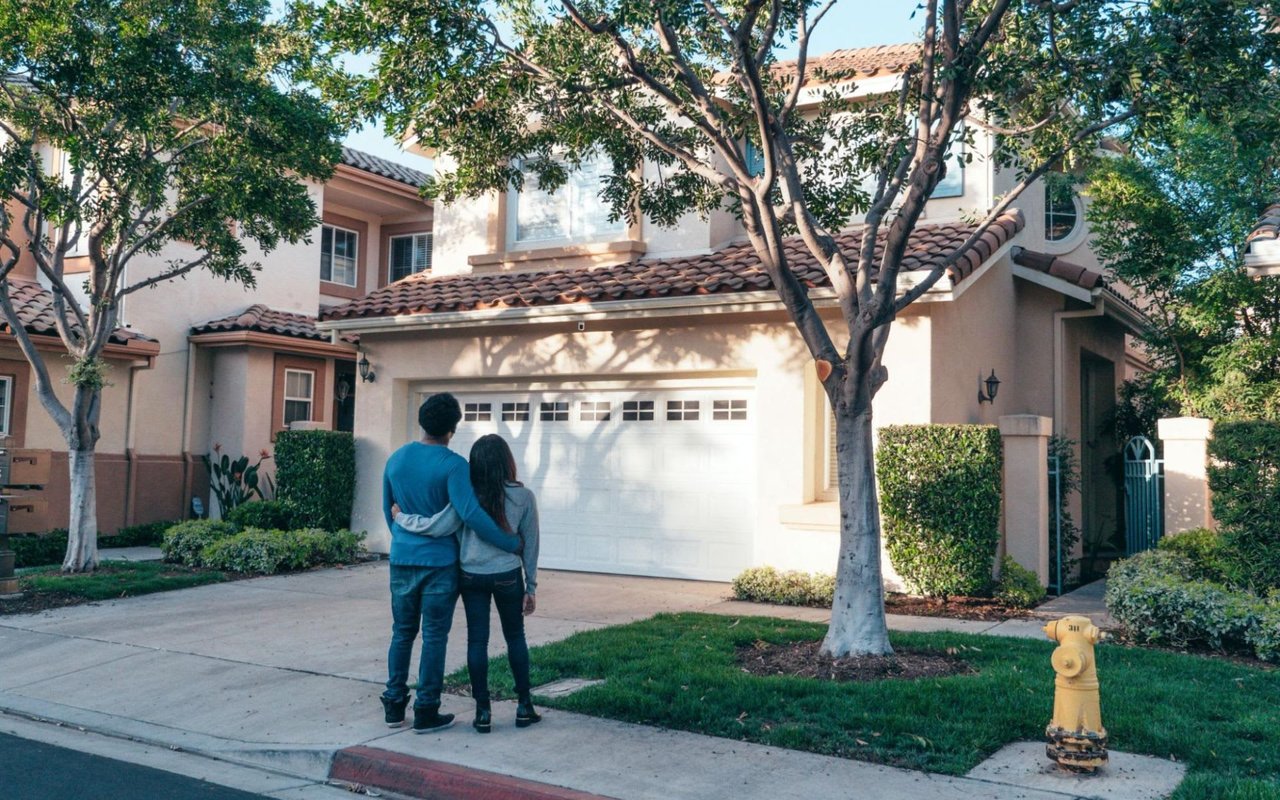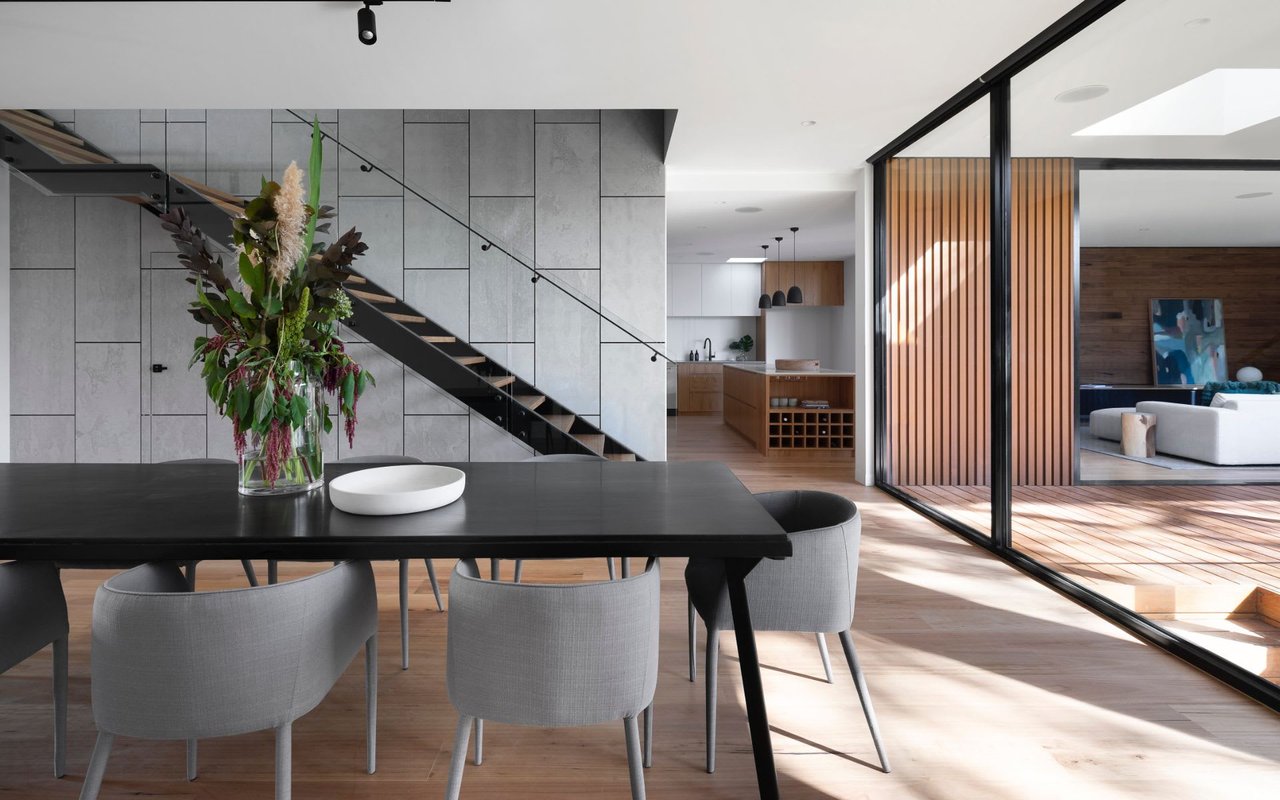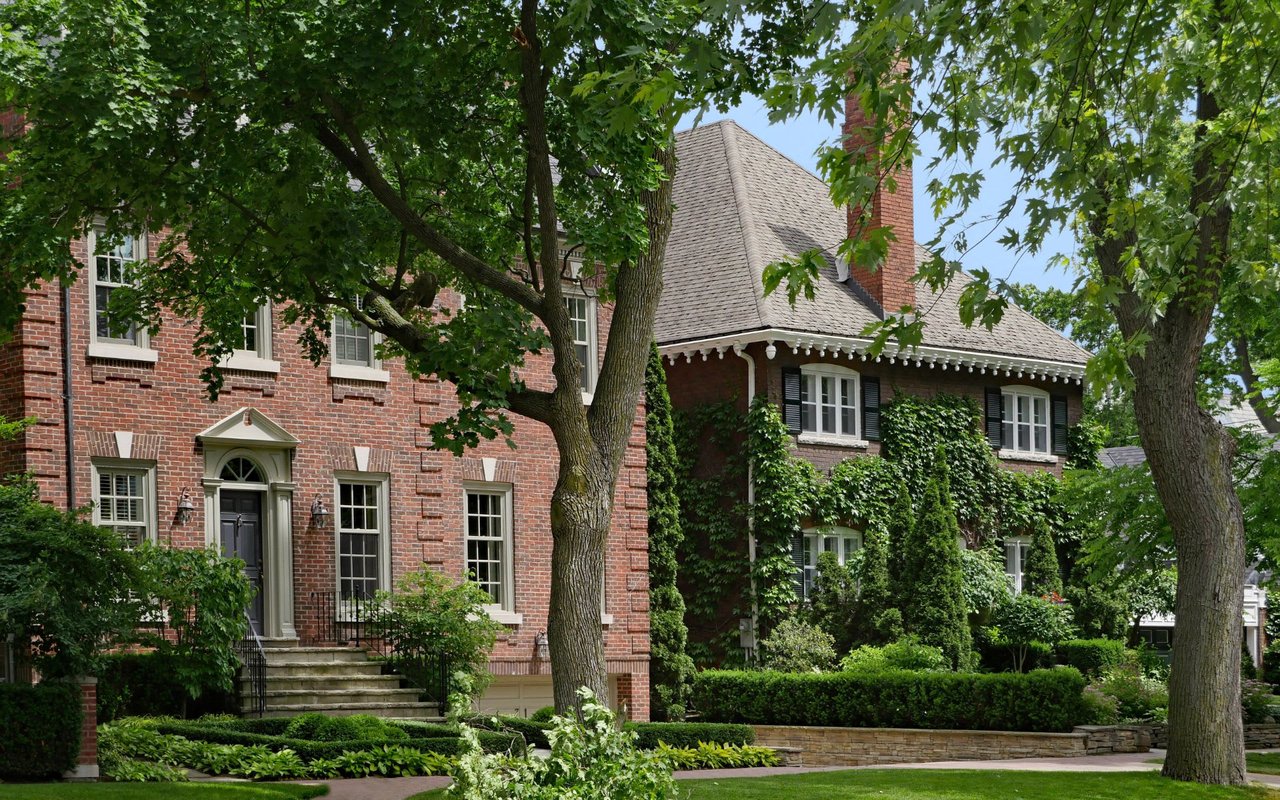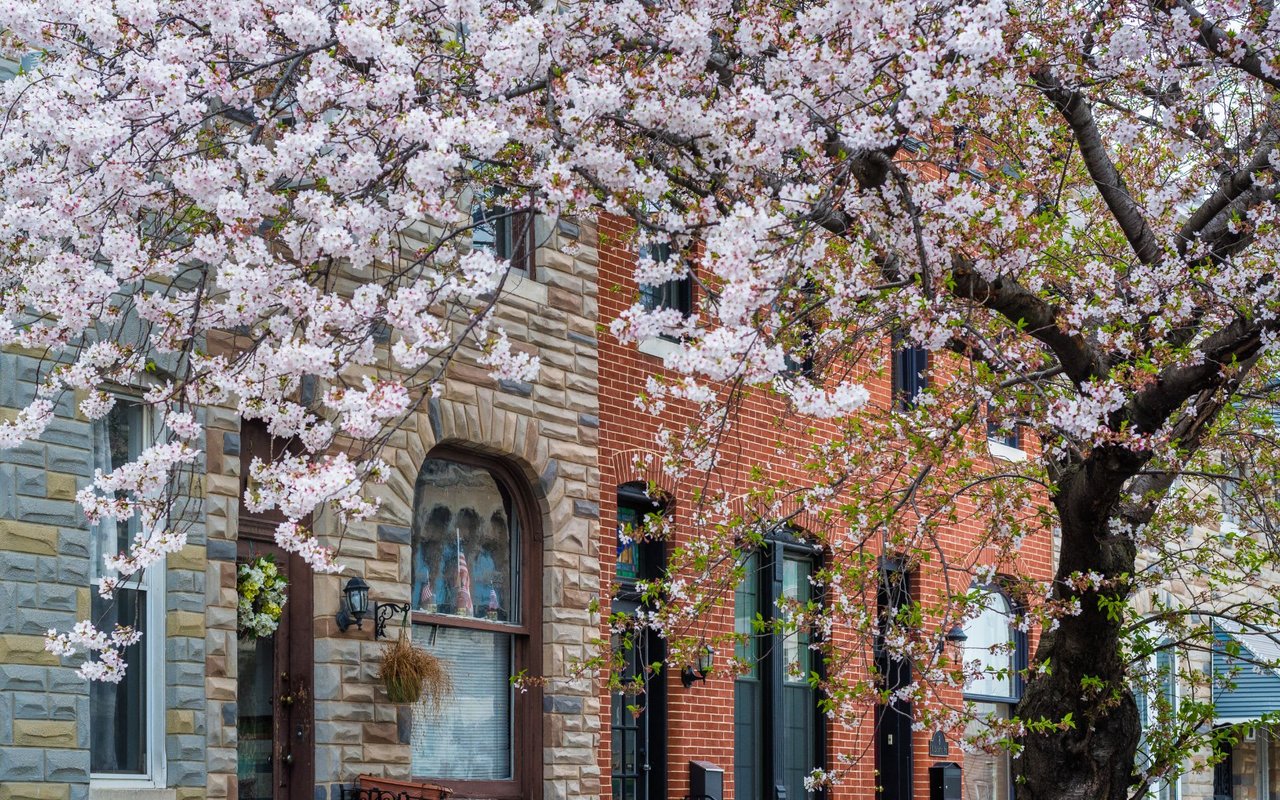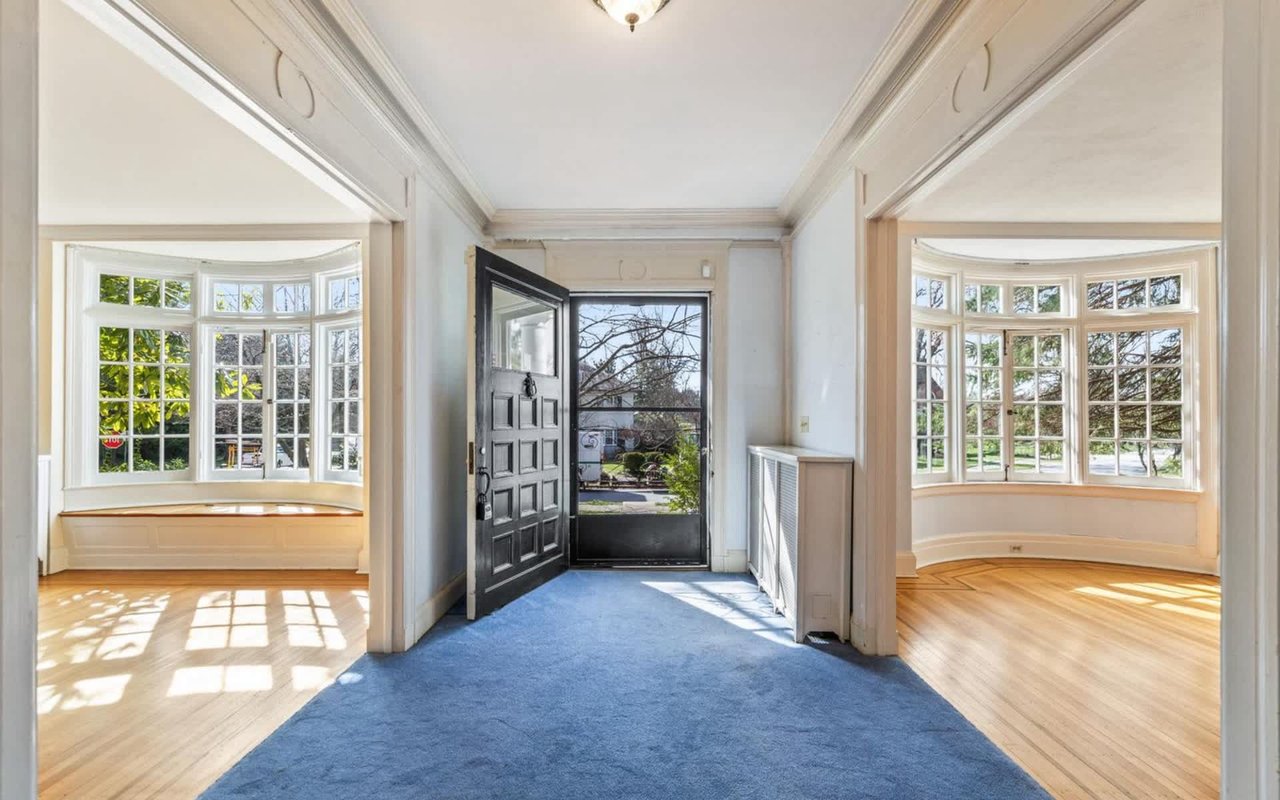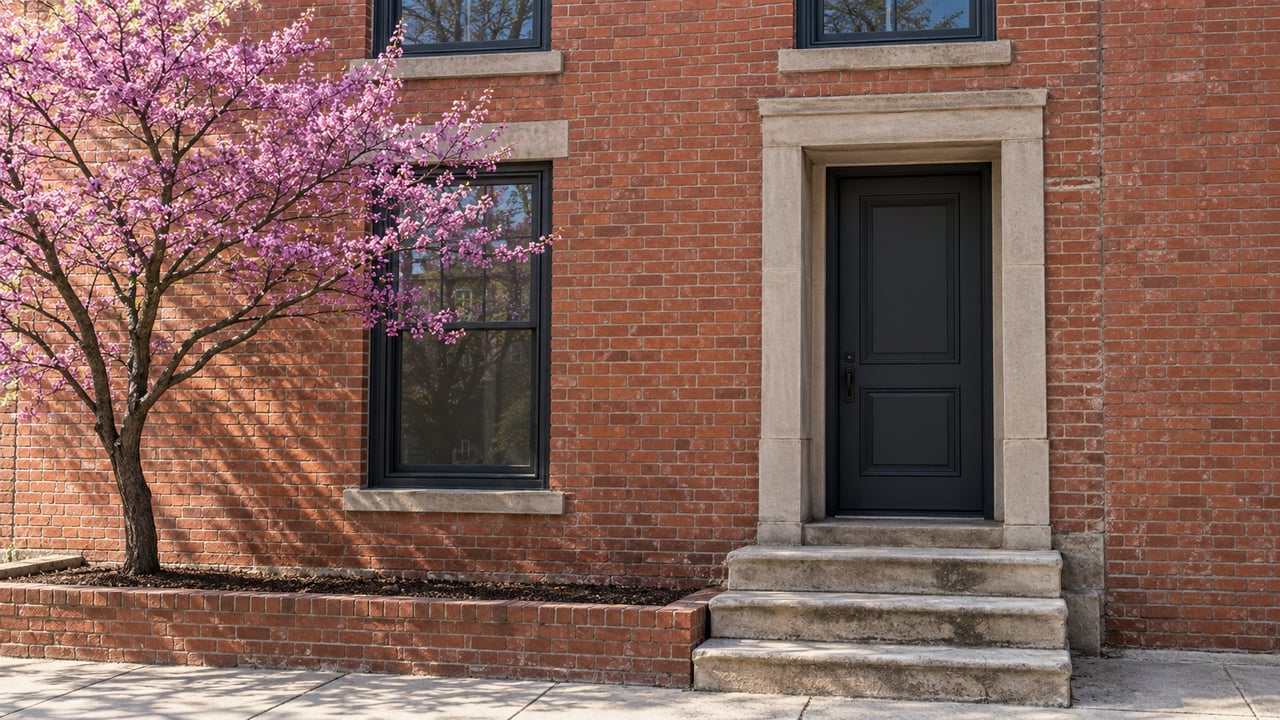
A buyer touring Canton last month put two listings side by side on her phone. A three-bedroom rowhome on Fleet Street had just sold for $369,000. A two-bedroom unit at the Anchorage Tower on Boston Street was asking $382,000. Thirteen thousand dollars apart, both walking distance to the water, both inside the same zip code. On paper they looked like the same decision with a rounding error attached.
They were not the same decision. One of those homes comes with a mortgage payment and whatever the owner chooses to spend on upkeep. The other comes with a mortgage payment plus a monthly association fee that, at a comparable Canton waterfront building, can run anywhere from $700 to $2,600. Multiply the high end of that range across a year and the fee alone approaches what some Baltimore rowhome buyers pay in property tax. The sticker price told her almost nothing about what she'd actually be writing checks for every month.
Why the median can't settle this argument
Ask three sources for Canton's median home price in 2026 and you'll get three answers, and the gap isn't sloppy data. Redfin's neighborhood report put the median sale price at $371,000 for November 2025, with homes selling in 40 days on average. By March 2026, a separate market snapshot had the figure at $375,000. By May, another read $379,450, with the average sale price running higher still at $404,270. None of these numbers is wrong. They're measuring a moving target across different windows, and Canton's housing stock is genuinely two different products getting averaged into one line.
A Bright MLS report covering Baltimore City for the first quarter of 2026 makes the split visible in a different way, comparing Canton to Federal Hill. Federal Hill's median sale price came in at $415,000 at $285 per square foot, while Canton landed at $385,000 and $265 per square foot. The gap reflects older inventory and view premiums in Federal Hill, not a difference in square footage. Neither number, though, separates what's carrying a monthly association fee from what isn't. A reader comparing neighborhoods off these medians alone is comparing blended averages, not comparable products.
Two kinds of ownership under one roofline
Canton's housing stock splits cleanly into two categories, and the split matters more than the address.
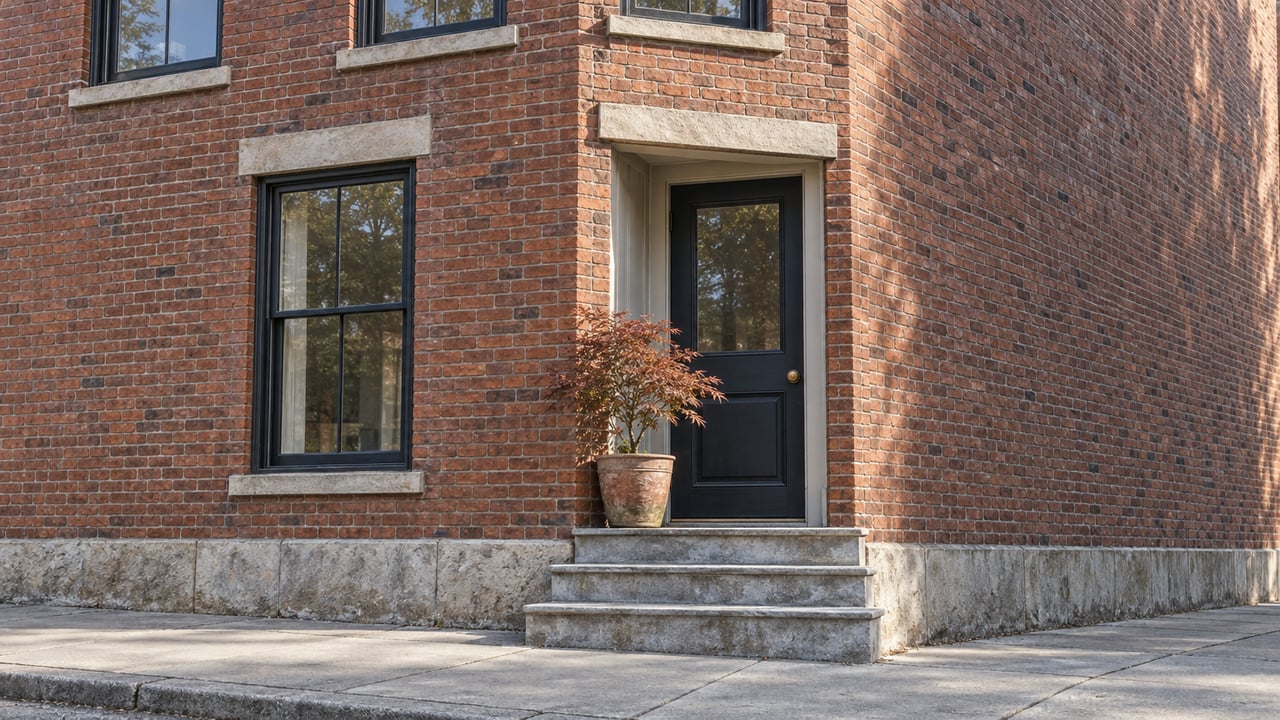
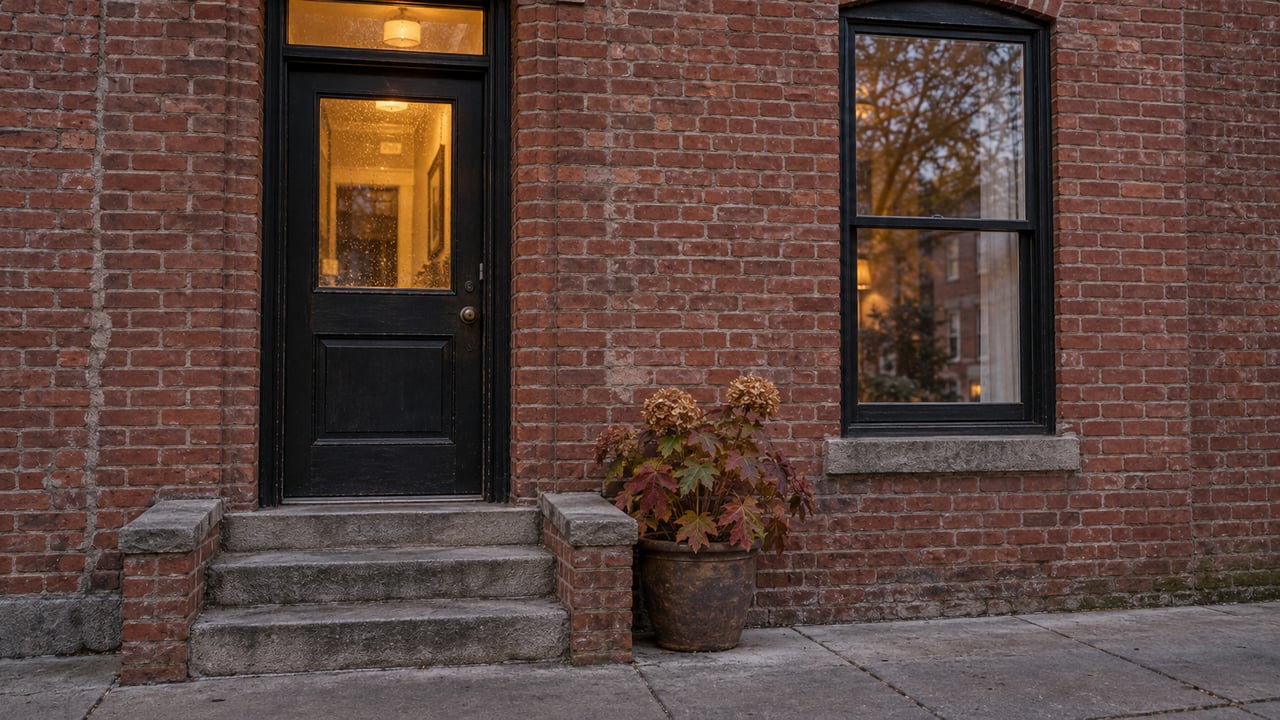
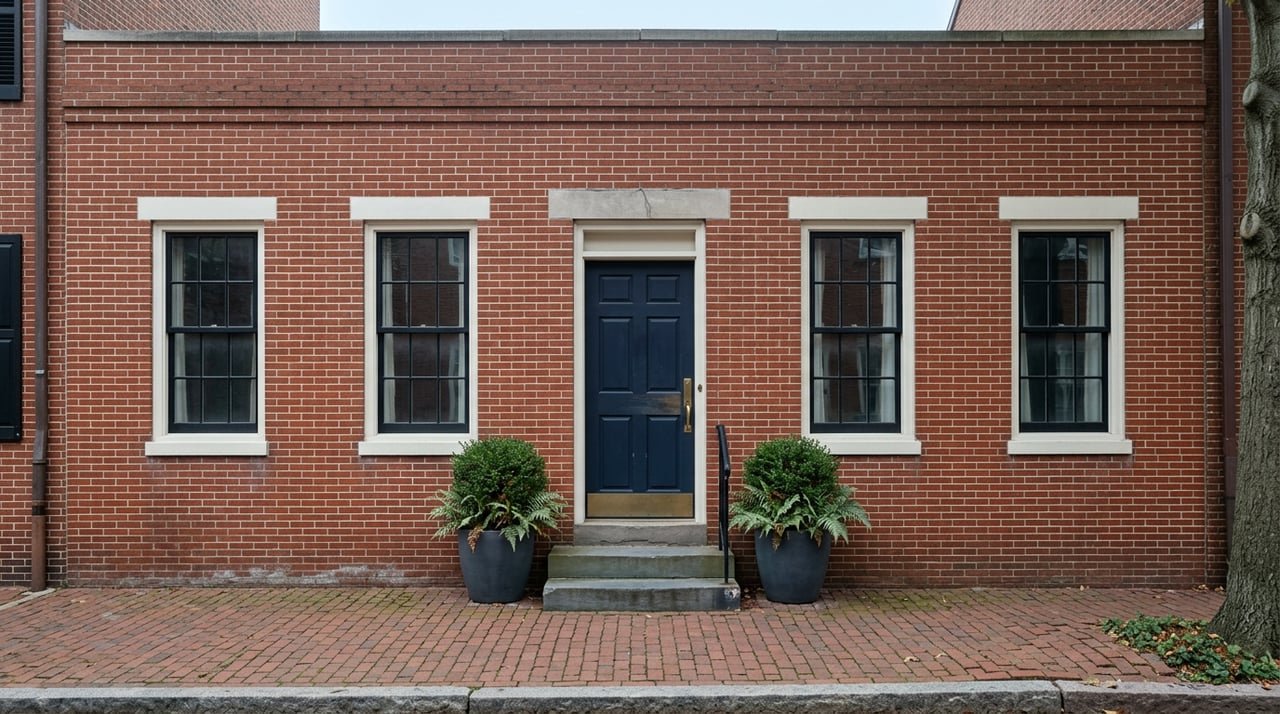
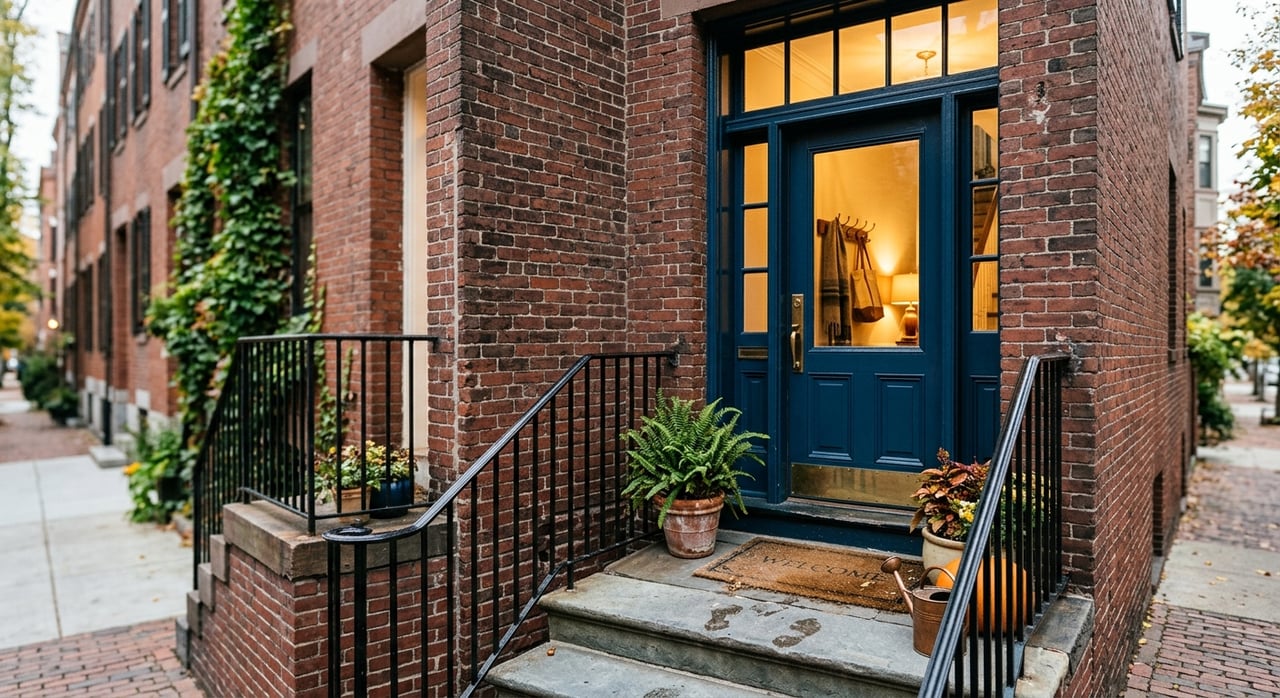
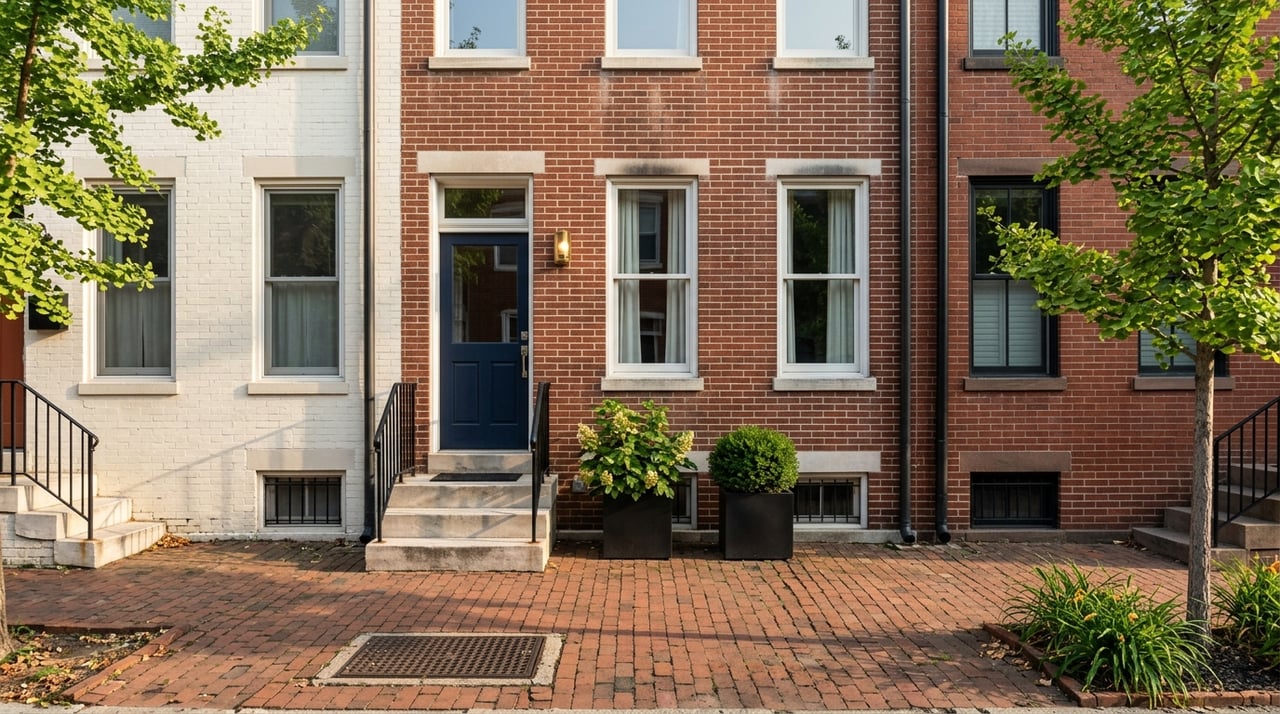
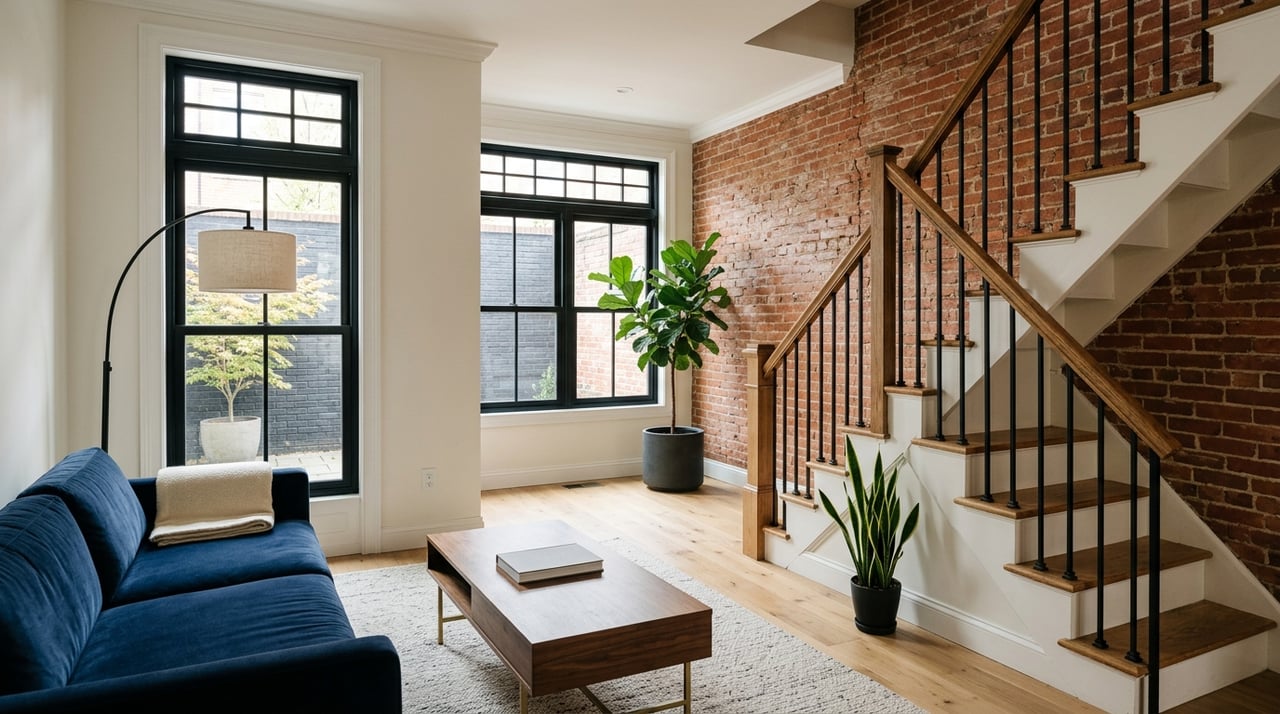
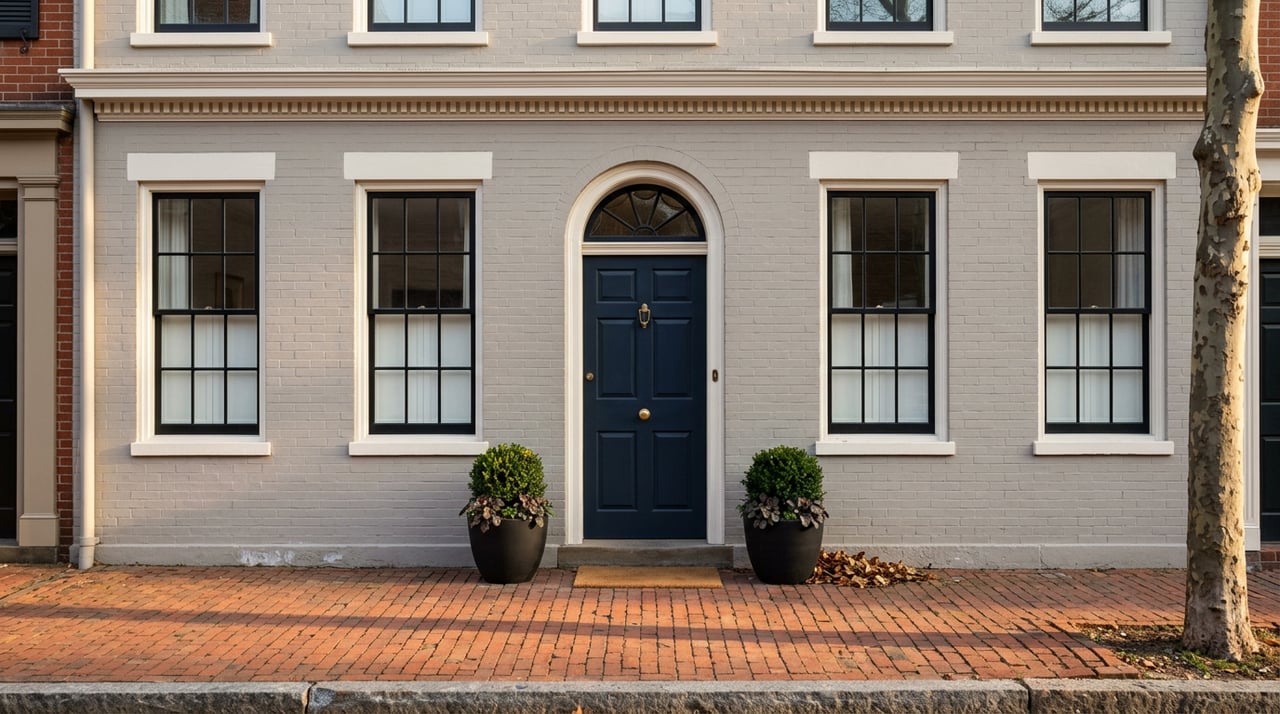
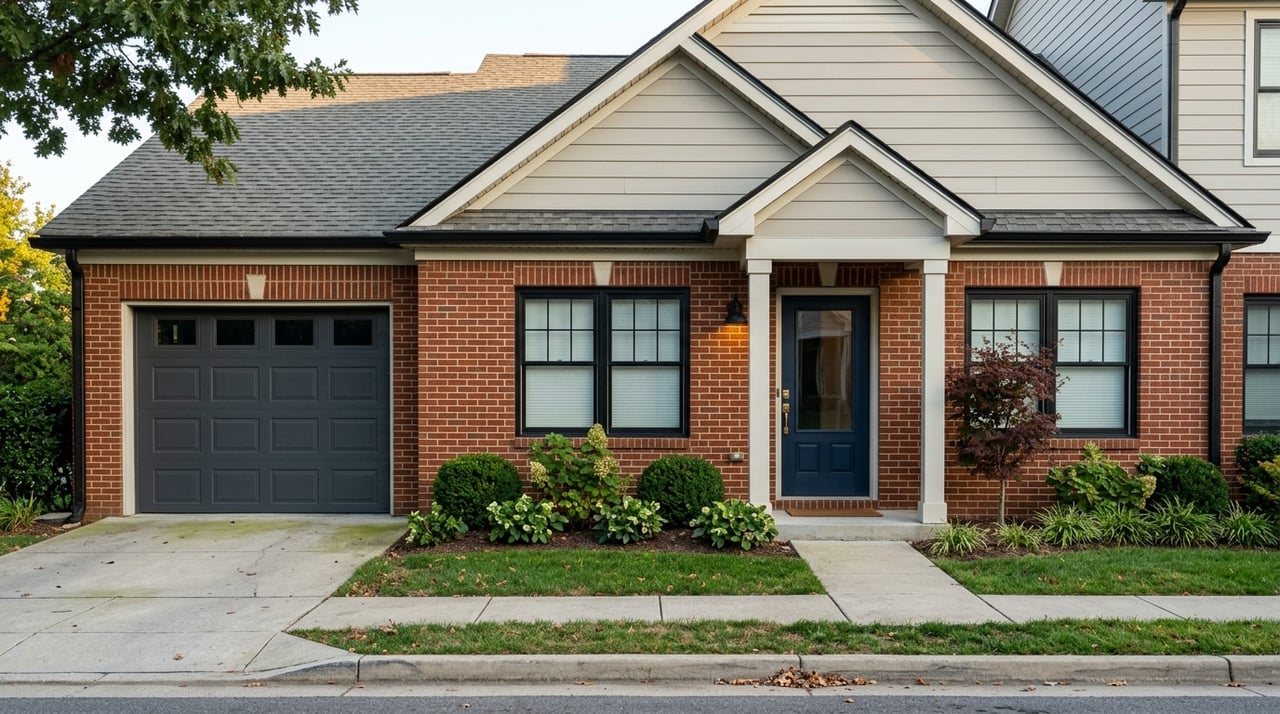
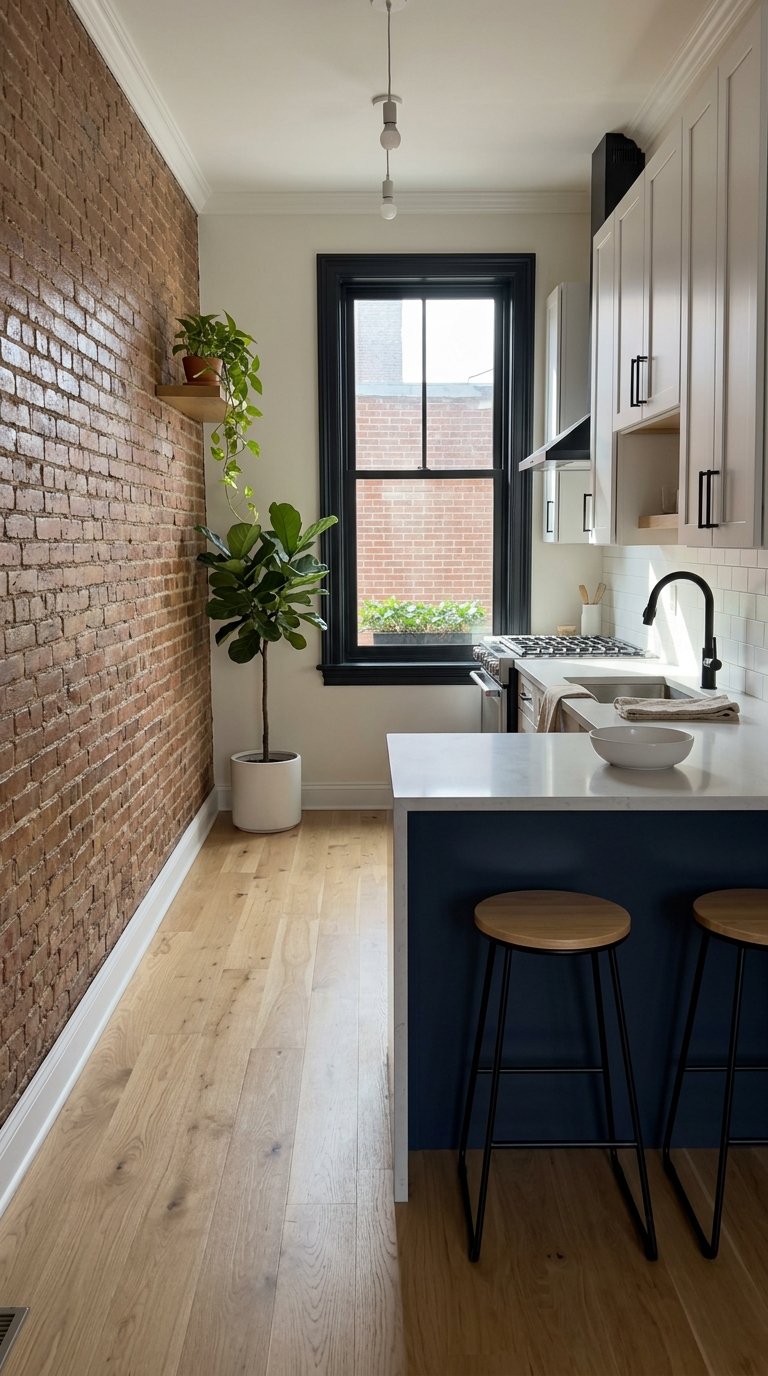
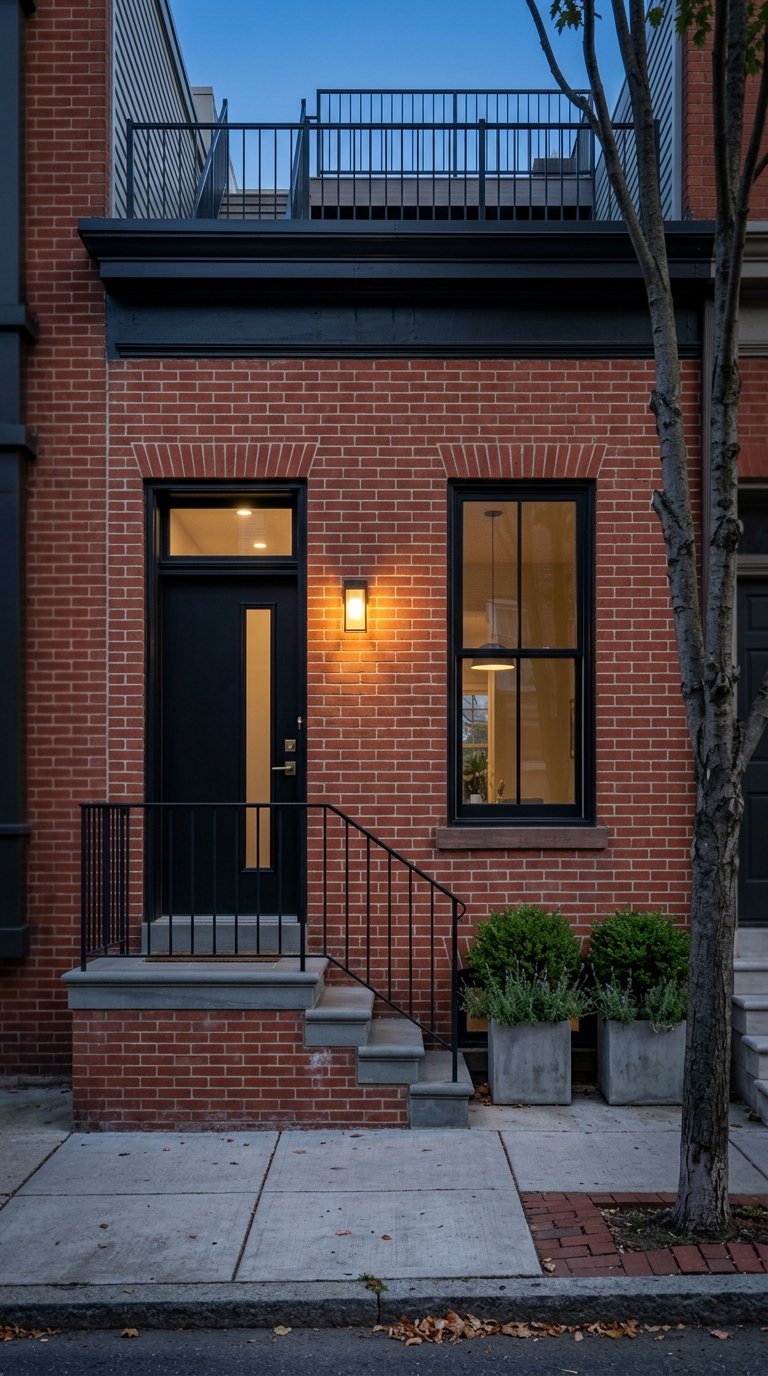
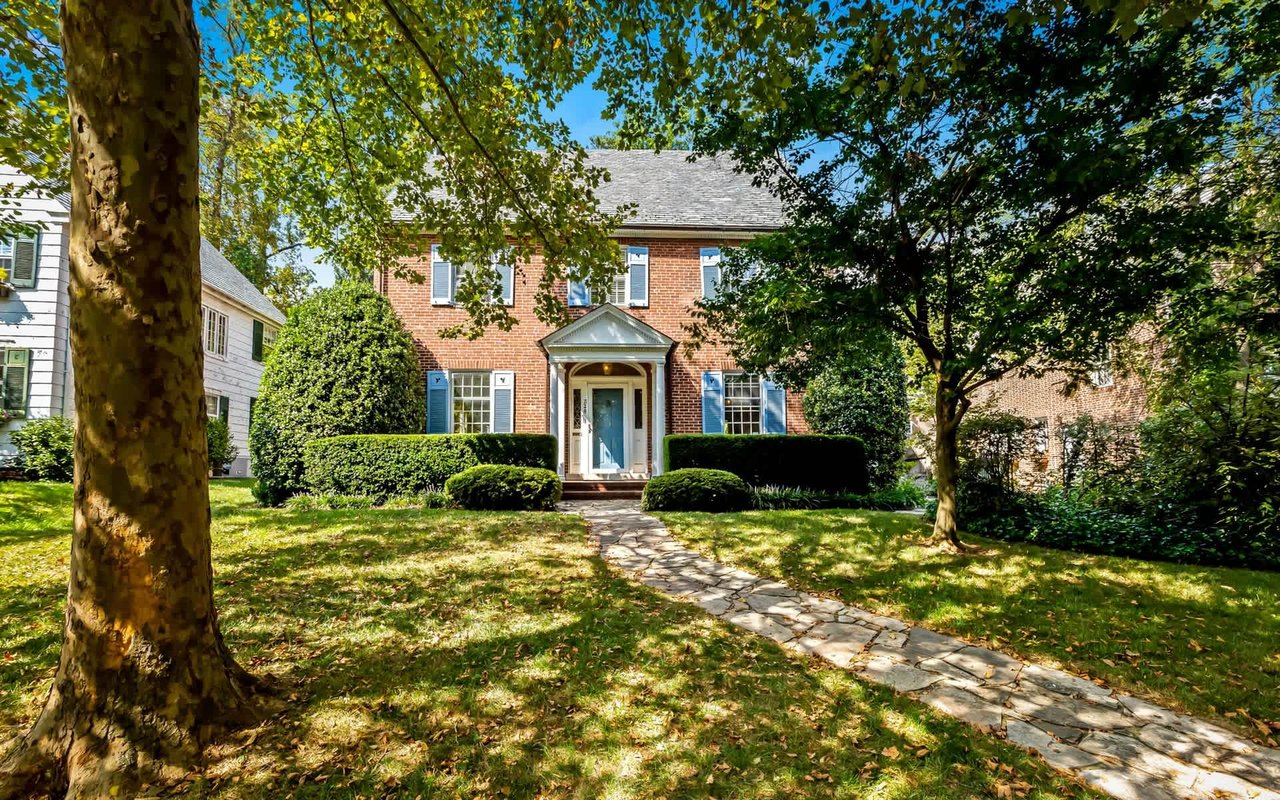
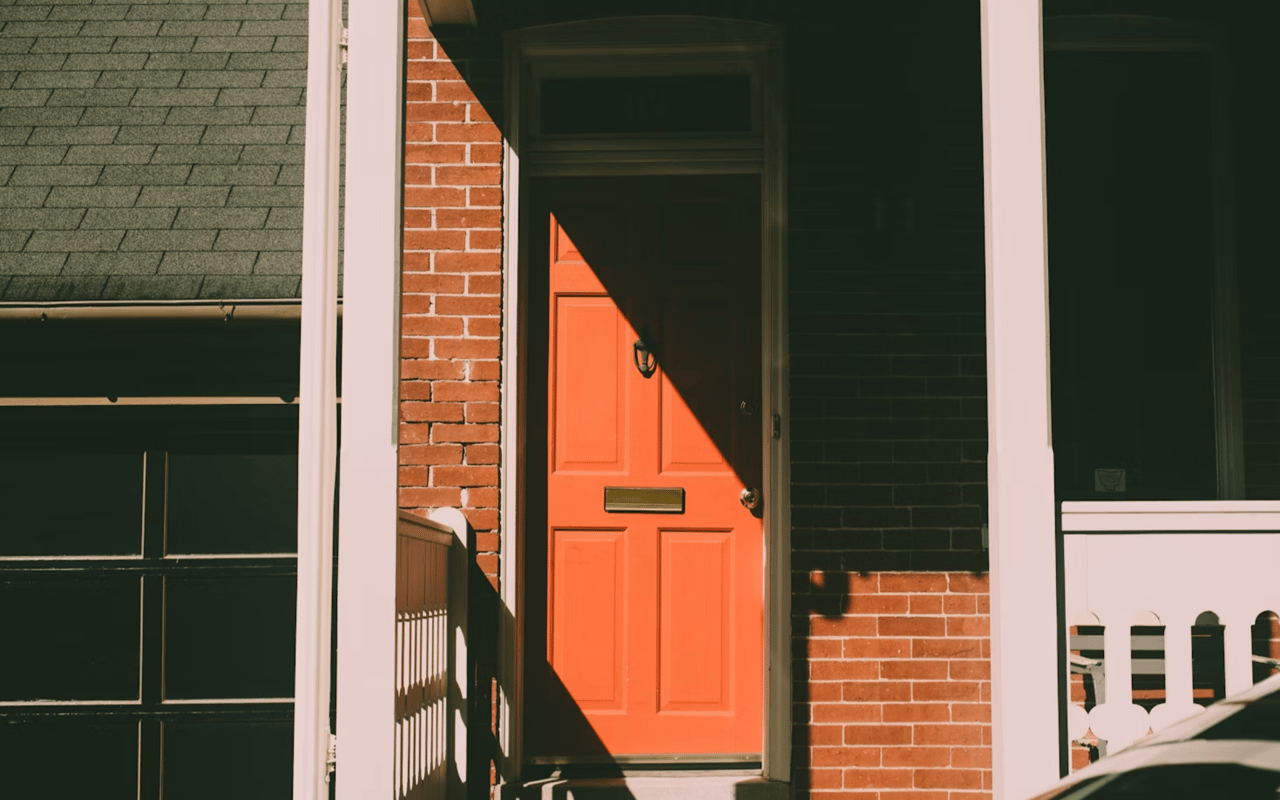
Most of the neighborhood's classic brick rowhomes carry no monthly association fee at all. The owner handles the roof, the mortar, the sewer line, everything, and pays Baltimore City directly for water and trash. Some of these homes still carry a legacy of ground rent, a Baltimore-specific arrangement where you own the structure but lease the land beneath it, typically costing $50 to $150 a year. It's a minor cost but an occasional sticking point at closing. Buyers can redeem it outright, usually for $750 to $2,500, and doing so before listing removes a line item some buyers find confusing.
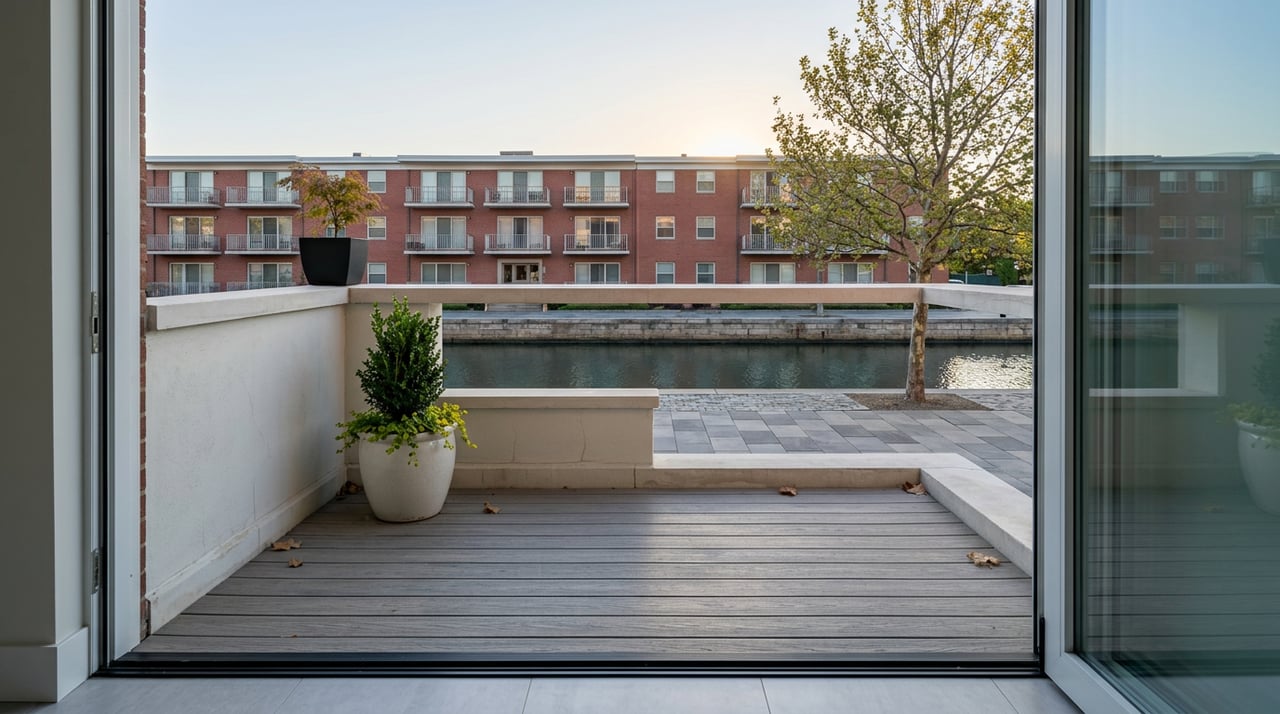
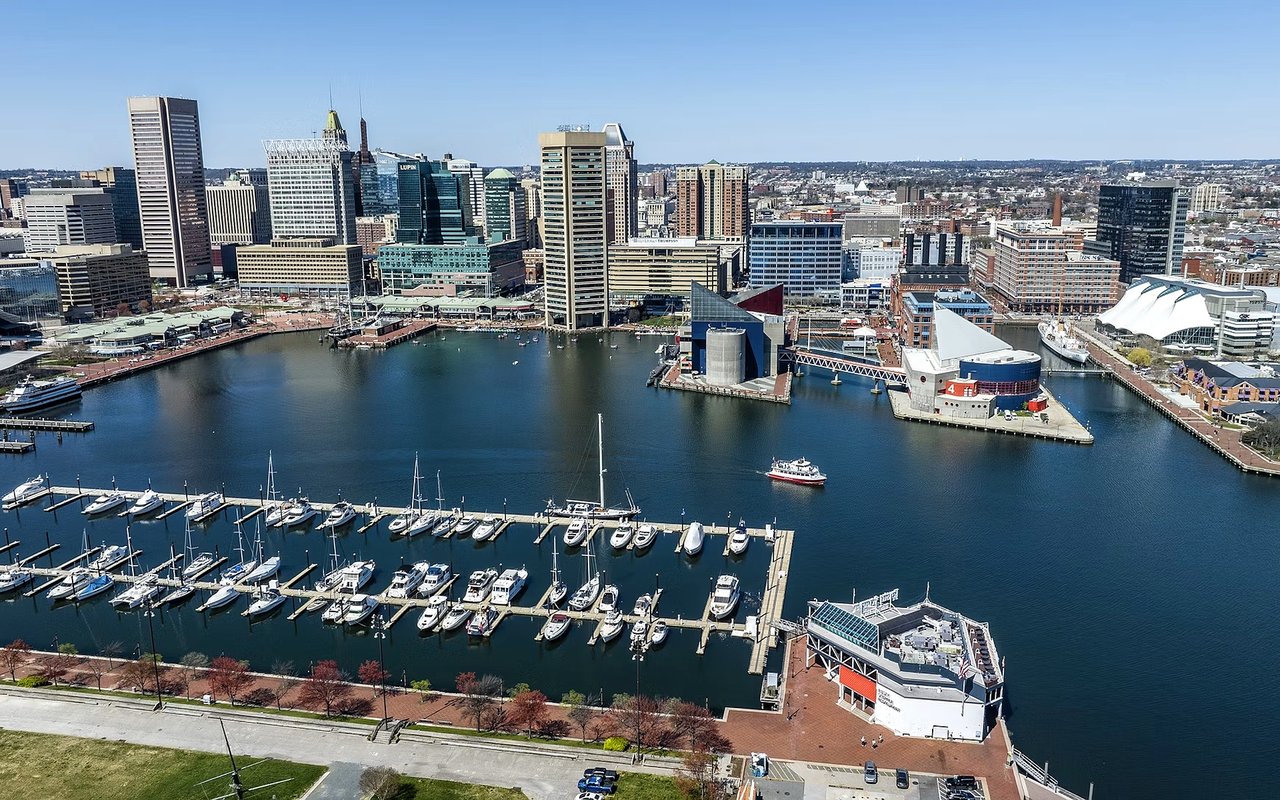
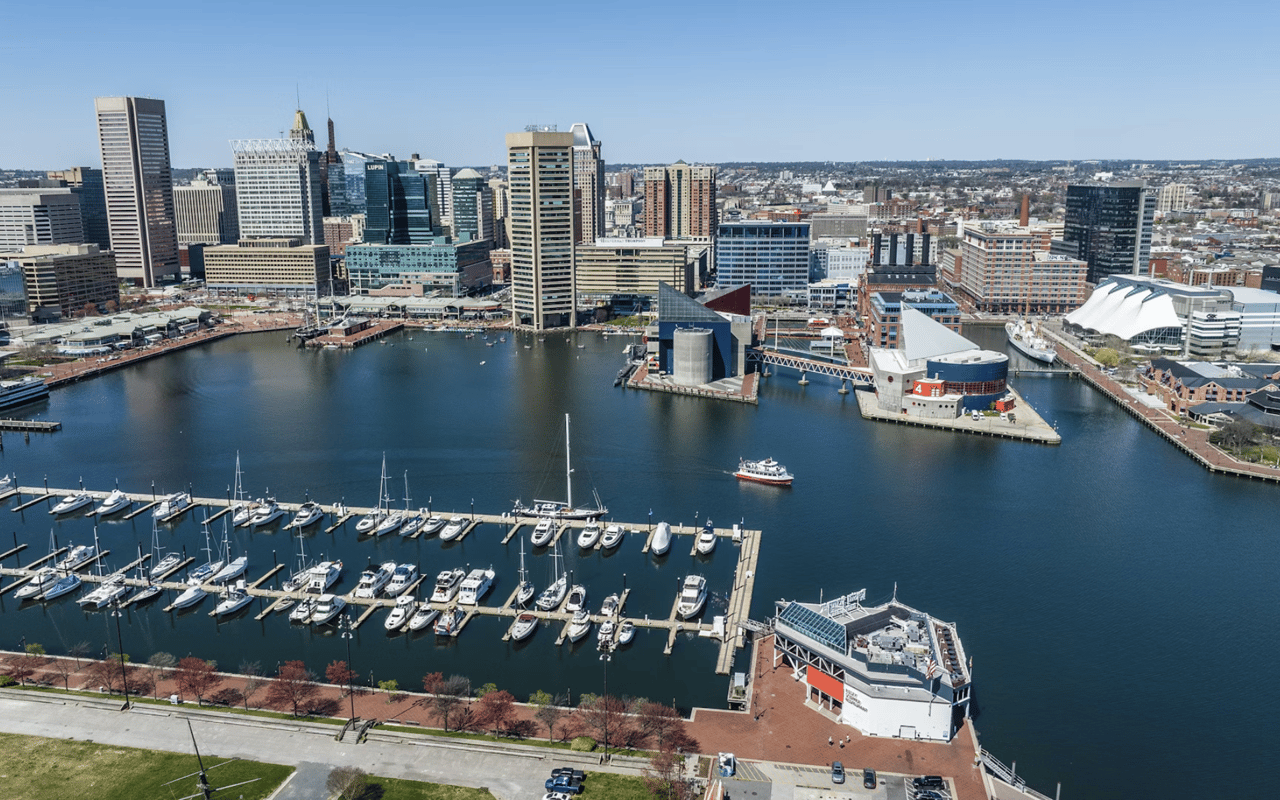
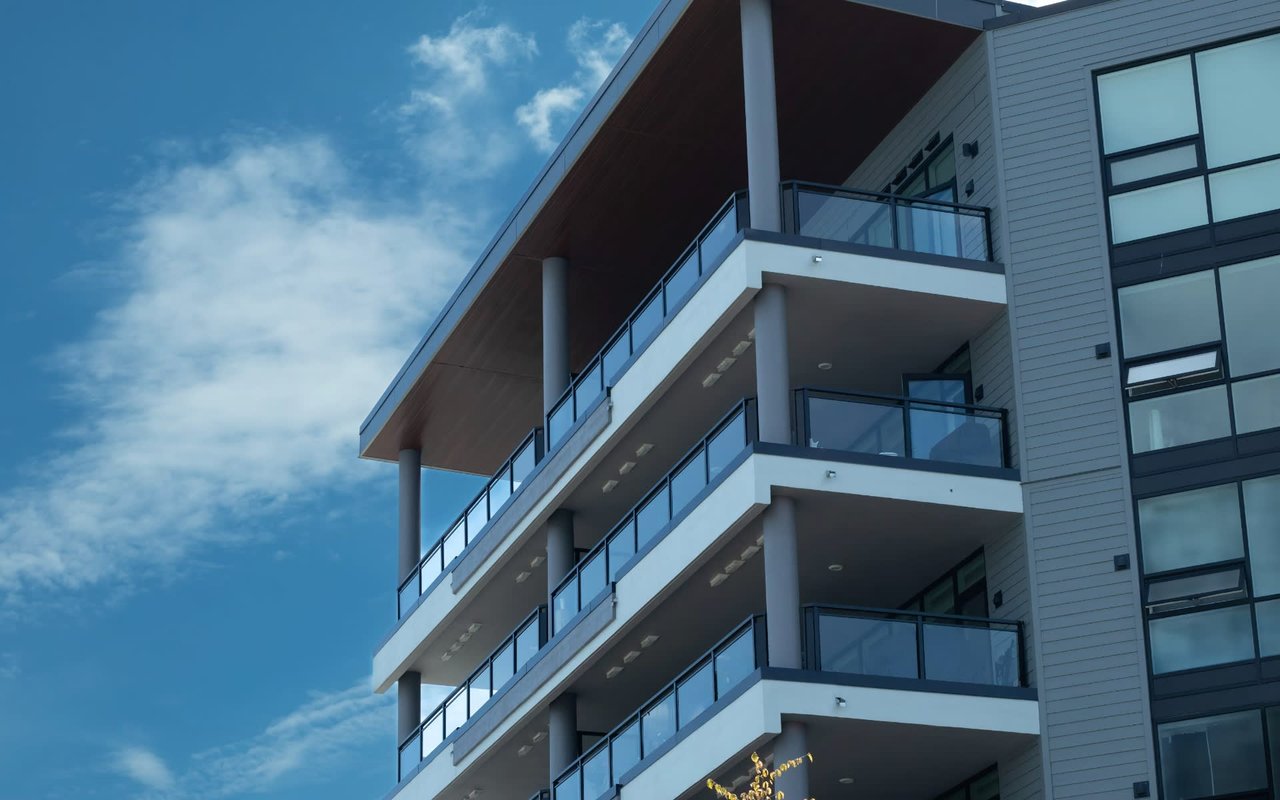
Canton's waterfront condo towers work on an entirely different model. Buildings like Canton Cove, a 1985 conversion of a former tin factory into 87 units directly on Canton Waterfront Park, post monthly fees between $700 and $2,600 depending on unit size and floor plan. That range isn't padding. It covers water, trash, sewer, reserve funds, and building management, along with amenities like a 24-hour front desk and a shared rooftop deck. A rowhome owner pays for those same categories too, just directly and irregularly, a new water heater here, a roof recoat there, instead of in a predictable monthly line.
What the fee is actually buying
At the Anchorage Tower, a 14-story, 94-unit building also on Boston Street and built in 1987, listings describe association fees that include common area maintenance, management, reserve funds, and building security. Recent asking prices there have clustered between $360,000 and $385,000, a band that overlaps almost exactly with the rowhome sales on Ellwood Avenue and Fleet Street from the same stretch of late 2025 and early 2026. The building itself offers a fitness center, a community room, deeded storage, and a secured bike room, the kind of shared infrastructure a rowhome simply doesn't have and doesn't need.
None of this makes the condo the wrong choice. It makes the fee the second half of the price tag, and it's the half that doesn't show up in a portal search filtered by list price alone.
The reserve question nobody asks at the open house
Both Canton Cove and Anchorage Tower are approaching the age where major building systems, roofing, elevators, façade sealants, start needing real money. That's normal for any structure built in the mid-1980s. What varies from building to building is whether the association has been setting aside enough in reserves to cover it, or whether owners are one bad winter away from a special assessment.
A buyer evaluating a Canton condo purchase should ask for a specific set of documents before writing an offer, not after:
- The association's current budget and most recent reserve study
- Whether any special assessments are pending or have been approved but not yet billed
- Recent board meeting minutes, which often surface deferred maintenance before it becomes a line item
- Whether the building has any open litigation, particularly construction defect claims
- The building's owner-occupancy percentage, which affects mortgage financing approval for future buyers
Thin reserves aren't a reason to walk away from a building. They're a reason to negotiate with your eyes open, and a reason the $700 fee on one Canton listing and the $2,600 fee on another aren't really comparable numbers until you know what's behind each one.
What this means if you're weighing Canton against somewhere else
A buyer stacking Canton against Federal Hill on median price alone is missing the same variable twice. Federal Hill's older rowhome stock, much of it built between 1850 and 1920, tends to carry no HOA fee but does carry higher capital costs for things like HVAC retrofits and roof work on original structures. Canton's rowhomes, generally younger and more often already renovated, carry lower surprise-repair risk but a real premium if the unit you're looking at happens to be a waterfront condo instead. The $30,000 gap between Canton's and Federal Hill's Q1 2026 medians says less about which neighborhood is "worth more" and more about which specific product, rowhome or condo, dominates the sample in each place that quarter.
The honest comparison isn't Canton versus Federal Hill. It's rowhome versus condo, wherever you're looking, with the fee treated as part of the price rather than an asterisk underneath it.
A few questions worth asking before you offer
Does every Canton rowhome still have ground rent attached? No. Many have already been redeemed by a previous owner. It's worth confirming during due diligence rather than assuming either way, since an unredeemed ground rent is a minor but real annual obligation that transfers with the property.
Is a $700 monthly fee automatically a better deal than a $2,600 one? Not necessarily. A lower fee with thin reserves can mean a large special assessment is coming. A higher fee with strong reserves and full-service amenities like 24-hour security may actually be the more predictable cost over a ten-year hold.
Can I still get useful rowhome comps if I'm looking at a condo, or vice versa? Only loosely. Use rowhome sales to gauge land and structure value, and use condo sales in the same building or a comparable one to gauge fee-adjusted carrying cost. Blending the two skews both numbers.
If you're weighing a Canton rowhome against a waterfront unit and want the fee, reserve health, and ground rent status actually pulled apart before you write an offer, William Weeks can walk through the specific building and block you're considering and show you what the monthly number really looks like.
This article is general information, not legal, tax or financial advice. Consult a qualified professional about your situation.