By William Weeks
Preparing a home for sale in Baltimore isn't about making it perfect. It's about making it competitive for the buyers who are actively looking in your price range and neighborhood. I've worked with sellers across the city, and the improvements that consistently move the needle aren't always the biggest ones. Here are seven that I recommend most often.
Key Takeaways
-
First impressions made at the curb have a huge impact on how buyers experience everything that follows
-
Kitchen and bathroom updates don't need to be full renovations to affect value
-
Deferred maintenance is the single most common thing that costs sellers money at the inspection stage
-
Neutral, decluttered spaces photograph better, show better, and sell faster
1. Deep Clean and Declutter Every Room
This is the lowest-cost, highest-return item on the list and the one most sellers underestimate. A home that is clean and free of personal clutter allows buyers to see the space rather than the stuff in it. I always tell my sellers to approach this with fresh eyes: walk through every room and ask whether each item on a surface, shelf, or wall is helping or distracting.
Where to Focus First
-
Kitchens and bathrooms: grout lines, appliances, fixtures, and cabinet fronts all show wear that buyers notice immediately
-
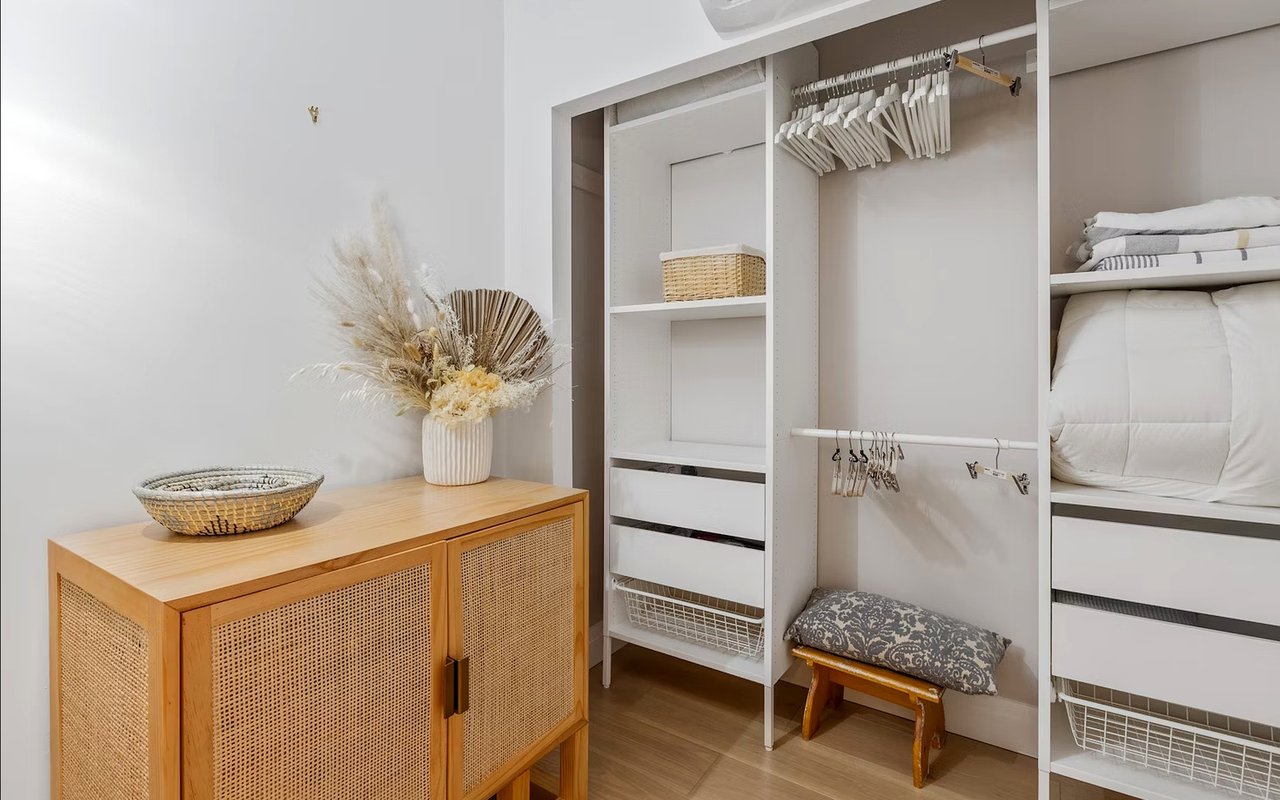
Closets and storage areas: buyers open everything; an organized closet reads as a larger closet
-
Windows: clean windows make every room feel brighter and better maintained, and they're easy to overlook
2. Address Deferred Maintenance Before It Becomes a Negotiating Point
In Baltimore's older housing stock, deferred maintenance is common and expensive at the negotiating table. A buyer's inspector will flag every leaky faucet, cracked caulk line, worn weather stripping, and malfunctioning switch, and each one becomes a credit request or a reason to renegotiate price. Getting ahead of these items costs far less than giving them back at closing.
High-Priority Items to Tackle
-
HVAC servicing: a recent service record signals to buyers that the system has been maintained
-
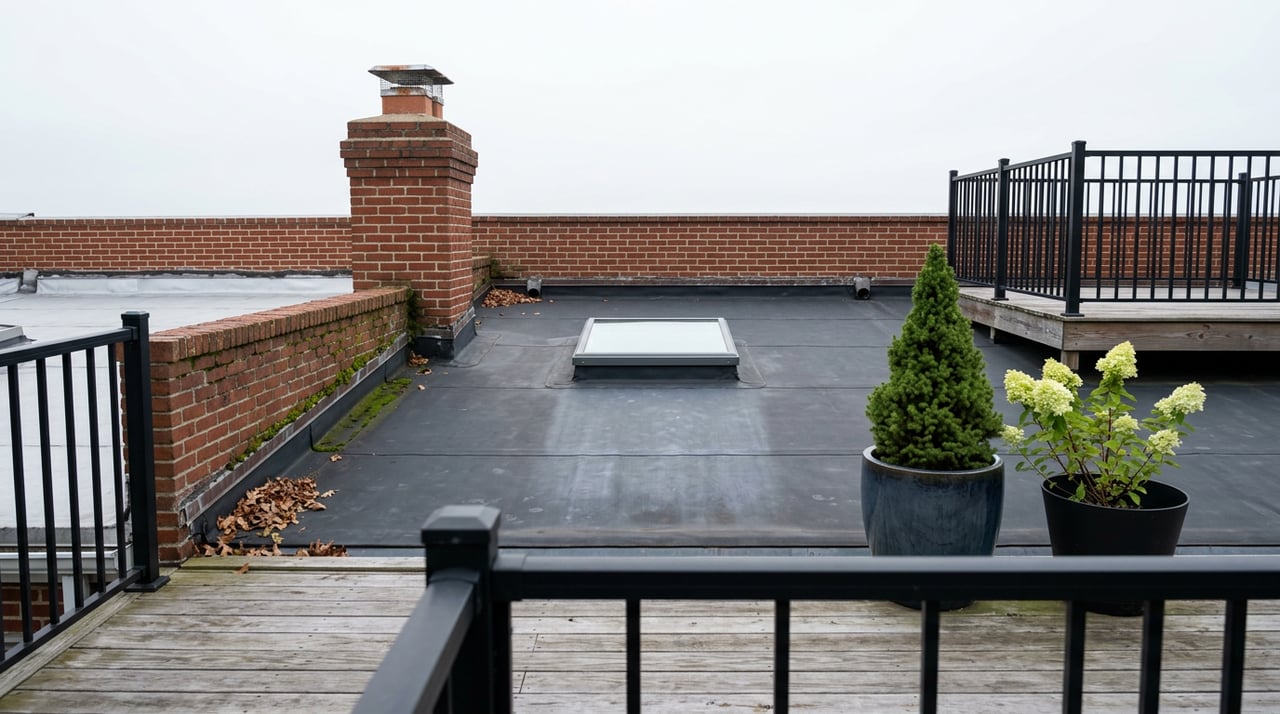
Roof and gutters: clogged or damaged gutters and visible roof wear are among the most common inspection red flags in rowhouses and older single-family homes
-
Water intrusion signs: basement moisture, efflorescence on foundation walls, and soft spots around windows and doors are all items that slow down deals
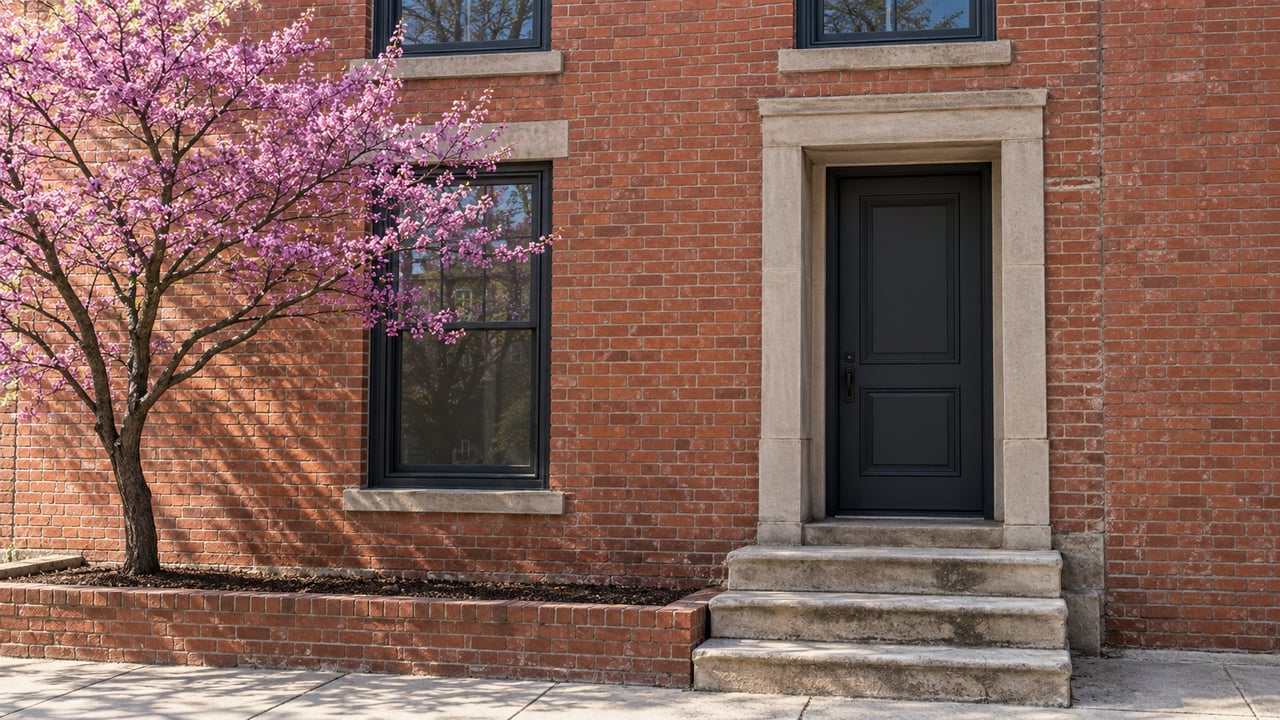
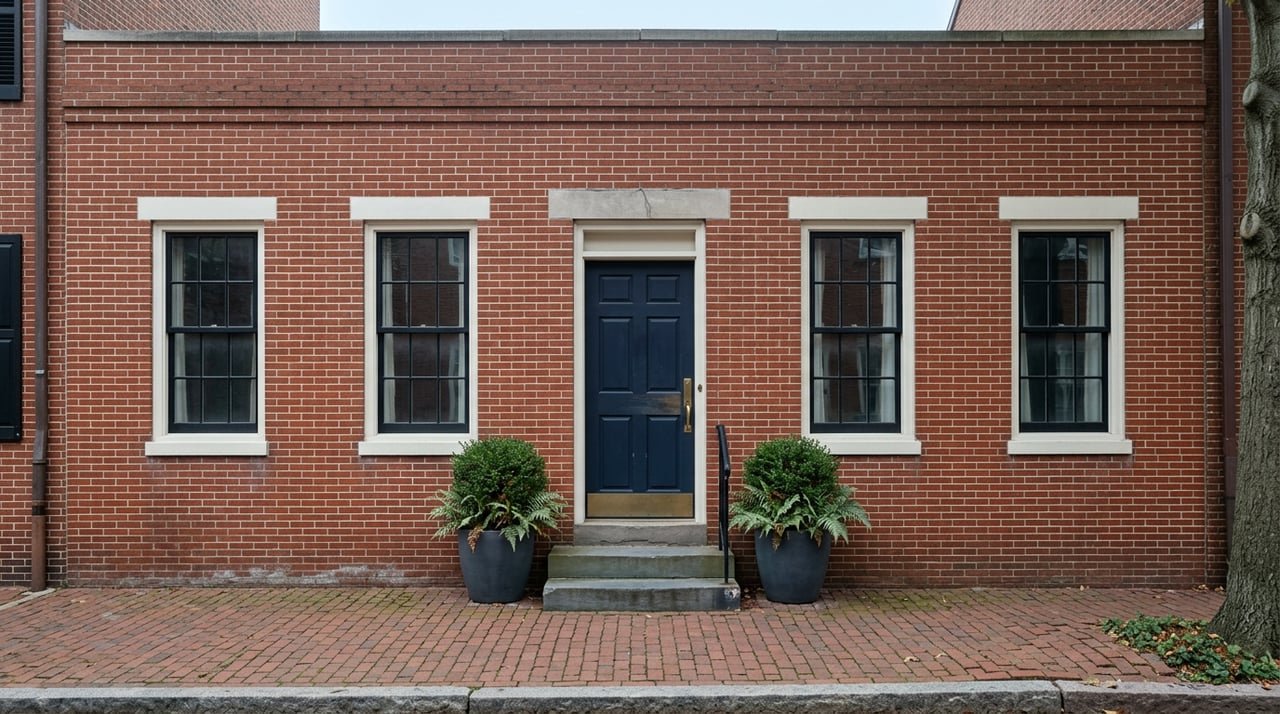
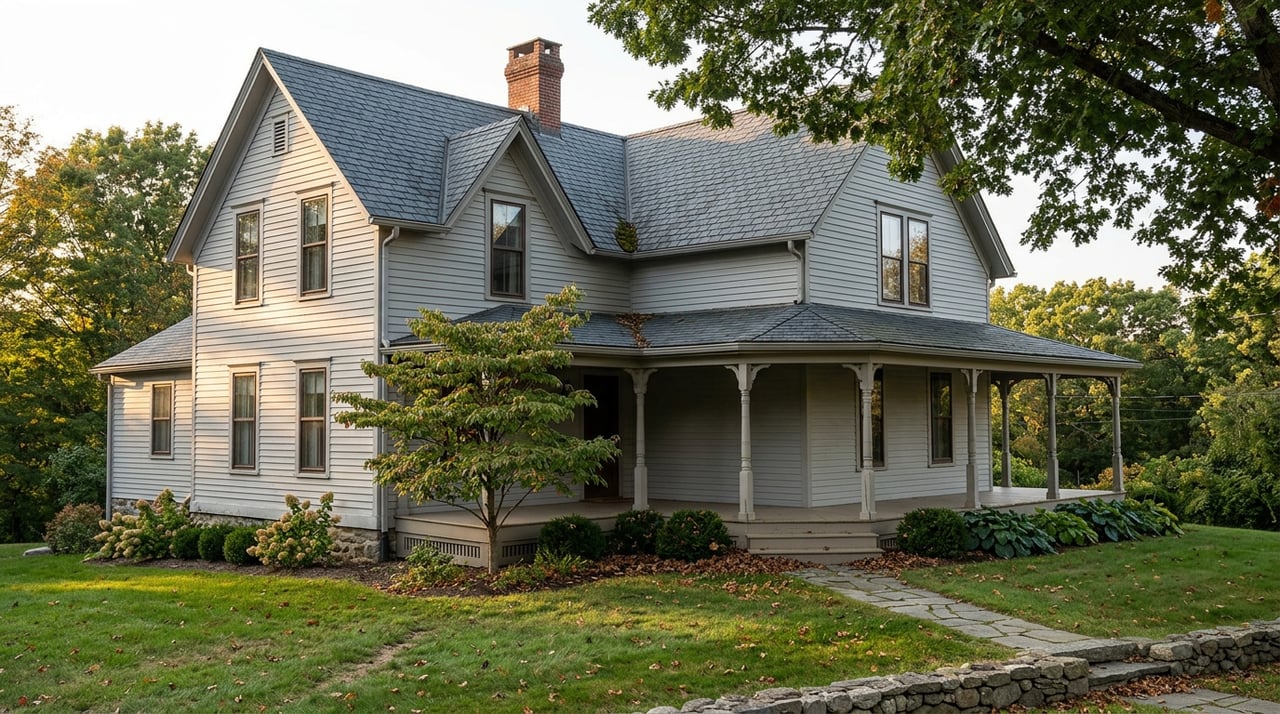
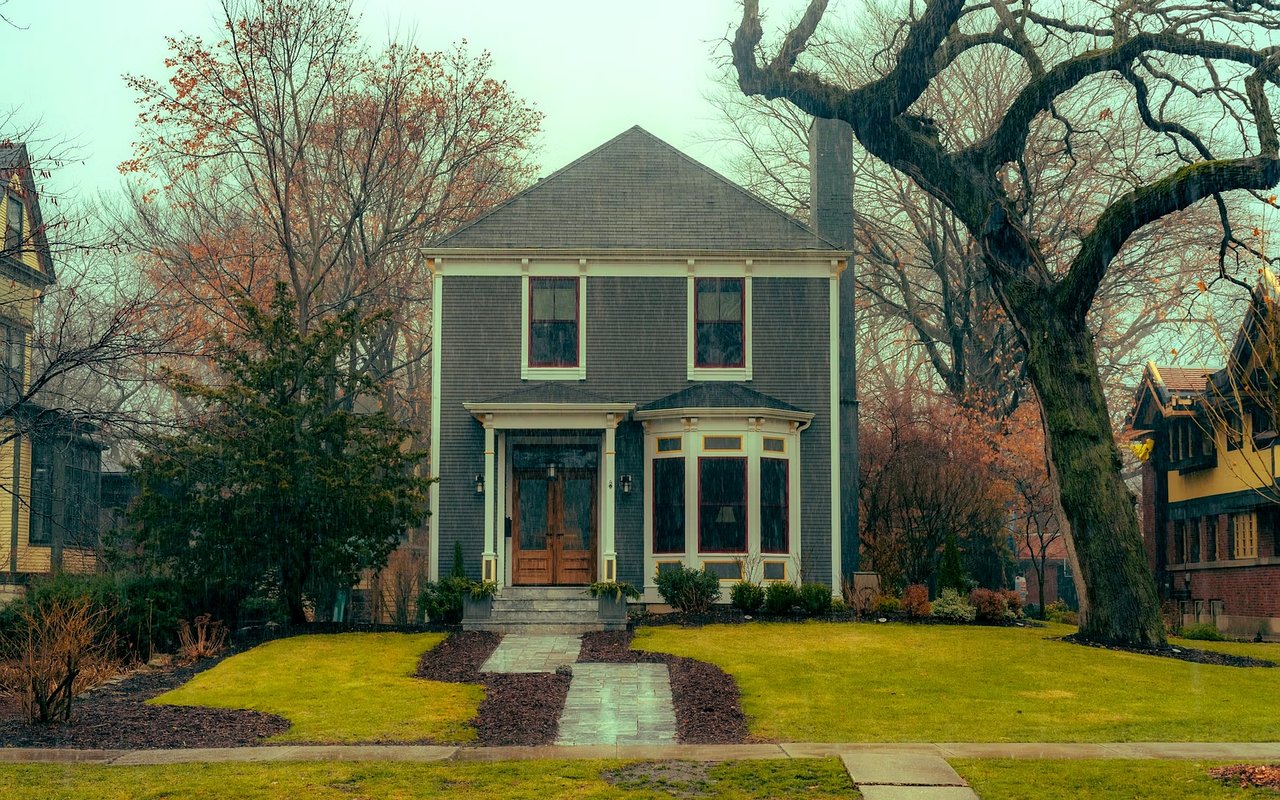
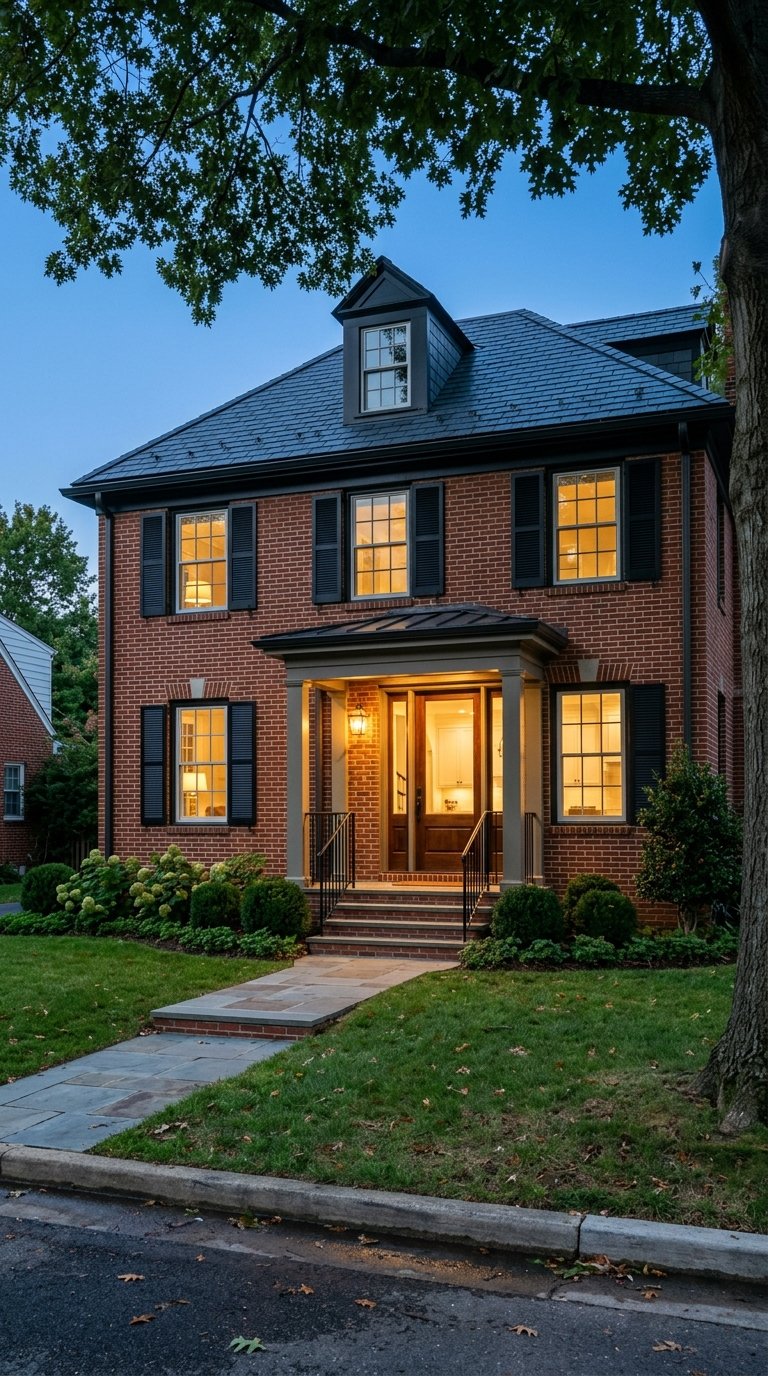
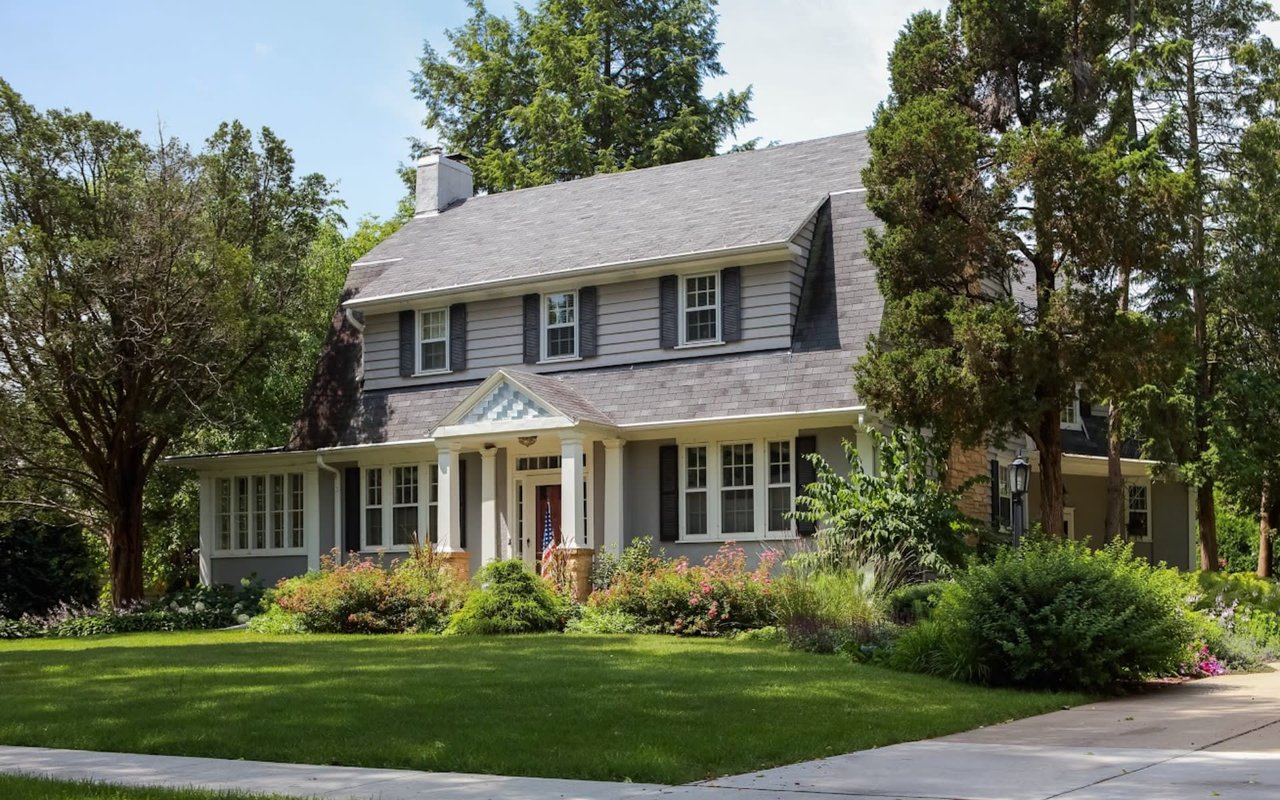
3. Refresh Curb Appeal
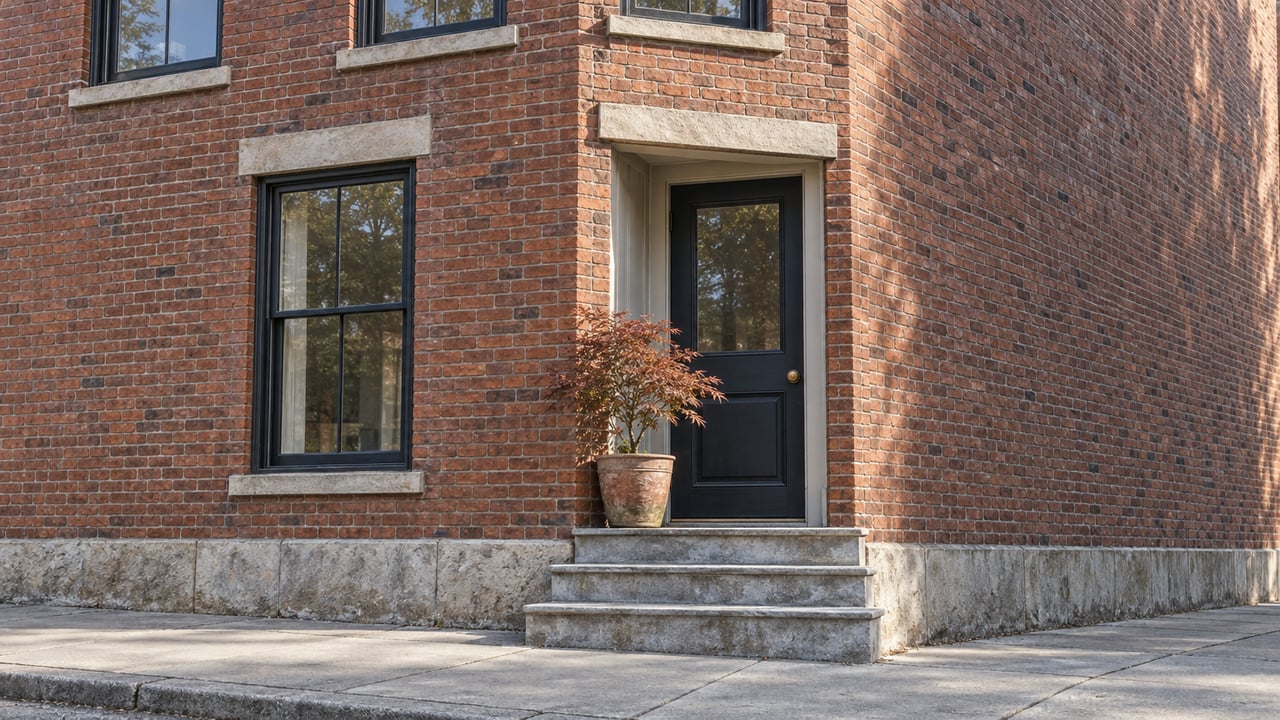
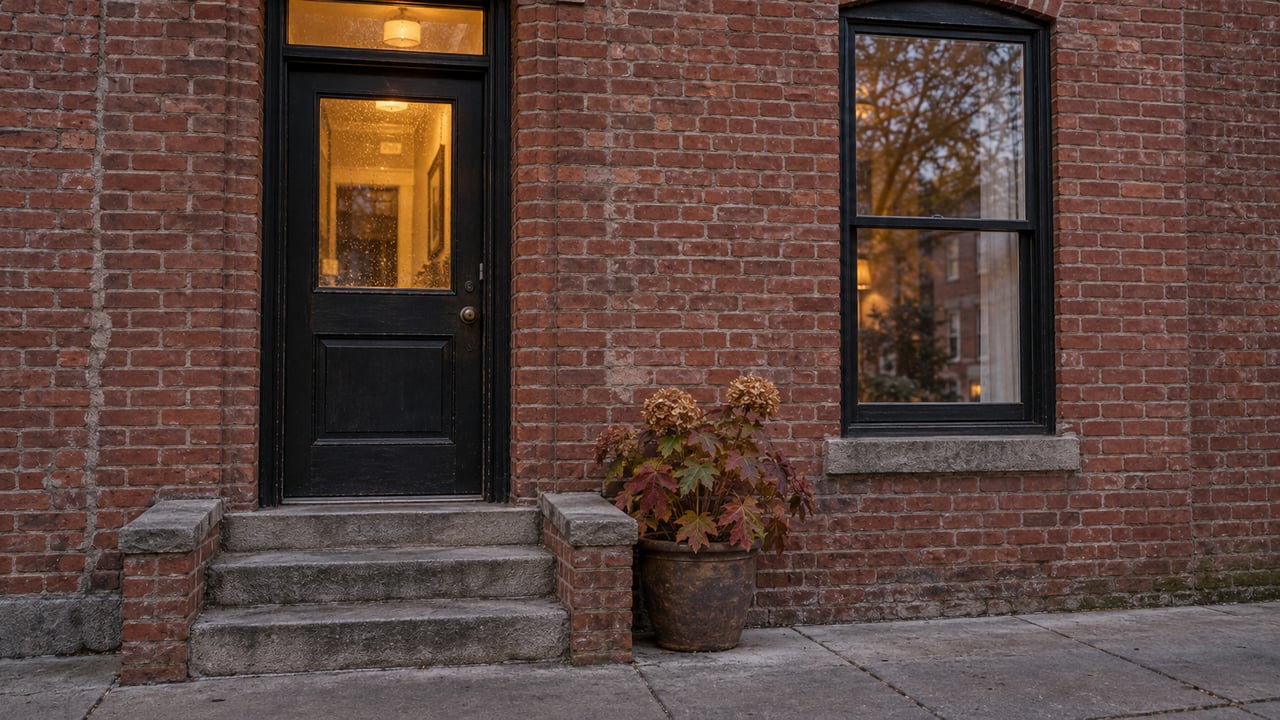
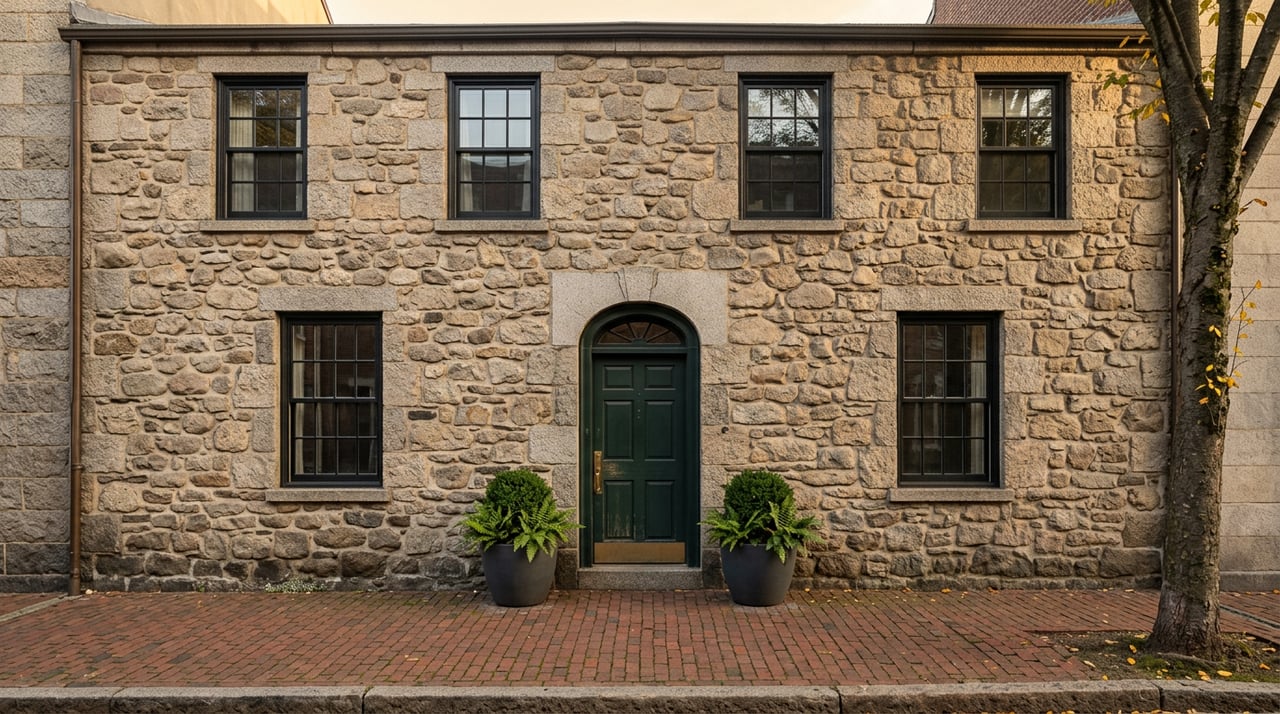
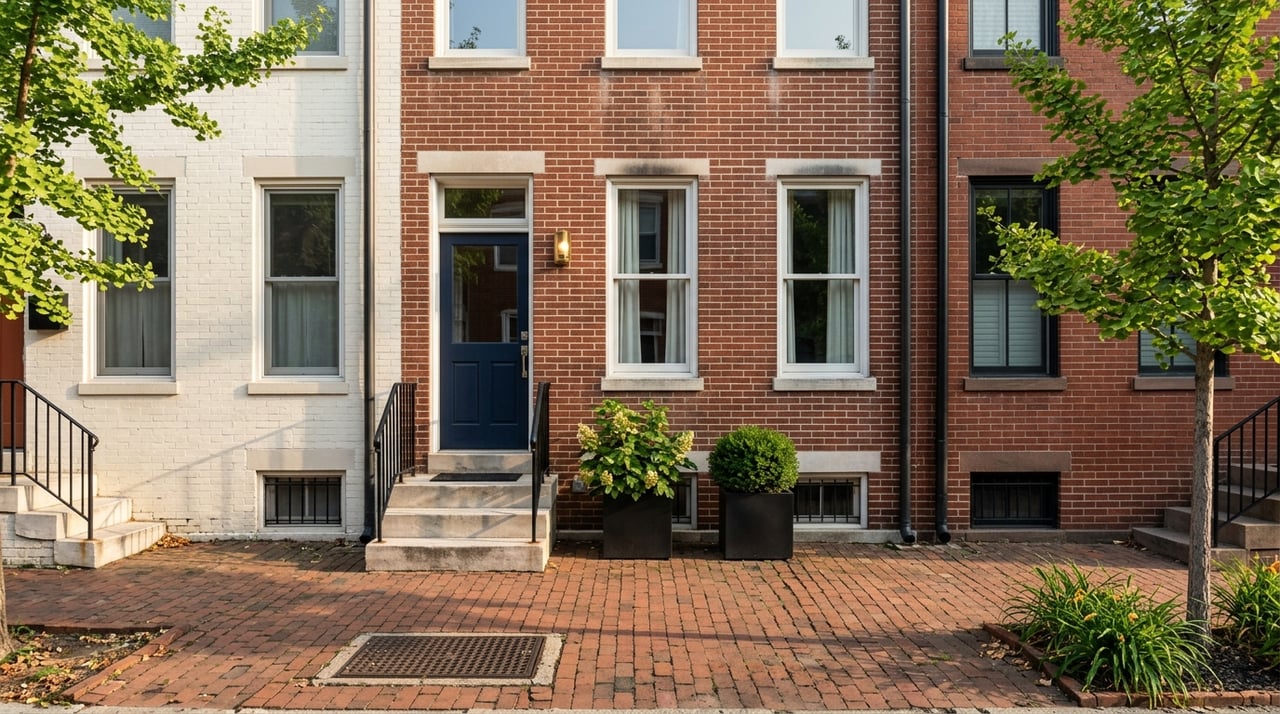
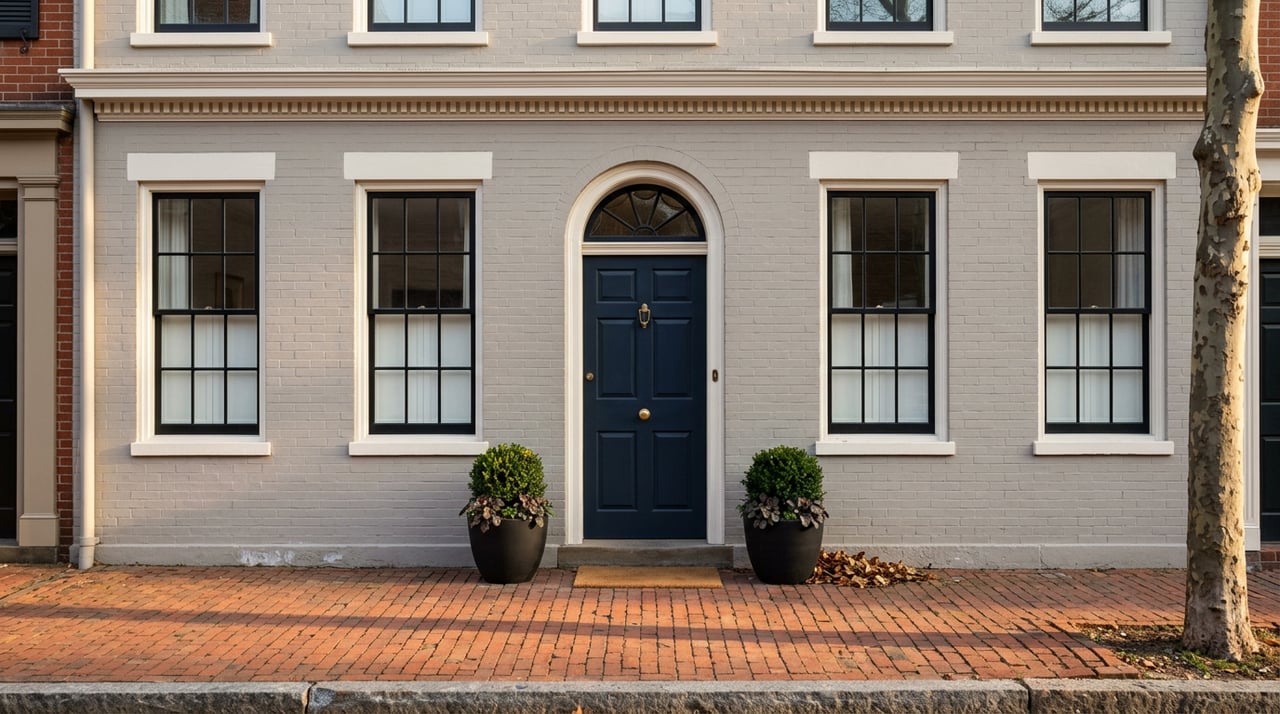
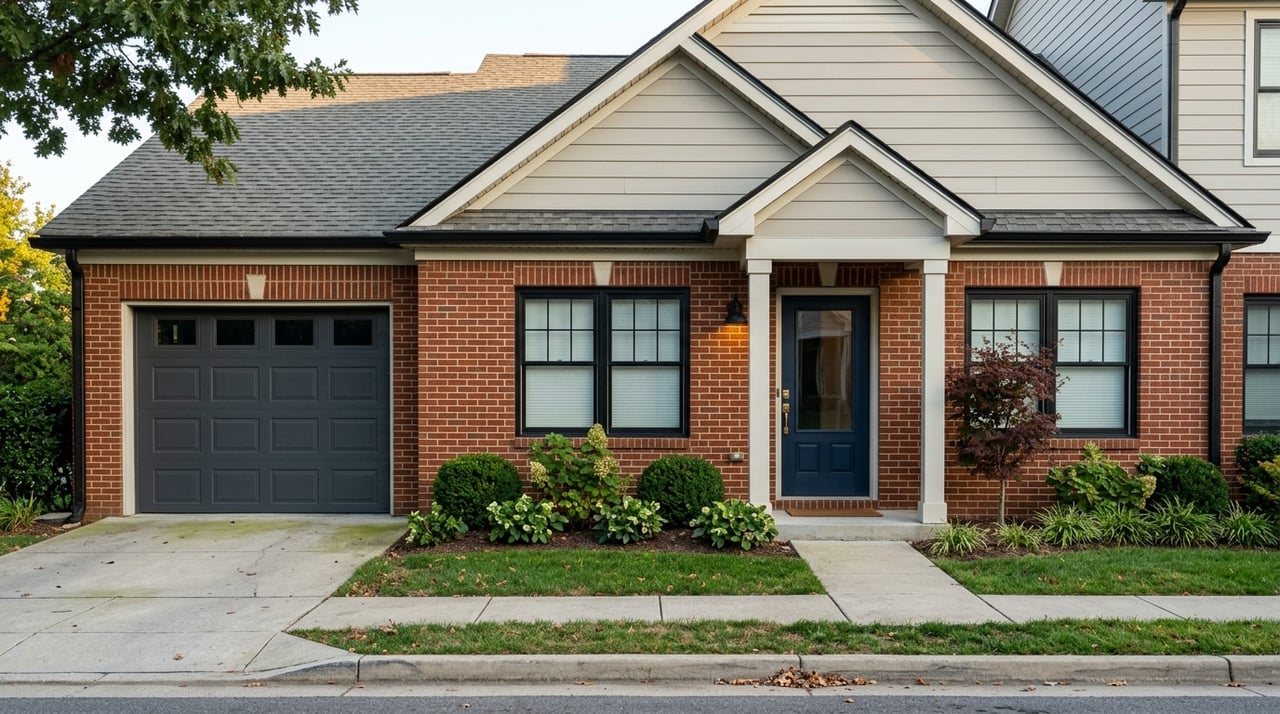
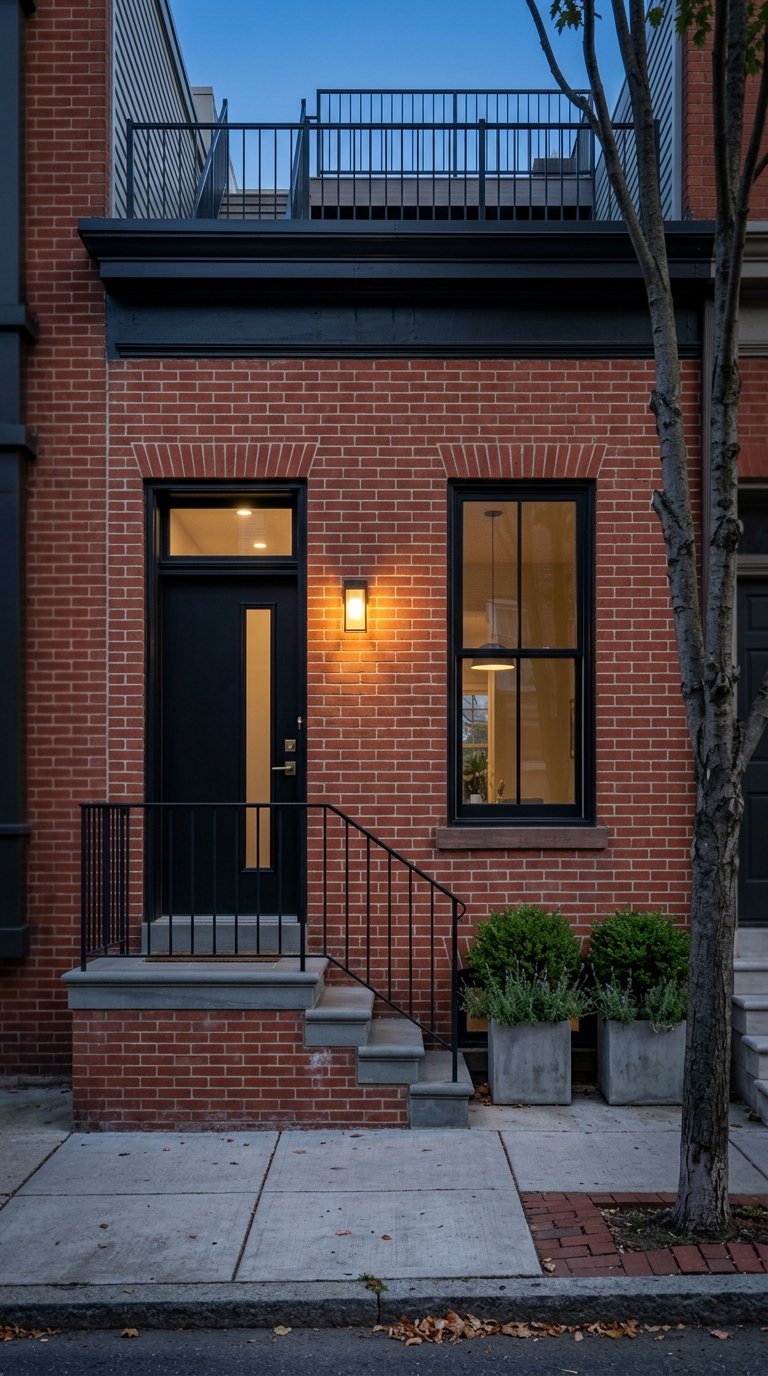
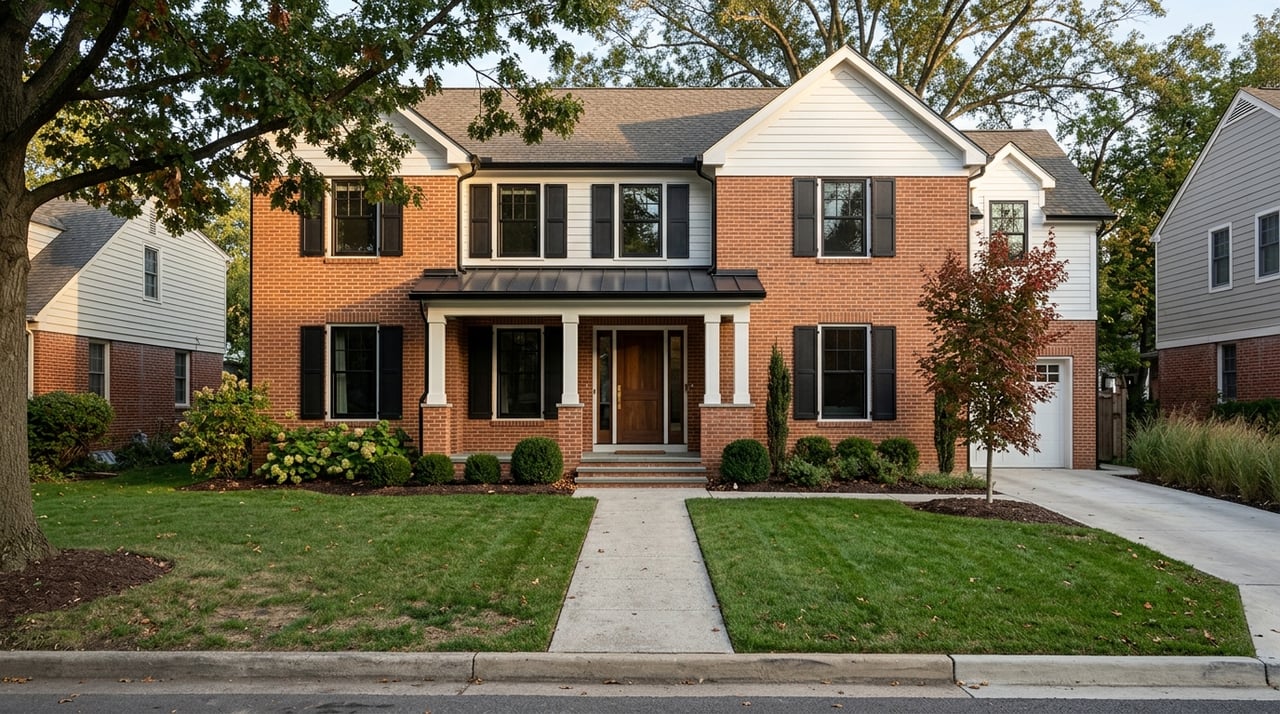
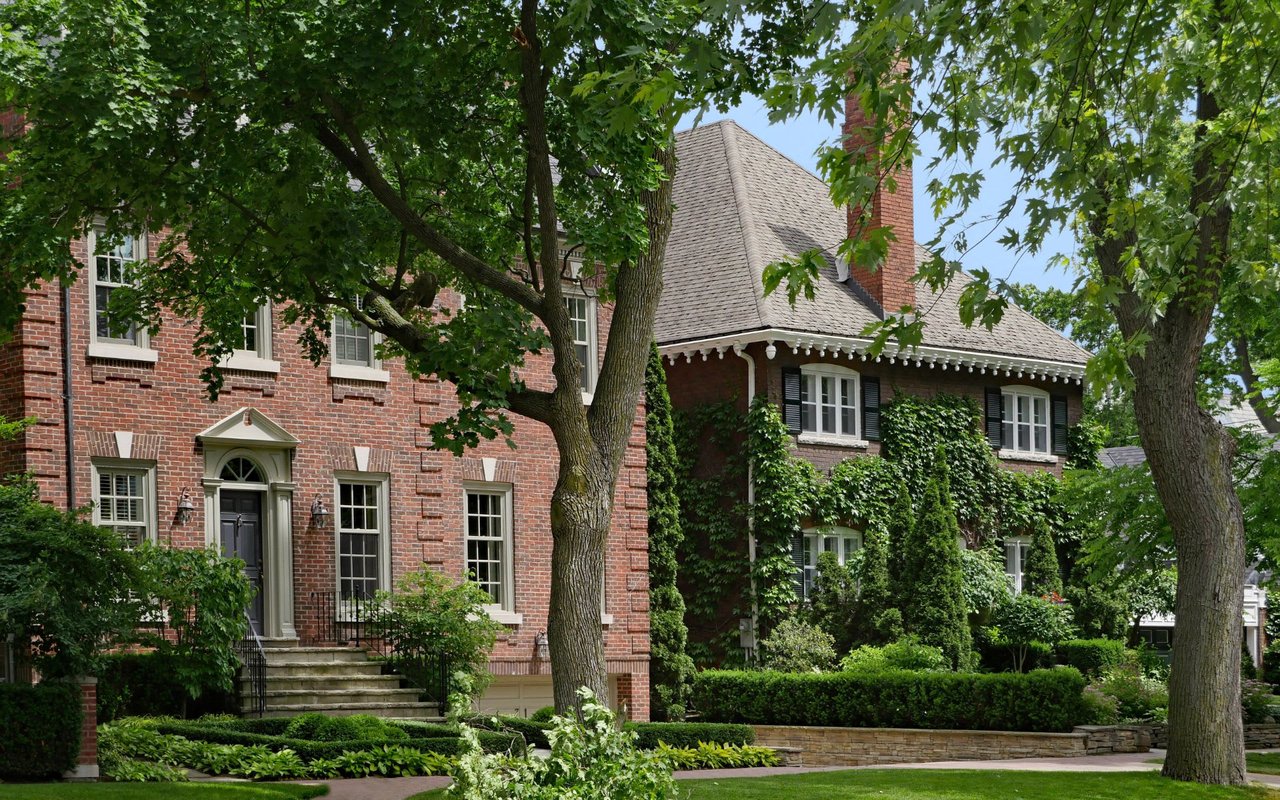
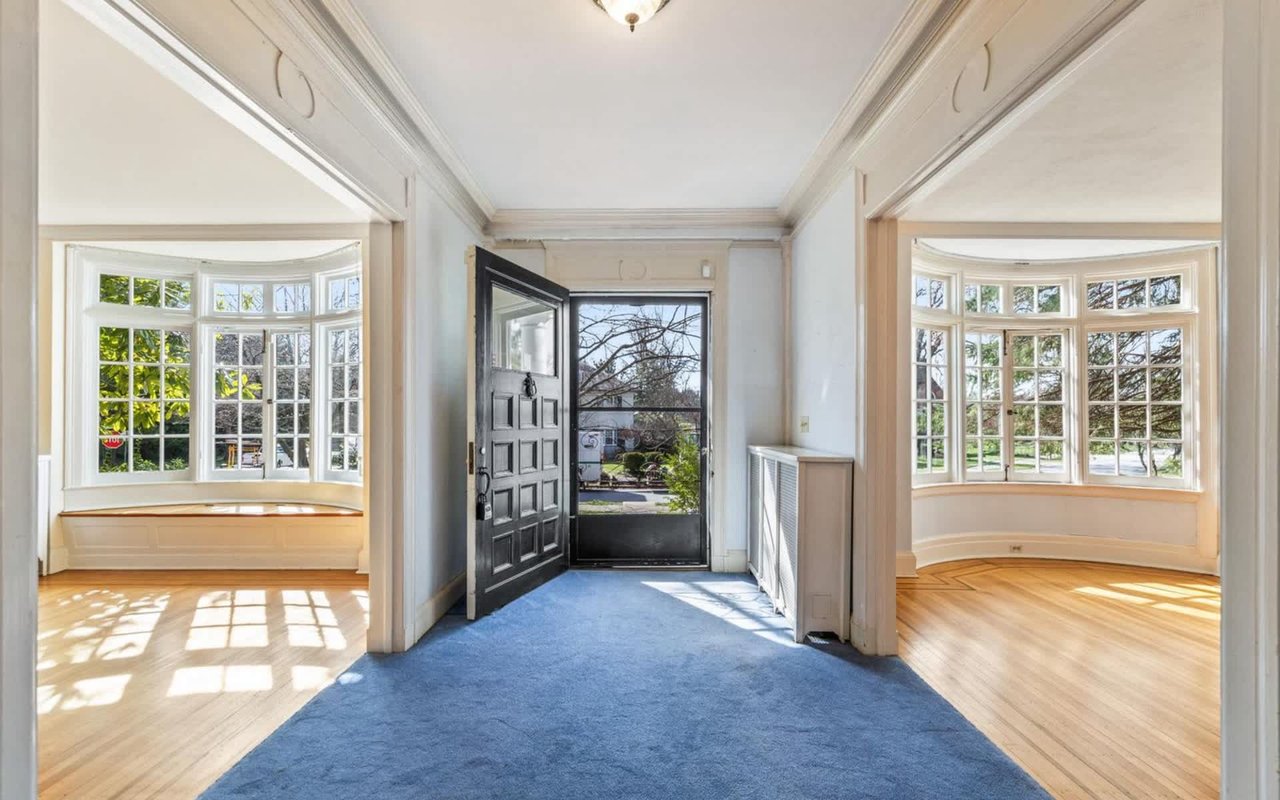
Baltimore's streetscapes are distinctive, and a home that presents well from the sidewalk gets buyers inside in the right frame of mind. Curb appeal improvements don't require a landscaping budget; they require attention.
Quick Curb Appeal Moves That Make a Difference
-
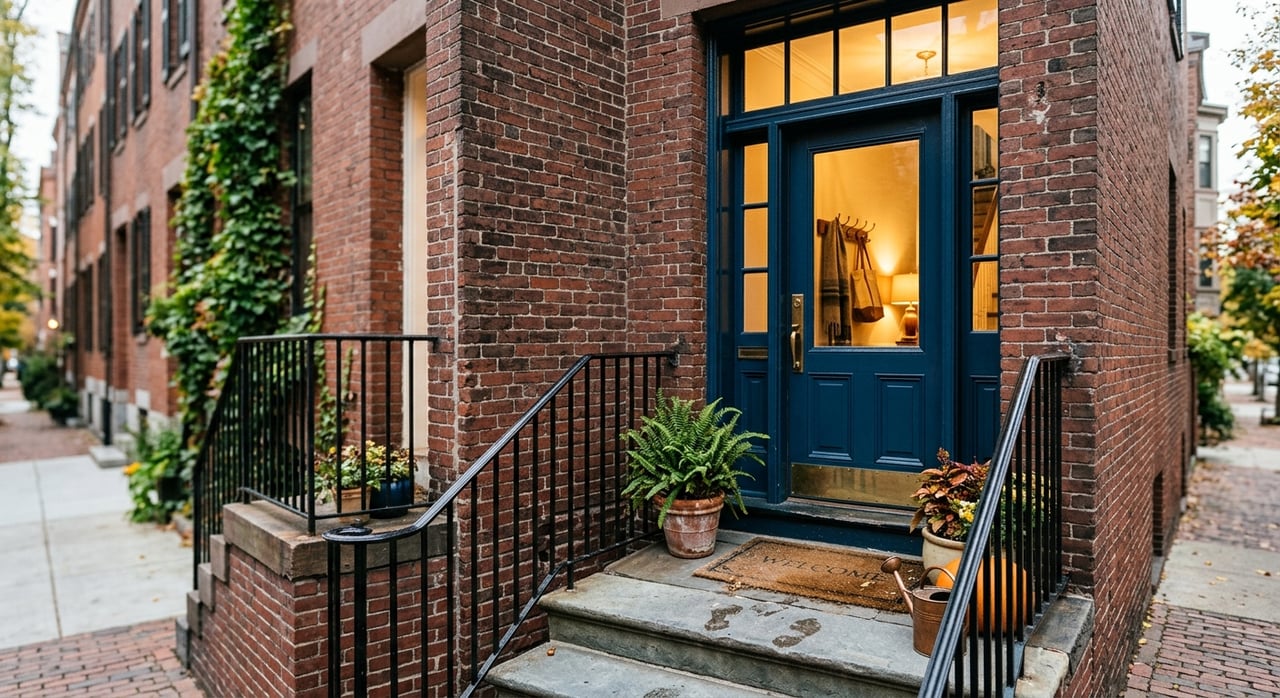
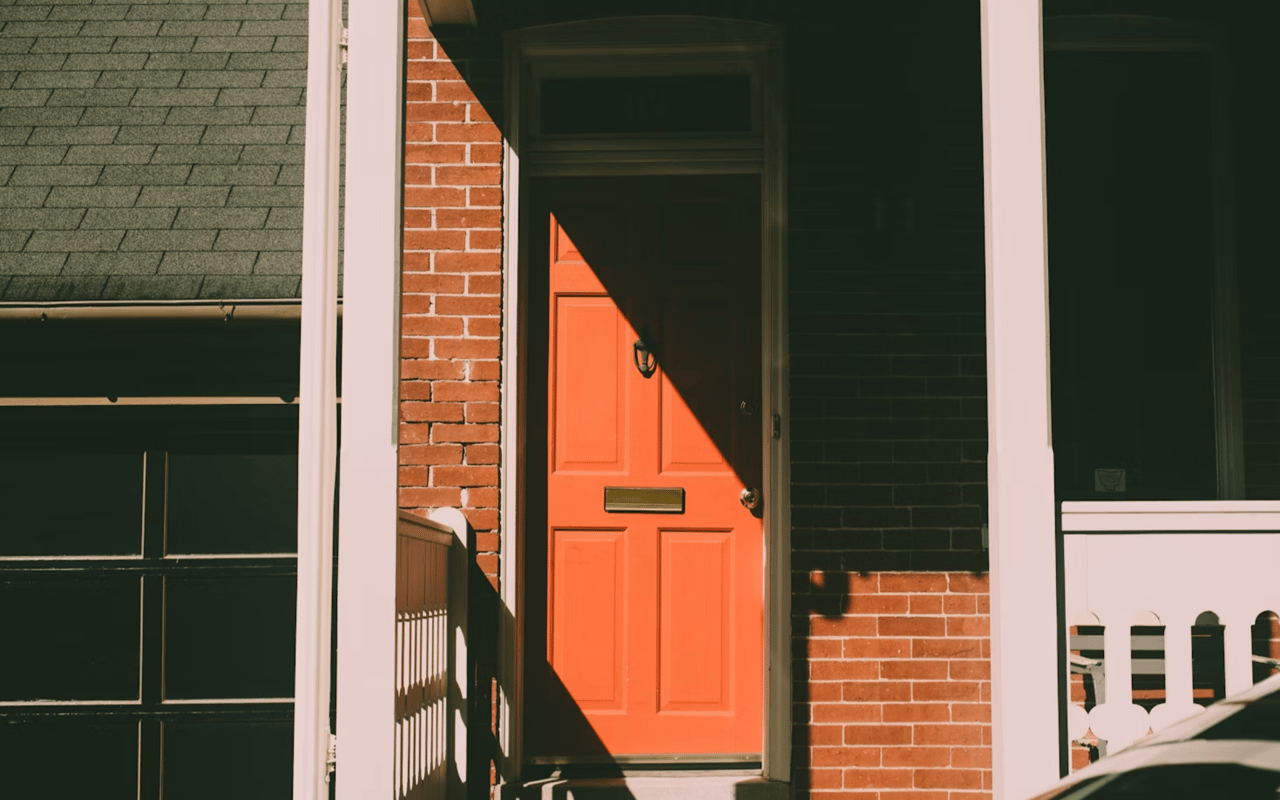
Paint or replace the front door: one of the highest-ROI single updates a seller can make; color matters, and a fresh coat on a front door in a neighborhood-appropriate shade signals care throughout
-
Power wash the exterior, steps, and walkway: especially relevant for brick rowhouses and stoops, which show grime and moss visibly
-
Clean up the front yard and any fencing: edged beds, trimmed shrubs, and a cleared front area change first impressions immediately
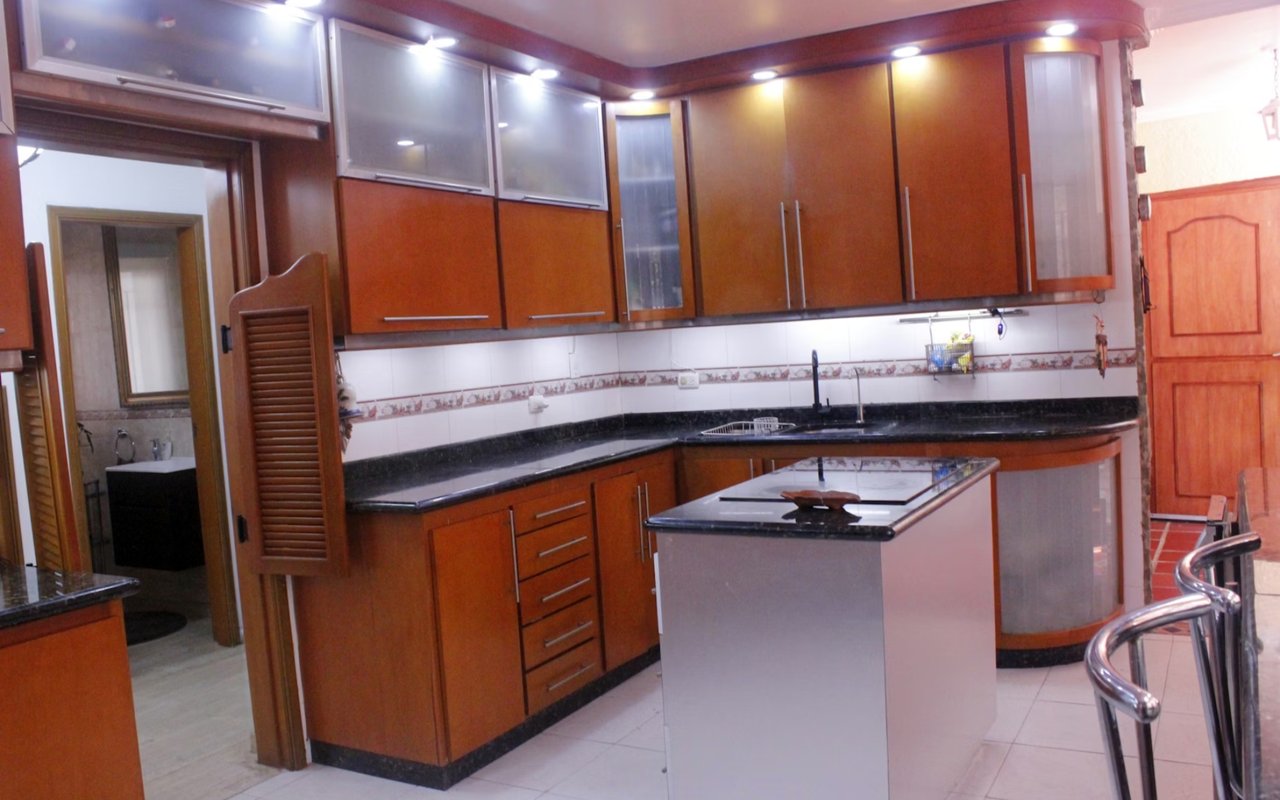
4. Make Targeted Kitchen Updates
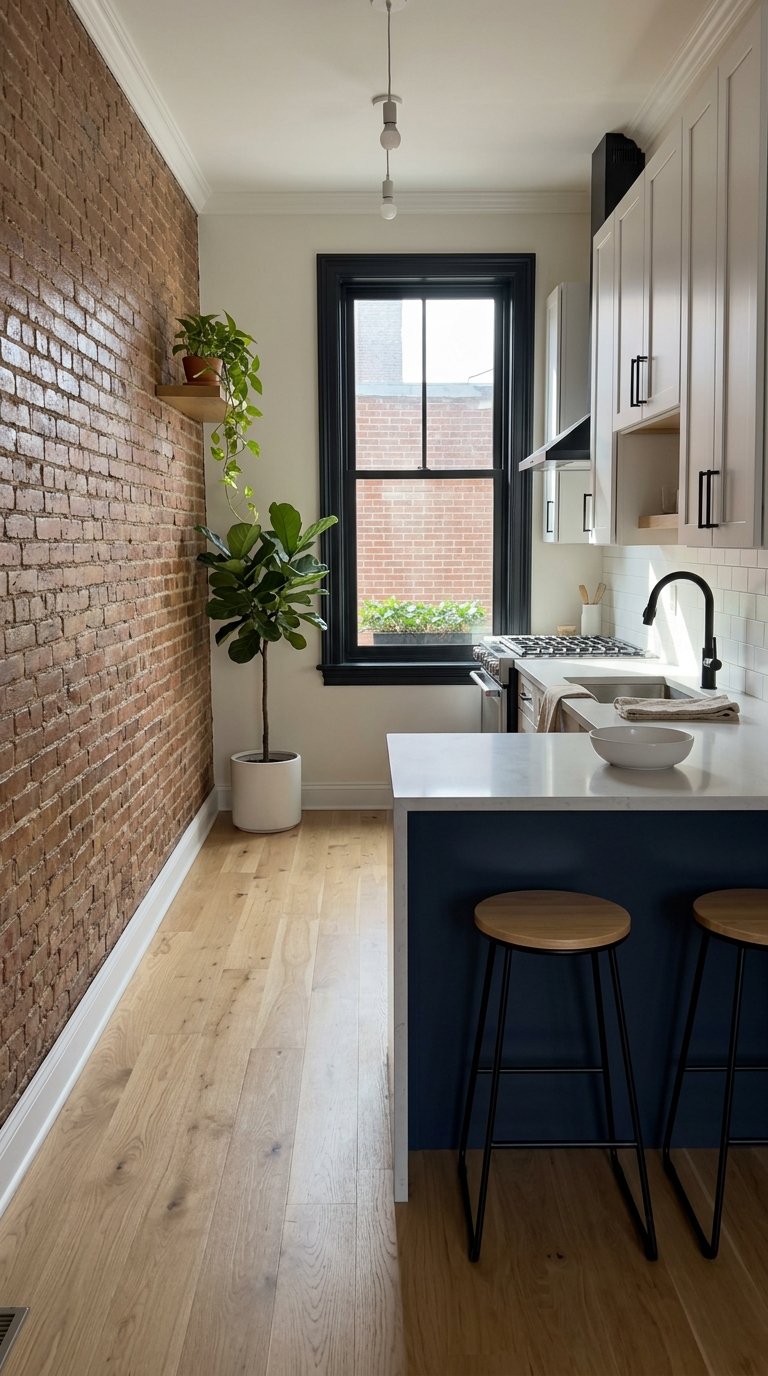
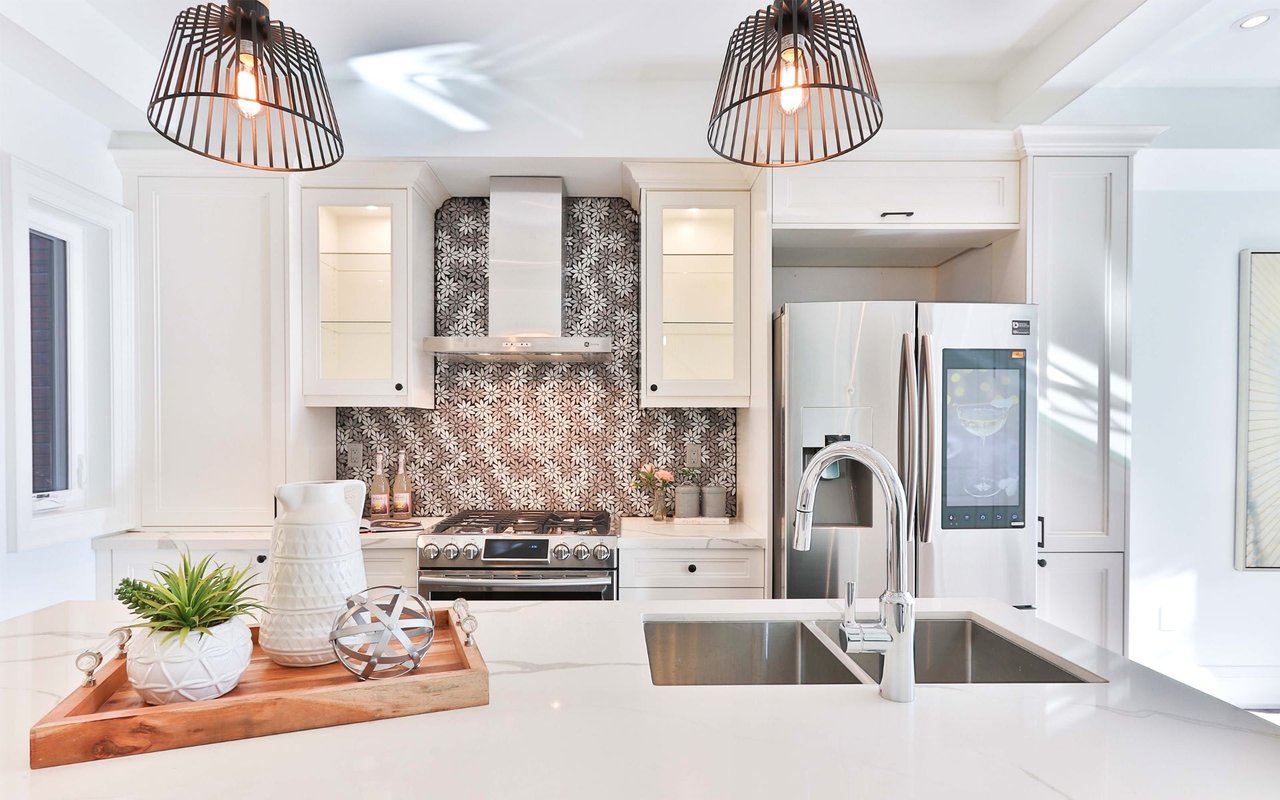
A full kitchen renovation rarely pencils out for a seller, but strategic updates to an outdated kitchen can shift how buyers perceive the entire home.
Updates With the Best Return
-
Cabinet hardware: new pulls and handles are inexpensive and make dated cabinets read as fresher
-
Faucet replacement: a modern faucet is a visible upgrade that buyers notice in photos and in person
-
Countertop assessment: if counters are damaged, replacing with a mid-range material is worth considering; if they're simply dated but functional, a thorough cleaning and staging around them often suffices
5. Freshen Bathrooms Without a Full Remodel
Bathrooms are the second area buyers scrutinize most closely. In Baltimore's older homes, bathrooms often have original tile or fixtures that can't be cost-effectively replaced, but they can be presented well.
Bathroom Updates That Shift Perception
-
Recaulk tubs, showers, and sinks: fresh caulk removes the single most common visual signal of neglect in a bathroom
-
Replace toilet seats, towel bars, and light fixtures: inexpensive swaps that modernize the room without touching tile or plumbing
-
Improve lighting: a brighter bathroom reads as cleaner and larger; updating a builder-grade fixture is often a one-afternoon project
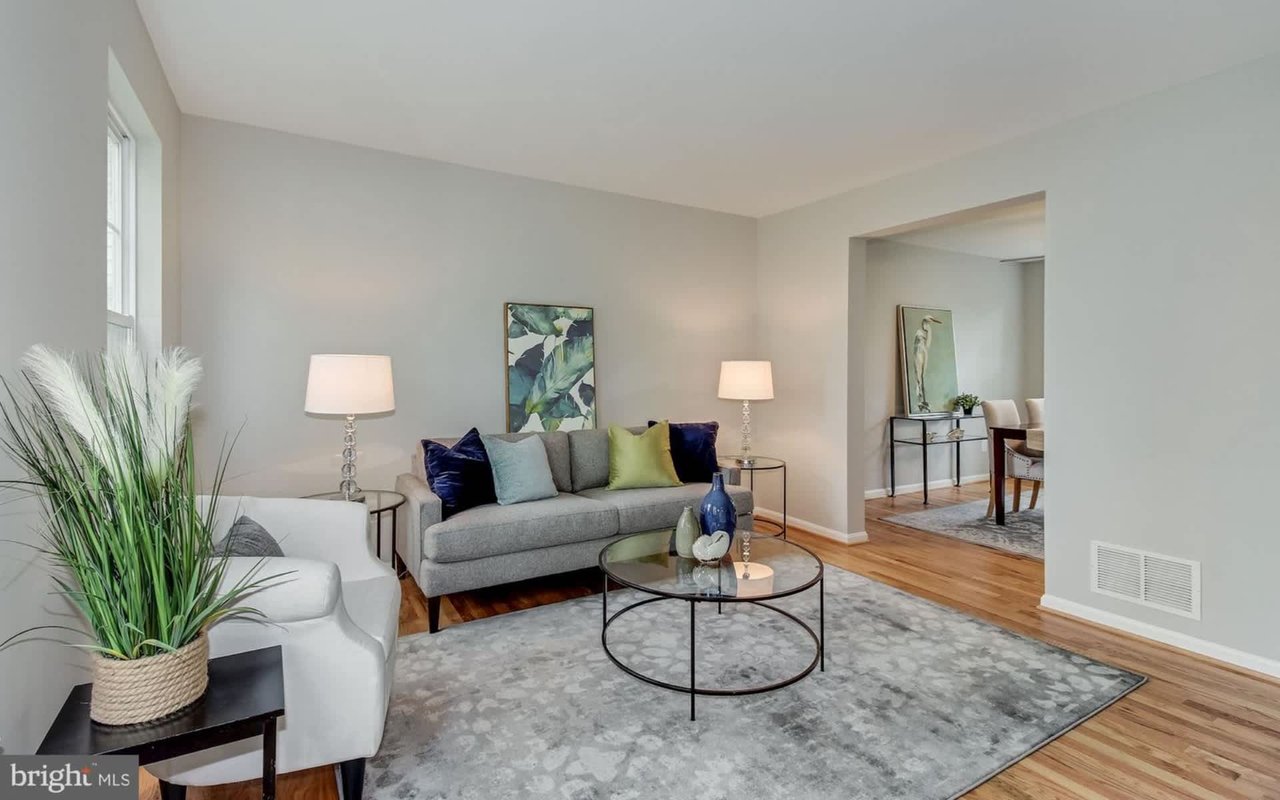
6. Paint in Neutral Tones Throughout
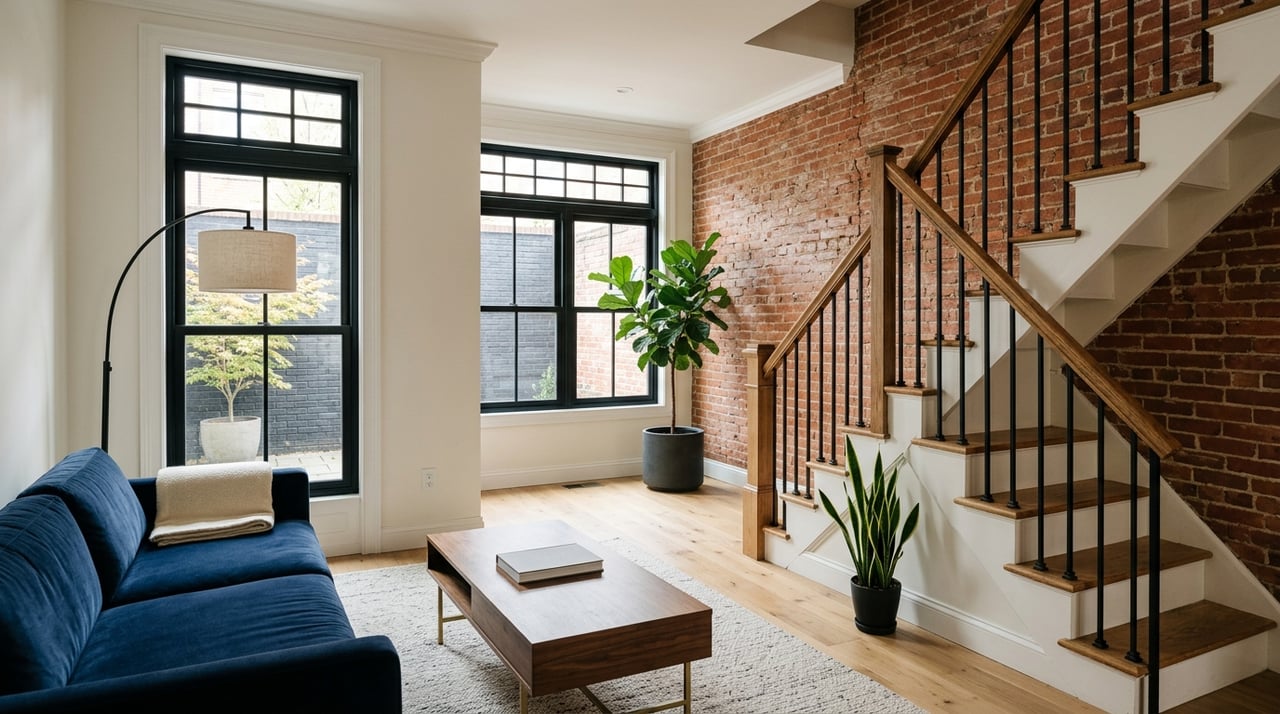
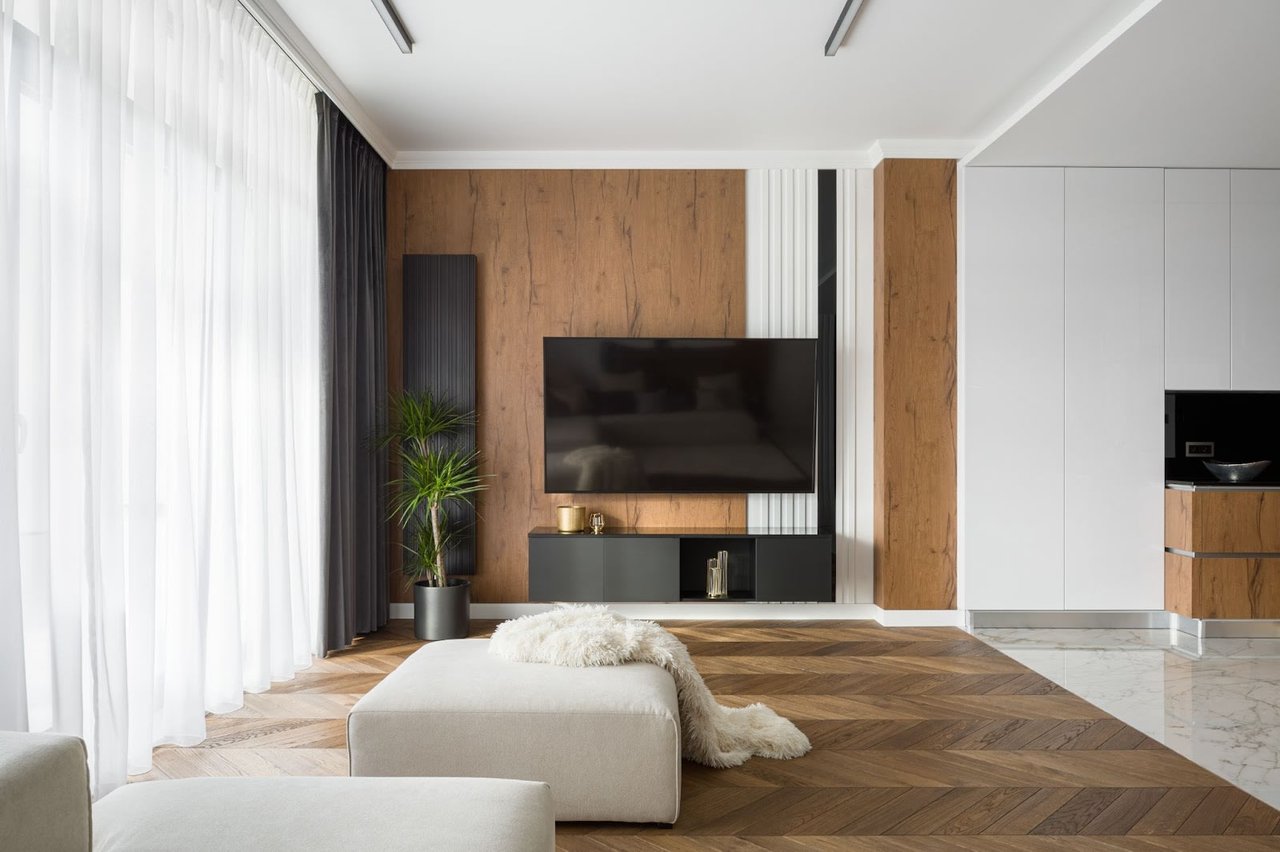
Fresh paint is the most reliable way to reset a home's interior. Buyers can project their own vision onto a neutral space in a way they simply can't with bold or personal color choices.
Colors and Approach That Consistently Work
-
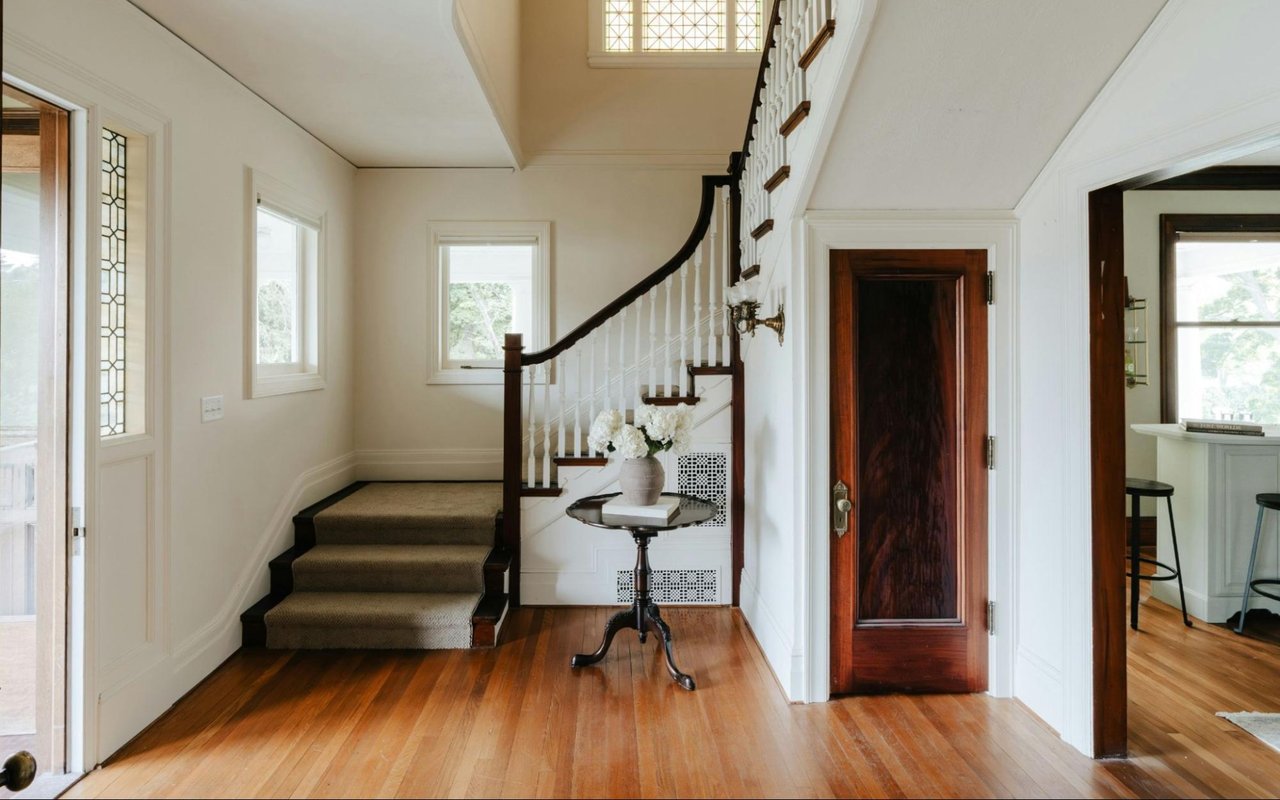
Warm whites and soft greiges: the most versatile choices across Baltimore's older housing stock, complementing original woodwork and hardwood floors without competing with them
-
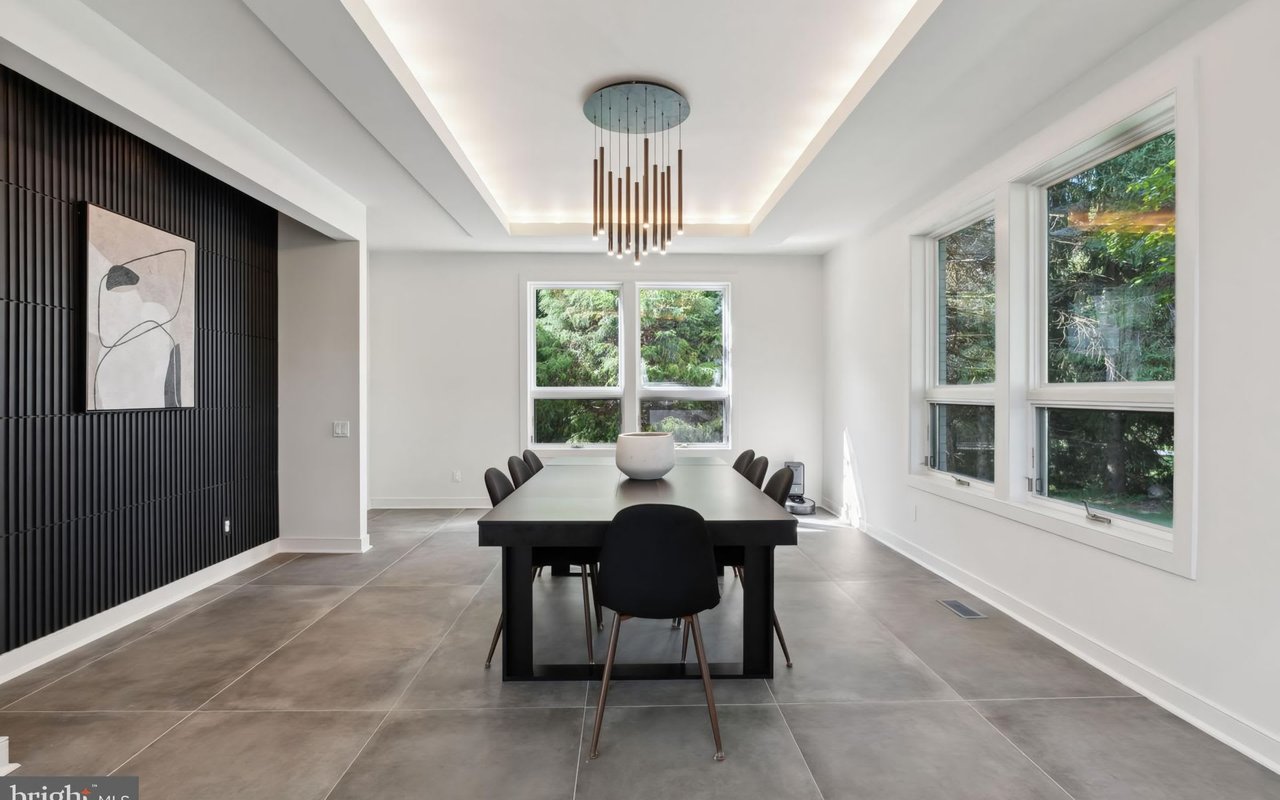
Light grays: a reliable neutral in contemporary and transitional interiors, particularly in kitchens and bathrooms where a clean, modern feel reads well in photos
-
Consistent palette throughout: carrying one or two tones across all main living areas reads as intentional and well-maintained rather than piecemeal; avoid switching color families room to room
-
Ceilings and trim matter too: freshening ceiling white and trim paint alongside walls completes the reset and is often what separates a professional-looking result from a DIY one
7. Stage Key Rooms for Photos and Showings
Most Baltimore buyers begin their search online, which means your listing photos are your first showing. Rooms that are properly staged photograph dramatically better than rooms that are simply lived-in, and the gap in buyer interest between a well-staged listing and an unstaged one is measurable in days on market.
How I Approach Staging With My Sellers
-
Prioritize three rooms: living room, primary bedroom, and kitchen, where buyers form their strongest impressions; I focus staging effort here before anywhere else
-
Furniture arrangement: pieces should be positioned to show the scale of the room, not reflect how you actually live in it; oversized or excess furniture typically comes out
-
Surfaces cleared: counters, nightstands, and shelving should hold only what adds to the room; personal items, paperwork, and collections come down before the photo appointment
-
Lighting optimized: every light source on, natural light maximized, and bulb color temperatures matched; dark or mixed-light rooms photograph poorly, regardless of how great the space is
Frequently Asked Questions
How much should I budget for pre-sale improvements in Baltimore?
It depends on the condition of the home and the price point you're targeting, but most of the improvements on this list are achievable for well under $5,000 in total. The highest-return items (cleaning, decluttering, paint, and deferred maintenance) are labor-intensive but not capital-intensive. I walk through every home I list before recommending a specific prep budget.
Do I need to renovate my kitchen or bathroom to be competitive in the Baltimore market?
In most price ranges, no. A clean, well-maintained kitchen and bathroom outperforms a partially renovated one that still has mismatched finishes or incomplete work. The goal is coherence and condition, not newness.
How do I know which improvements are worth making for my specific neighborhood?
This is exactly the conversation I have with every seller before they spend a dollar. What moves the needle in Federal Hill is different from what matters in Hampden or Guilford. Reach out and I'll give you a specific read on your home and your neighborhood.
Contact William Weeks Today
Selling a home in Baltimore takes preparation, pricing, and a clear strategy — and it starts before the sign goes in the yard. If you're thinking about selling and want to know where to focus your energy first, reach out to me, William Weeks, and let's walk through it together.