By William Weeks
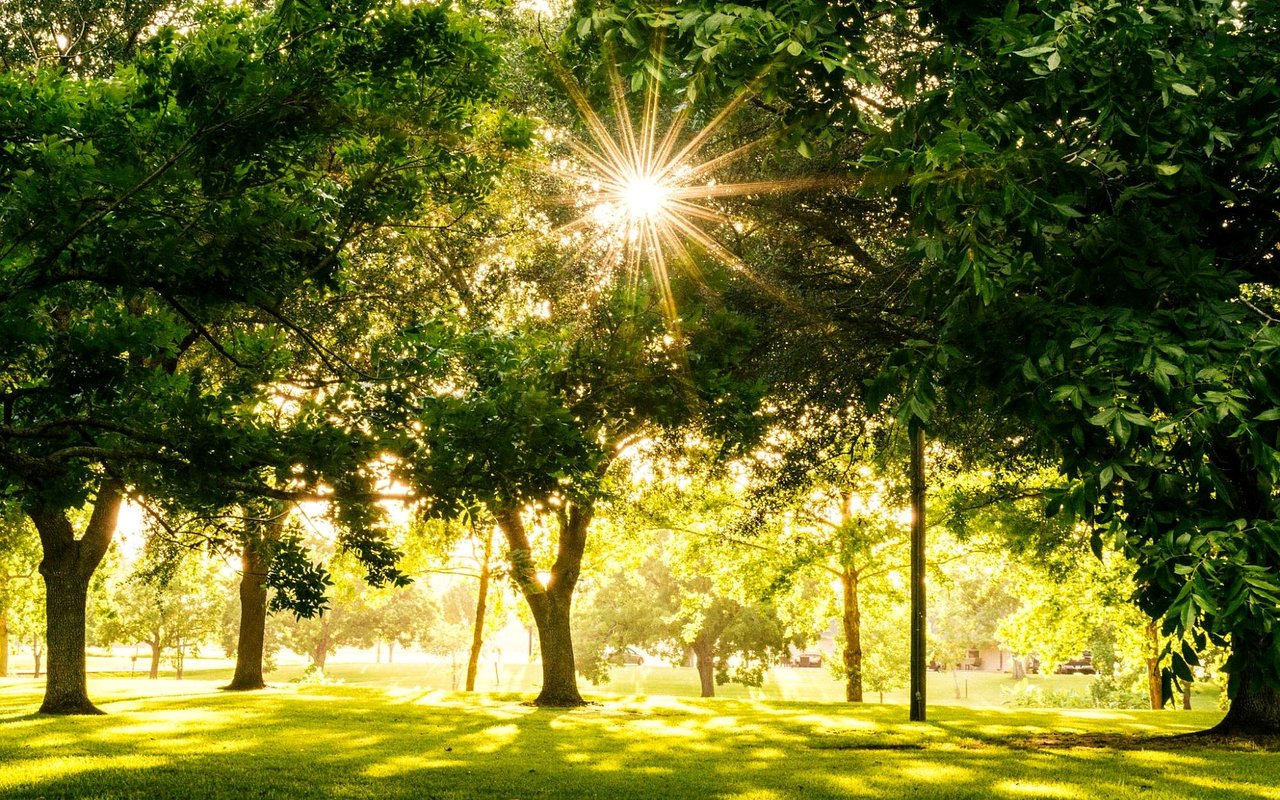
Baltimore tends to surprise people who assume a mid-Atlantic city this size doesn't have much to offer outdoors. Nearly 4,600 acres of parkland, over 25 miles of waterfront, and a trail network that cuts through stream valleys and urban neighborhoods tell a different story. I work with buyers and sellers all across the city, and one of the things I hear most from people relocating here is that the outdoor access is better than they expected. Here's where I'd point anyone who wants to find out for themselves.
Key Takeaways
-
The Baltimore Waterfront Promenade runs nearly 7 miles from Locust Point to Fell's Point and connects several of the city's most walkable neighborhoods
-
Gwynns Falls/Leakin Park is one of the largest urban woodland areas on the East Coast, with miles of trails through forest and stream valleys
-
The Jones Falls Trail links the Inner Harbor to the northern reaches of the city through 10-plus miles of wooded corridor
-
Druid Hill Park, Federal Hill, and Patterson Park each offer distinct outdoor experiences within a short drive of most Baltimore neighborhoods
On the Water
Baltimore's relationship with the Patapsco River and the Inner Harbor isn't just historical; it's active and accessible. The Baltimore Blueway is a network of water trails and public access points for non-motorized watercraft connecting cultural and natural sights within a three-mile waterfront radius.
Water Activities Worth Knowing
-
Kayaking and paddling: the Baltimore City Department of Recreation and Parks organizes group paddles launching from the Baltimore Rowing Center at Middle Branch Park; the 2.5-mile Middle Branch loop is beginner-friendly and good for birdwatching, with osprey, egrets, herons, and bald eagles frequently spotted
-
Baltimore Waterfront Promenade: the nearly 7-mile paved path from Locust Point to Fell's Point is one of the best ways to move through the city on foot or by bike, with harbor views and neighborhood character the whole way
-
Canton Waterfront Park: an 8-acre park along the harbor with a waterfront promenade, fishing pier, and green space; a regular venue for outdoor events, including the WTMD First Thursday concerts
-
Fort McHenry: the 0.9-mile paved walkway around the fort gives you harbor views and a history lesson simultaneously; the surrounding grounds are free to explore
Parks and Trails
Baltimore's park system runs deeper than most residents realize, and the trail corridors connecting them make it possible to cover significant ground without ever leaving a green canopy.
The Parks and Trails I Point People To
-
Gwynns Falls/Leakin Park: at 1,200-plus acres, this is one of the largest urban woodland areas on the East Coast; the Gwynns Falls Trail extends 22 miles through parks, neighborhoods, and historic sites across the city; the Carrie Murray Nature Center inside the park offers programming around native species and habitats
-
Jones Falls Trail: a 10-plus mile trail following the Jones Falls waterway from the Inner Harbor north through Druid Hill Park and Cylburn Arboretum; wooded enough that it genuinely doesn't feel like a city trail for much of its length
-
Druid Hill Park: the third largest established urban park in the country, home to the Maryland Zoo, the Rawlings Conservatory and Botanic Gardens, and a popular 1.5-mile loop around the reservoir that draws walkers, runners, and cyclists daily
-
Patterson Park: on Baltimore's east side in Highlandtown, with a historic pagoda, tennis courts, a dog park, and a mix of pathways that make it a neighborhood anchor for several of the city's most sought-after residential corridors
-
Federal Hill Park: just south of the Inner Harbor, with the best elevated view of Baltimore's skyline; popular for picnics and a genuine local favorite for anyone who wants a quick outdoor reset close to downtown
Beyond the City Limits
When buyers ask me about weekend options, I always mention what's reachable within 30 minutes of most neighborhoods.
Day Trips Worth Having in Your Back Pocket
-
Loch Raven Reservoir: wooded trails around the reservoir that supplies Baltimore's drinking water; quiet, well-maintained, and a meaningful contrast to the city's urban trail network
-
Patapsco Valley State Park: 16,000 acres with hiking and biking trails along the river, historic ruins, and terrain that ranges from easy to genuinely challenging
-
Gunpowder Falls State Park: diverse trail options through woodland and along the river, popular with hikers, mountain bikers, and fly fishers
Frequently Asked Questions
What's the best outdoor area for someone new to Baltimore who wants to understand the city's neighborhoods?
I'd start with the Baltimore Waterfront Promenade. Walking from Locust Point through the Inner Harbor and out to Fell's Point gives you a ground-level read on how the city's waterfront neighborhoods connect, and it's hard to do that walk without developing an opinion about where you'd want to live.
Are Baltimore's parks and trails well-maintained year-round?
Most of the major parks and paved trails are accessible in all four seasons. The Jones Falls Trail and Gwynns Falls Trail are particularly well-used in spring and fall. Some of the natural surface trails in Leakin Park can be muddy after significant rain, so trail conditions are worth checking before heading out.
How does proximity to parks and outdoor amenities affect home values in Baltimore?
Meaningfully. Neighborhoods adjacent to Patterson Park, Federal Hill, Canton Waterfront, and the Druid Hill corridor consistently attract strong buyer interest, and properties close to these amenities tend to hold value well. If outdoor access is a priority for you, I can help you map out which neighborhoods give you the best combination of green space and the other things you're looking for.
Contact William Weeks Today
Baltimore rewards the people who take the time to explore it on foot, on a bike, or on the water — and the same is true of its real estate market. Whether you're looking to buy in a neighborhood with easy trail access or you're thinking about what your current home's location is worth to the right buyer, I'd love to help you think it through. Reach out to me, William Weeks, and let's start the conversation.