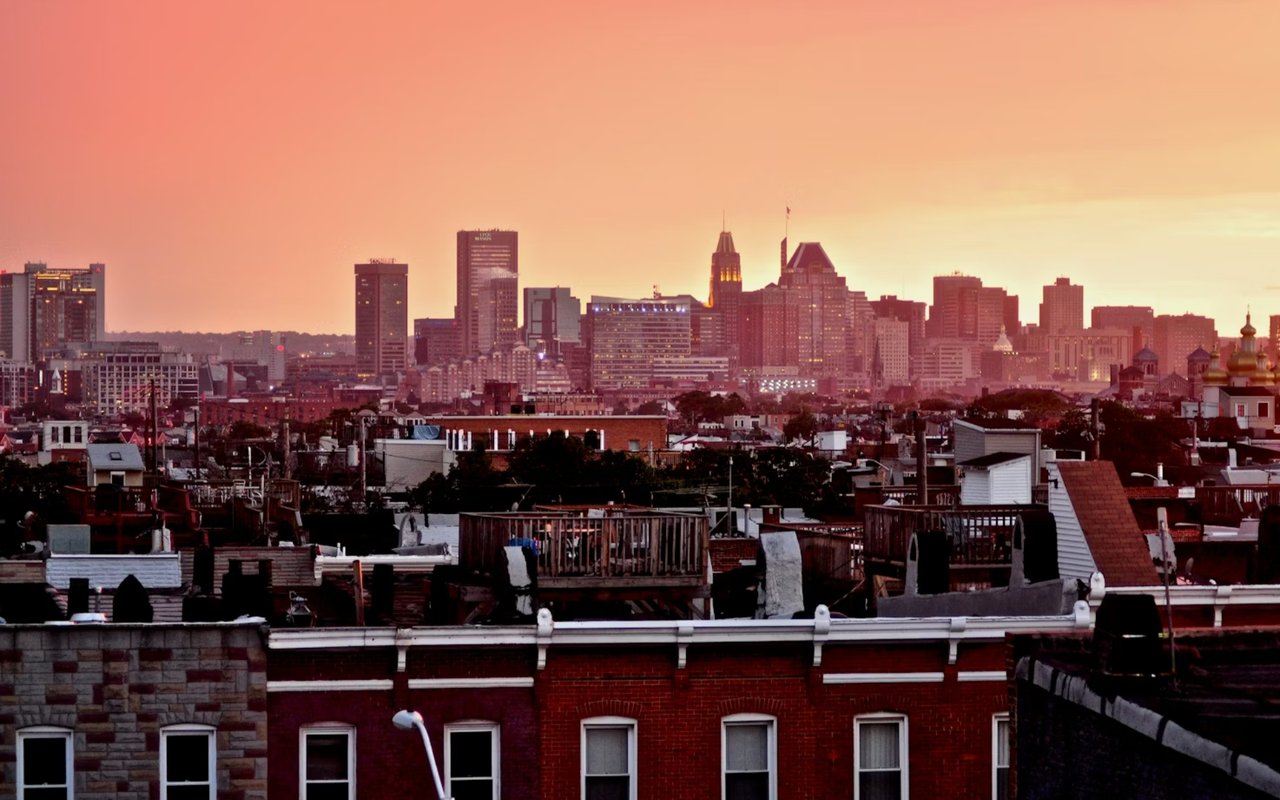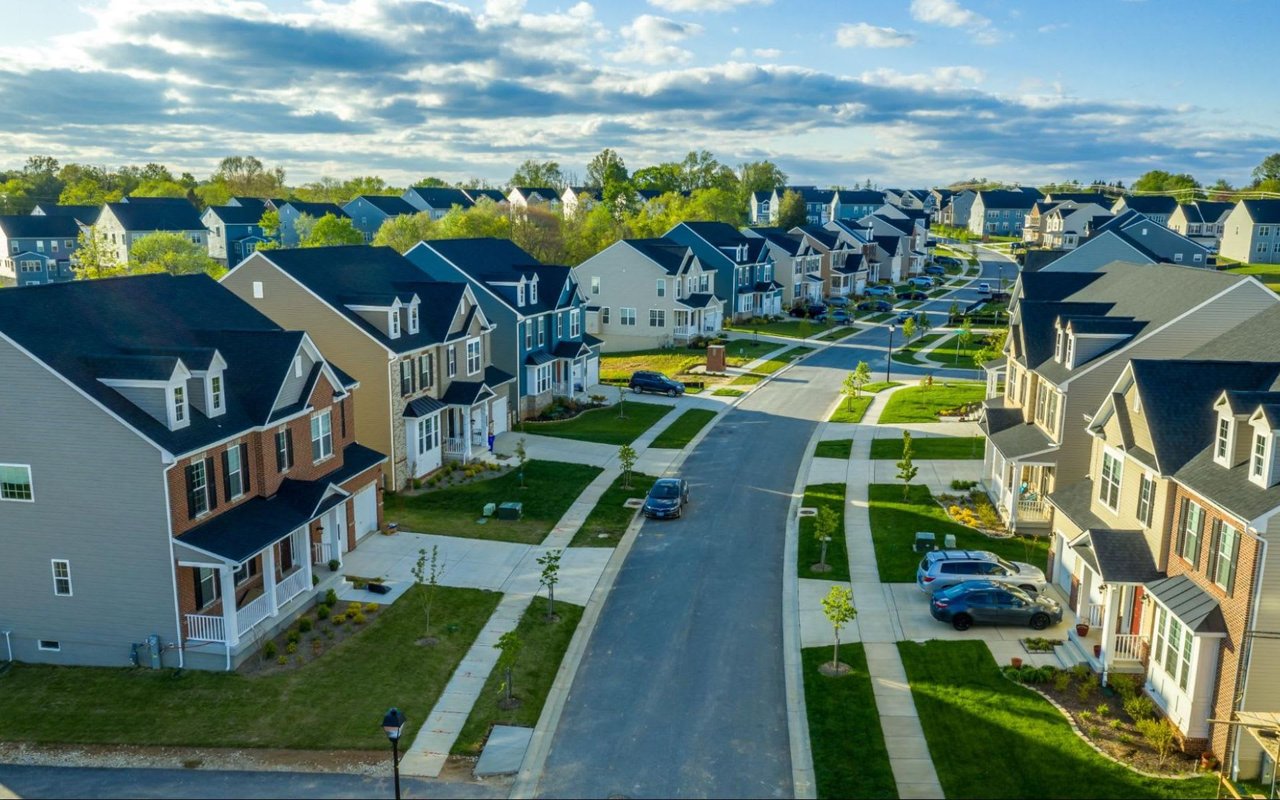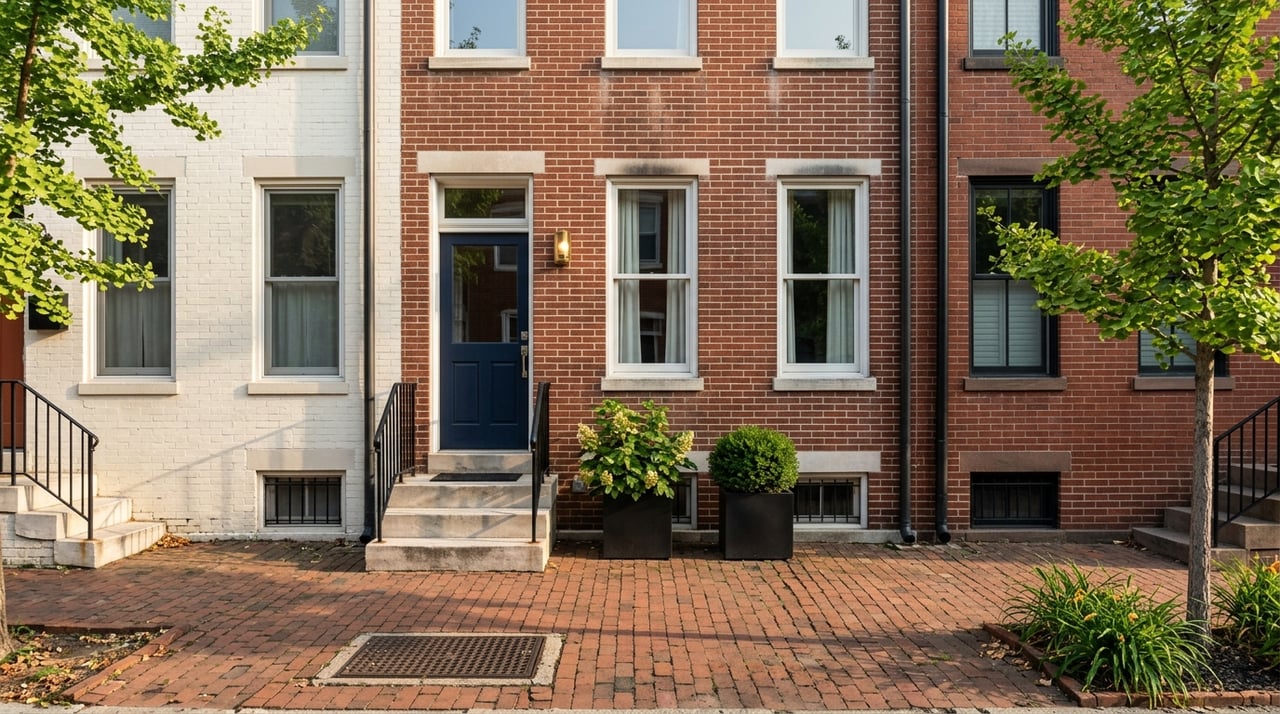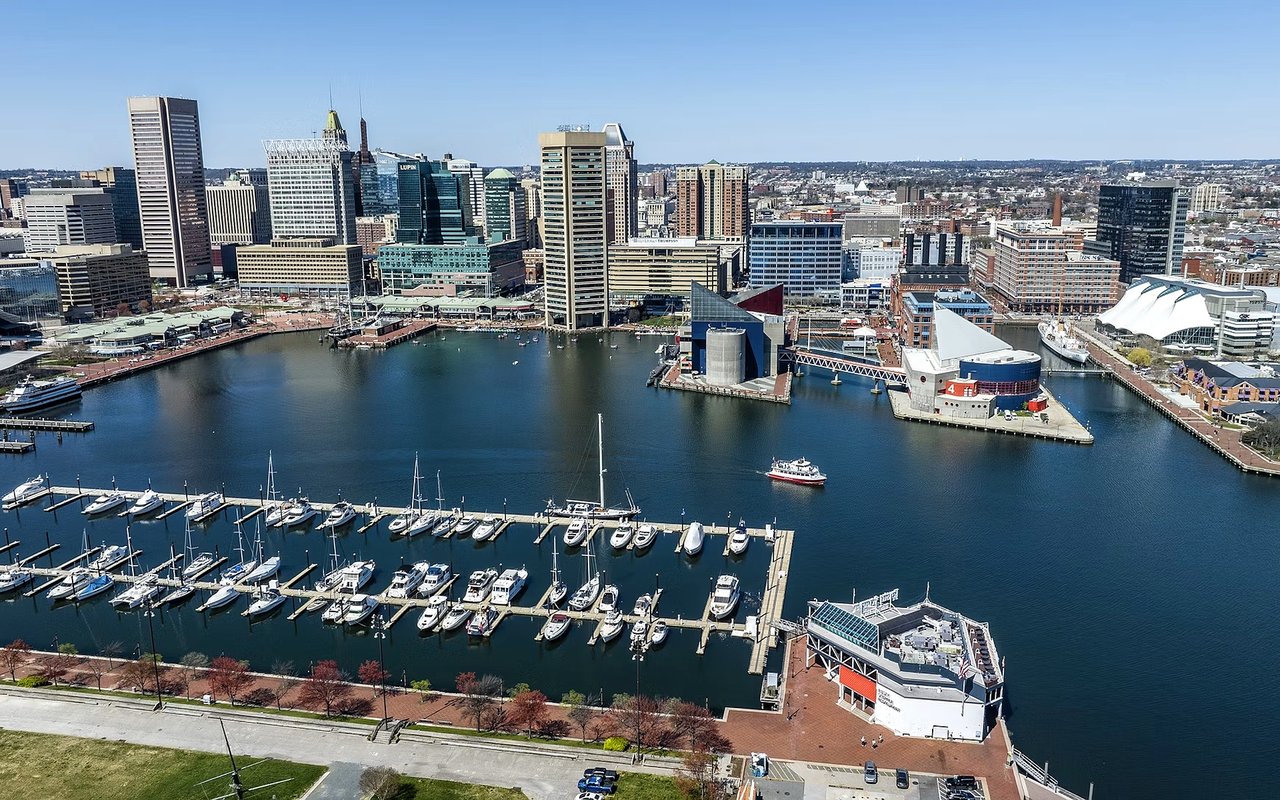
Redfin's tracker for Mount Washington shows an average house price of $650,000, up 136 percent from a year earlier. Movoto's July 2026 snapshot puts the median list price at $512,000, down 29 percent over the same stretch. Niche lists the median home value at $448,384. Three sites, three numbers, and a gap of more than $200,000 between the low end and the high end, all describing the same few blocks of northwest Baltimore in the same season.
If you're comparing Mount Washington to Canton or Federal Hill on a spreadsheet, this is the point where the spreadsheet stops helping you. The instinct is to average the averages or pick whichever number feels most credible. Neither move gets you closer to what a house here actually costs. The disagreement itself is the useful information, and it points to something specific about how this neighborhood is built and how slowly its housing stock turns over.
Same Neighborhood, Different Measurements
Part of the gap is definitional. Redfin's figure is an average sale price, which means it's pulled toward whatever sold, high or low, in the window it's measuring. Movoto's number is a median list price, which reflects what sellers are currently asking, not what buyers are paying. Niche's median value is closer to an assessed-value estimate across the whole neighborhood, occupied and for-sale alike. These aren't three attempts at the same measurement. They're three different measurements that happen to get reported the same way on a listing page.
That distinction matters more in Mount Washington than it would somewhere with a tighter, more uniform housing stock, because an average sale price is the most volatile of the three when only a handful of homes change hands in a given month. If one large, older estate on South Road sells alongside a couple of smaller mid-century houses, the average swings hard in one direction. A neighborhood with dozens of nearly identical rowhomes trading every month absorbs that kind of outlier easily. A neighborhood with a dozen or two closings a month does not.
Here's what makes this worth noticing: the days-on-market figures from these same sources don't disagree nearly as much. Redfin puts the average time to pending at 33.5 days, with its hottest listings moving in about 17 days at roughly 3 percent over asking. Movoto's July 2026 figure for days on market also comes in at 17 days. Two different sources, tracking two different price metrics that are $138,000 apart, land on nearly identical timing. That's a signal. Demand for Mount Washington is not the unstable part of this story. What's transacting from month to month is.
| Source | Metric | Figure | Window |
|---|---|---|---|
| Redfin | Average sale price | $650,000 (up 136% YoY) | most recent tracked month |
| Movoto | Median list price | $512,000 (down 29% YoY) | July 2026 |
| Niche | Median home value | $448,384 | current |
Why the Mix Swings This Hard
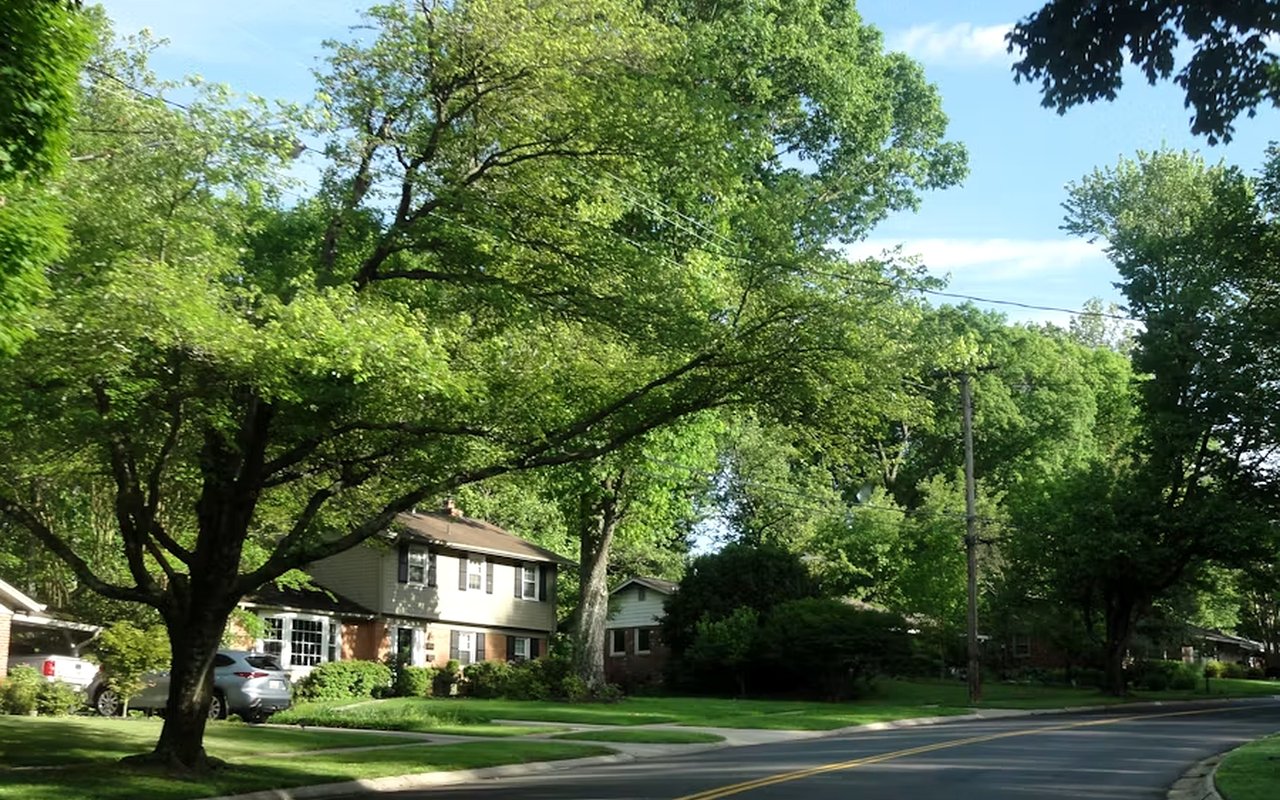
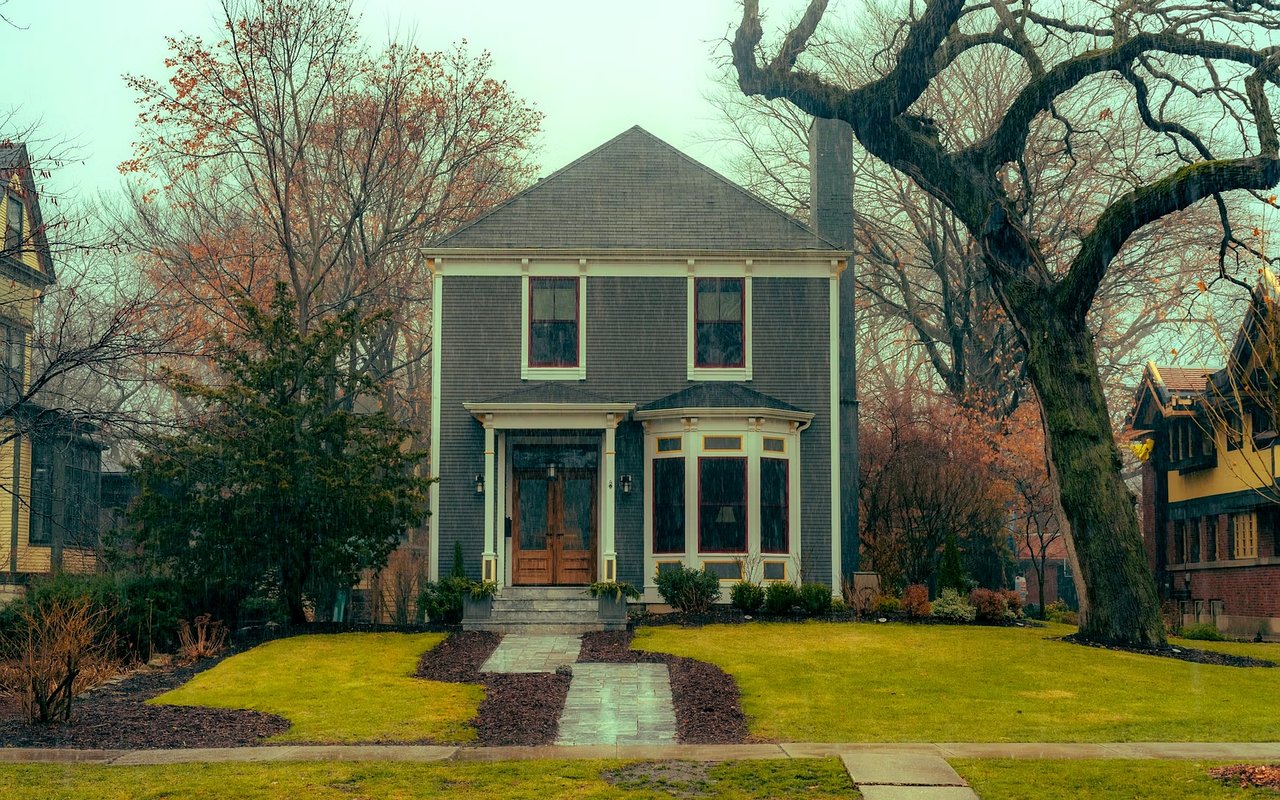
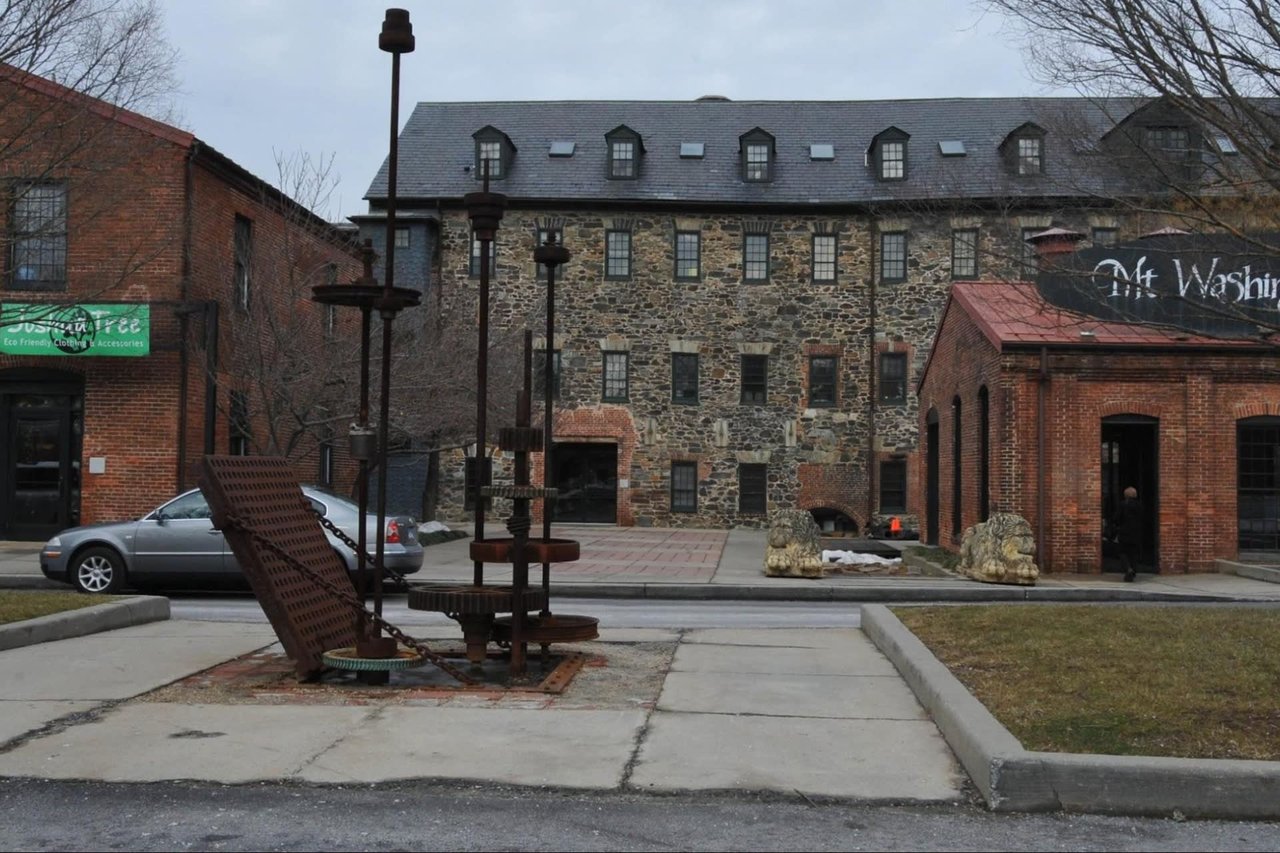
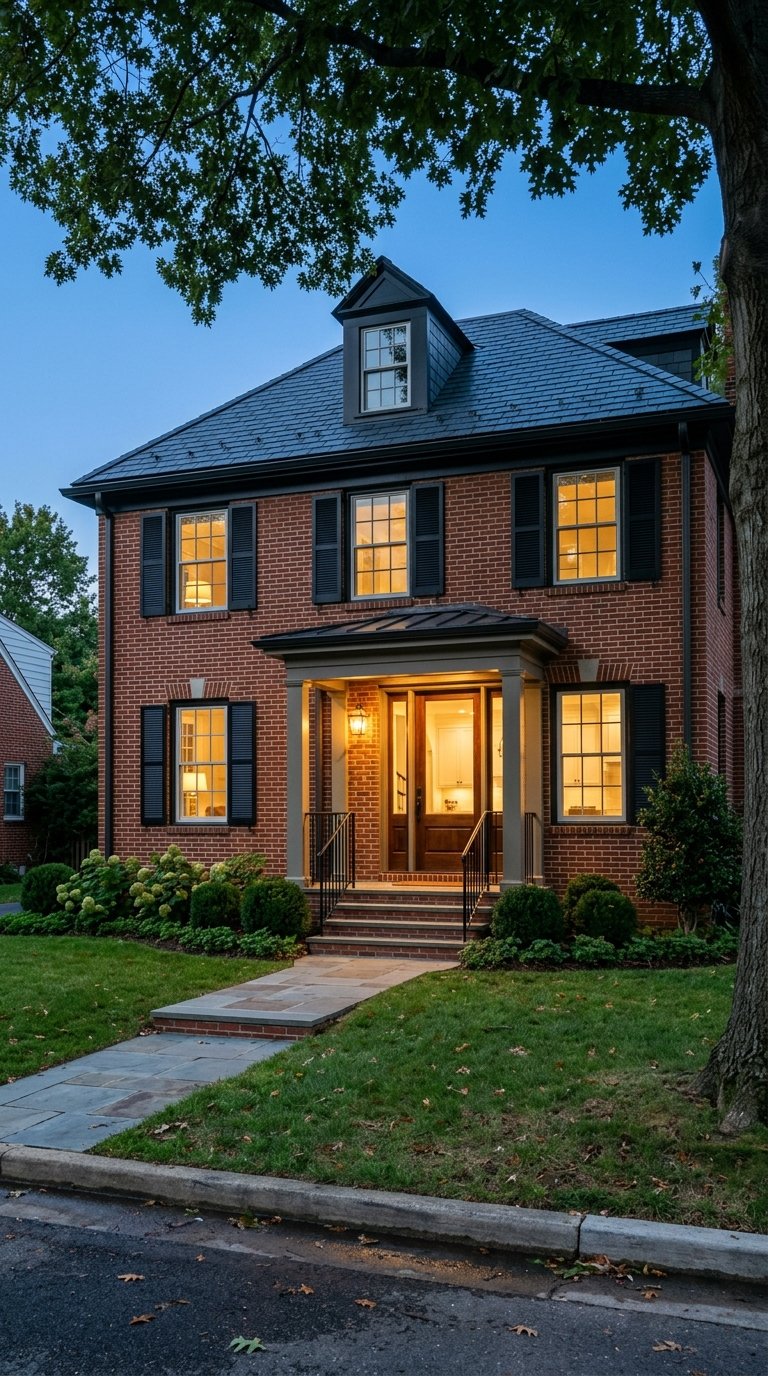
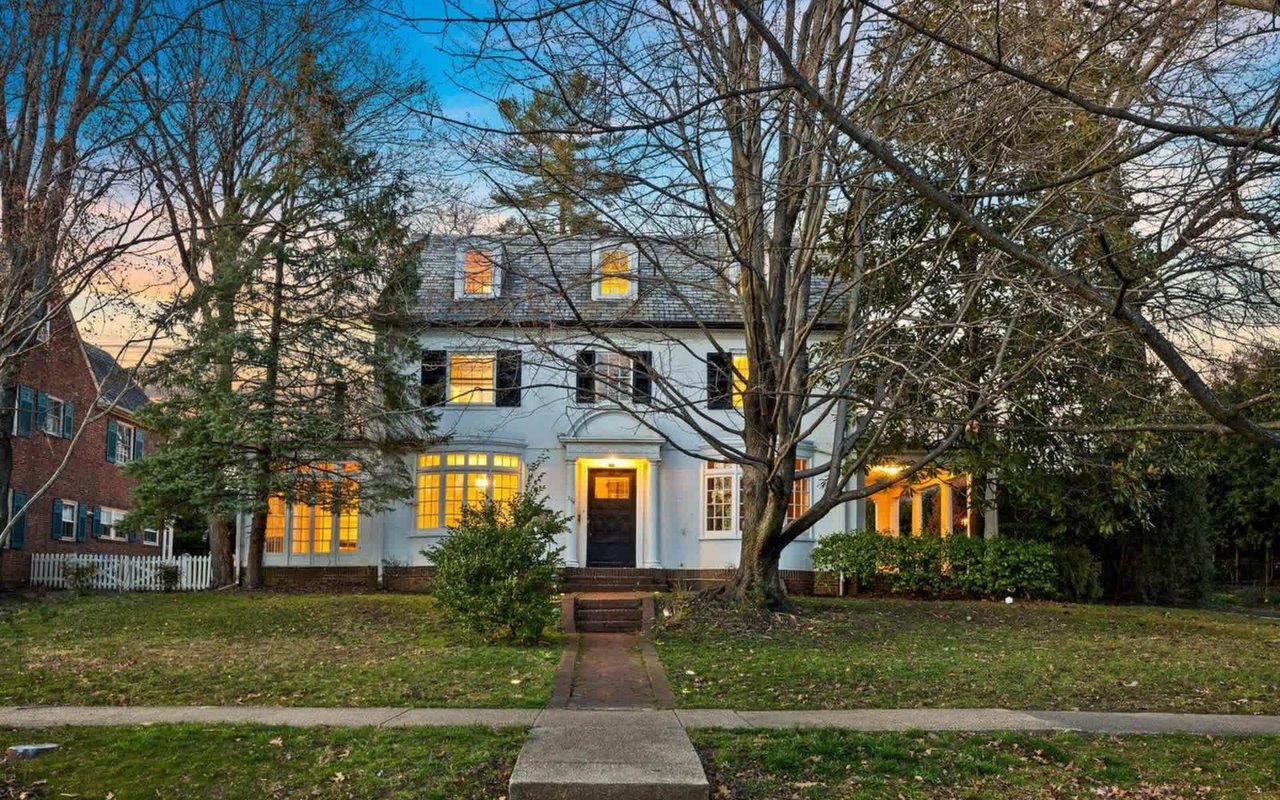
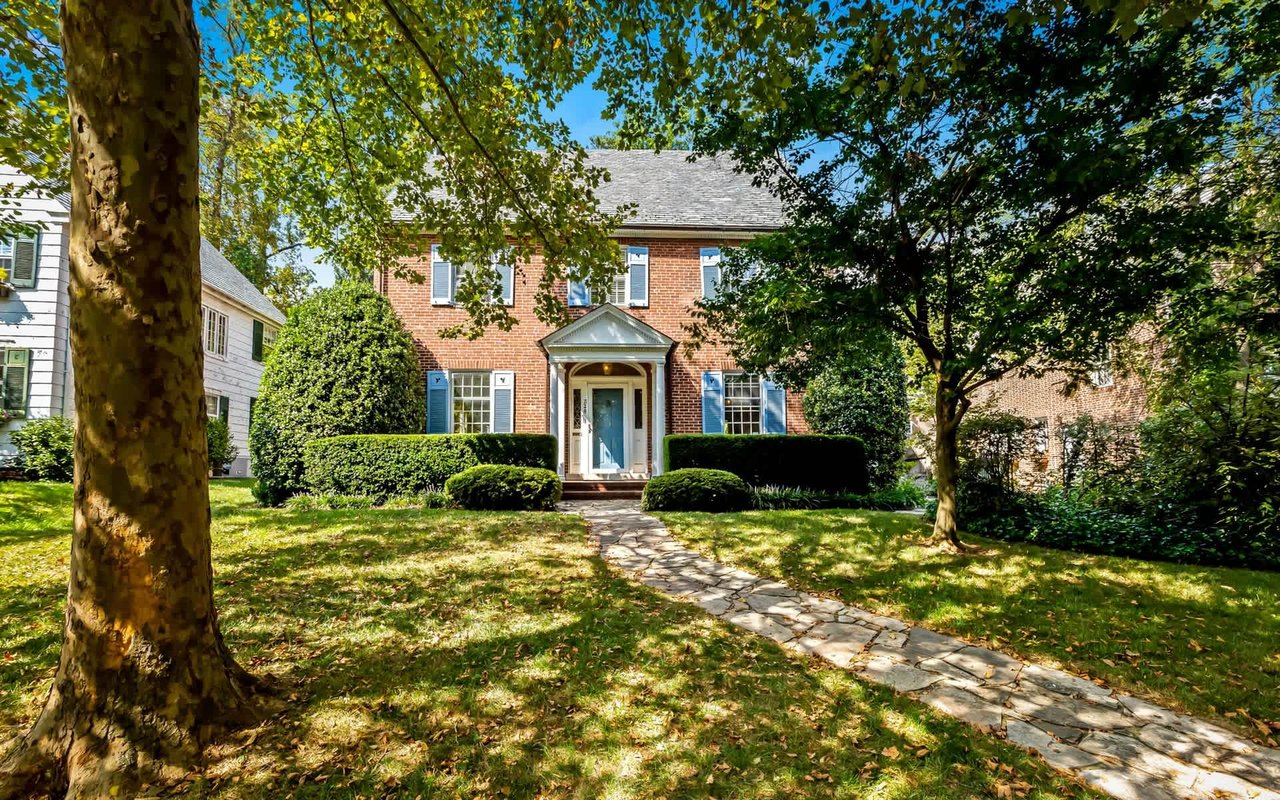
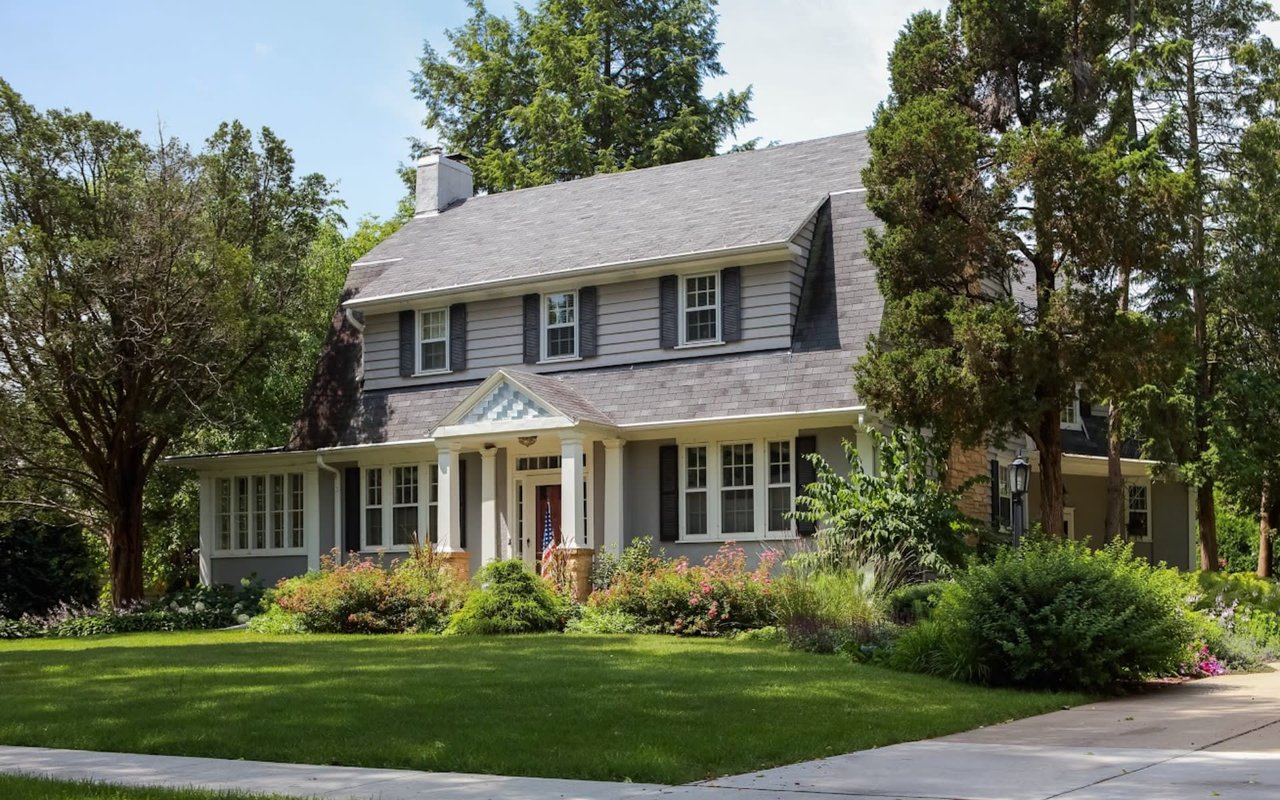
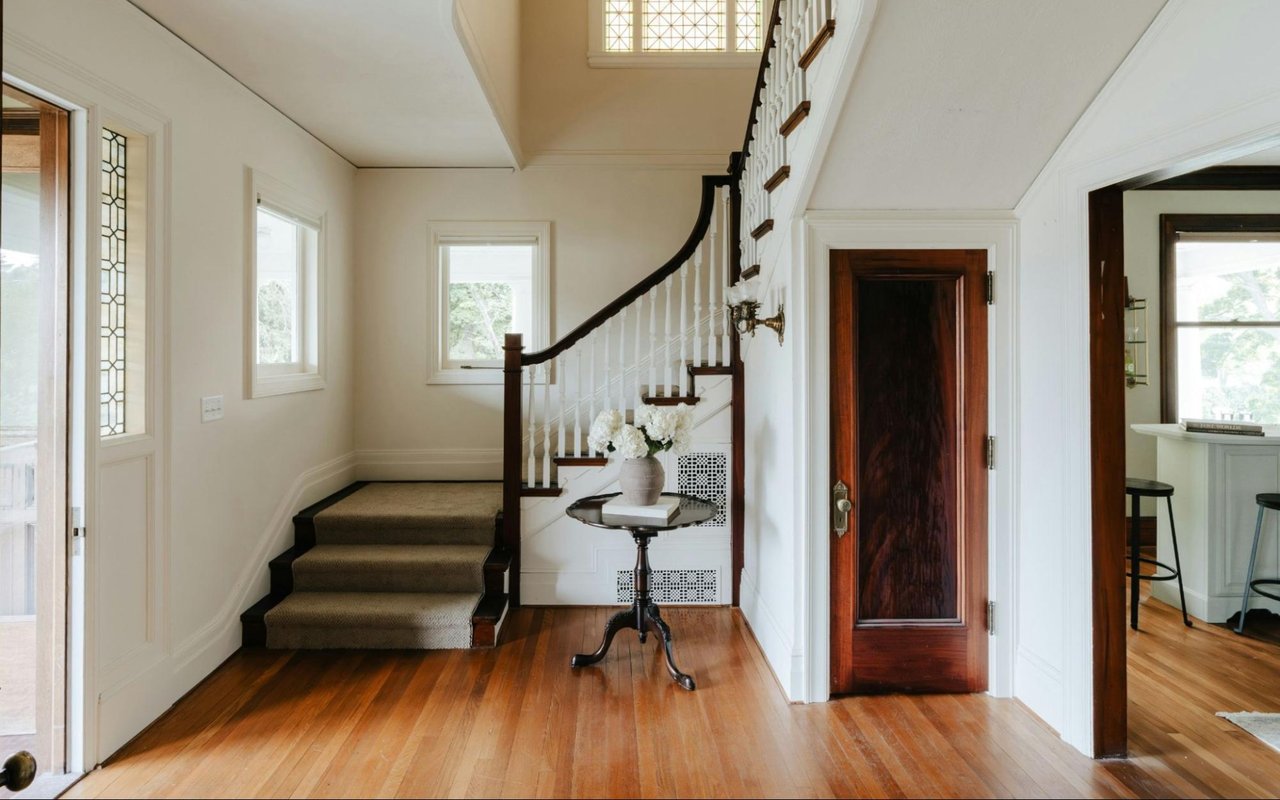
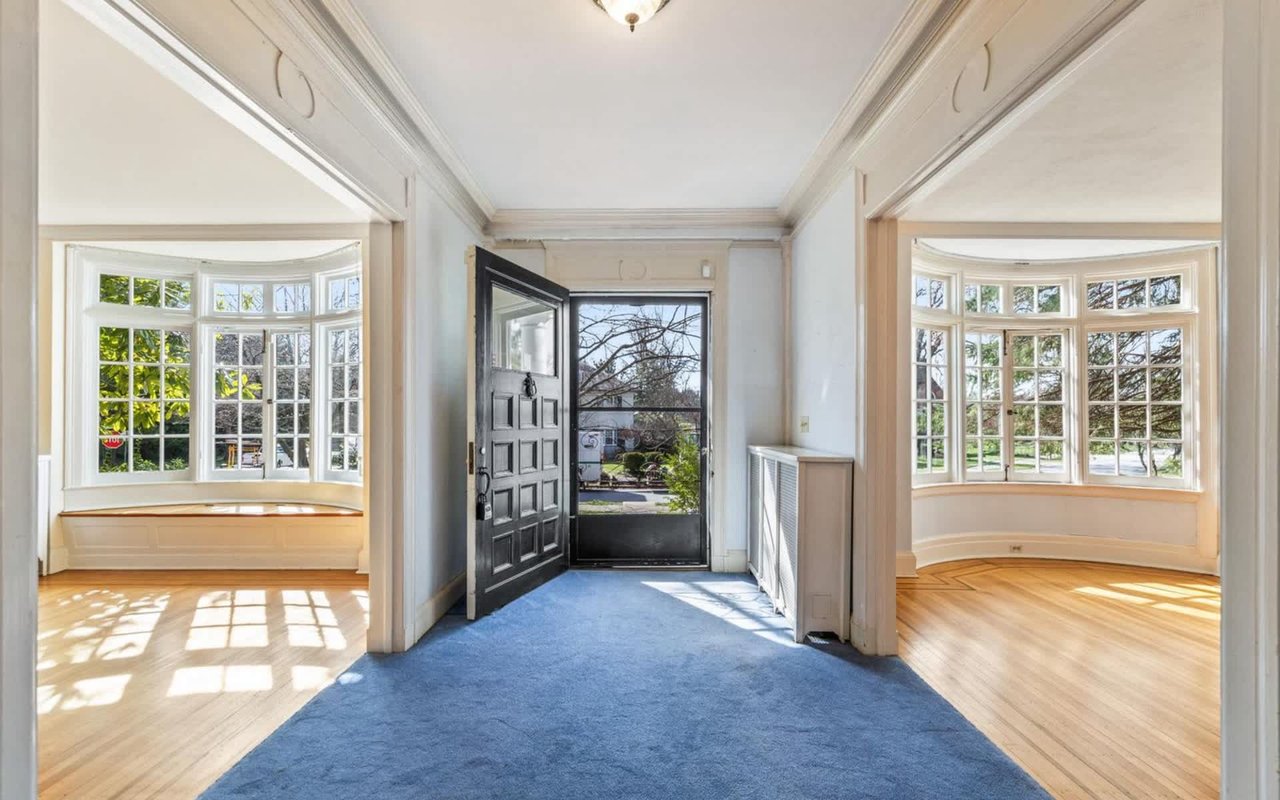
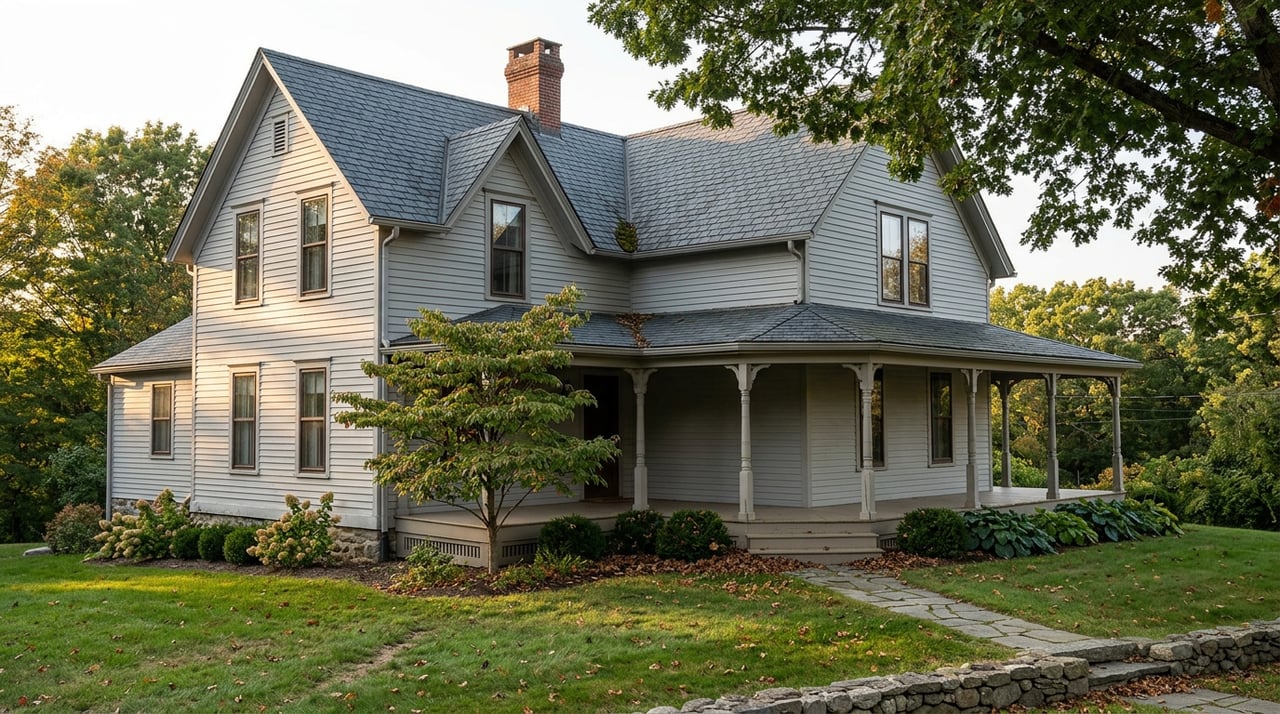
Mount Washington's Baltimore City Historic District designation splits the neighborhood into two sections separated by Kelly Avenue: South Road and Sulgrave to the southeast, the first area developed, and Dixon's Hill to the north, laid out by architect Thomas Dixon after he bought 20 acres from George Gelbach in 1855. Baltimore City's own historic preservation records describe the district as frame houses built individually or in small clusters on large, irregularly shaped lots, spanning Gothic Revival, Colonial Revival, Italianate, and even Octagon-style architecture. John Graham, an early resident, developed much of what became the South Road section. Later infill and mid-century construction followed the same large-lot pattern rather than replacing it.
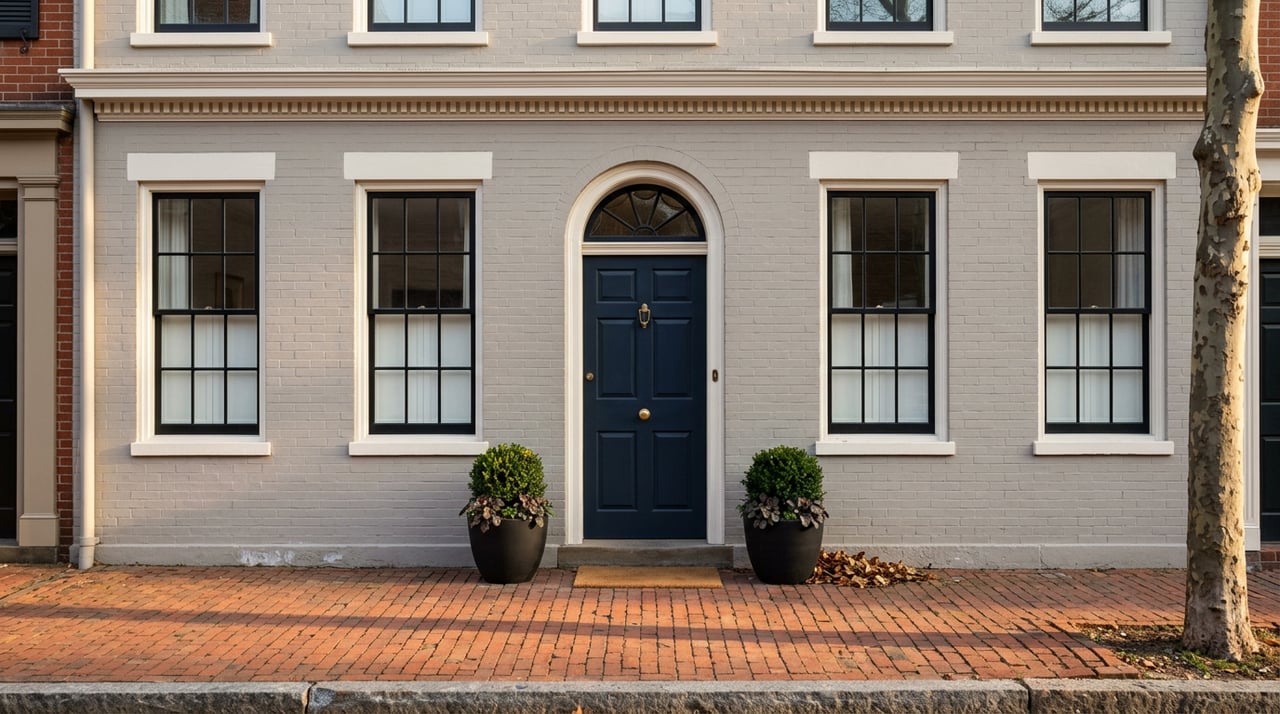
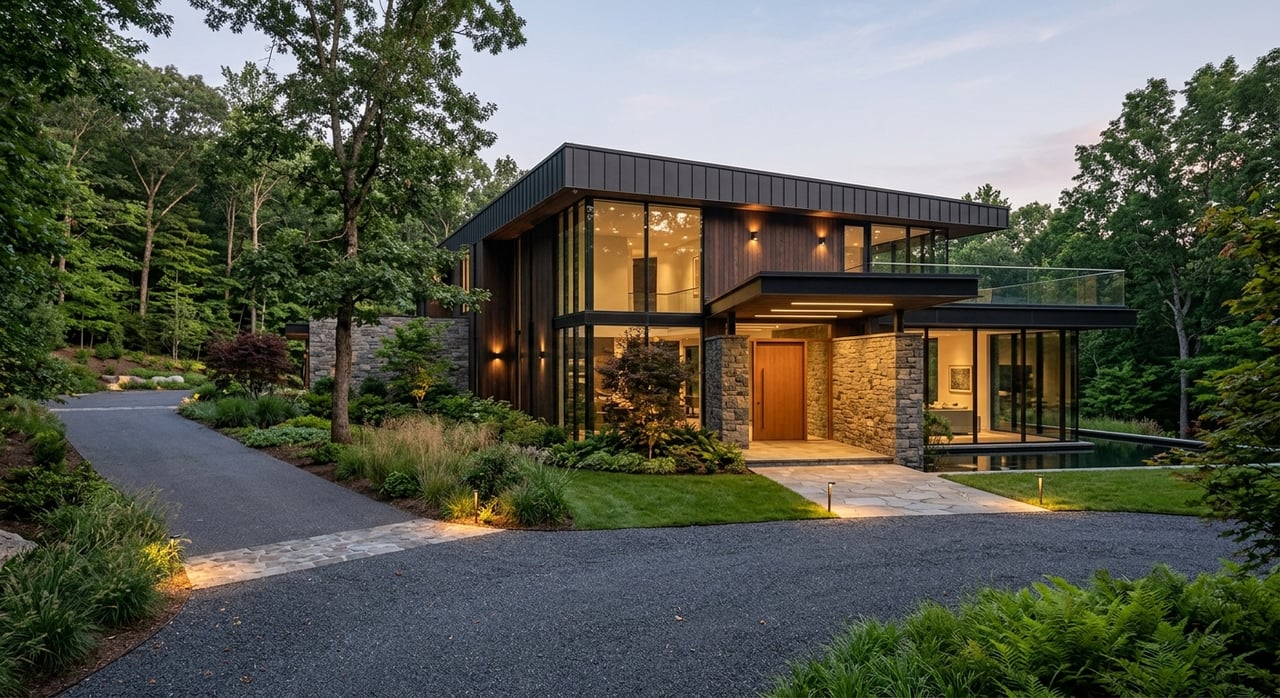
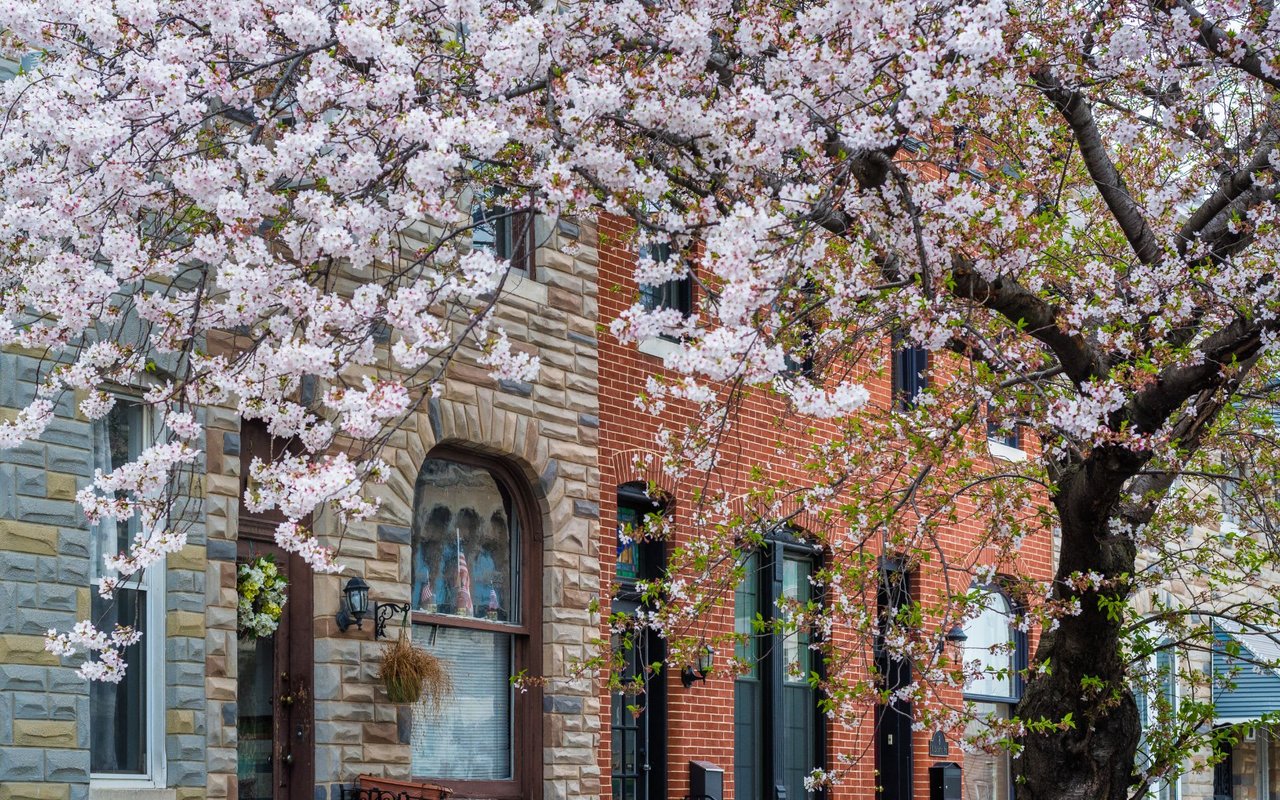
That range matters for a buyer trying to read a median. A neighborhood built in one era on one lot size, like a grid of Federal Hill rowhomes or Canton's brick townhouse blocks, produces a fairly narrow price band because the housing itself is fairly uniform. Mount Washington was never built that way. A 19th-century Italianate on an irregular half-acre lot in Dixon's Hill and a smaller, updated house nearer the Light Rail line are both "Mount Washington" homes, but they're not comparable properties, and whichever one happens to close in a given month pulls the average in a different direction.
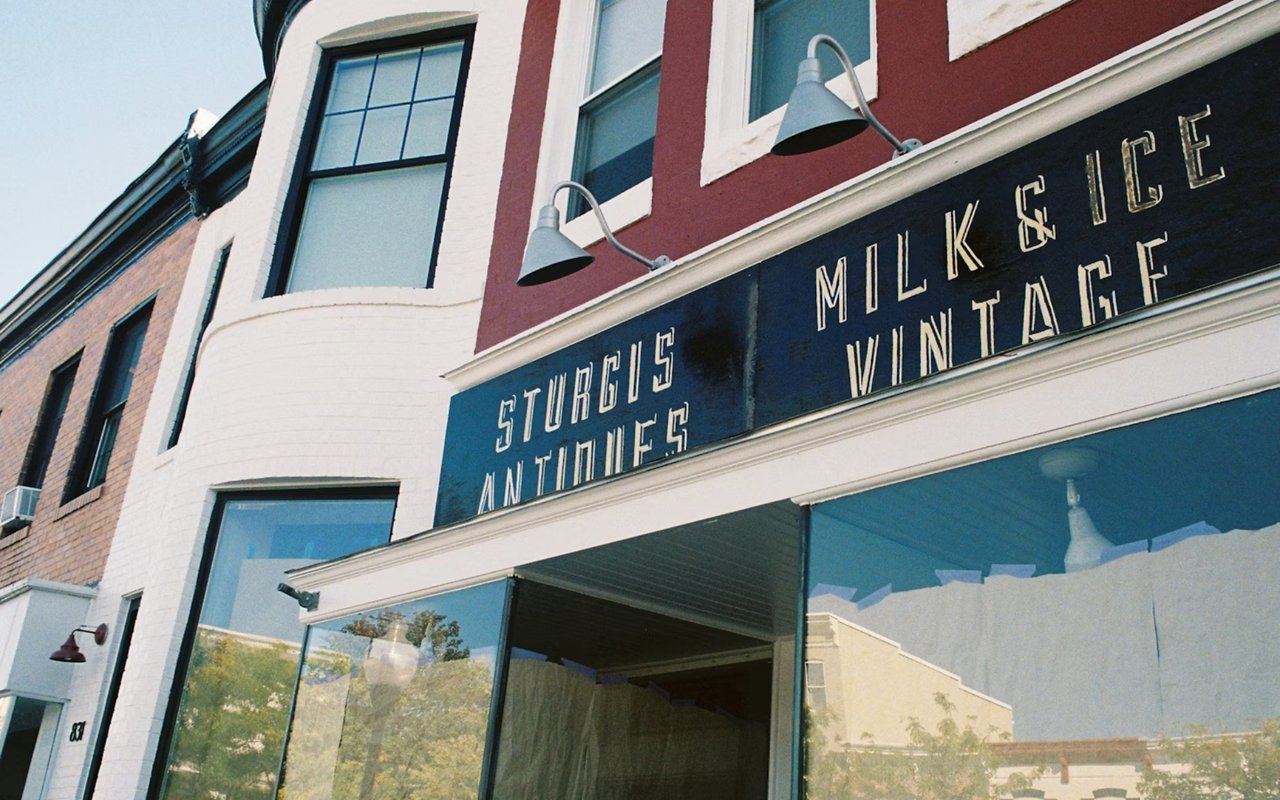
The neighborhood's two commercial nodes reflect the same split geography. Mount Washington Village, on the west side of the Jones Falls Expressway near the Kelly Avenue bridge, holds restaurants, shops, and the Light Rail stop. Mount Washington Mill, a converted 19th-century textile mill on the east side of the highway, holds its own mix of stores and offices. The two were once considered a single walkable area before I-83 went in, and getting from one to the other today takes a real drive rather than a stroll. Buyers weighing walkability as part of value should know which side of the highway a given listing sits on, because "Mount Washington" covers both without distinguishing between them.
The Permit Process Keeps Older Inventory From Turning Over Quickly
The historic district designation does more than describe the architecture. It governs what happens when an owner wants to change it. Under the district's rules, permits are required for every construction project regardless of size, along with all electrical, mechanical, plumbing, and structural trade permits, and any roof or gutter work that's part of a larger project. Before the city's Office of Permits and Building Inspections will issue anything, the plans go to the neighborhood's Architectural Review Committee, established by the Mount Washington Improvement Association and chaired by Walter Daly. The committee reviews site plans, floor plans, elevations, materials, and colors, sometimes over more than one meeting, before sending a recommendation to the Commission for Historical and Architectural Preservation's staff contact for the neighborhood.
That process doesn't stop renovation. It slows the pace at which older, unrenovated inventory gets modernized and re-enters the market as a comparable to a newer sale down the street. A house that needs exterior work sits through a review cycle before it can be listed as fully updated, and in the meantime the transaction mix stays uneven: a cluster of dated properties, then a wave of freshly renovated ones once approvals clear. That unevenness is a second reason the price data lurches instead of drifting.
For anyone eyeing a fixer-upper or a rebuild in Mount Washington rather than a move-in-ready listing, this is the detail to build into a timeline before waiving a contingency. A renovation budget that doesn't account for a design review cycle on top of standard permitting is a budget that's missing a step other Baltimore neighborhoods without historic district status don't require.
What This Means If You're Comparing Neighborhoods
If you're cross-shopping Mount Washington against Canton, Federal Hill, or another rowhome-dominated part of the city, stop treating the headline median as a stand-in for "what a house costs here." Ask instead for sold comps segmented by section, either South Road/Sulgrave or Dixon's Hill, and by lot size and renovation status. Two homes a block apart in Mount Washington can be a century apart in construction and worlds apart in what a lender's appraiser will find comparable.
Expect wider price dispersion here than in a neighborhood built on a single template. That's not a warning sign about the market. Meadowbrook Swim Club, established in 1930 and now home to the North Baltimore Aquatic Club, has trained Olympic swimmers including Michael Phelps, and that kind of institutional pull has kept demand for the neighborhood steady even as the price data bounces around. The bounce is a function of what's for sale in a given month, not a signal that buyers are losing interest.
If a renovation or a rebuild is part of your plan, get the Architectural Review Committee timeline in writing before you go firm on a purchase date. A design review cycle that adds weeks to a project is manageable if it's on your calendar from the start and a real problem if it shows up after you've already waived your due diligence period.
A Few Questions Worth Asking Before You Offer
Is Mount Washington a buyer's market or a seller's market right now? The days-on-market data from Redfin and Movoto agree closely, both landing around 17 days for the fastest-moving listings, which points to real seller-side leverage on well-presented homes even while the price averages disagree.
Does the historic district add real cost to a renovation, or just time? The district rules govern exterior work, rooflines, and structural changes, not interior finishes, so a kitchen or bathroom remodel that doesn't touch the exterior generally moves faster than a rear addition or a roof replacement that does.
Which section should I focus my search on, South Road/Sulgrave or Dixon's Hill? That depends more on lot shape and architectural era than on price alone. Ask your agent to pull comps by section rather than for the neighborhood as a whole.
If you're weighing Mount Washington against another Baltimore neighborhood, or you're trying to figure out what a specific renovation timeline actually looks like once the Architectural Review Committee gets involved, William Weeks can walk through the comps section by section and help you build a realistic timeline before you write an offer. Schedule a consultation to start the conversation.