By William Weeks
If you’ve ever dreamed of having a cozy space to unwind with your favorite book, you’re not alone, and you’re in the right place. I’ve helped many clients in Baltimore find or design homes with the perfect reading retreat, and I’m sharing what I’ve learned along the way. Whether you're updating a spare room in your rowhouse or adding a quiet corner to your Federal Hill loft, these tips for building a home library will help you create a space that’s as functional as it is beautiful.
Let’s talk about how to turn your home into a haven for reading, relaxing, and reconnecting, with no bookshelf left behind.
Key Takeaways
-
Look for quiet rooms with minimal foot traffic and natural light.
-
Choose shelving that matches your home’s style — built-in or modular.
-
Add layered lighting, cushioned seating, and textured rugs.
-
Incorporate artwork, plants, and collectibles for a custom feel.
Start with the Right Location
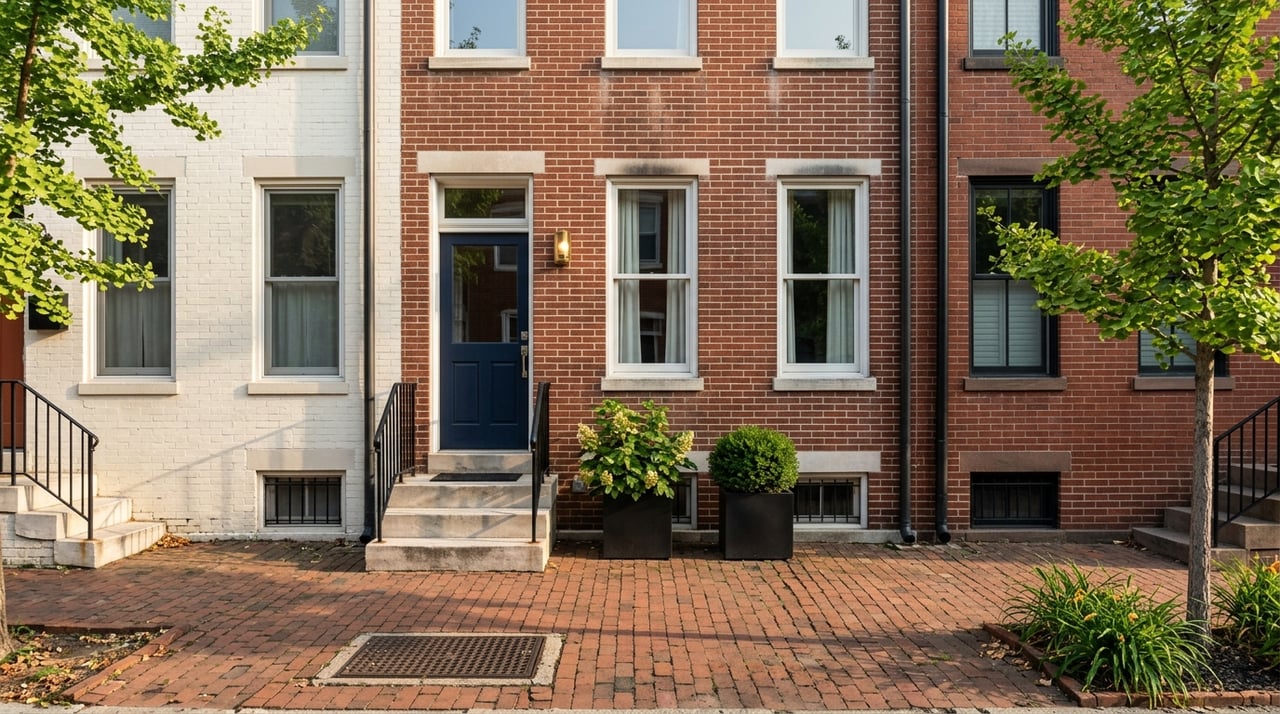
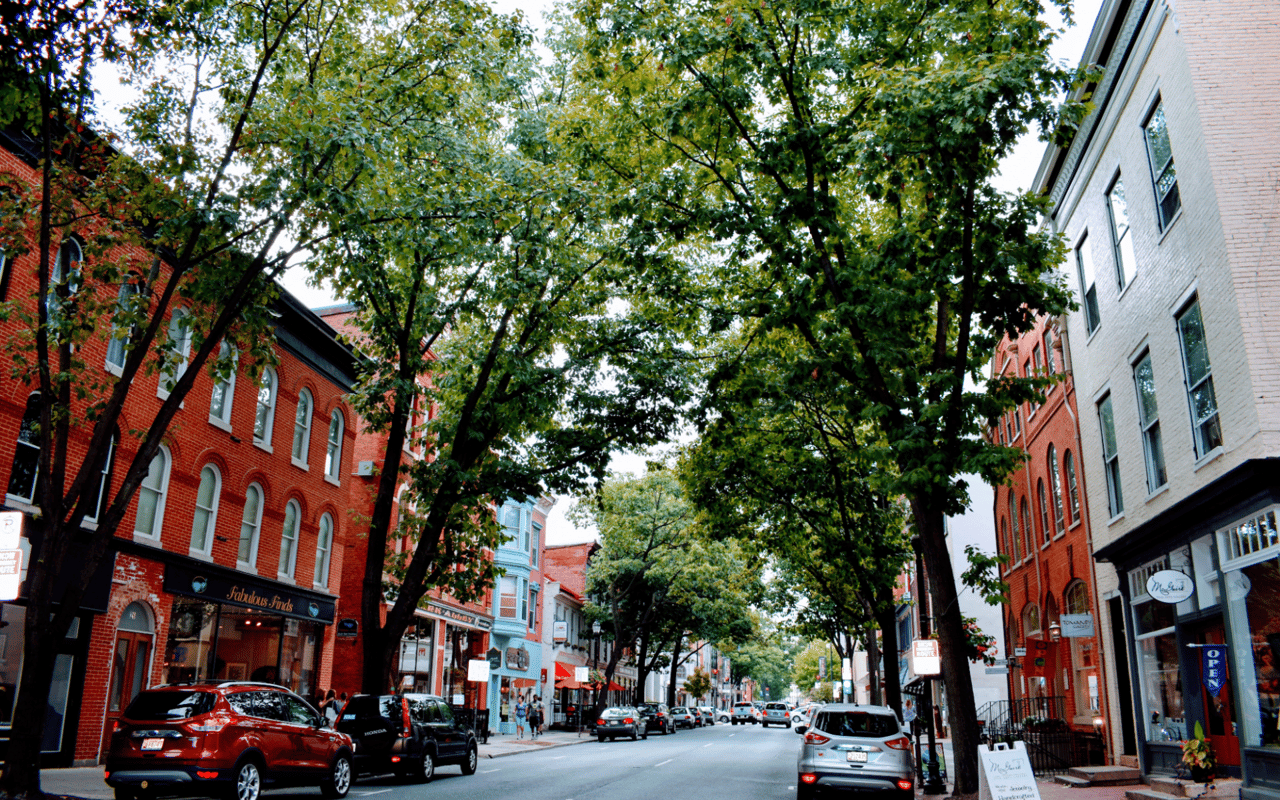
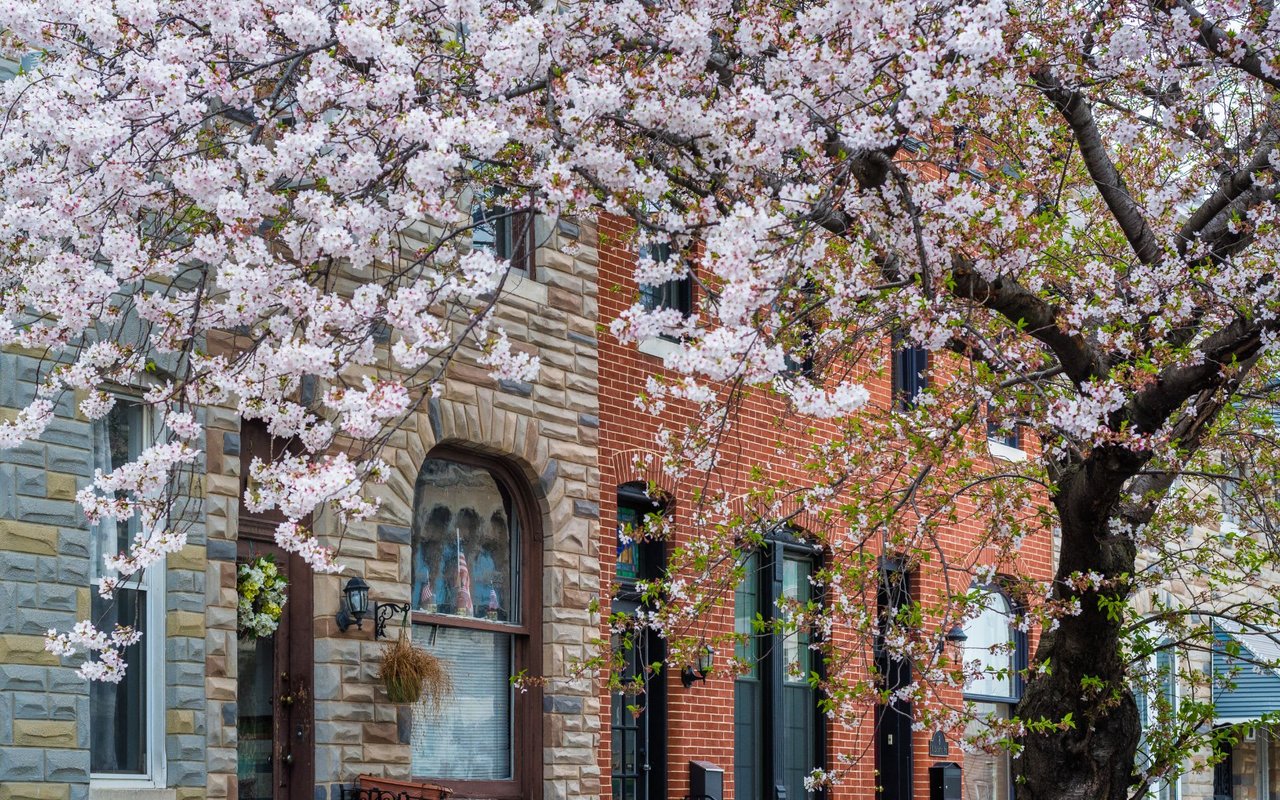
Baltimore homes offer all kinds of architectural charm, from historic brownstones in Mount Vernon to spacious newer builds outside the city, so the first step is finding the right spot.
What to Consider When Choosing Your Space
-
South-facing corners with tall windows provide natural light for daytime reading in rowhomes and townhouses.
-
Rooms with solid doors or thicker walls (like older basements or finished attics) help block noise from city life.
-
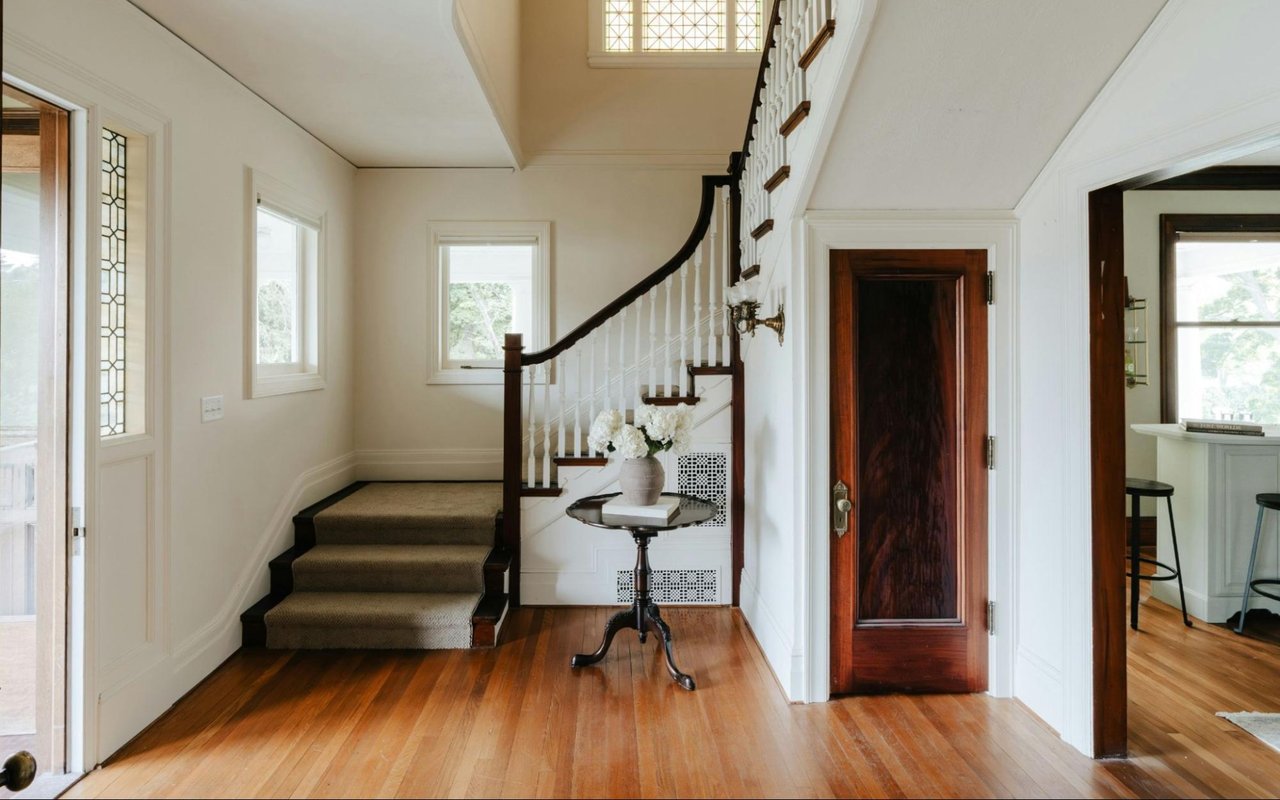
Hallway alcoves or stair landings in classic Baltimore layouts can become surprising library nooks.
-
Rooms with two or more full-height walls offer flexibility for taller or wraparound shelves.
Select Shelving That Works for You
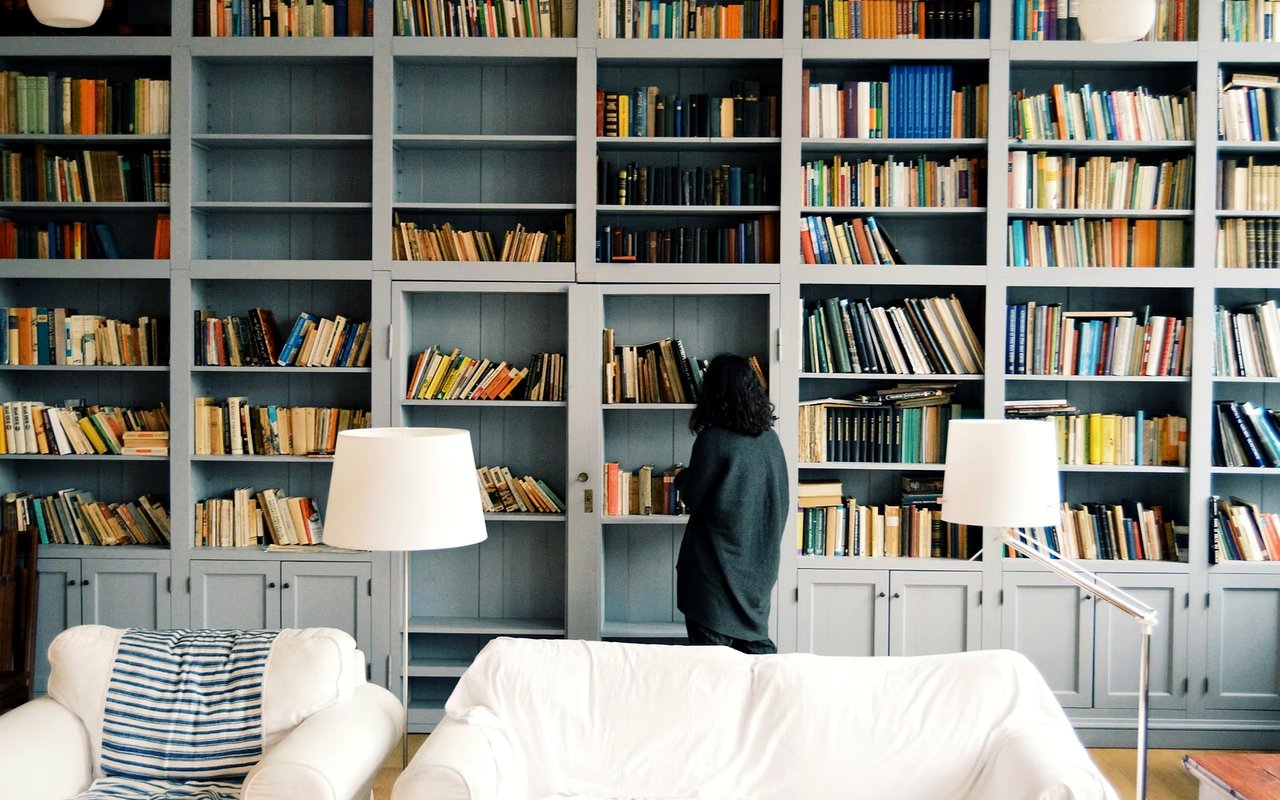
Shelving isn’t just storage; it sets the tone for your entire library. Whether your style is industrial, classic, or minimalist, there are smart options to match.
Top Shelf Options for Baltimore Homes
-
Custom built-ins with crown molding complement the historic trim found in Bolton Hill homes.
-
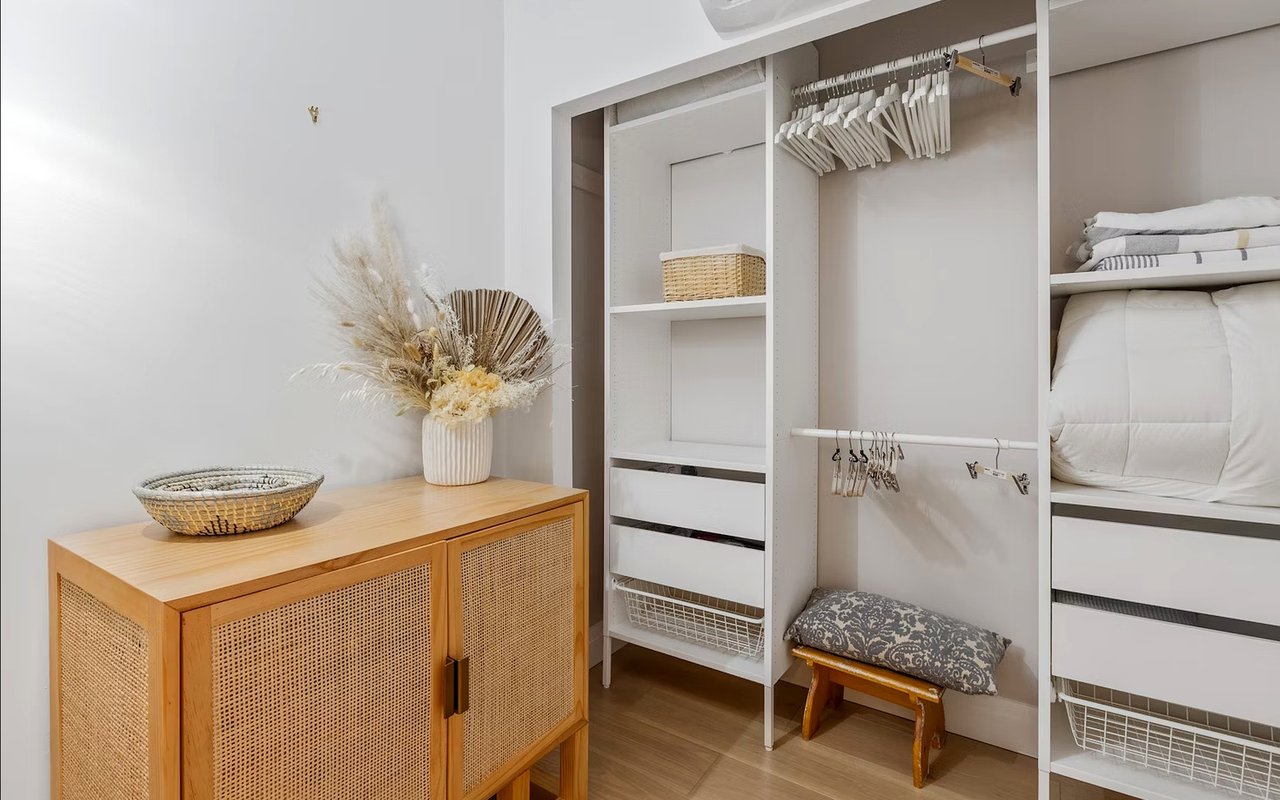
Adjustable freestanding systems let you reconfigure as your collection grows, which is ideal for growing libraries.
-
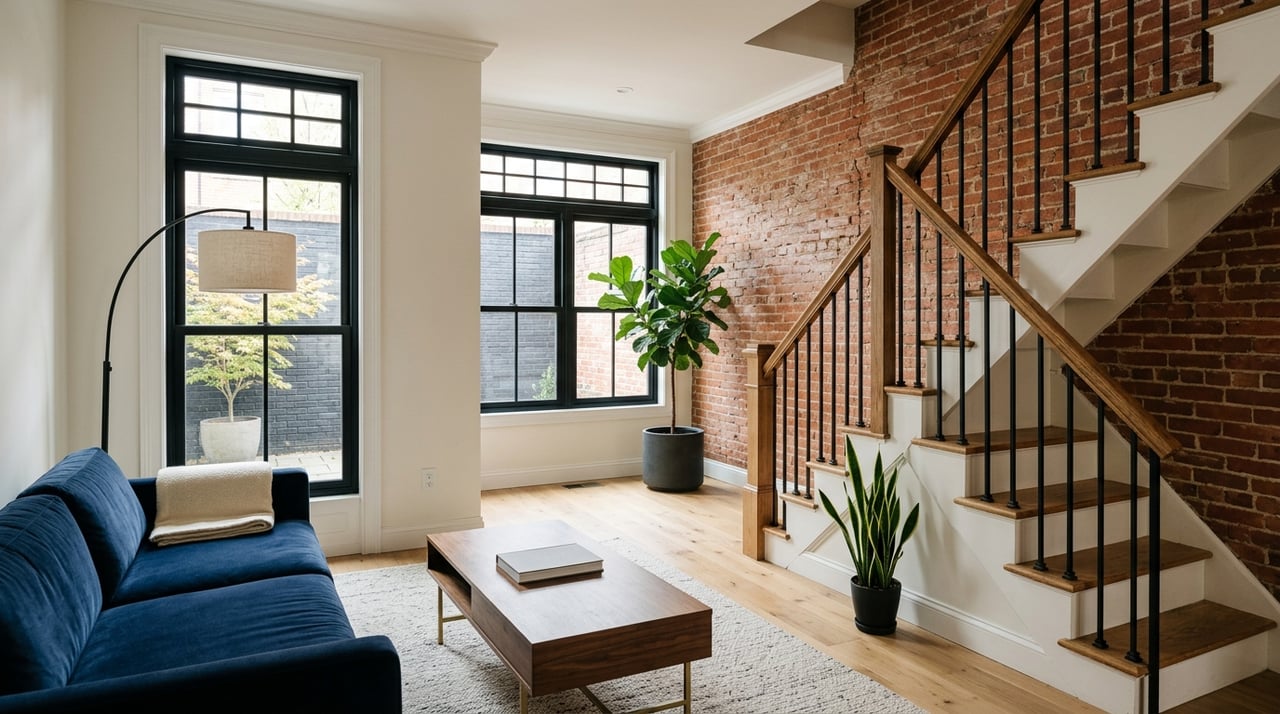
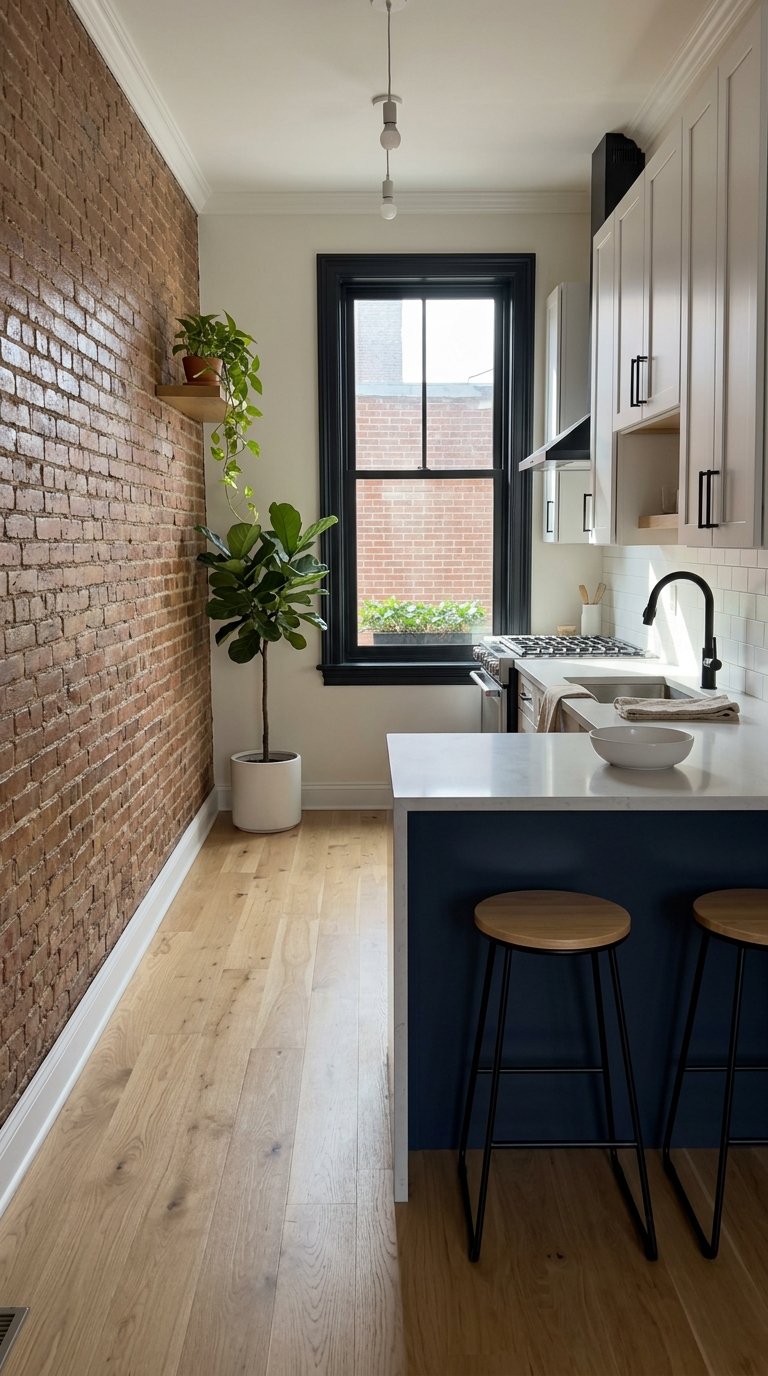
Floating shelves with black iron brackets pair well with exposed brick walls common in converted rowhomes.
-
Corner shelving towers or wraparounds make use of tight spaces found in narrow urban layouts.
Create a Comfortable Reading Environment
Once your books are stored, it’s time to make your library a place you want to spend time. Think beyond just a chair and lamp.
Key Elements for Comfort and Style
-
Deep club chairs or leather recliners create a lasting, supportive reading setup.
-
Wall sconces with dimmers allow for mood control in smaller spaces with limited outlets.
-
Wool or jute rugs help anchor the space and insulate hardwood floors found in many Baltimore homes.
-
Heavy drapes or book-lined walls naturally buffer sound in rooms near street-facing windows.
Personalize It with Details That Matter
This is where your library truly becomes your own. In a city with so much character, don’t be afraid to let your space reflect that.
Ways to Add Personality to Your Library
-
Hang framed art from Station North artists to support the local creative community.
-
Display Ravens memorabilia or vintage Orioles programs alongside books for a local touch.
-
Use paint colors like deep green, navy, or maroon to create a bold, dramatic backdrop for your shelves.
-
Place a snake plant or ZZ plant on lower shelves — they thrive indoors with low maintenance.
Make It Functional for More Than Reading
Your home library doesn’t have to serve just one purpose. In fact, multifunctional spaces are especially useful in Baltimore’s compact properties.
Smart Multi-Use Ideas
-
Tuck a standing desk into one end of the room to turn it into a hybrid library-office.
-
Add a low shelf for children's books and a pouf to encourage reading time with young kids.
-
Install a soundbar and a hidden cable box behind art to convert the space into a sleek media lounge.
FAQs
How many books do I need to start a home library?
You don’t need a massive collection; start with 50 to 100 of your favorites. It’s more about curation than quantity.
Can I build a home library in a small Baltimore apartment?
Absolutely. Use vertical space, opt for floating shelves, and choose furniture that serves more than one purpose.
What’s the best lighting for a home library?
Soft, layered lighting works best. Pair a good reading lamp with indirect overhead lighting to reduce glare and eye strain.
Contact William Weeks Today
Whether you’re buying a home with library potential or upgrading your current space, I’d love to help you find a place that fits your lifestyle — and your bookshelf. Baltimore has no shortage of character-filled homes ready to be transformed into something personal and inviting.
Reach out to me, William Weeks, and let’s talk about finding your perfect home or perfect reading nook. I’ll make sure you have the space, style, and layout to build a home library you’ll love.
Reach out to me, William Weeks, and let’s talk about finding your perfect home or perfect reading nook. I’ll make sure you have the space, style, and layout to build a home library you’ll love.