By William Weeks
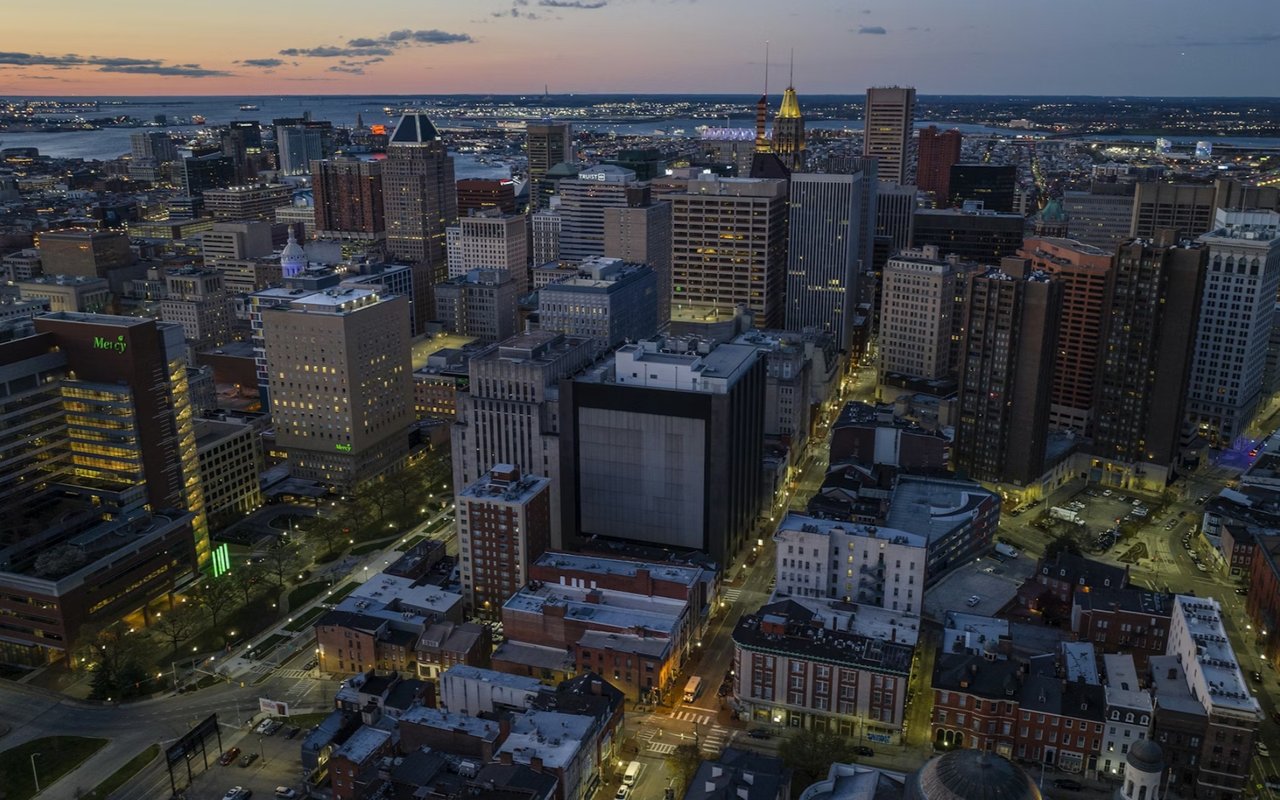
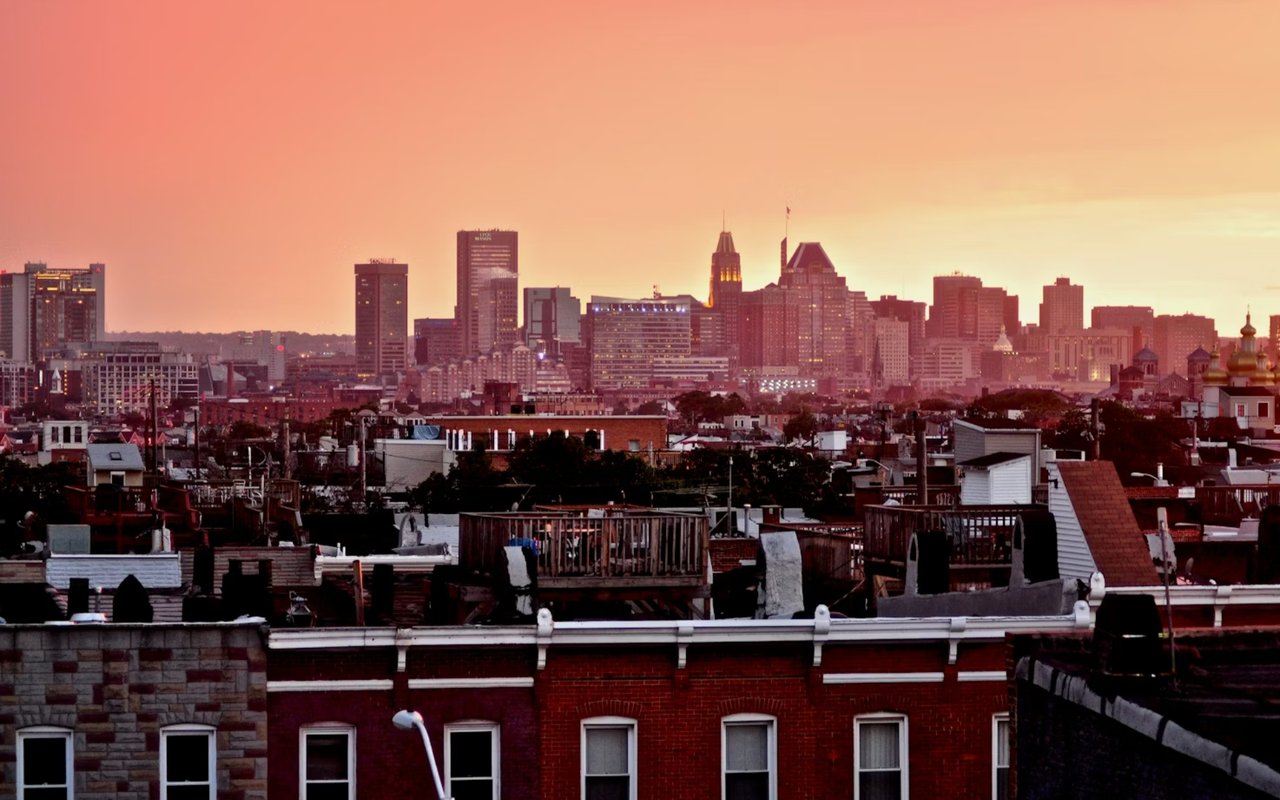
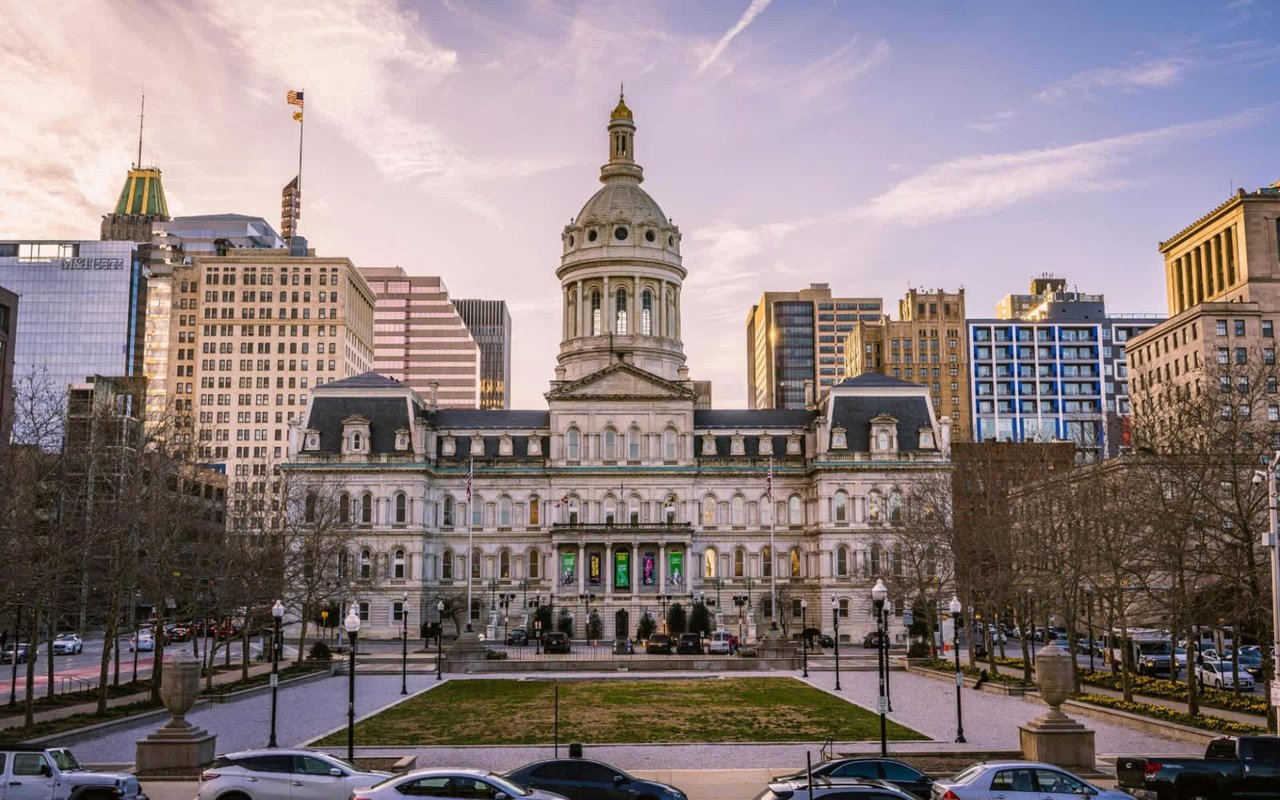
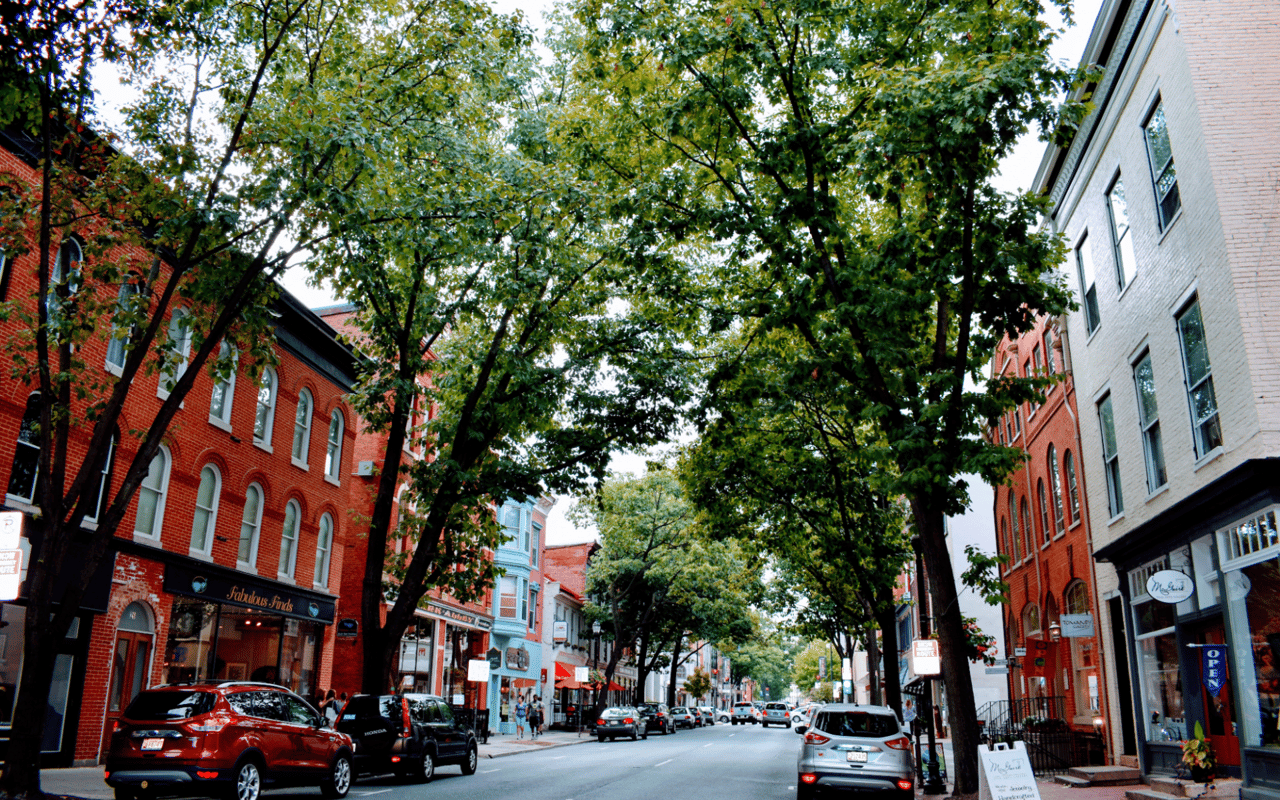
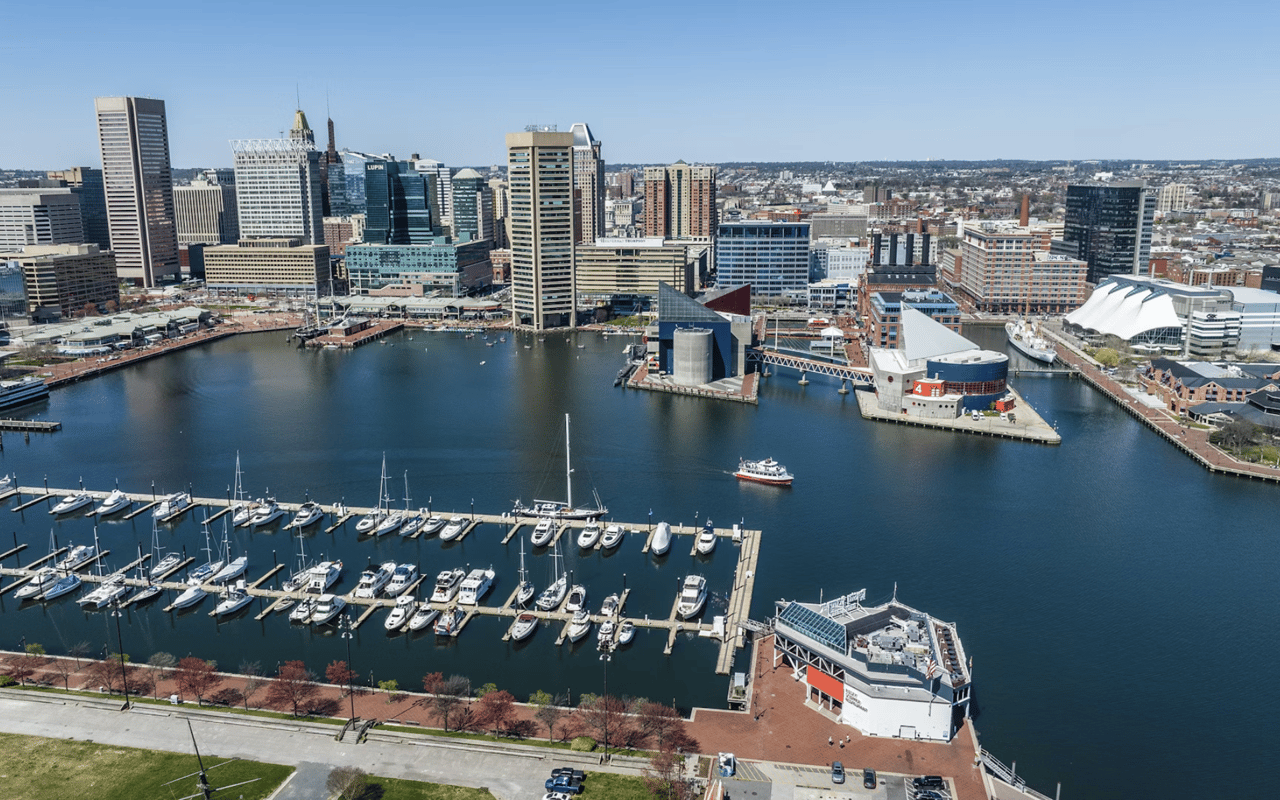
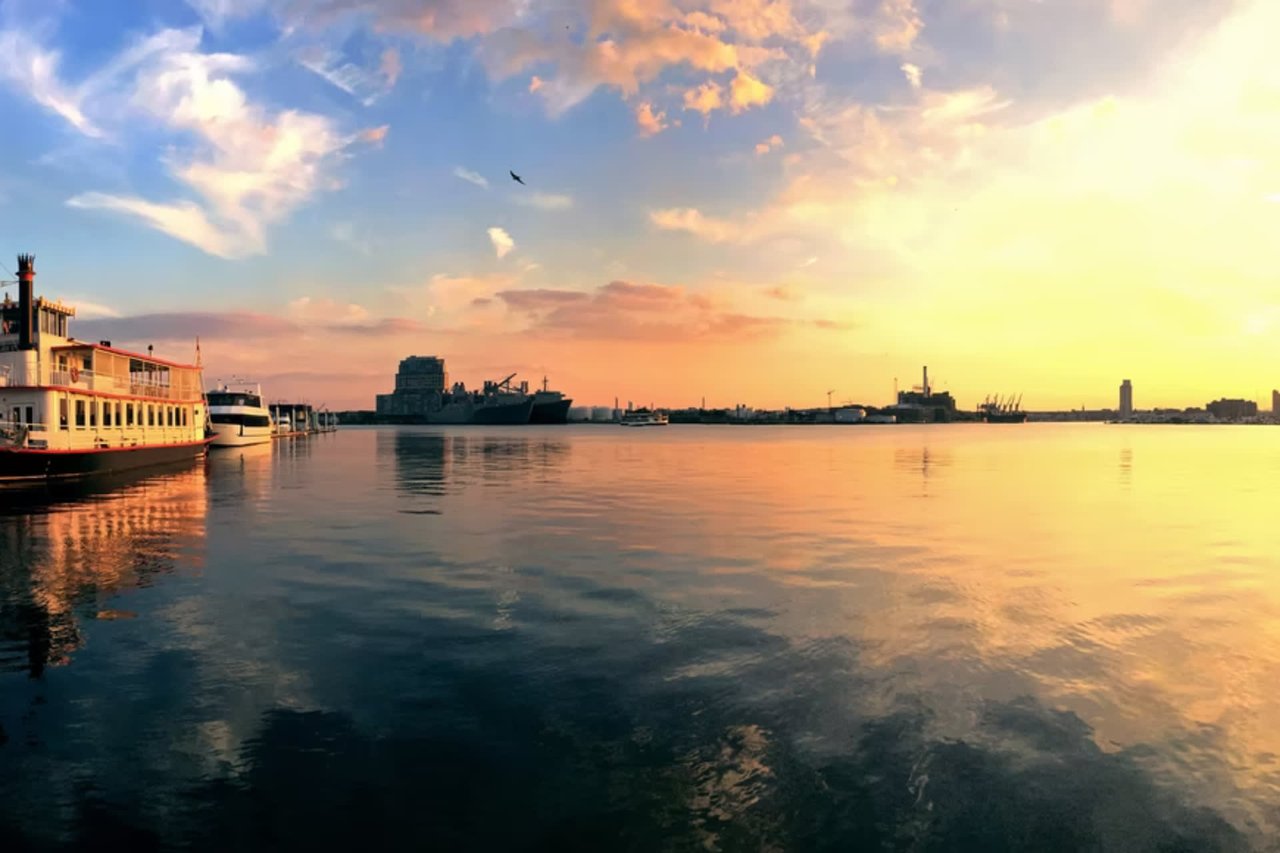
Baltimore’s campus map spans North Charles Street near the Washington Monument, the West Baltimore corridor along North Avenue, and the Downtown spine by the Inner Harbor and Camden Yards. A morning drive from Harbor East to Mount Vernon feels different from a loop between Wyman Park and Roland Park, and those patterns shape how campus areas fit into everyday routines.
When I preview homes for sale in Baltimore, I also track which campuses anchor nearby retail and transit corridors so the neighborhood story feels complete.
Key Takeaways
- Campus clusters: North Baltimore, Downtown, West Baltimore
- Commute routes: I-83, I-95, Light Rail
- Lifestyle anchors: Museums, parks, waterfront walks
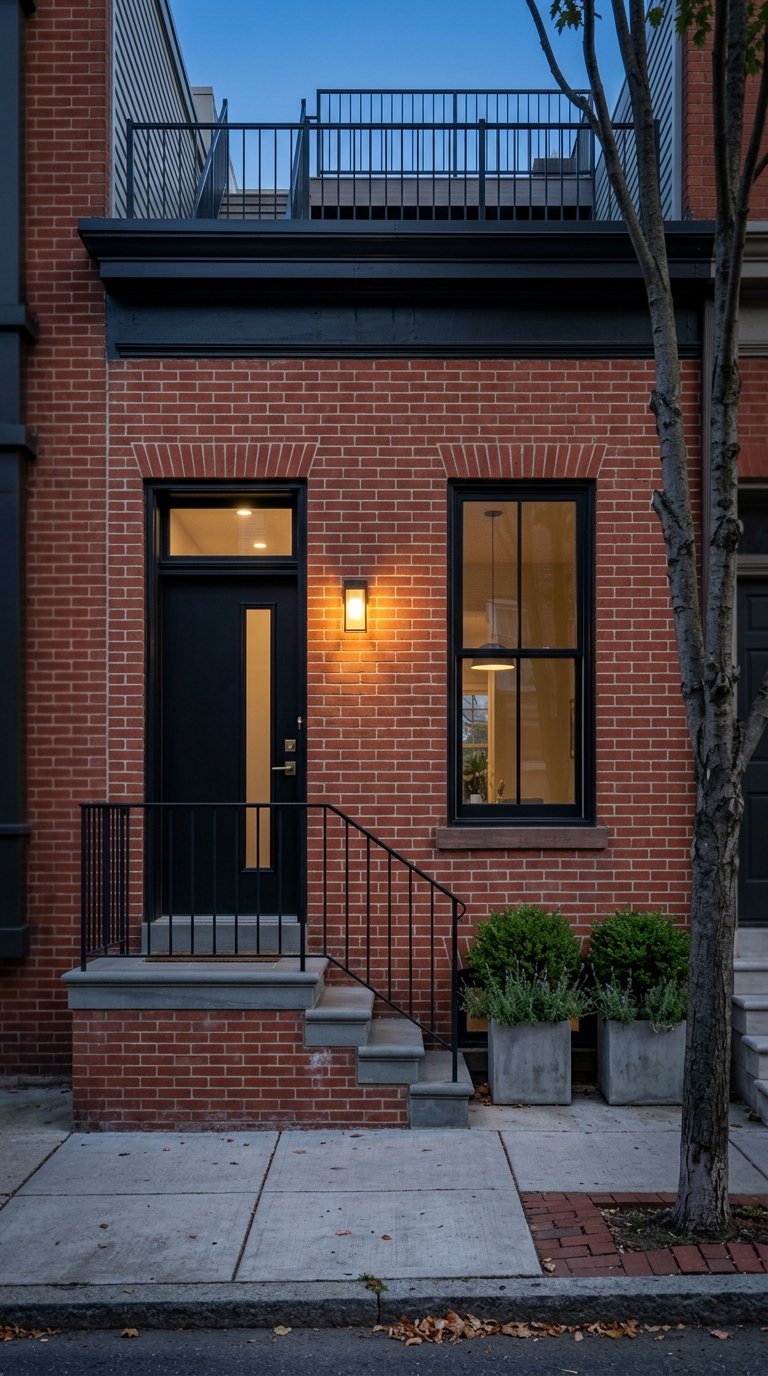
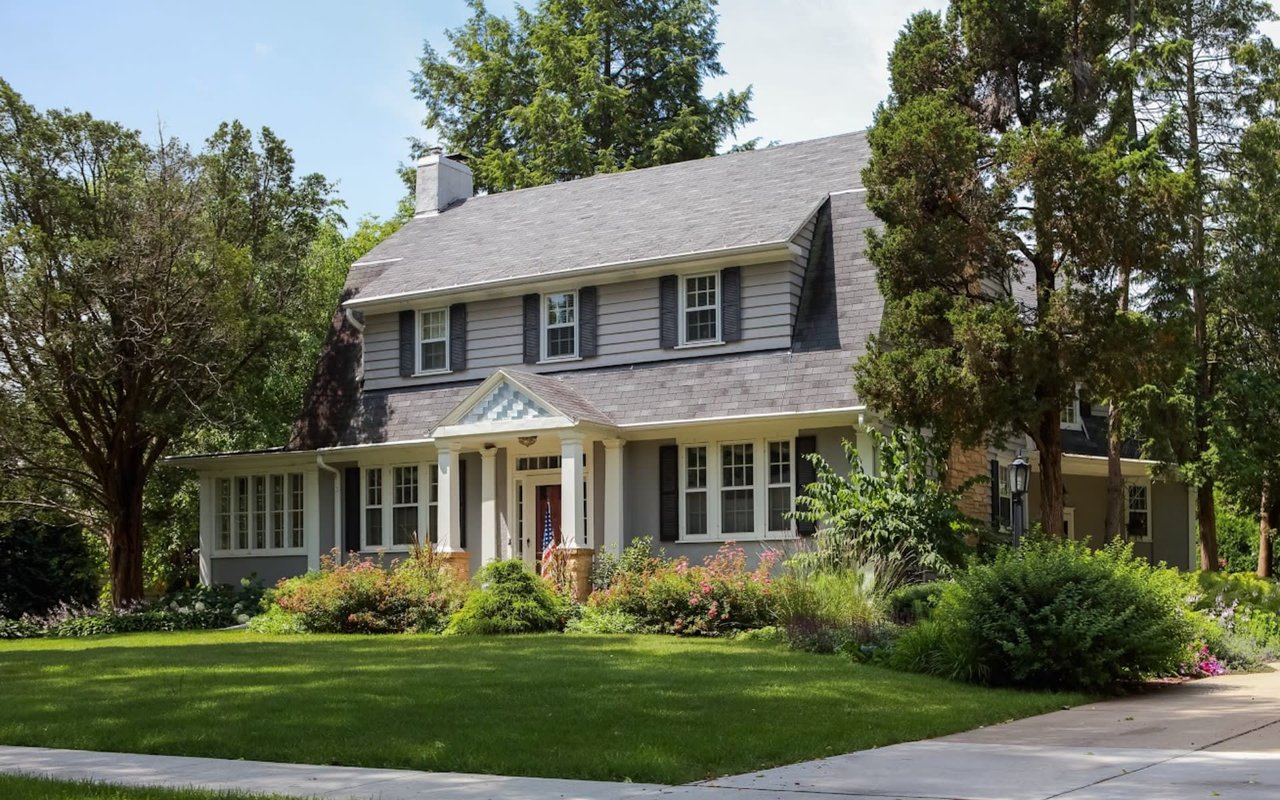
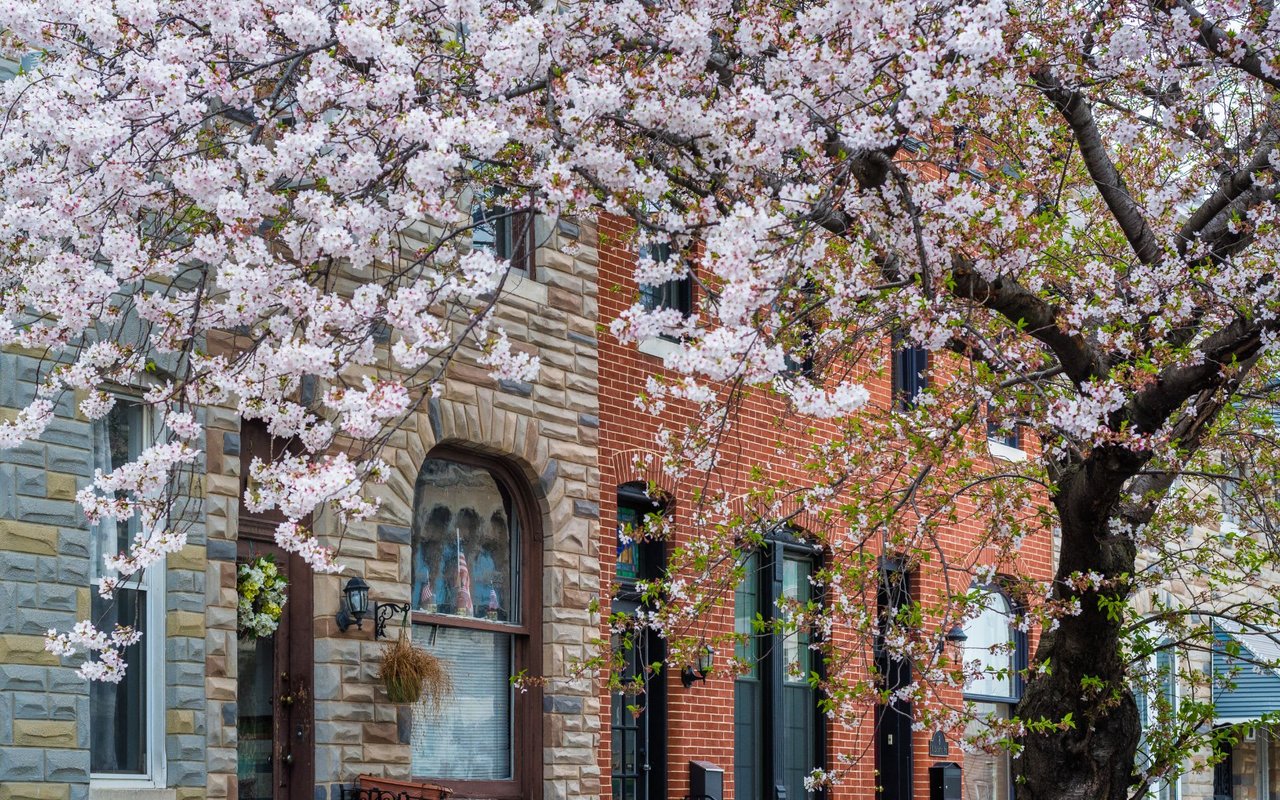
- Housing style: Rowhouses, condos, classic detached homes
Johns Hopkins, Loyola, and Notre Dame in North Baltimore
North Baltimore’s campus corridor runs along Charles Street and the edges of neighborhoods like Charles Village, Guilford, and Roland Park.
Why these institutions define the North Baltimore corridor
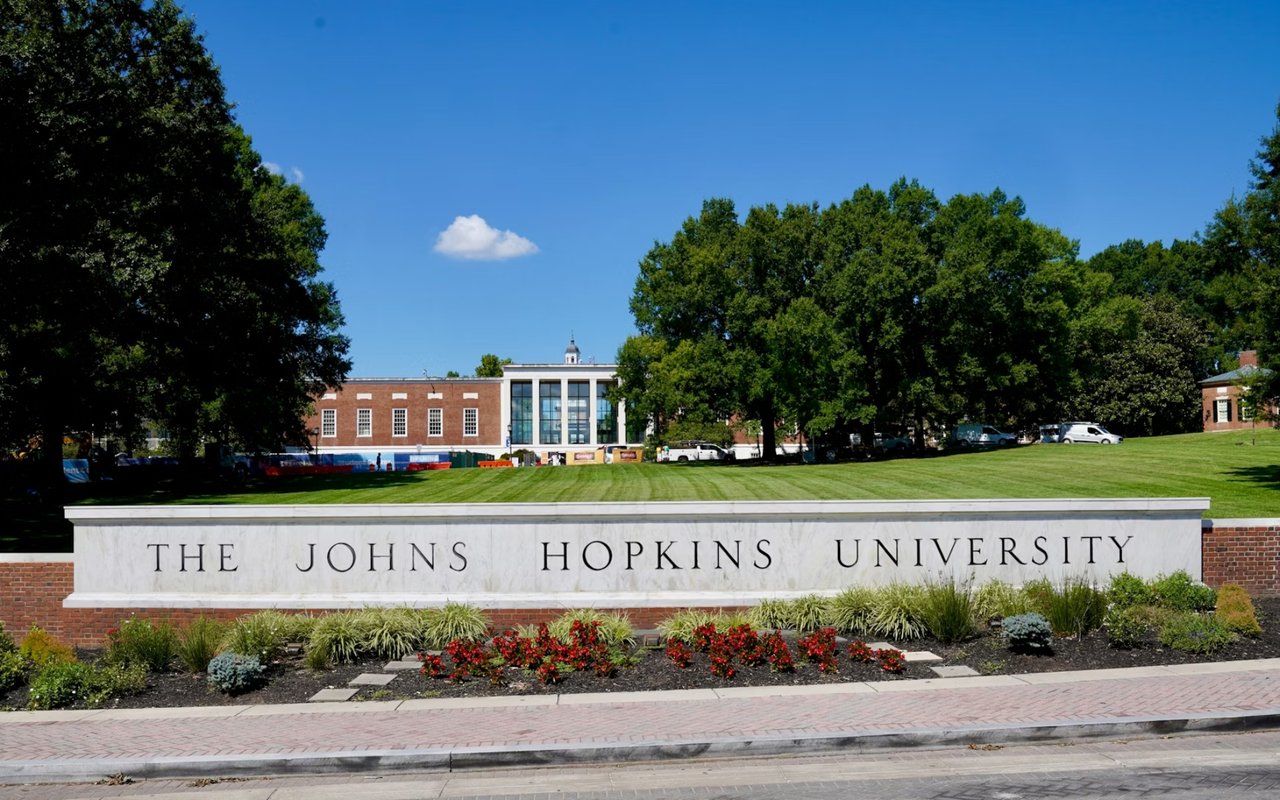
- Johns Hopkins University: Homewood campus near Charles Village with classic quads and a strong research presence
- Loyola University Maryland: Evergreen campus along North Charles Street with a residential, park-like setting
- Notre Dame of Maryland University: North Baltimore campus known for a traditional collegiate environment
University of Maryland, Baltimore, University of Baltimore, and Baltimore City Community College Downtown
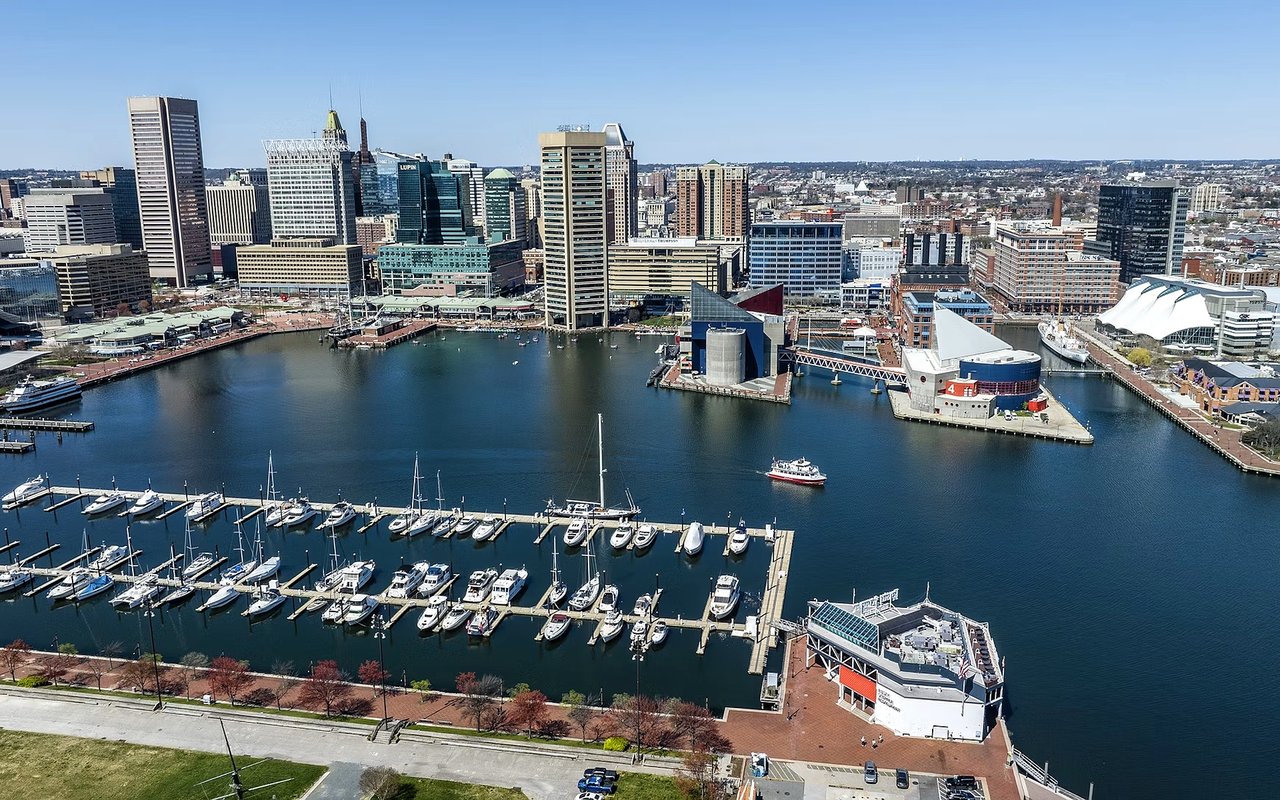
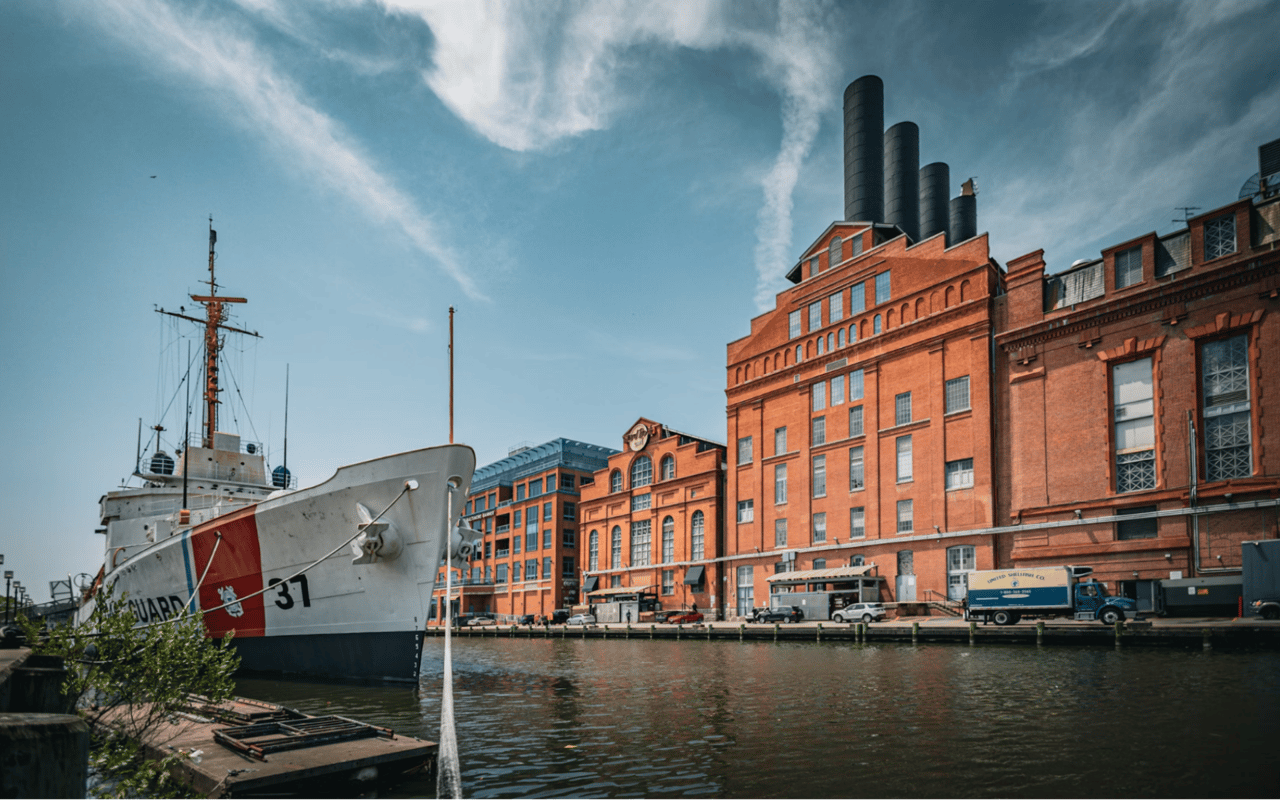
Downtown Baltimore supports a professional, city-paced campus experience with easy access to the Inner Harbor, the Hippodrome Theatre, and the Light Rail.
Why Downtown campuses support an urban, professional rhythm
- University of Maryland, Baltimore: Downtown campus focused on graduate and professional programs near the city’s medical and legal core
- University of Baltimore: Mount Vernon-adjacent campus near Mount Royal Avenue and North Charles Street with an applied, career-forward vibe
- Baltimore City Community College: Liberty Heights-based main campus with additional city access points for flexible scheduling
Morgan State, Coppin State, and Johns Hopkins East Baltimore Presence
Baltimore’s campus landscape extends into East and West Baltimore, where long-standing institutions shape neighborhood identity and local culture.
Why these institutions matter beyond the campus gates
- Morgan State University: Northeast Baltimore campus near Lake Montebello with a broad academic footprint
- Coppin State University: West Baltimore campus on West North Avenue with a historic HBCU legacy
- Johns Hopkins University: East Baltimore medical campus presence that anchors a major employment and research district
MICA, Peabody Institute, and Goucher College for Arts and Creative Networks
Baltimore’s creative education network shows up around Mount Royal Avenue, Station North, and cultural institutions that host year-round programming.
Why arts-focused institutions shape neighborhood energy
- Maryland Institute College of Art (MICA): Mount Royal Avenue campus tied closely to Bolton Hill and Mount Vernon
- Peabody Institute of the Johns Hopkins University: Mount Vernon-based conservatory presence connected to the city’s performing arts scene
- Goucher College: Nearby Towson campus that often overlaps with Baltimore’s arts, writing, and nonprofit communities
FAQs
Which Baltimore neighborhoods feel most connected to major universities?
North Baltimore (around Charles Village, Guilford, and Roland Park) connects well to the Johns Hopkins and Loyola corridor, and Mount Vernon connects strongly to the University of Baltimore and Peabody.
How do you decide whether a campus area fits a luxury lifestyle?
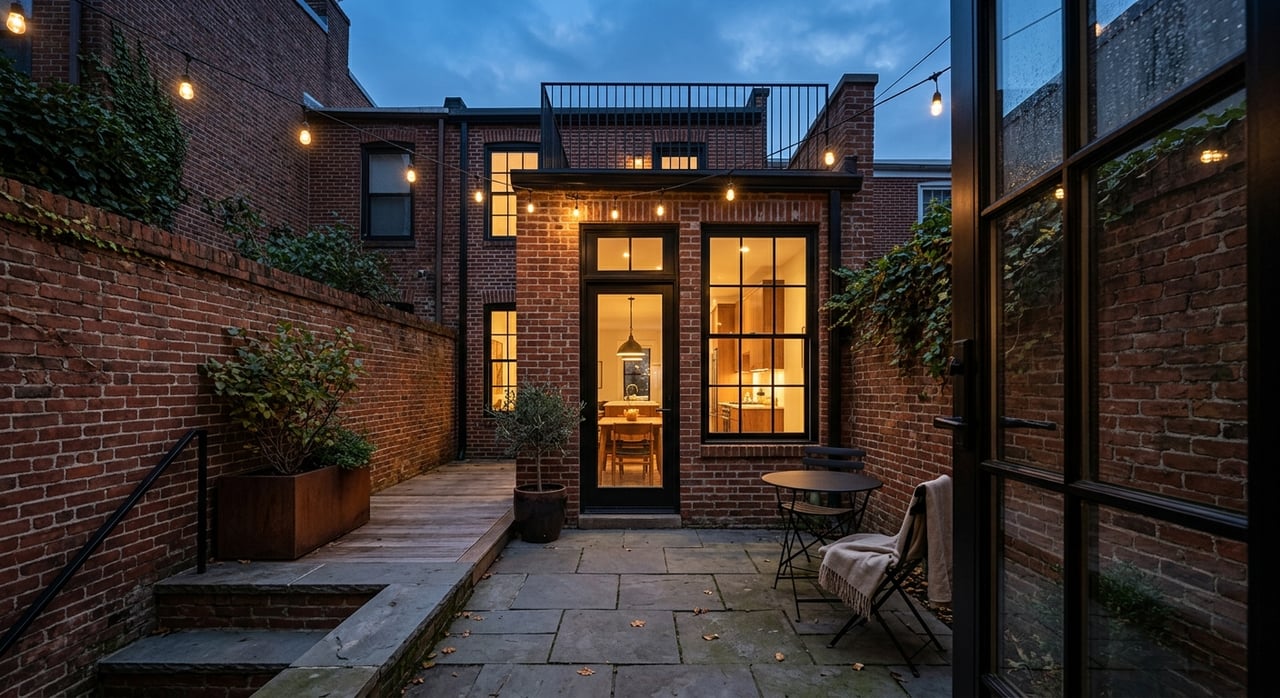
I look for blocks where architecture, streetscape, and nearby amenities like museums and dining support a polished daily routine. I also make sure the route between home, campus nodes, and major corridors like I-83 feels straightforward at typical peak hours.
What should I tour near campuses to understand the neighborhood feel?
I like touring the closest commercial strip, a nearby park, and a primary commute route in the same hour to capture the true rhythm. In Baltimore, that often means pairing Charles Street or Mount Royal with Druid Hill Park, Lake Montebello, or the Inner Harbor promenade.
Contact William Weeks Today
If you want a tour plan that blends campus corridors with real inventory, I can build a route that highlights homes for sale in Baltimore alongside dining streets, parks, and cultural venues that define each neighborhood.
Connect with me, William Weeks, and I’ll connect top universities and colleges in Baltimore to the blocks where architecture, amenities, and commute routes align with a luxury lifestyle.