Wondering if you can get a quieter, greener lifestyle without giving up city access? Mt. Washington is one of those Baltimore neighborhoods that often stands out for buyers who want charm, outdoor space, and a more residential feel. If you are trying to decide whether this area fits your day-to-day life, this guide will walk you through housing, amenities, commuting, and what living here really feels like. Let’s dive in.
Mt. Washington at a Glance
Mt. Washington sits in northwest Baltimore and has a long-established, village-like identity. According to the Mount Washington Improvement Association, the neighborhood was established in 1885, annexed to Baltimore City in 1914, and added to the National Register of Historic Places in 1990.
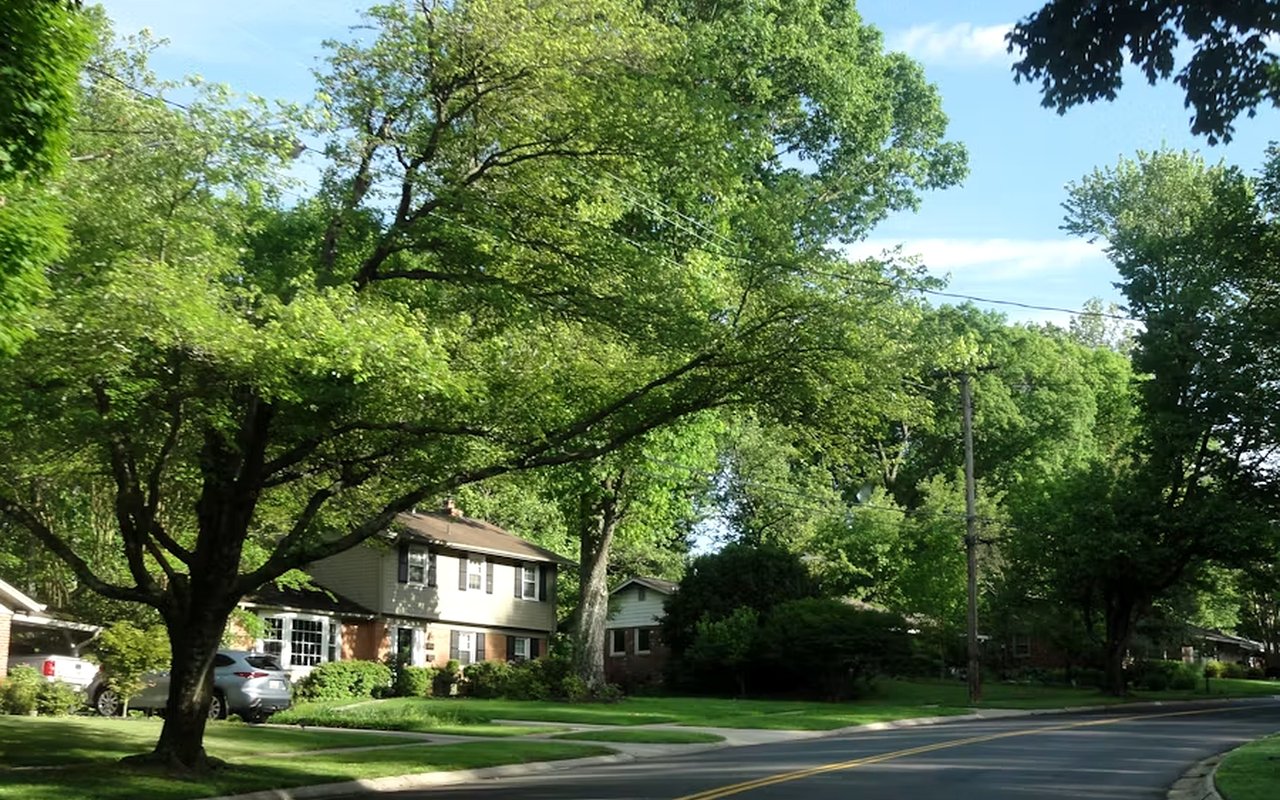
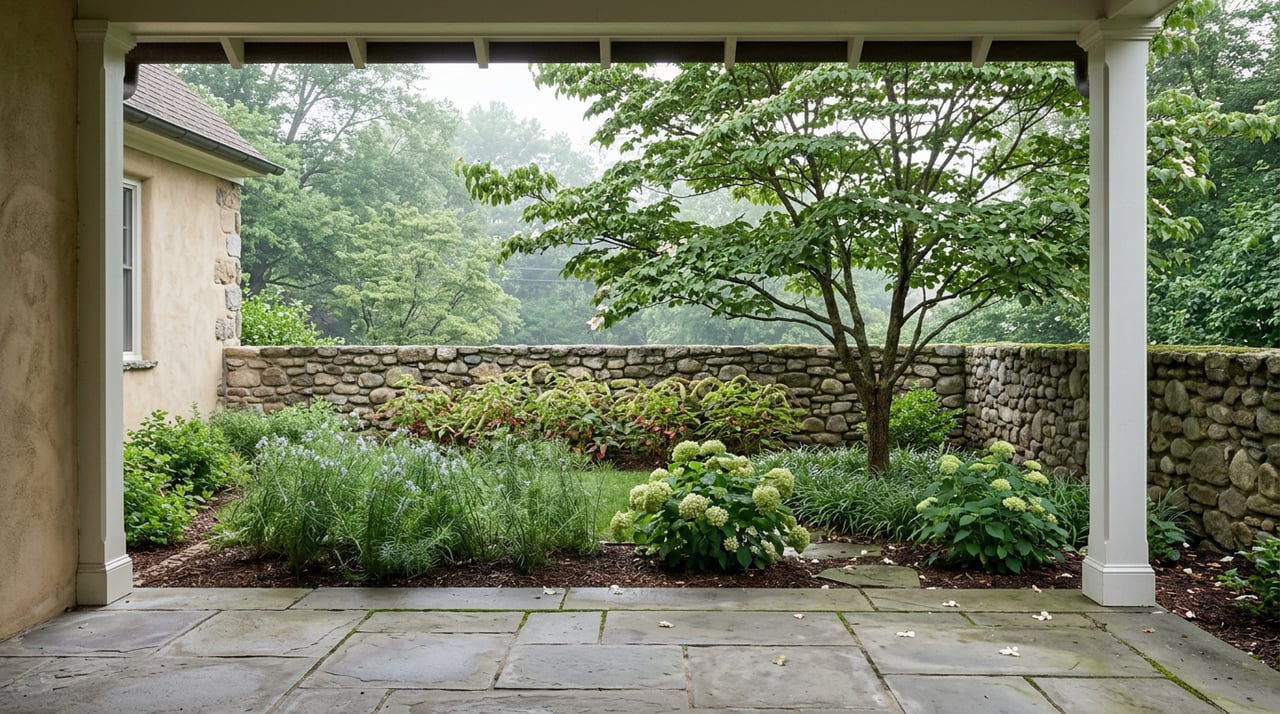
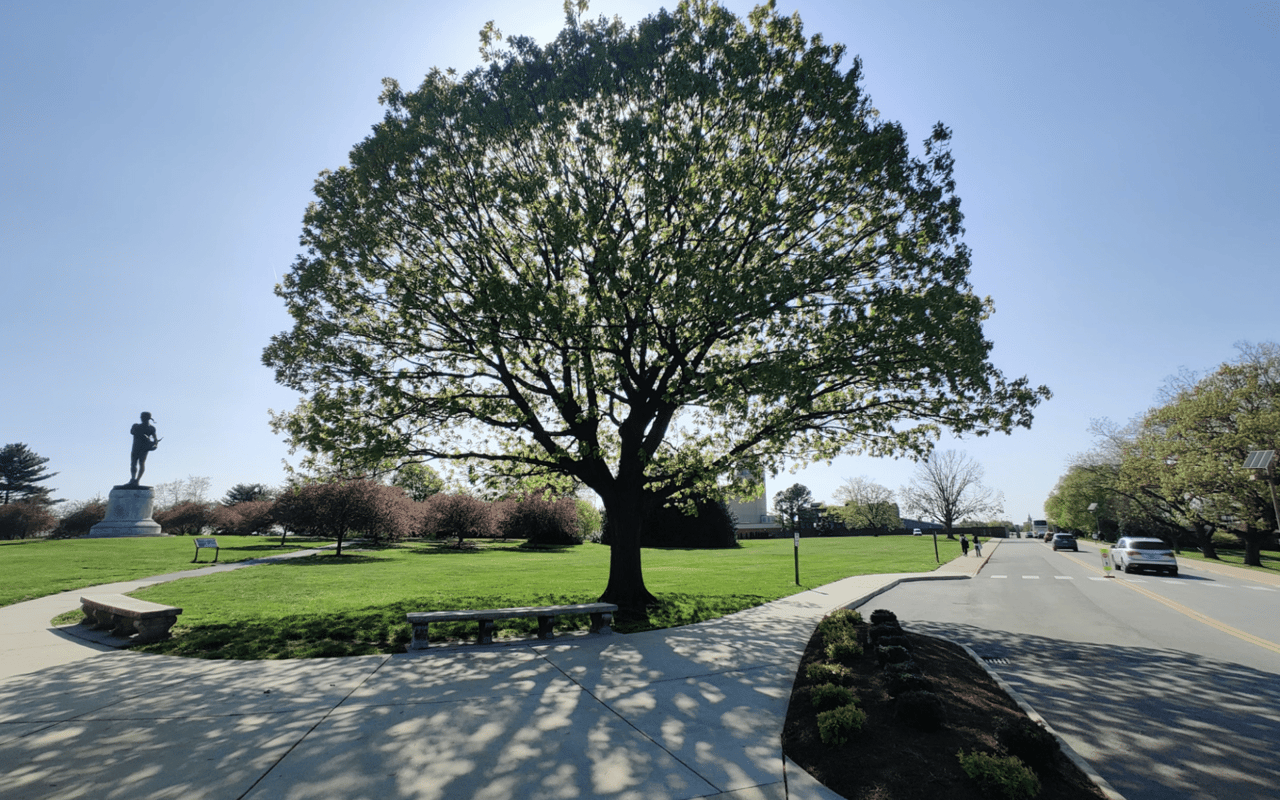
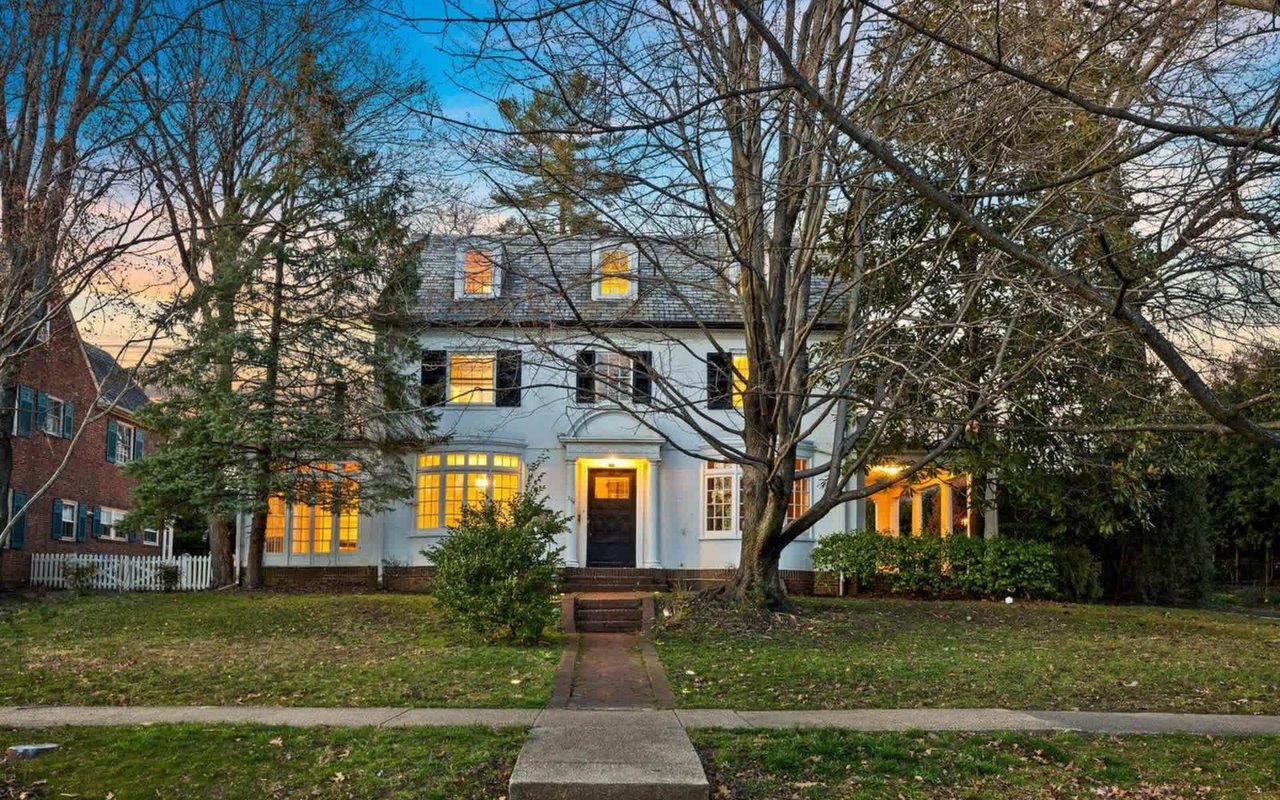
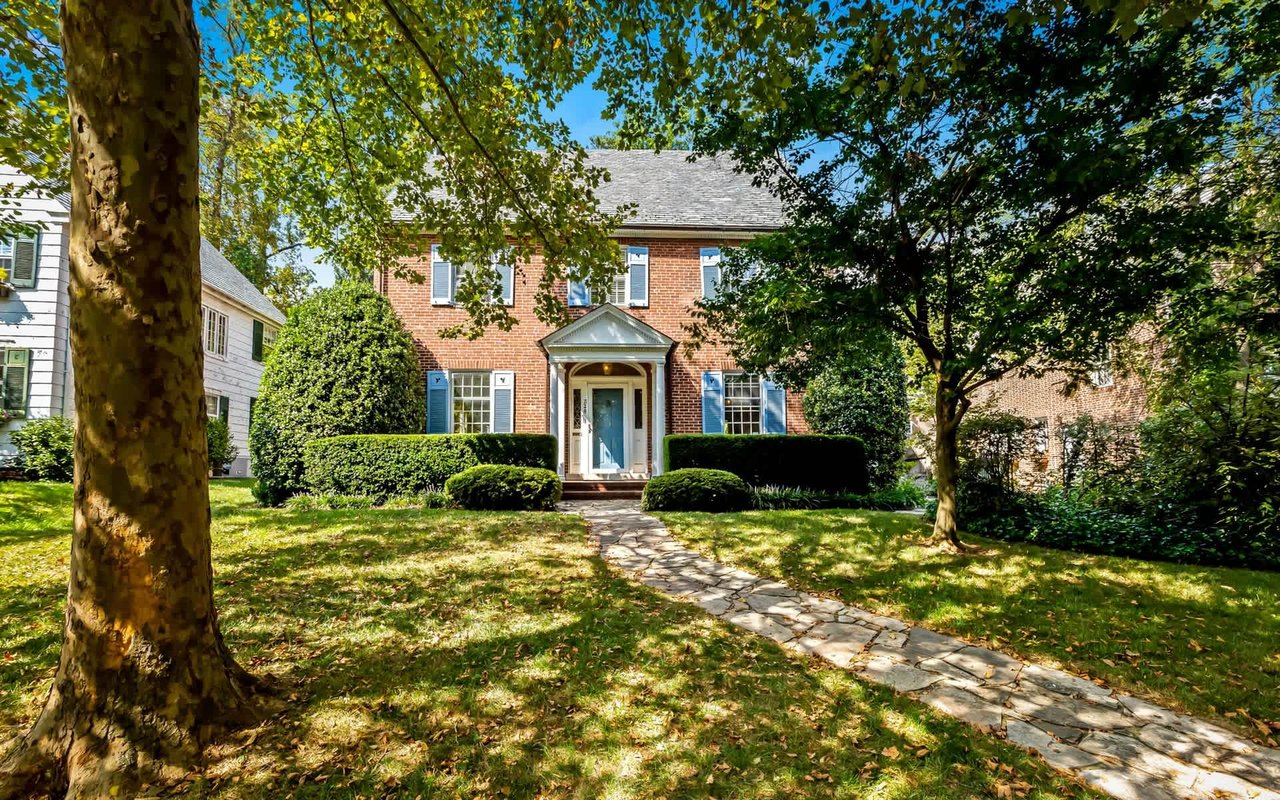
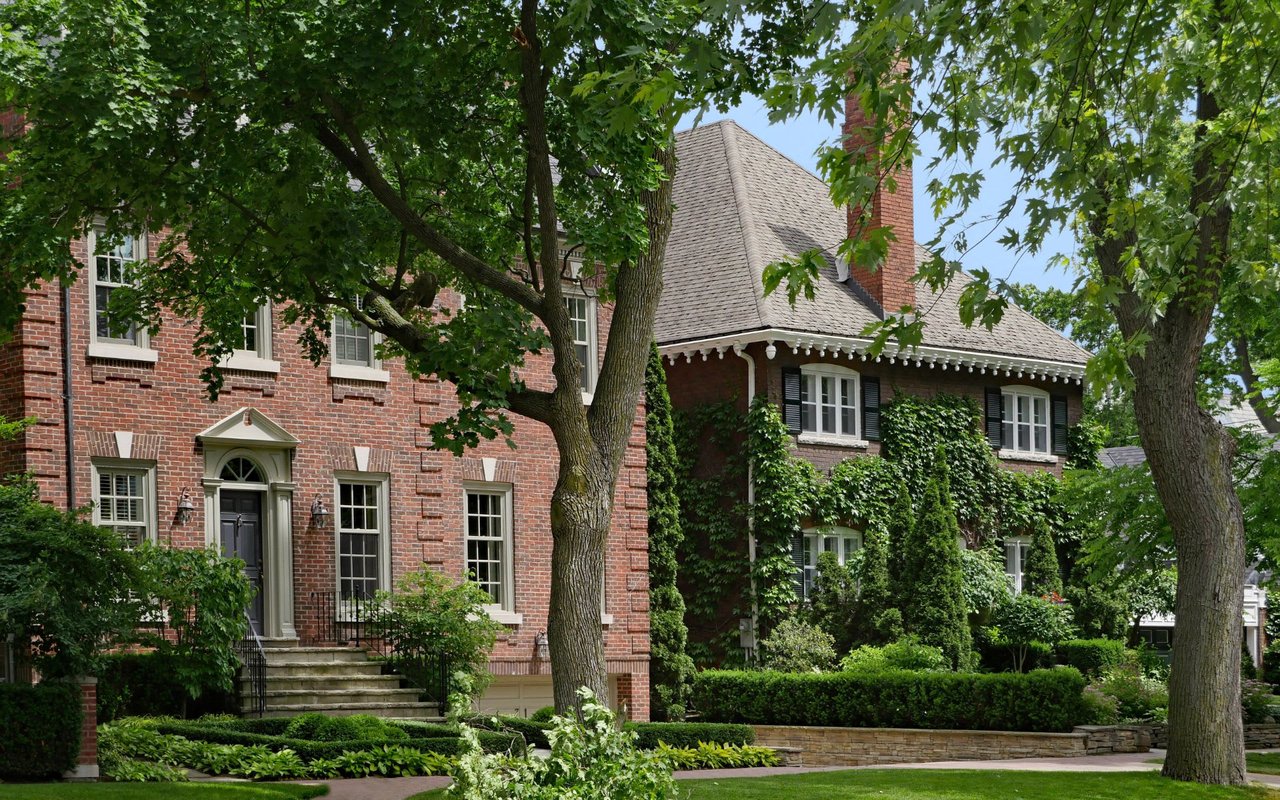
That history still shows up in the way the neighborhood feels today. You will see curving streets, mature trees, and a mix of homes on larger, more irregular lots than you might expect in many city neighborhoods.
Live Baltimore describes Mt. Washington as commuter-friendly, historic, quiet, close-knit, and artsy. In practical terms, that means it often appeals to buyers who want Baltimore access without feeling like they live in the middle of a dense urban grid.
Housing in Mt. Washington
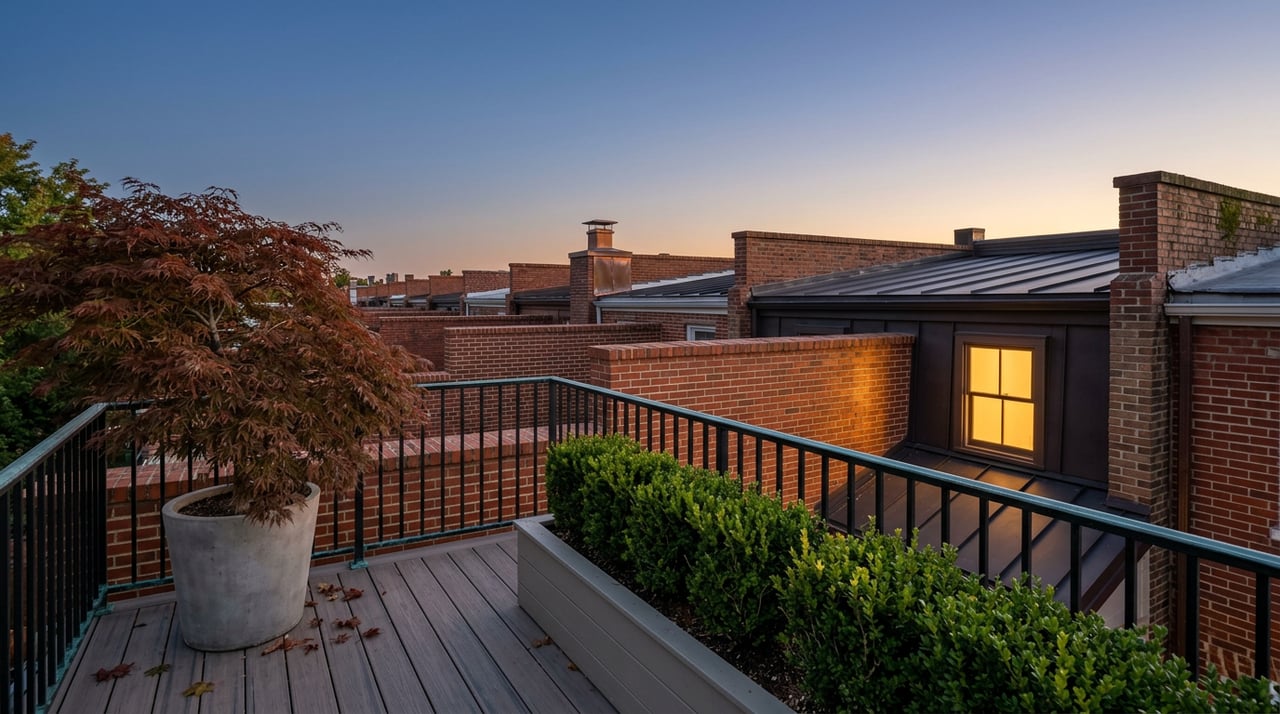
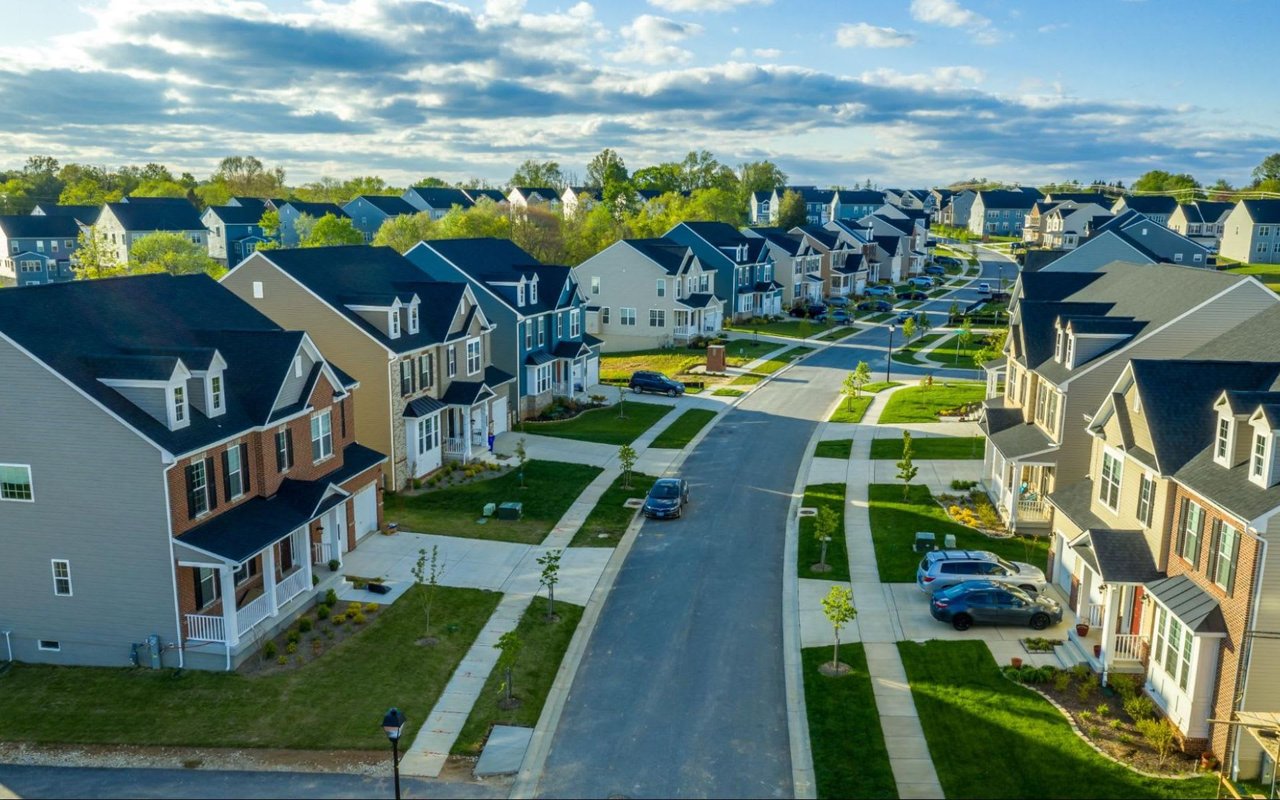
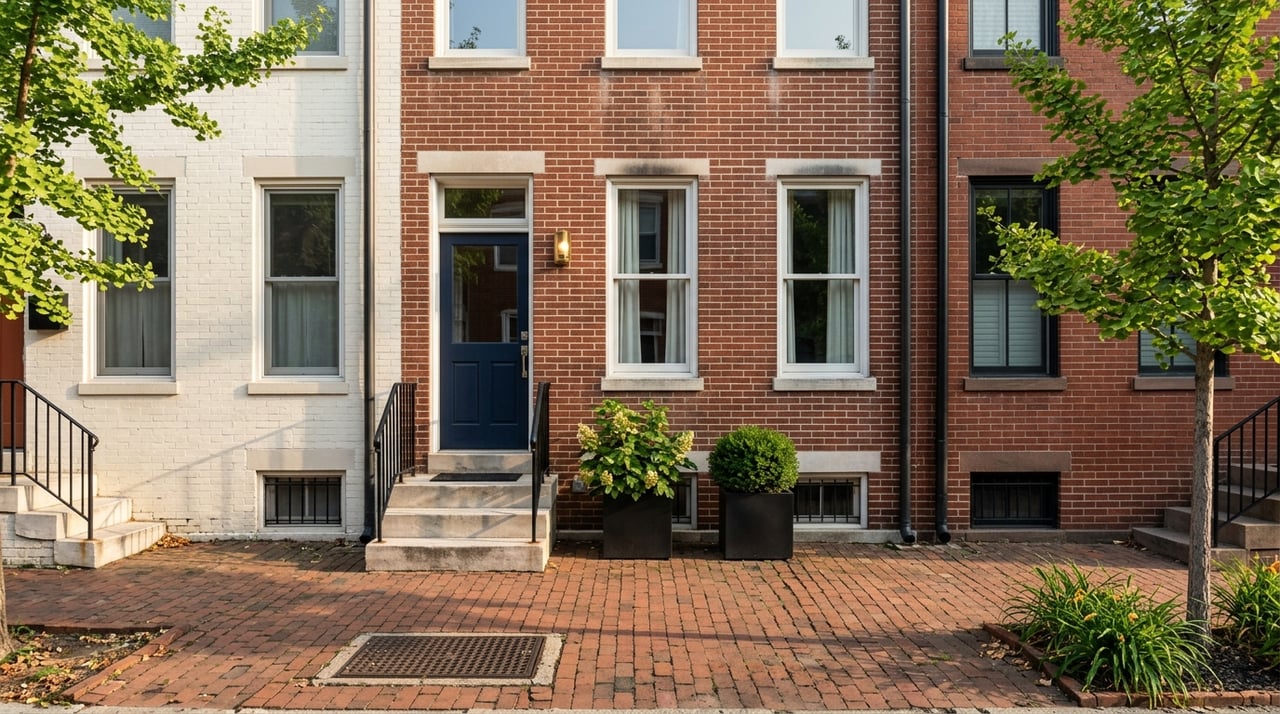
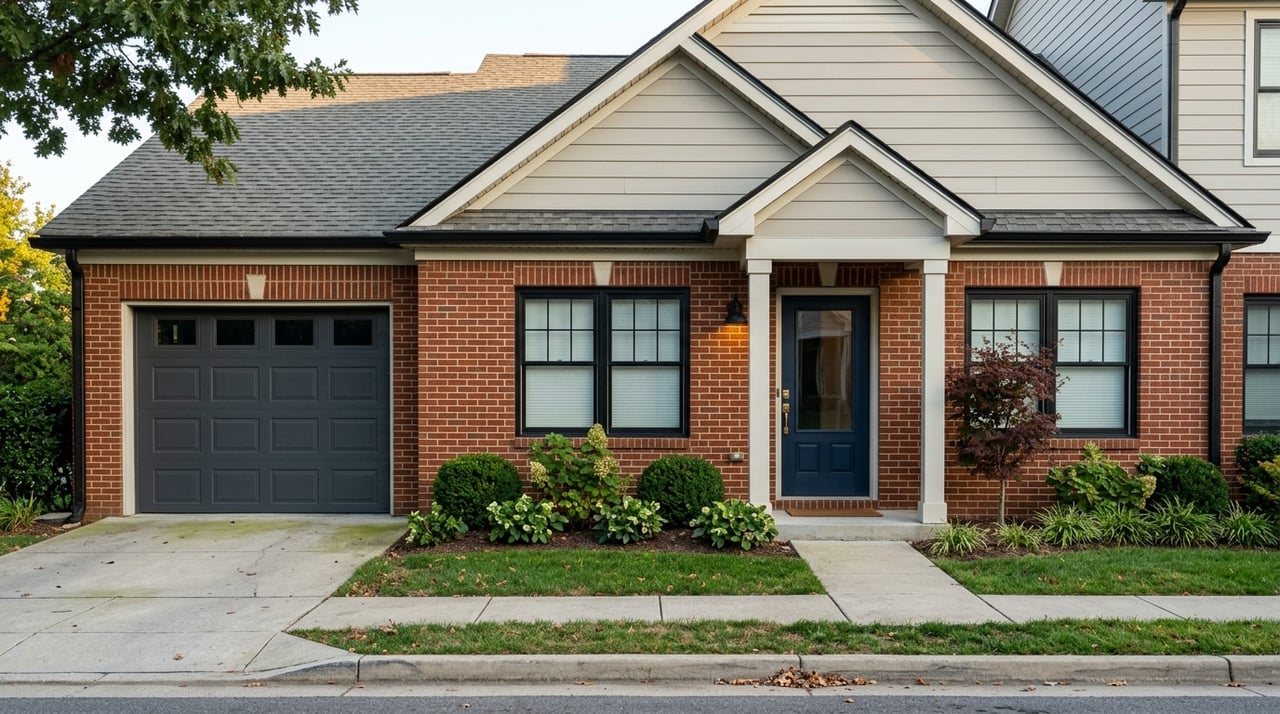
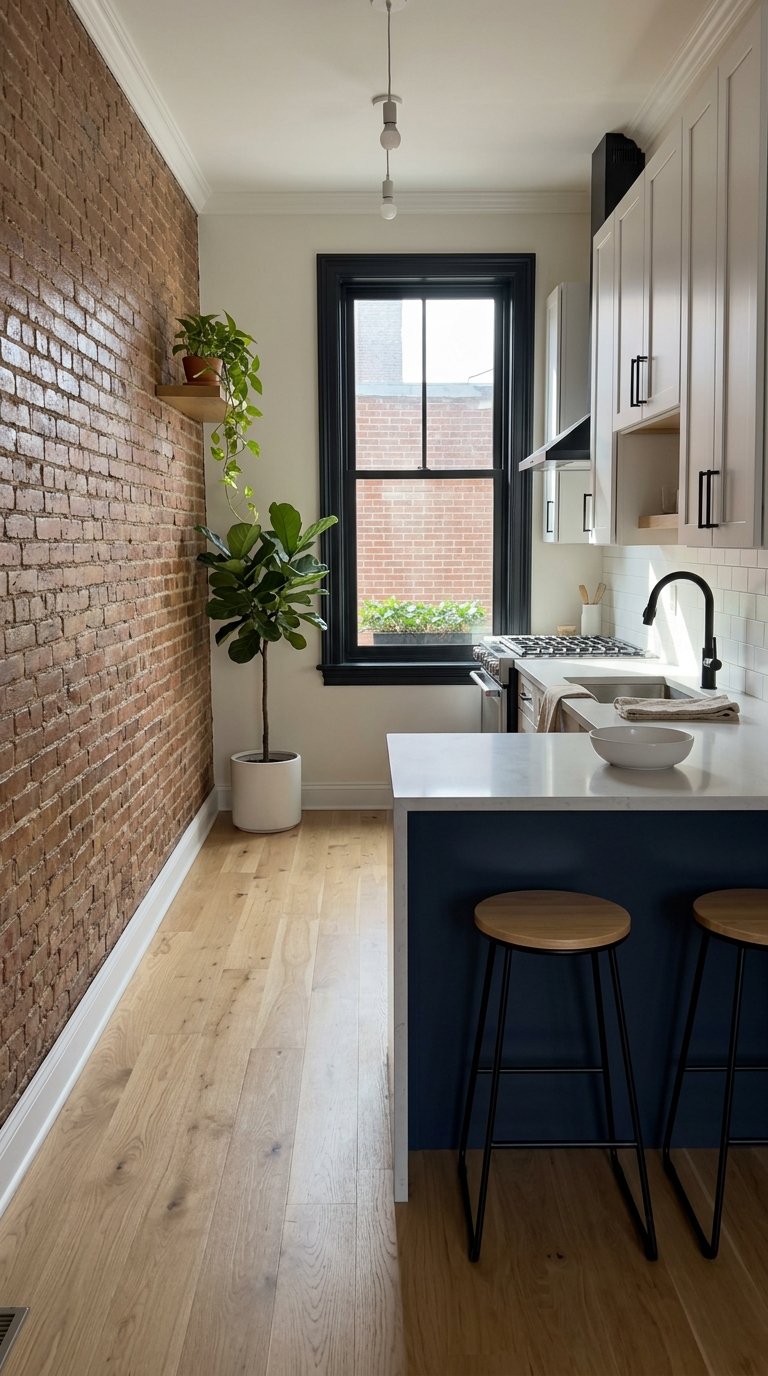
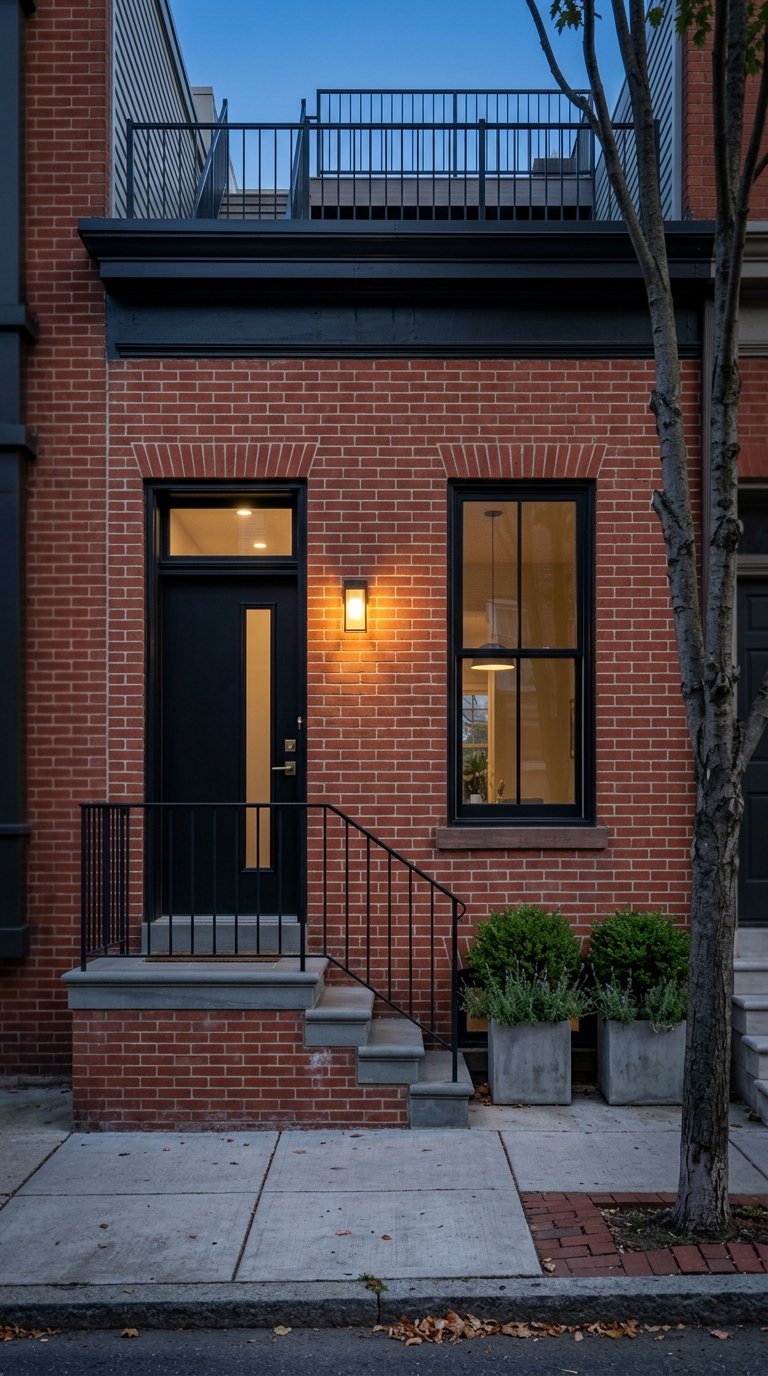
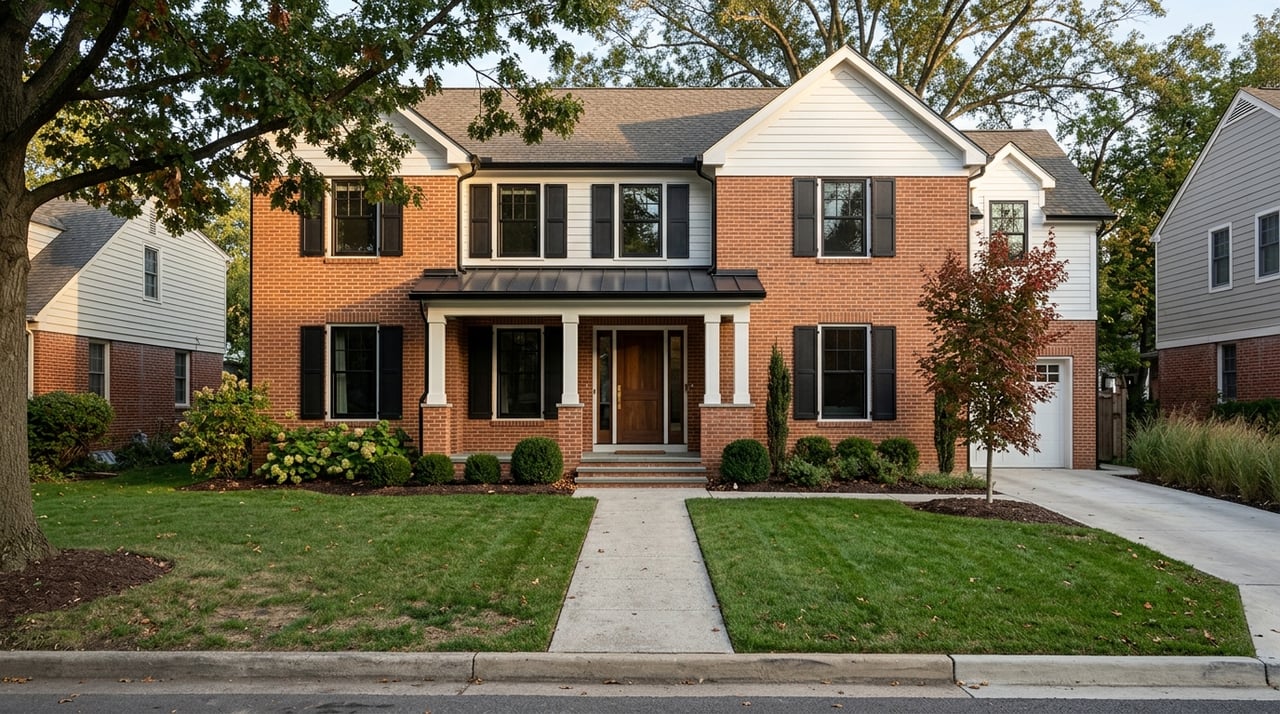
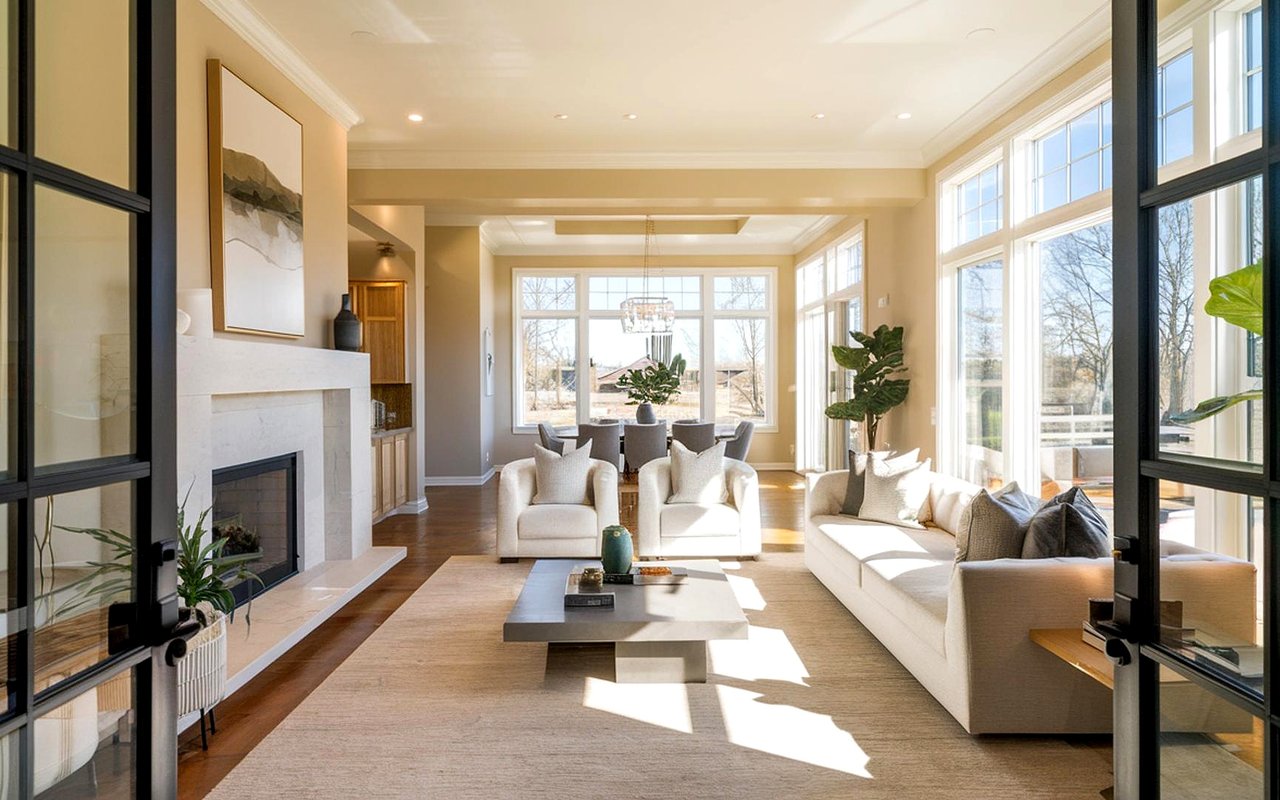
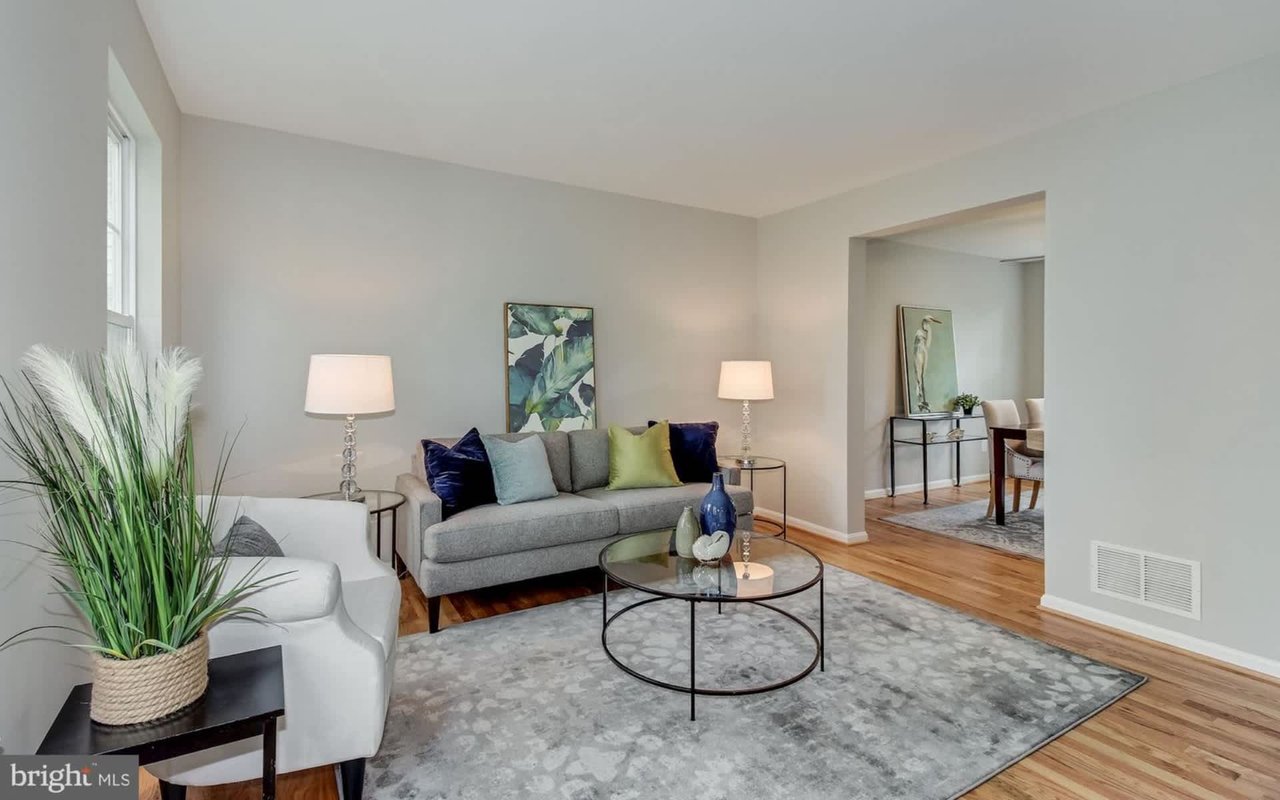
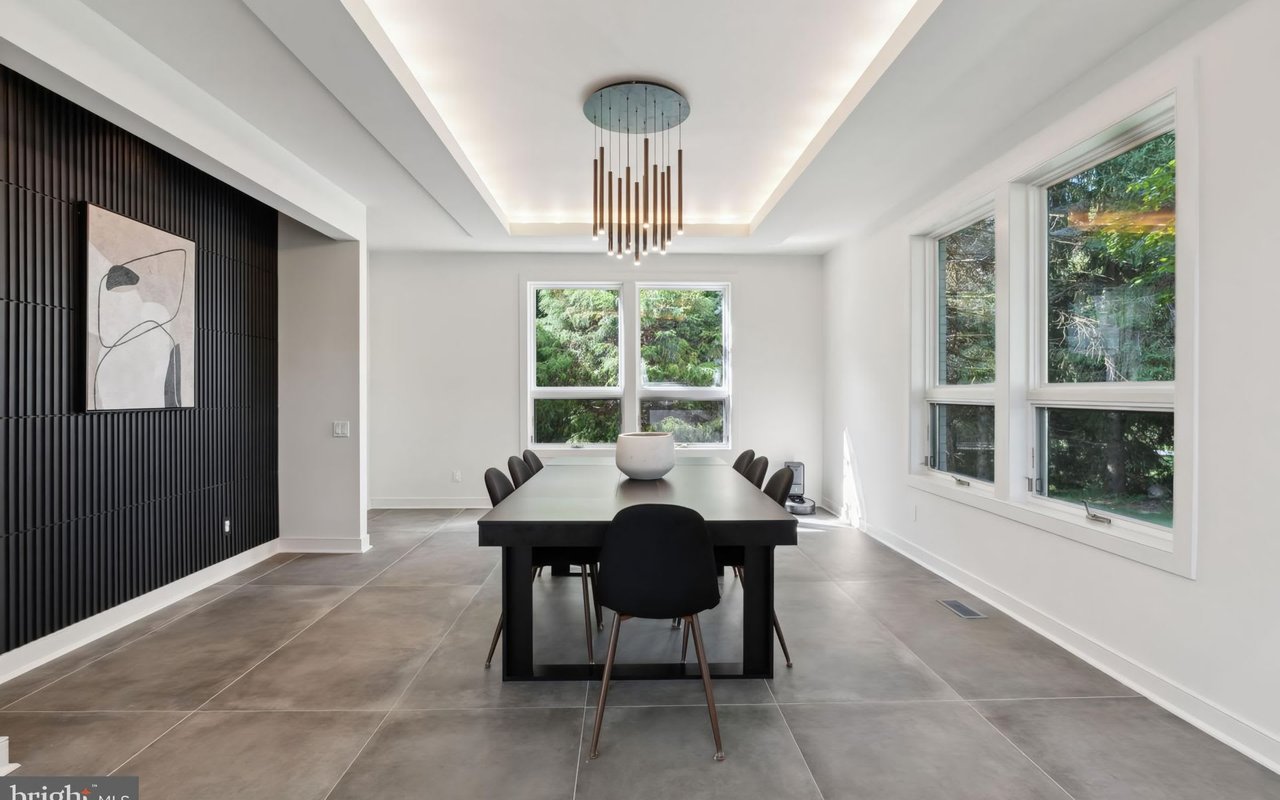
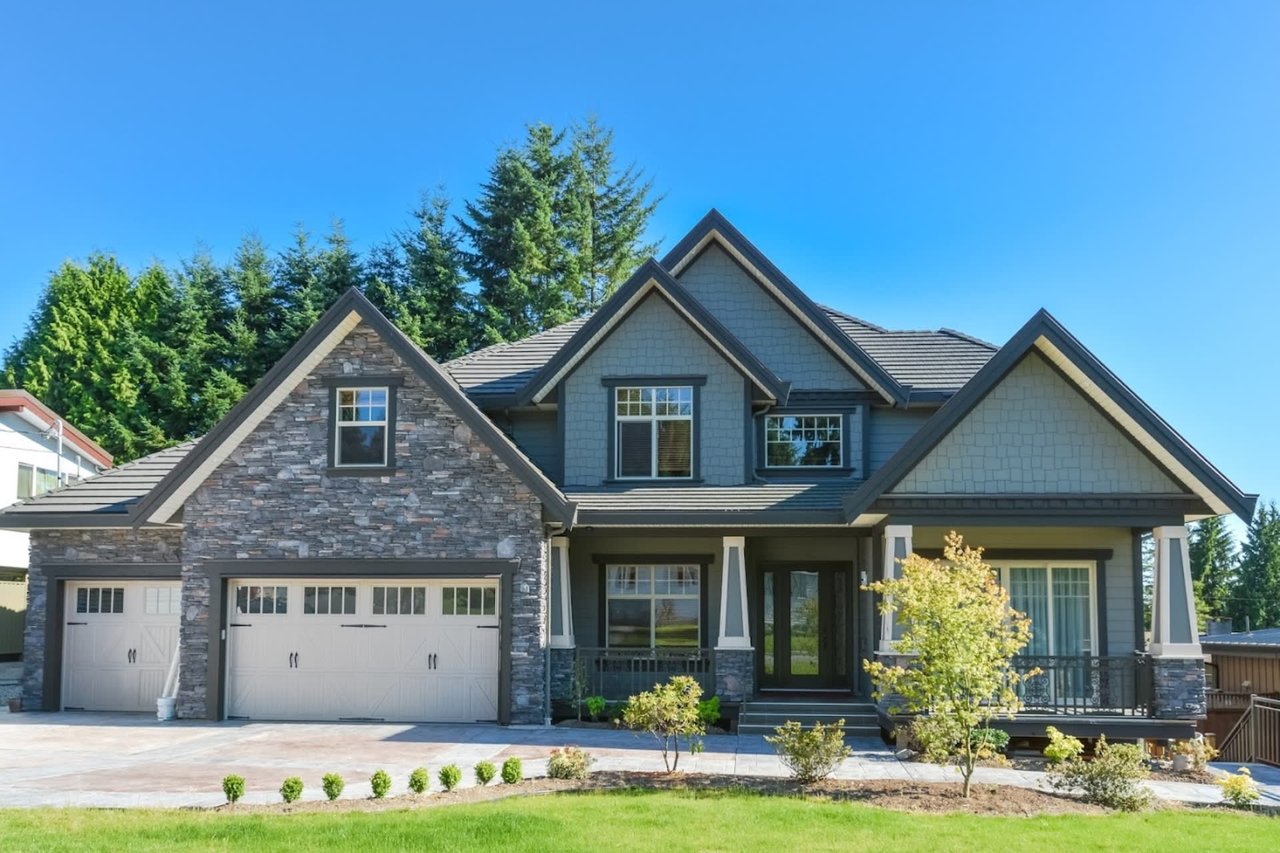
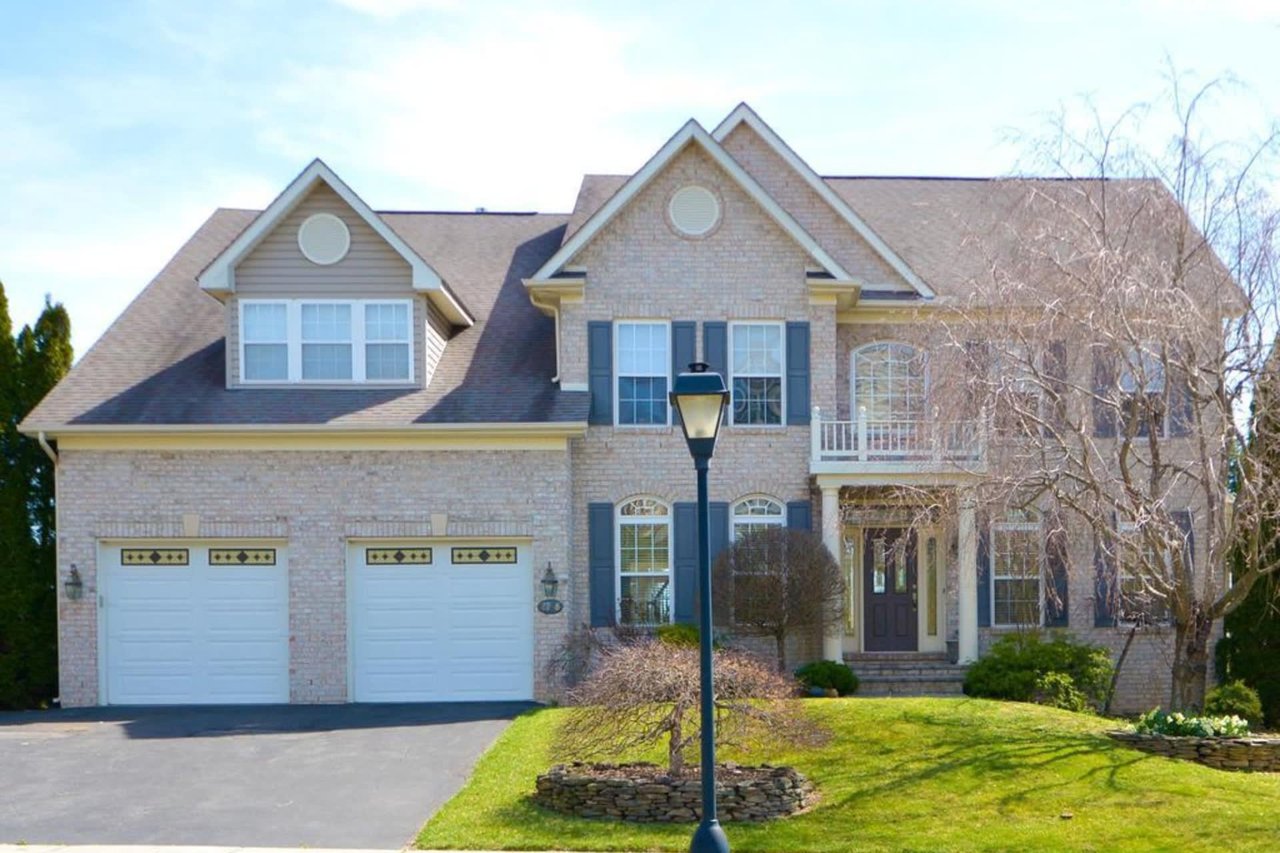
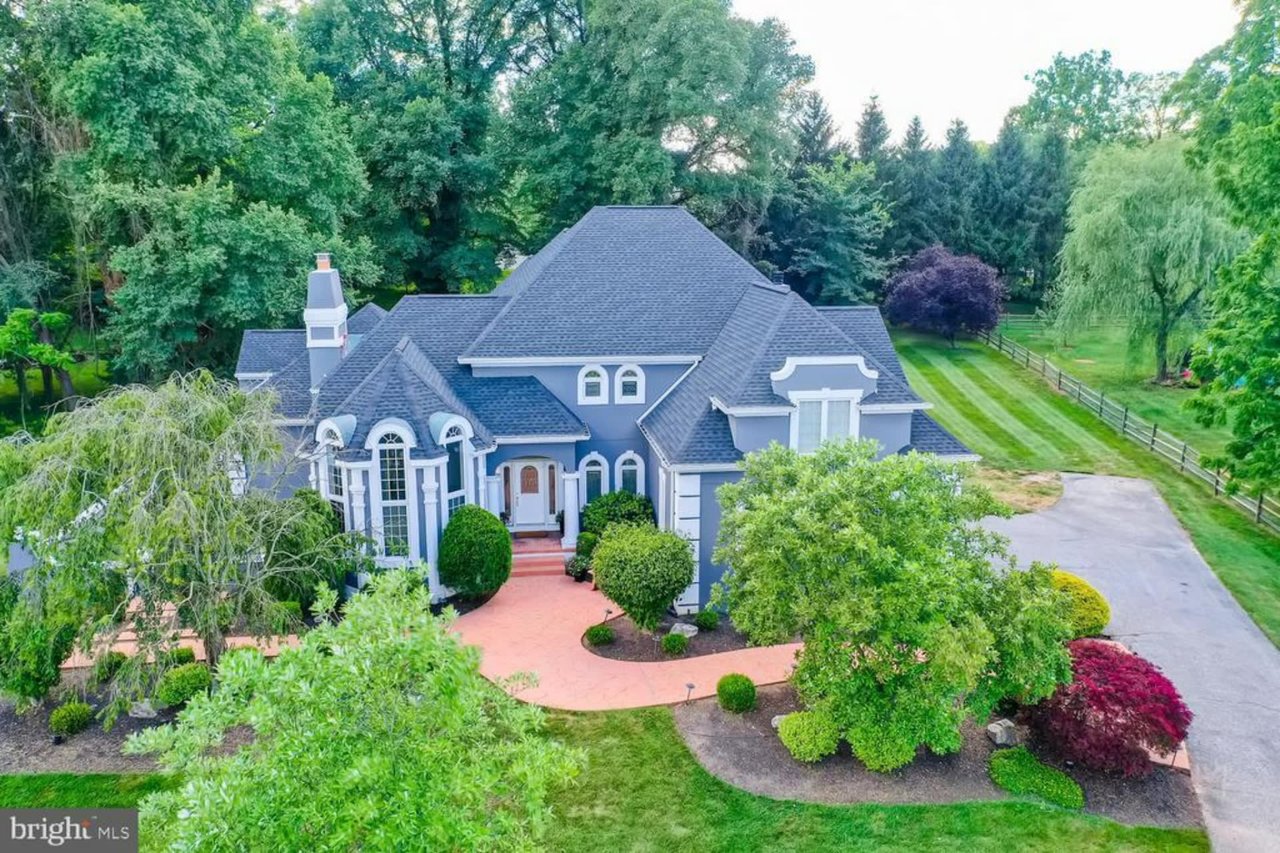
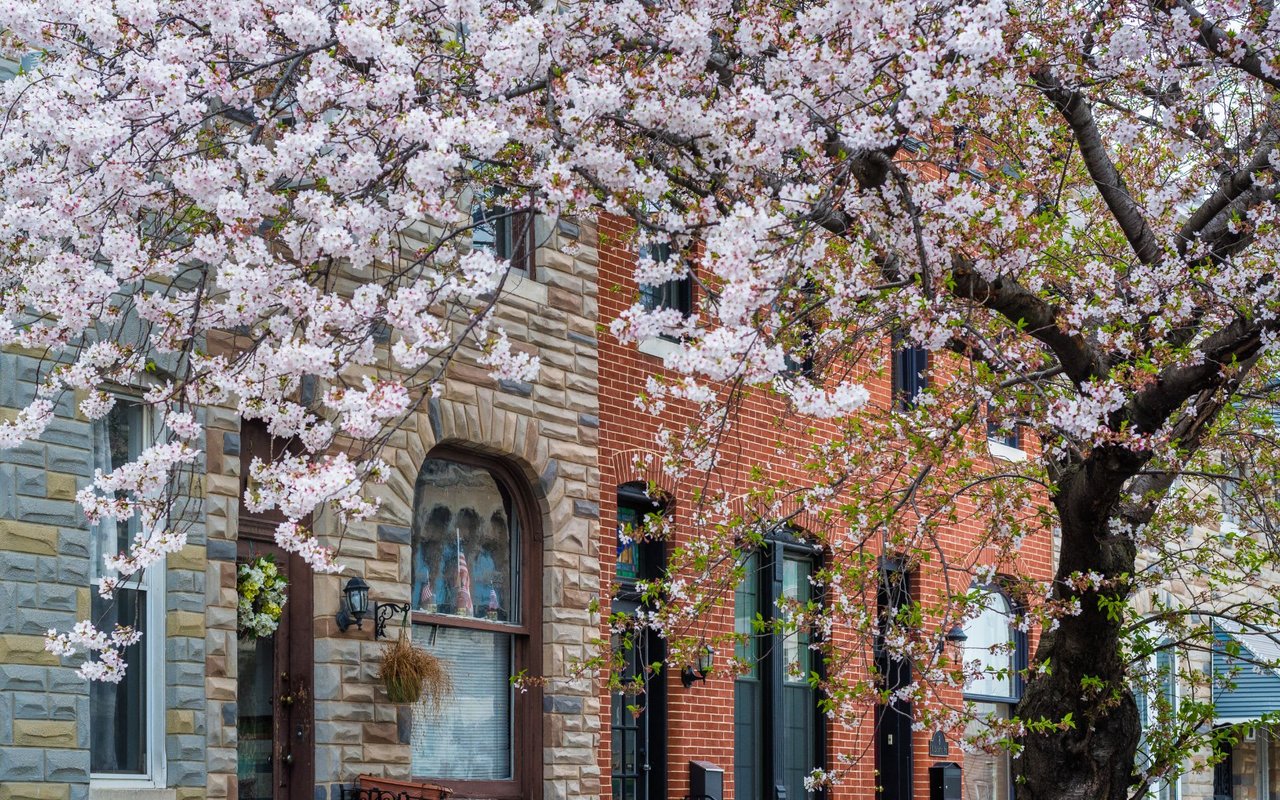
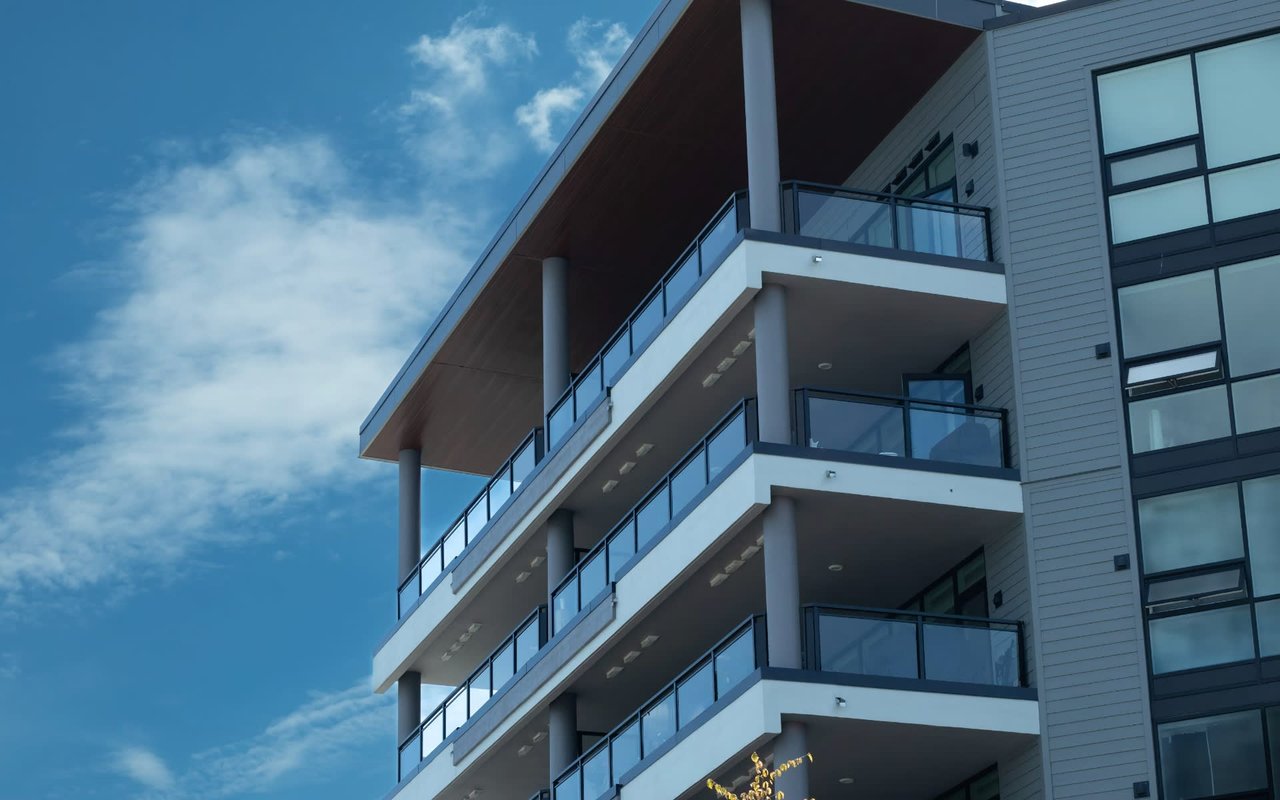
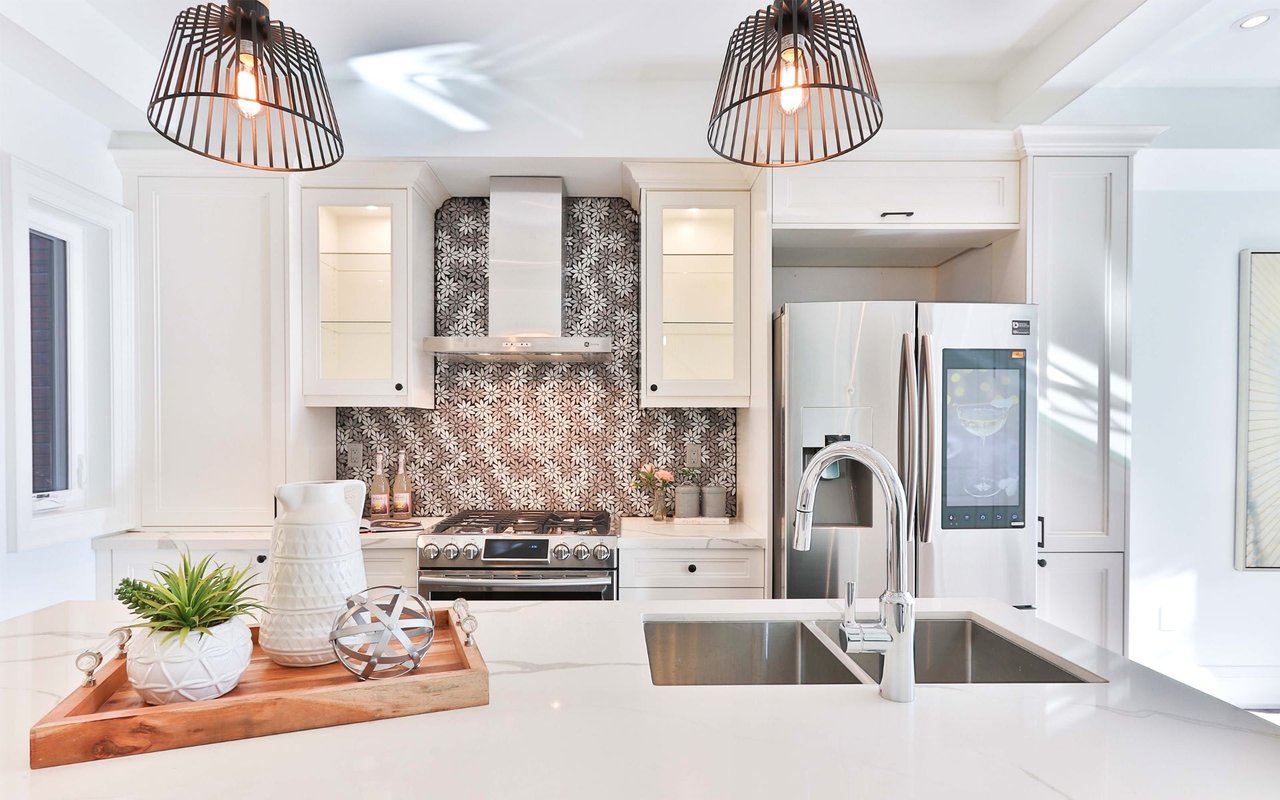
One of Mt. Washington’s biggest strengths is variety. Housing options include condos, rowhomes, detached homes, and apartment buildings, which gives you more flexibility depending on your budget, lifestyle, and space needs.
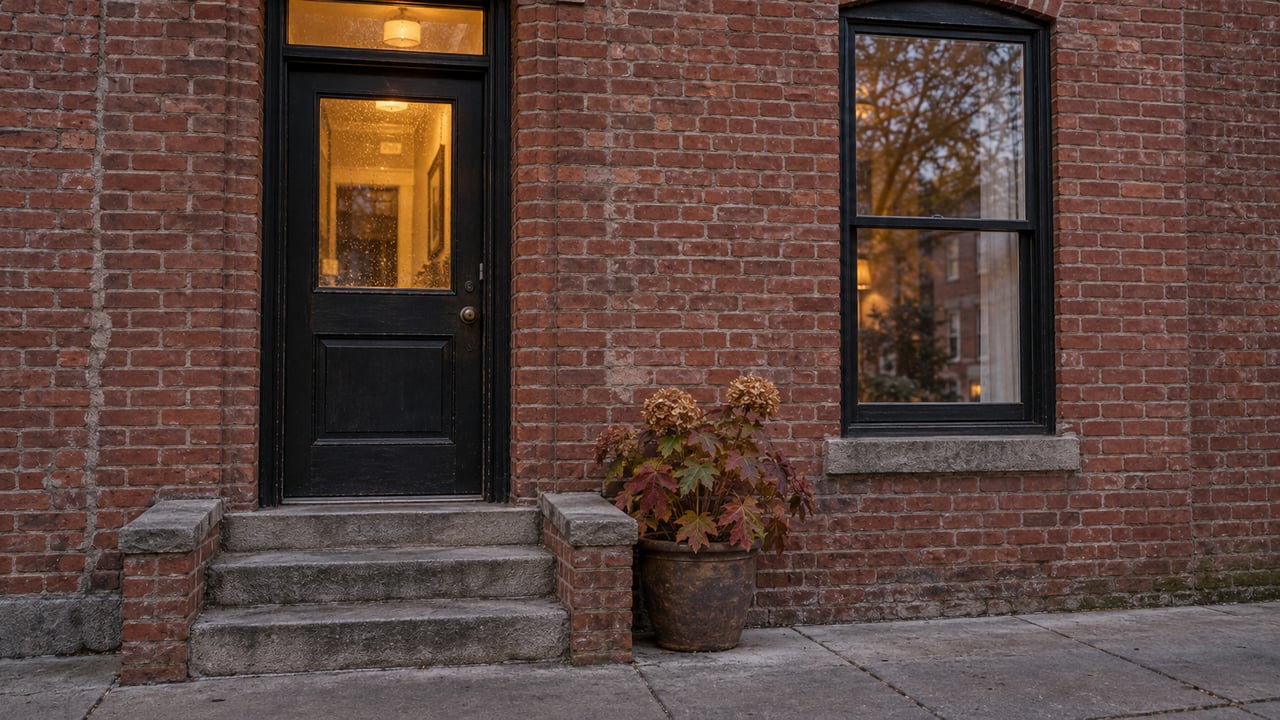
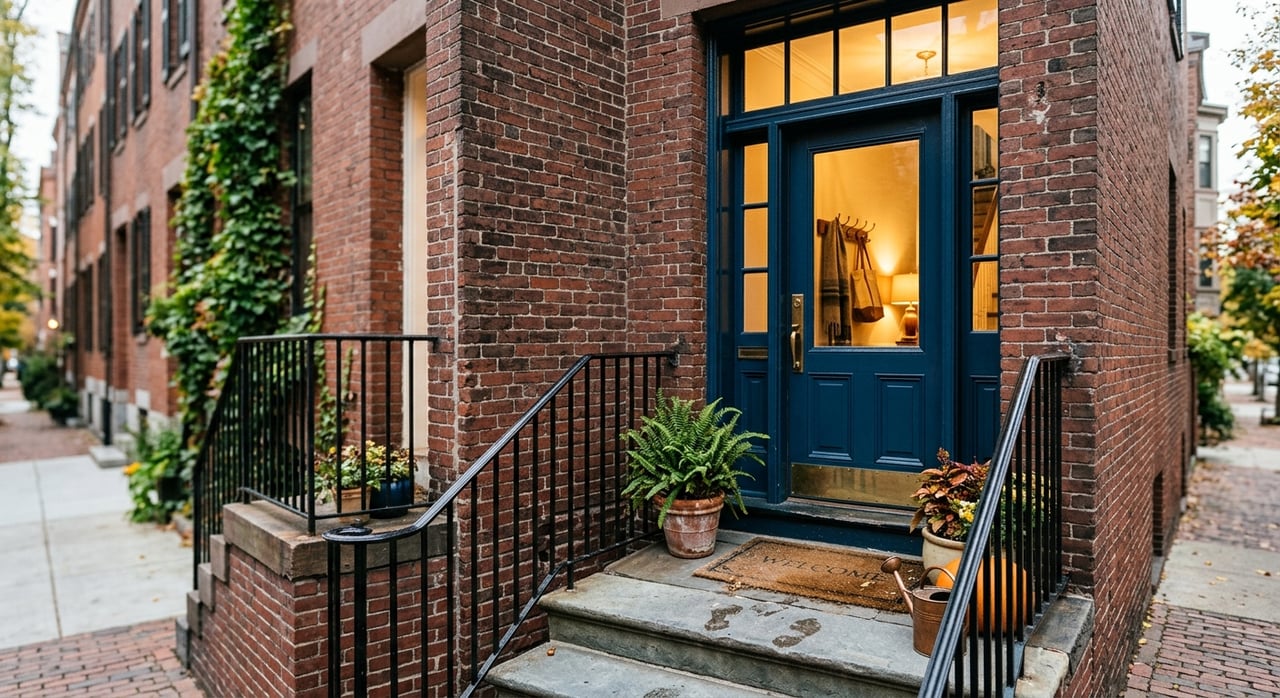
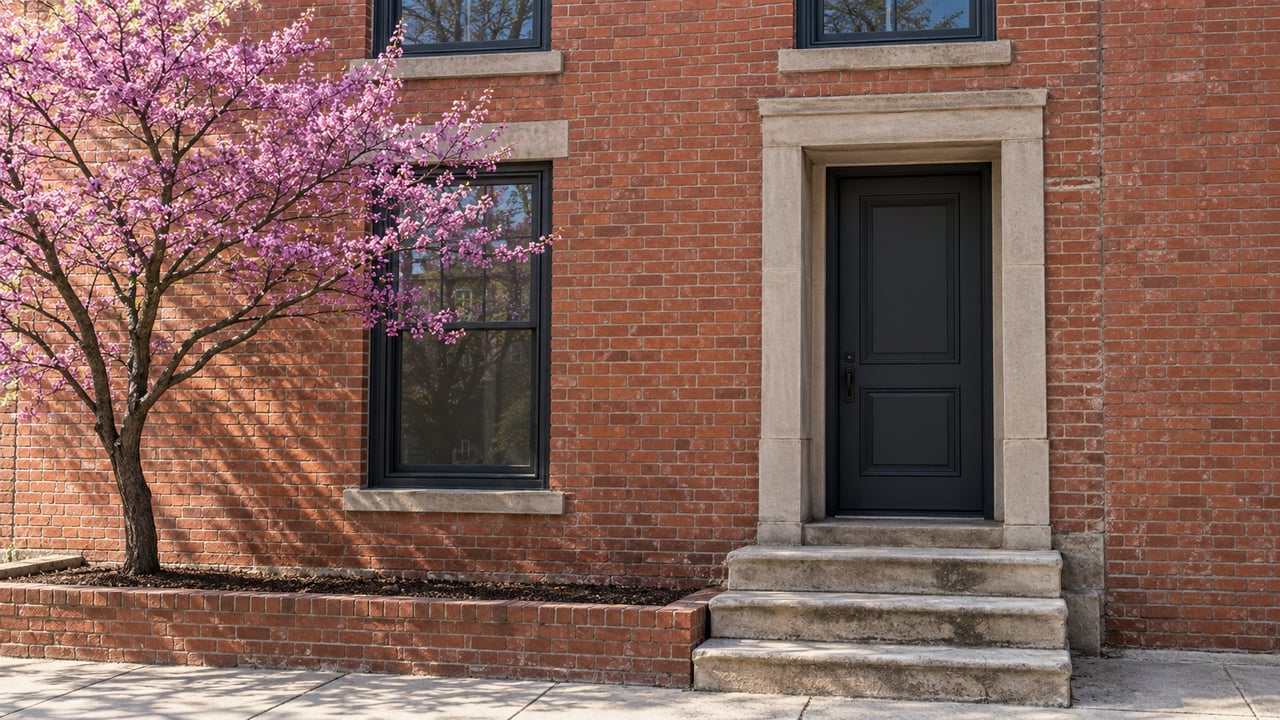
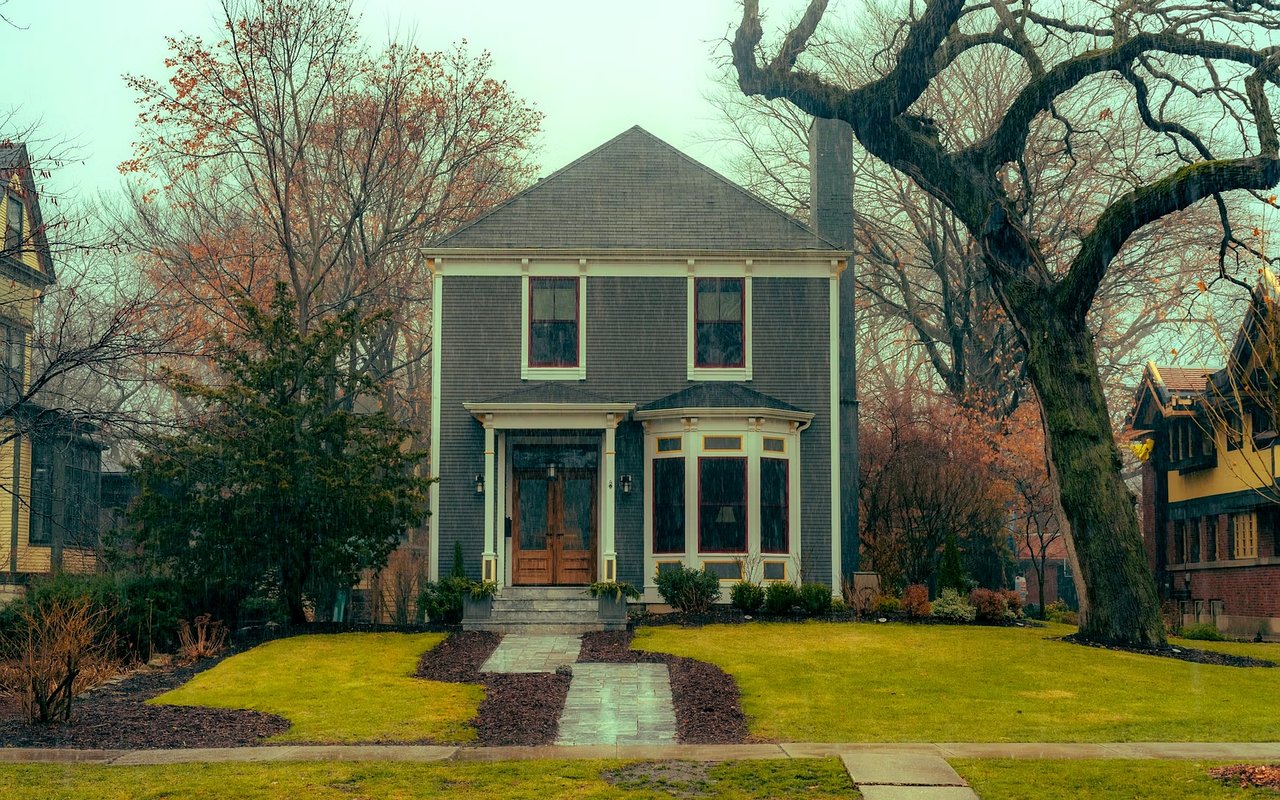
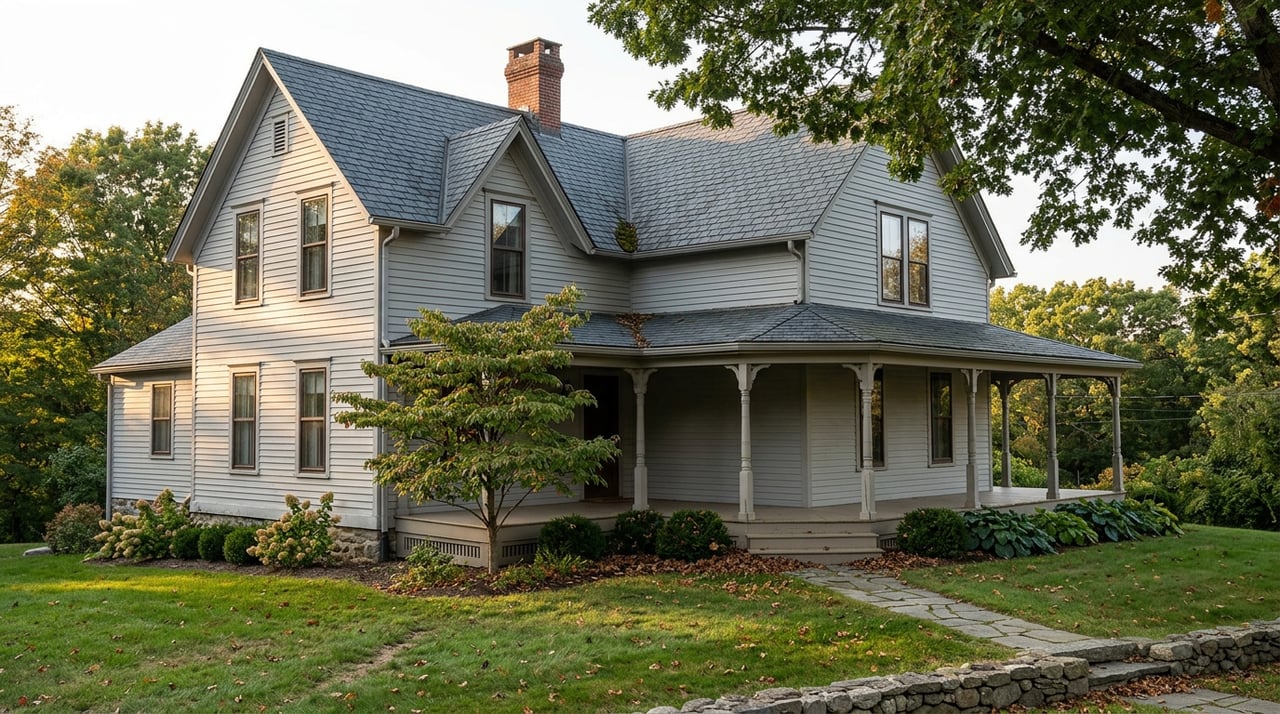
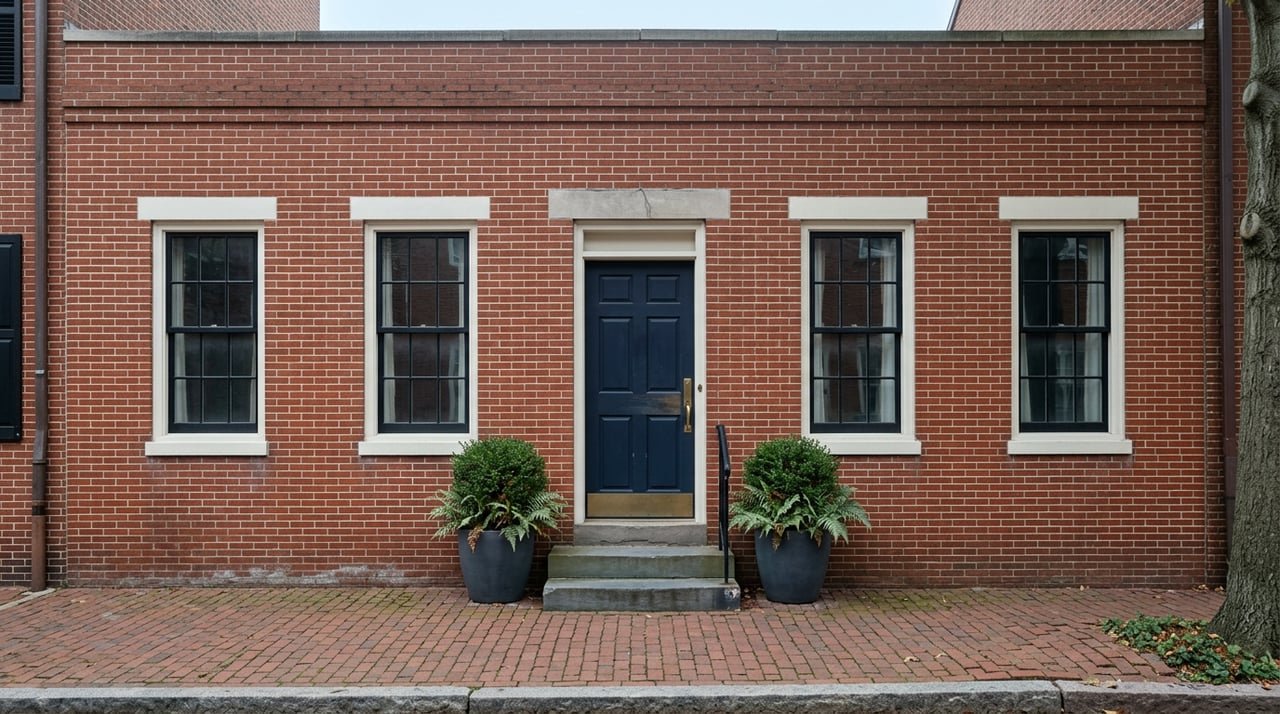
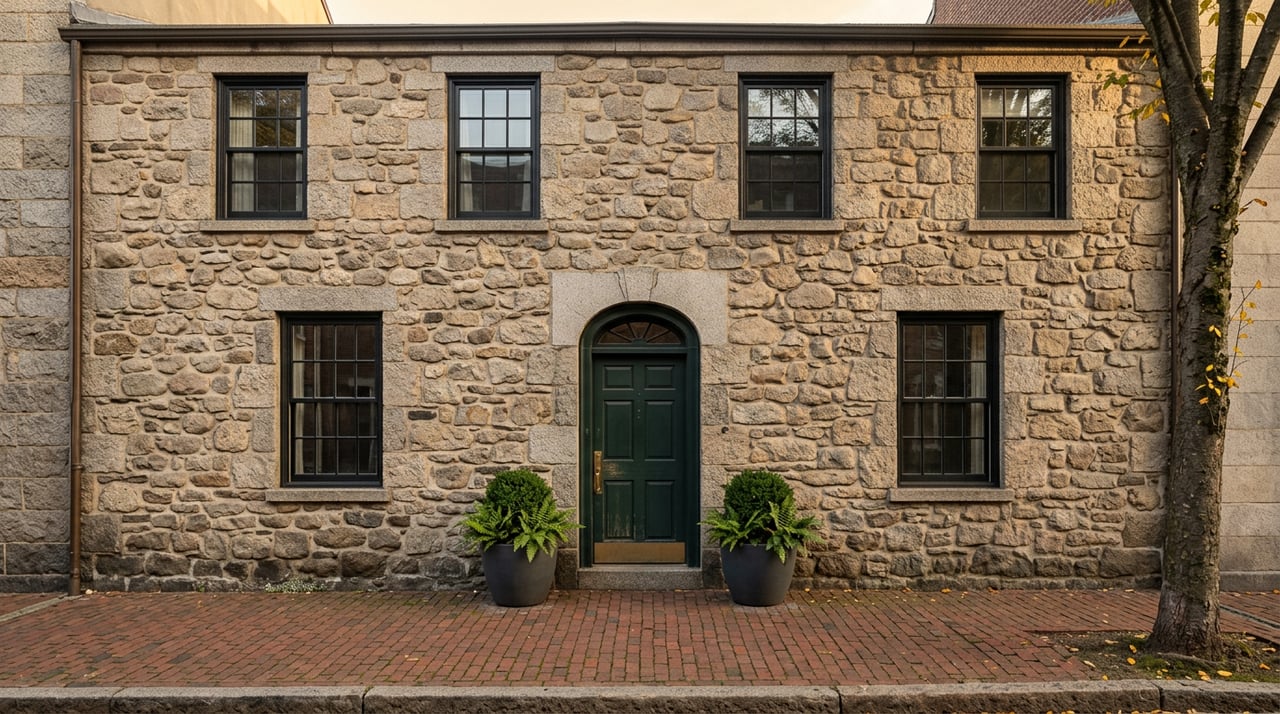
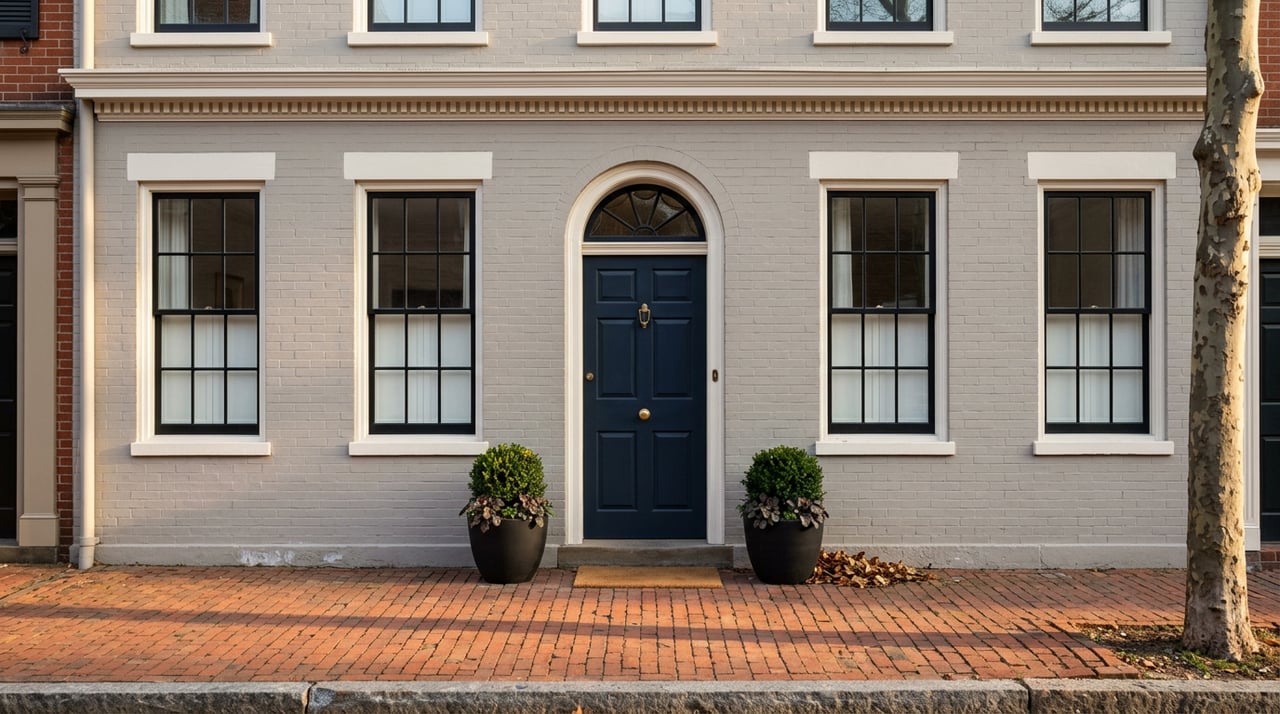
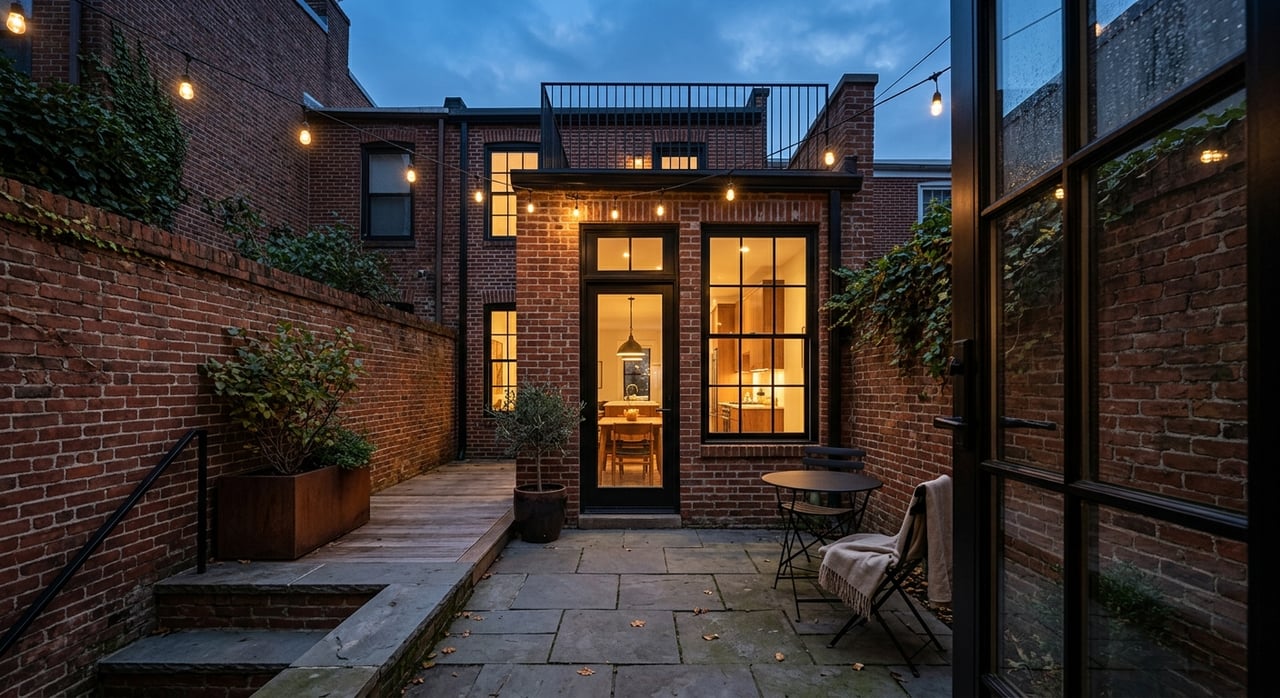
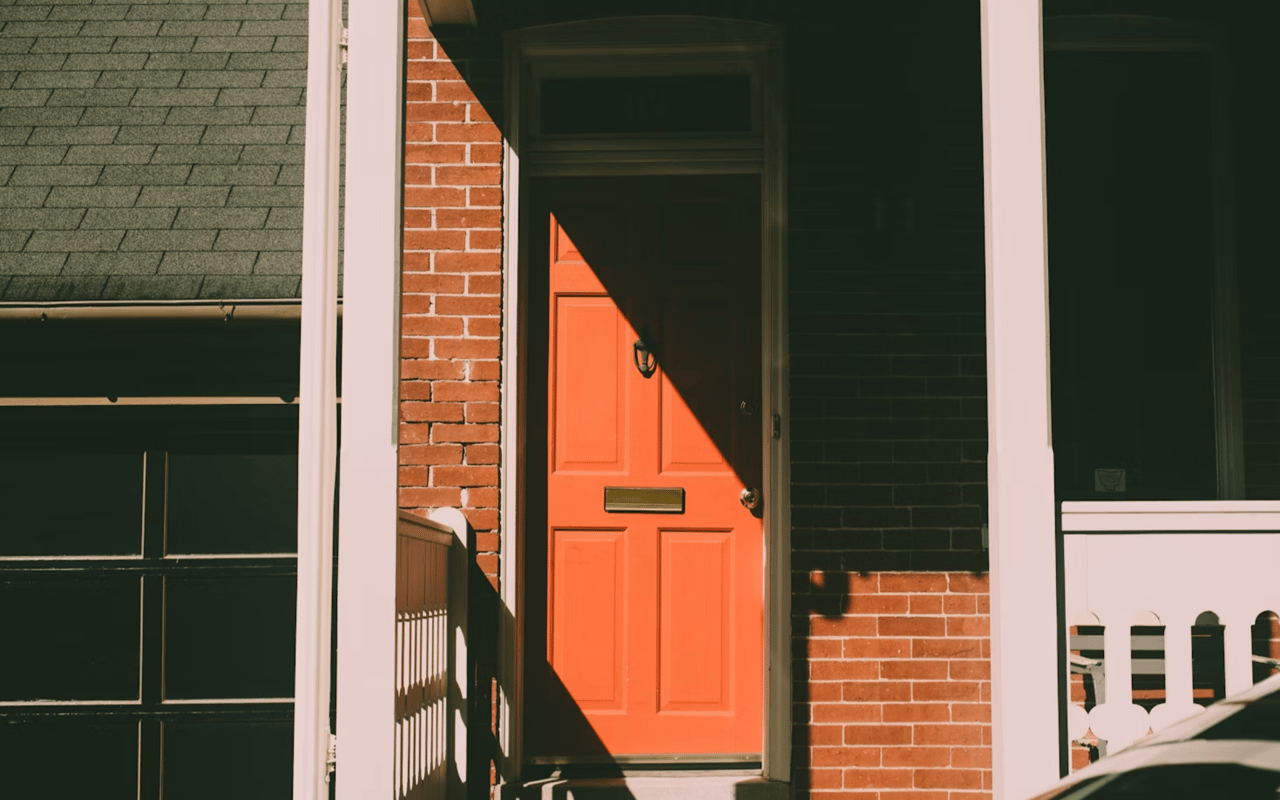
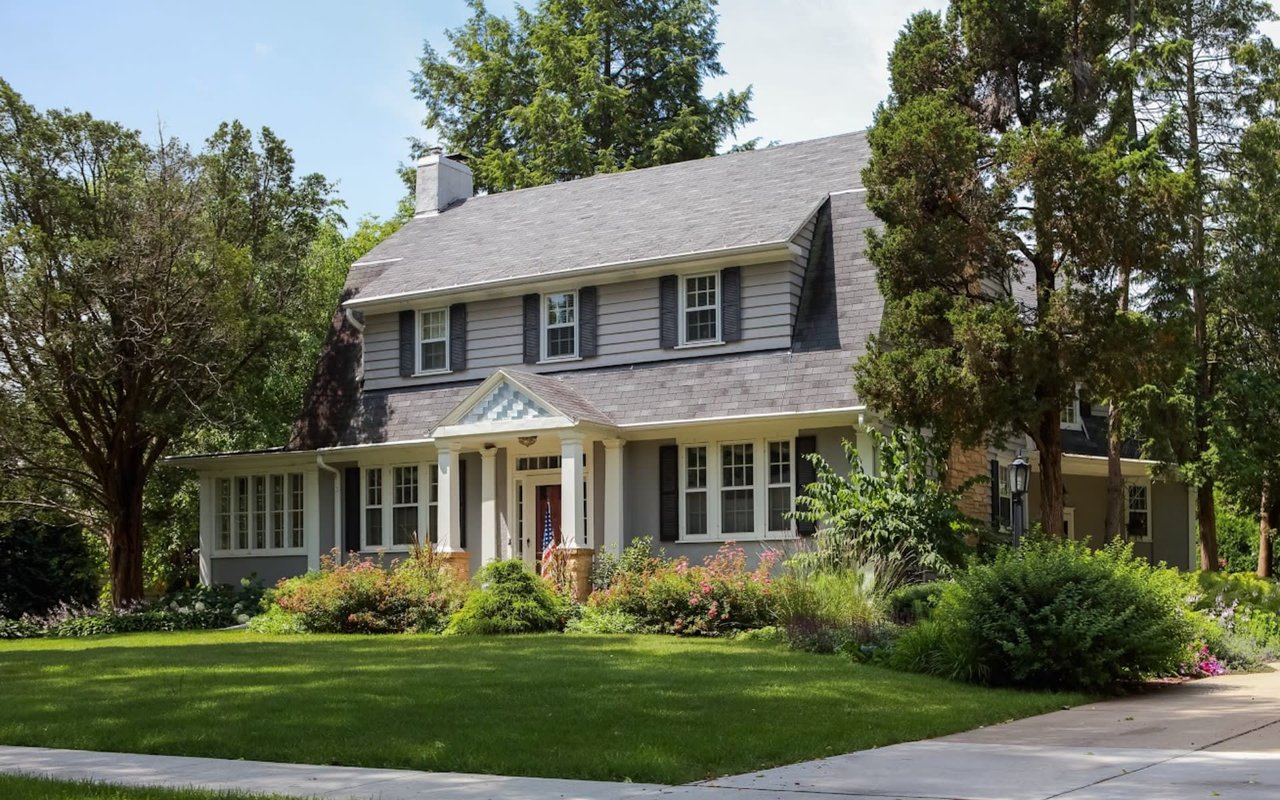
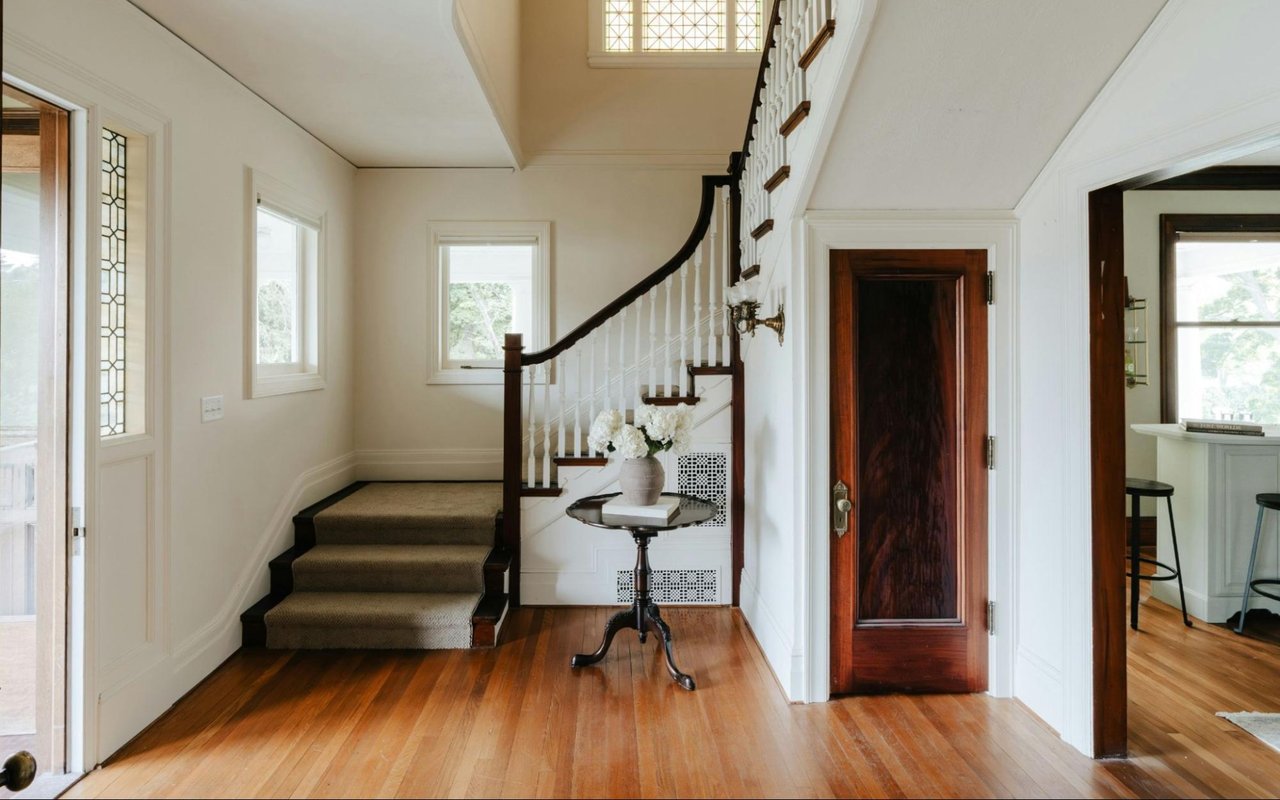
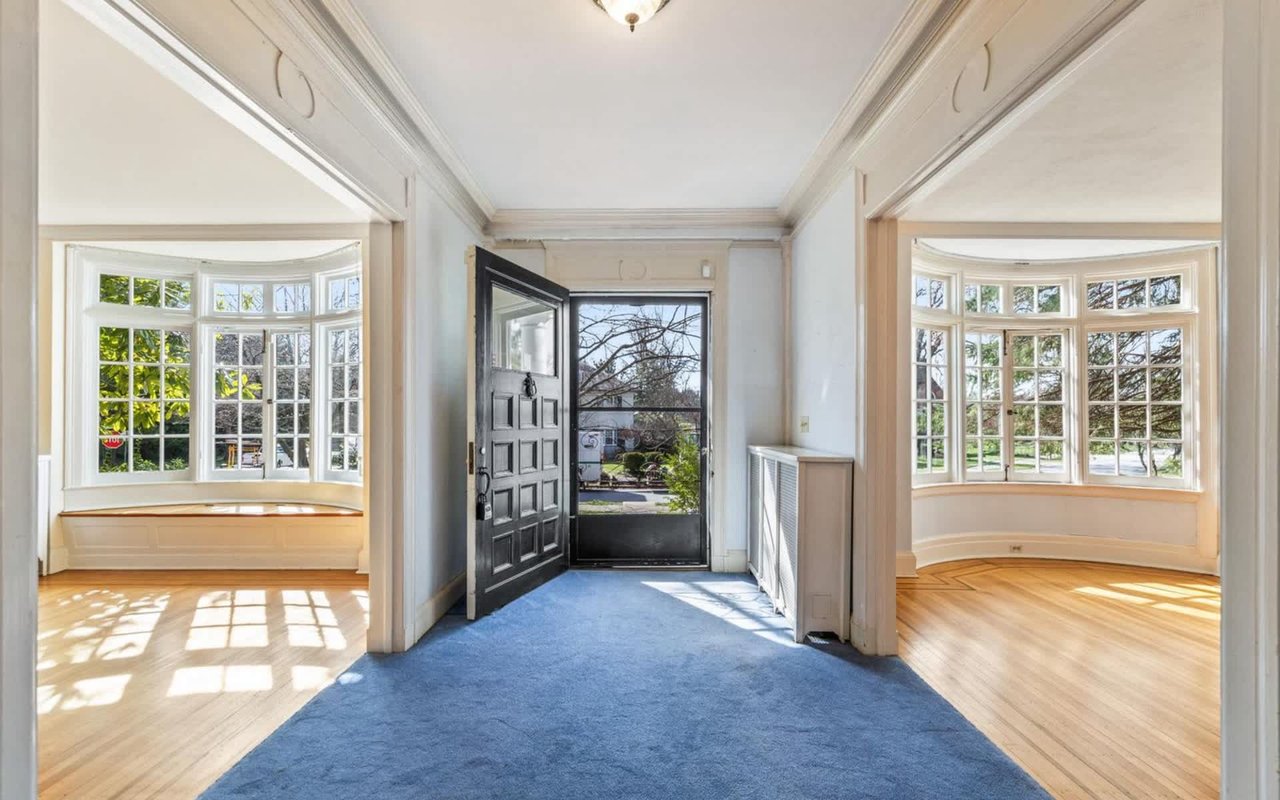
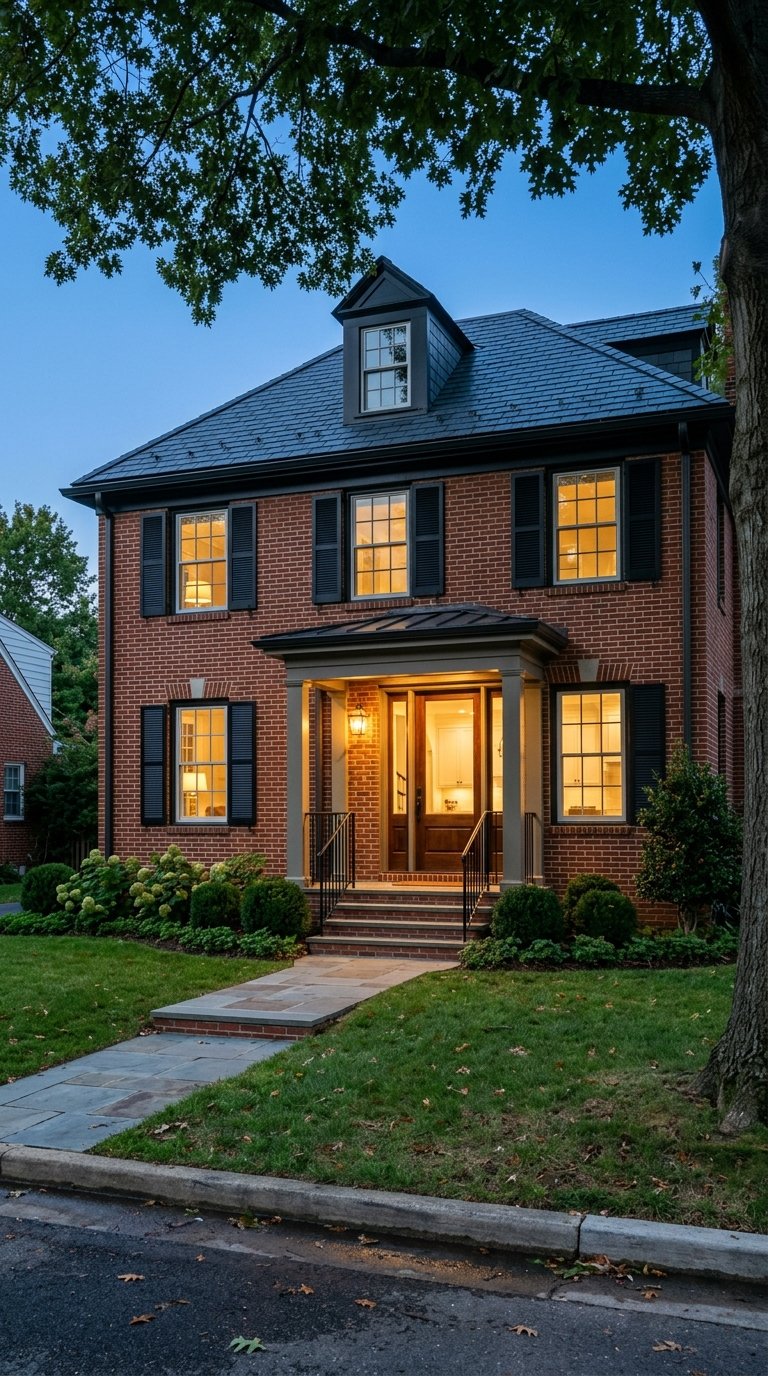
The neighborhood also has distinctive architecture. The community association highlights late-19th- and early-20th-century styles such as Gothic Revival, Italianate, Colonial, and even a small number of Octagon houses.
For buyers, that mix can be a real plus. You may find homes with character, older details, and more visual variety than in neighborhoods with a more uniform housing stock.
Historic district details matter
If you are thinking about buying an older home here, the historic district status is important to understand upfront. The Mount Washington Improvement Association notes that many exterior projects require permits and review through Baltimore’s preservation process.
That does not mean you cannot make updates. It does mean changes like additions, window replacements, roofing, or facade work may take more planning than they would in a non-historic neighborhood.
What prices look like
Live Baltimore lists the median home purchase price in Mt. Washington at $520,000. The same profile estimates rent at $1,411 and shows an occupancy mix of 65% owner-occupied and 35% renter-occupied.
Those numbers suggest a neighborhood with a strong ownership presence and a range of housing types. If you are comparing Mt. Washington with other Baltimore neighborhoods, it helps to think about value in terms of setting, home style, lot size, and access to green space, not just square footage alone.
Daily Life and Local Amenities
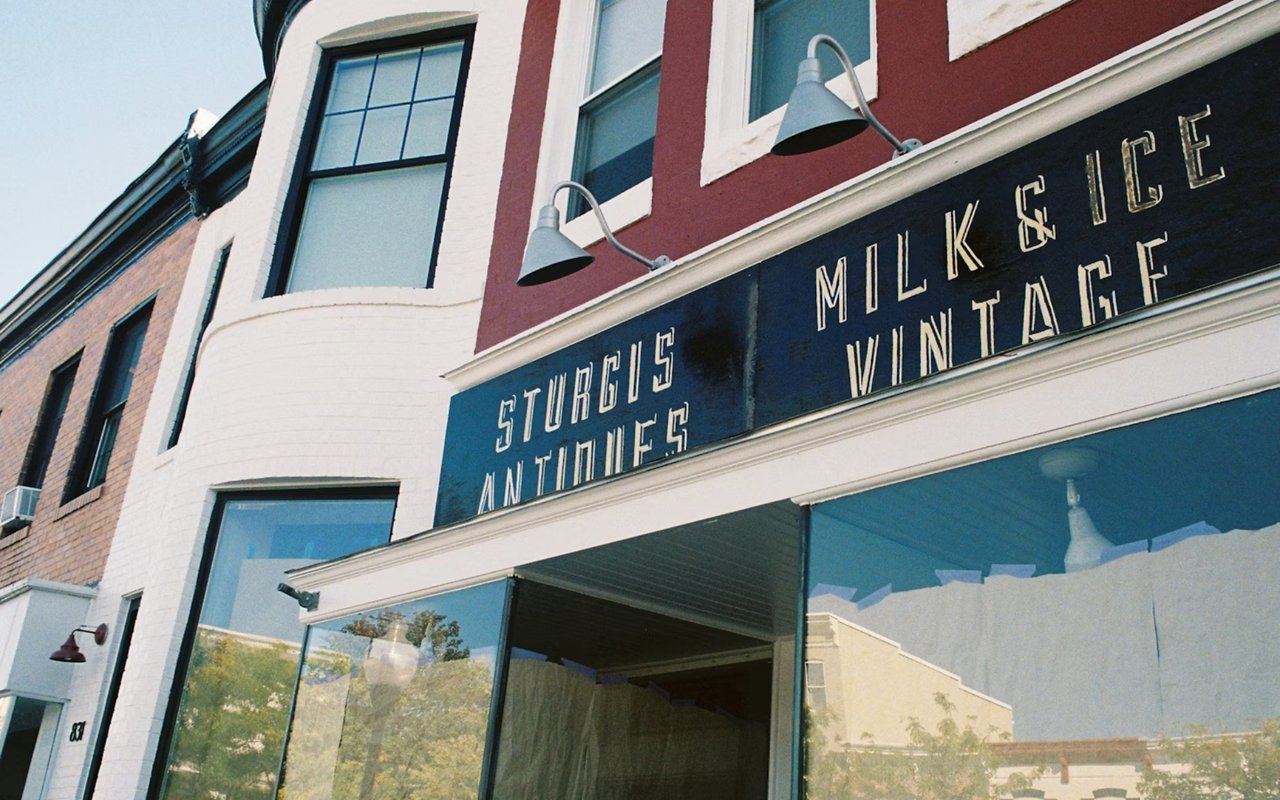
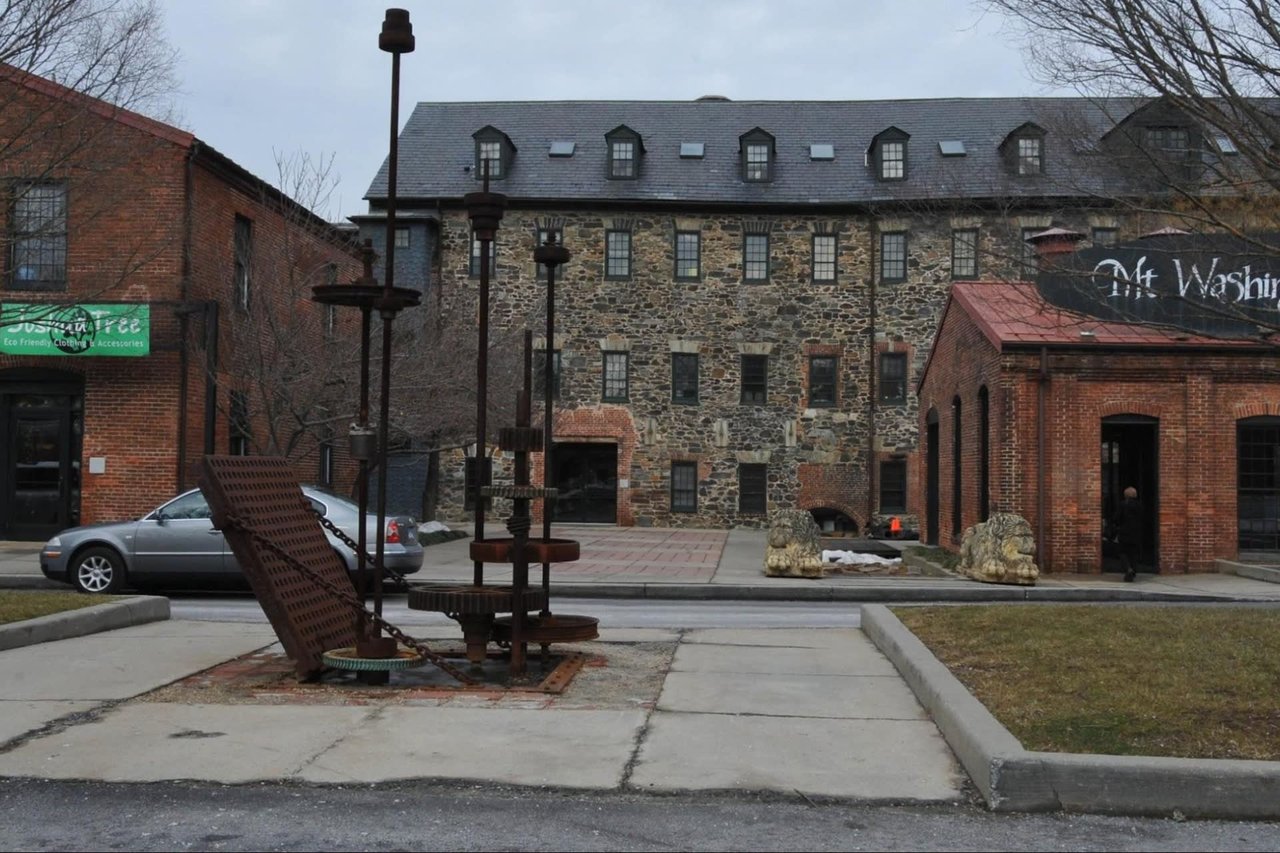
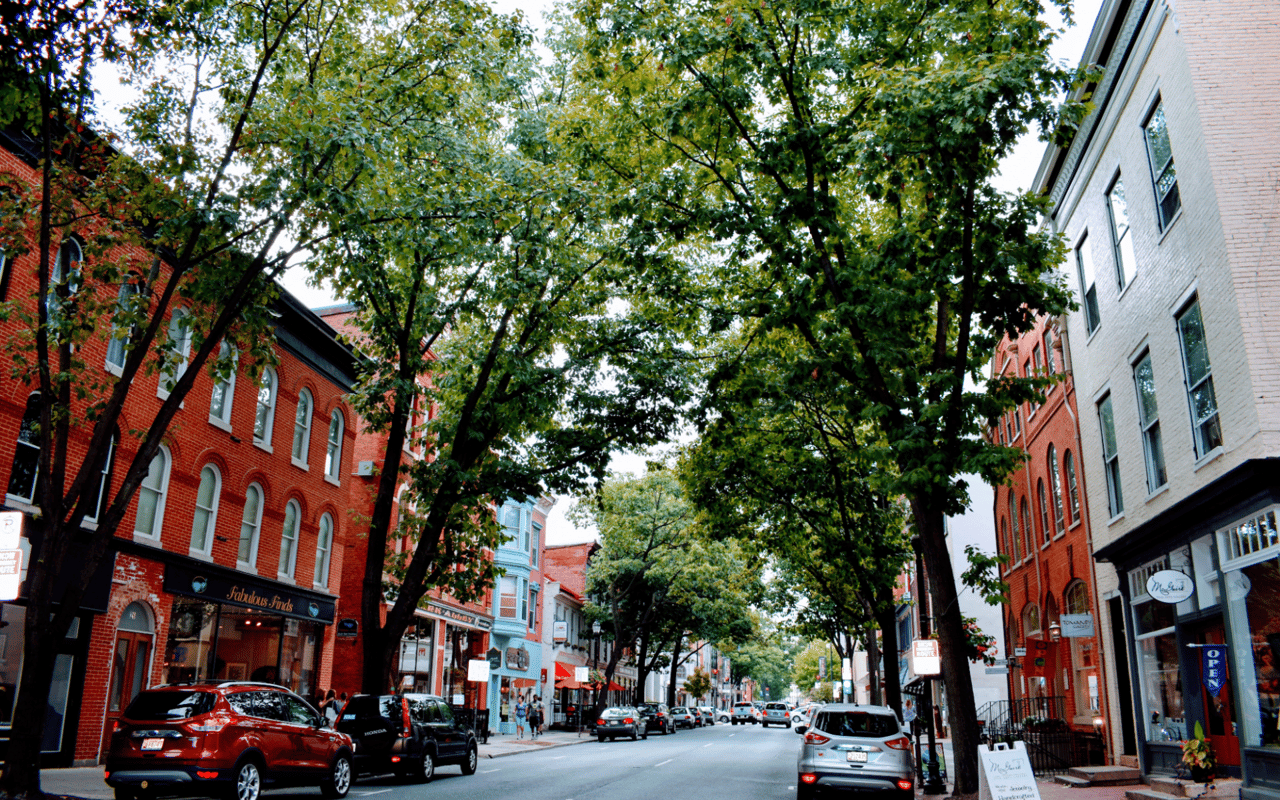
Mt. Washington is not built around a big entertainment district. Instead, its commercial core, Mt. Washington Village, offers a more everyday mix of dining, shopping, and wellness options.
The village directory includes restaurants like Chiyo Sushi, Ethel & Ramone’s, Le Bistro Du Village, Mt. Washington Pizza, Mt. Washington Tavern, The Nickel Taphouse, and Woodrow’s BBQ. That lineup gives you a decent variety of neighborhood dining without the feel of a nightlife-heavy area.
For many residents, that is part of the appeal. You can enjoy local spots close to home while still keeping a calmer, more residential atmosphere.
The farmers market adds to the rhythm
The Mt. Washington Farmers Market is another notable part of neighborhood life. It operates at Northwest Park on Sundays from 10 a.m. to 2 p.m. and features products from growers, artists, raisers, and producers within a 100-mile radius of Baltimore City.
The market also accepts SNAP, which helps broaden access. If you enjoy neighborhood-based routines, this is the kind of amenity that can make a place feel more connected and lived-in.
Parks and Outdoor Access
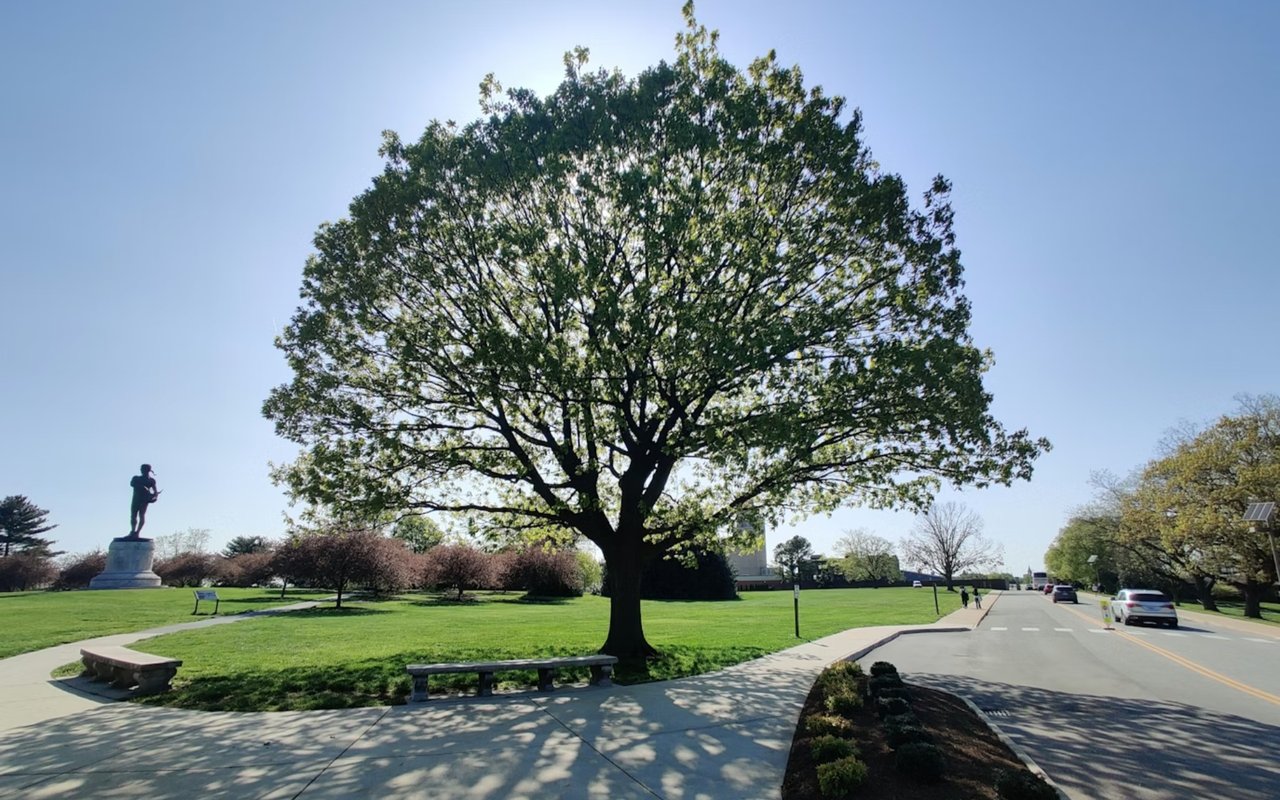
If outdoor space matters to you, Mt. Washington has a lot to offer. This is one of the neighborhood’s clearest lifestyle advantages.
According to the Mount Washington Improvement Association, Northwest Park includes soccer and baseball fields, a neighborhood playground, a community vegetable garden, and part of the Jones Falls Trail. Luckman Park adds playgrounds, tennis courts, picnic areas, and a pavilion.
That kind of park access shapes daily life in a real way. You are not just near green space on a map. In many parts of the neighborhood, it is part of the routine and the overall feel.
Jones Falls Trail connection
The Jones Falls Trail is a major feature for residents who like to walk, run, or bike. Maryland’s Department of Natural Resources says the trail is planned to extend 10 miles between the Inner Harbor and the Mount Washington Light Rail Station.
The current off-road segment runs from Woodberry to Penn Station and passes through Druid Hill Park. The northern segment under construction is expected to incorporate both Cylburn Arboretum and Mount Washington Arboretum.
Lake Roland is a major bonus
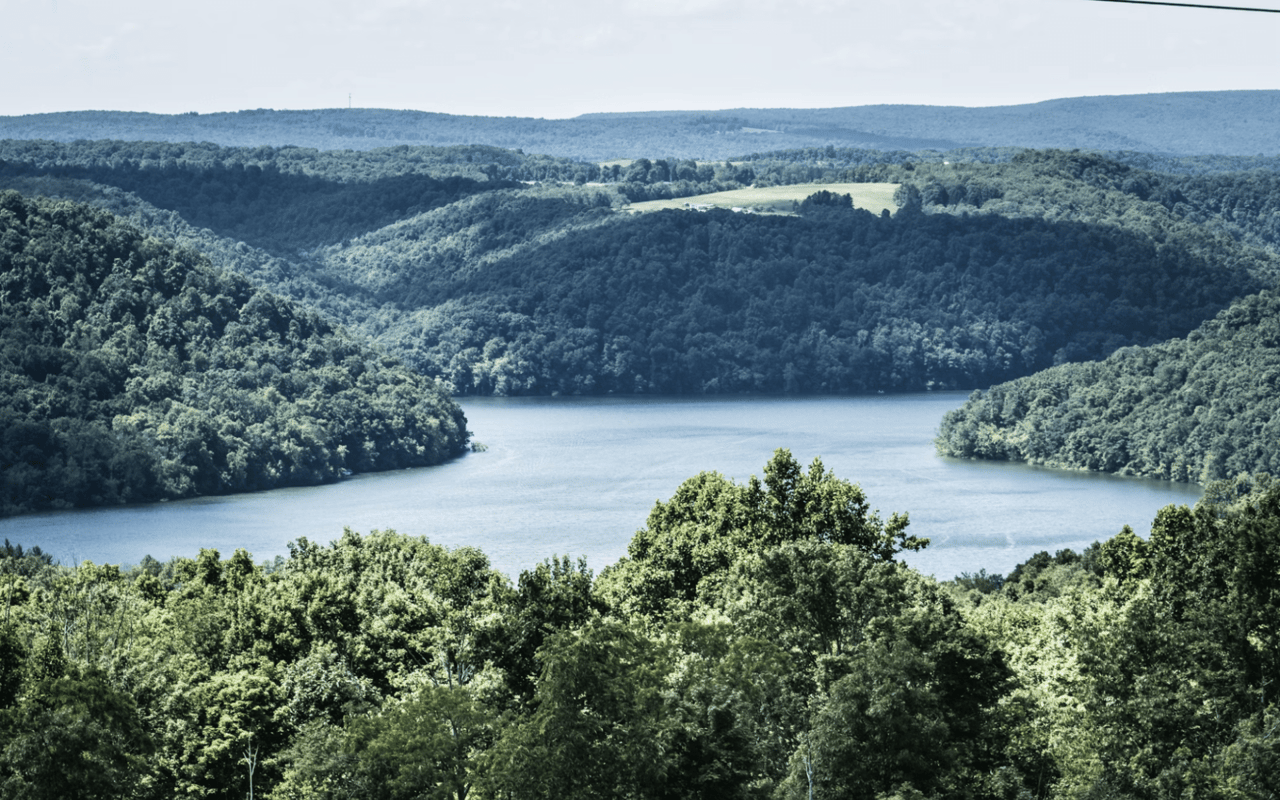
Lake Roland adds even more outdoor access just north and west of the neighborhood. The Lake Roland Nature Council describes it as a 503-acre natural area with wetlands, meadows, mature hardwood forests, a nature center, multiple trails, a dog park, picnic pavilions, a playground, and canoe or kayak access.
There is also direct access from the Falls Road Light Rail stop via a boardwalk. For buyers who want a city location that still supports an active outdoor lifestyle, that is a meaningful advantage.
Getting Around From Mt. Washington
Mt. Washington offers a useful middle ground between city living and a more relaxed setting. It is not highly walkable for most daily errands, but it does have strong transit access compared with many quieter residential areas.
The Maryland Transit Administration lists both Mt. Washington and Falls Road on the Light RailLink line. That line also serves destinations such as Penn Station, Mount Vernon, Lexington Market, Camden Station, and BWI Airport.
Live Baltimore estimates travel times of 10 minutes to Penn Station, 15 minutes to Charles Center, and 35 minutes to BWI Airport. If you commute downtown or travel regularly, those connections can make the neighborhood especially practical.
Broader regional access
If your work or routine reaches beyond Baltimore, Penn Station adds another layer of convenience. The MARC Penn Line runs between Baltimore Penn Station, BWI, and Union Station in Washington, D.C.
That means Mt. Washington can work well for someone who wants neighborhood calm but still needs access to bigger regional transportation links.
Walkability tradeoffs
Live Baltimore gives Mt. Washington a Walk Score of 27, Bike Score of 23, and Transit Score of 54. The main takeaway is simple: this is not the kind of neighborhood where most people will do everything on foot.
If you want a denser, errand-on-foot lifestyle, that may feel like a drawback. If you prefer a quieter environment with transit, trails, and parks built into the experience, it may feel like a smart tradeoff.
Schools and Long-Term Living
For buyers looking at long-term fit, the neighborhood includes The Mount Washington School. Baltimore City Public Schools identifies it as a public elementary and middle school serving grades K-8 at 1801 Sulgrave Avenue, with 549 students and neighborhood enrollment.
This is one more sign that Mt. Washington functions as a stable residential community rather than a short-term stop for most residents. For many buyers, that sense of continuity is part of what makes the neighborhood appealing.
Who Mt. Washington Fits Best
Mt. Washington tends to work well for buyers who want character, greenery, and access to transit without living in a busier part of the city. It can be especially appealing if you value outdoor space, a village-style commercial area, and a housing mix that includes condos, rowhomes, detached homes, and apartments.
It may be a strong match if you are looking for:
- A quieter Baltimore neighborhood
- Historic homes and architectural variety
- Easy access to parks and trails
- Light rail connections to downtown and Penn Station
- A more residential pace of life
It may be less ideal if your top priority is a highly walkable neighborhood where most errands, dining, and entertainment happen within a few compact blocks.
The Bottom Line on Living Here
Living in Mt. Washington feels different from many other Baltimore neighborhoods. You get a setting shaped by history, trees, parks, and a village-style center, along with practical transit access that helps you stay connected to the rest of the city.
For the right buyer, that balance is exactly the point. If you want a neighborhood that feels established, livable, and a little removed from the faster pace of denser city districts, Mt. Washington is worth a close look.
If you are thinking about buying, selling, or comparing Mt. Washington with other Baltimore neighborhoods, William Weeks can help you sort through the tradeoffs and find the right fit for your goals.
FAQs
What is Mt. Washington in Baltimore known for?
- Mt. Washington is known for its historic character, varied housing, village-style commercial area, strong park access, and light rail connections to downtown Baltimore and Penn Station.
What types of homes are available in Mt. Washington, Baltimore?
- Housing in Mt. Washington includes condos, rowhomes, detached homes, apartment buildings, and older homes with architectural styles such as Gothic Revival, Italianate, and Colonial.
Is Mt. Washington, Baltimore good for commuters?
- Mt. Washington offers access to the Light RailLink at Mt. Washington and Falls Road, with estimated travel times of 10 minutes to Penn Station, 15 minutes to Charles Center, and 35 minutes to BWI Airport.
What parks and trails are near Mt. Washington, Baltimore?
- Residents have access to Northwest Park, Luckman Park, the Jones Falls Trail, and nearby Lake Roland, which offers trails, a dog park, picnic areas, a playground, and canoe or kayak access.
Is Mt. Washington, Baltimore walkable?
- Mt. Washington is less walkable than denser Baltimore neighborhoods, with a Walk Score of 27, but it offers a stronger mix of transit access, trails, and green space than many city areas.
What should buyers know about historic homes in Mt. Washington, Baltimore?
- Because Mt. Washington includes a historic district, many exterior projects may require permits and review through Baltimore’s preservation process, so renovation plans may need extra time and planning.