Finding MD Homes | 2026 Guide
Best Neighborhoods to Live in Maryland
Baltimore suburbs, DC suburbs, and Howard County -- compared by home price, commute, schools, and lifestyle. What the data shows about where Maryland buyers are landing in 2026.
Maryland Neighborhoods: Quick-Take
- The fundamental choice: Baltimore corridor (Ellicott City, Mt. Washington, Federal Hill) vs. DC corridor (Bethesda, Rockville, Columbia, North Potomac) -- both offer excellent schools and commute access, but at very different price points and lifestyles
- Best value for families: Ellicott City (Howard County) -- top-rated schools, $500K–$800K range, 30–45 min to both Baltimore and DC, lower cost of living than comparable DC suburbs
- Best for DC commuters: Bethesda or Rockville -- Metro access, walkable amenities, I-270 tech corridor proximity; entry above $600K and rising
- Best for Baltimore lifestyle: Mt. Washington (walkable village, $400K–$700K) or Federal Hill (urban rowhouse district, $350K–$600K) -- both within 15–20 min of downtown Baltimore
- Highest-performing schools: Howard County Public School System (HCPSS) consistently ranks #1 or #2 in Maryland -- Ellicott City and Columbia are both served by this district
- "Maryland suburbs" as a search intent covers buyers relocating from out of state, often prioritizing the DC or Baltimore commute corridor -- both are represented here
- 2026 market note: Inventory remains tight across all eight neighborhoods; multiple-offer situations are common in the $450K–$650K range throughout the Baltimore and DC suburbs
Maryland Neighborhoods at a Glance
| Neighborhood | County | Price Range | Commute Corridor | School District | Character |
|---|---|---|---|---|---|
| Ellicott City | Howard | $500K–$800K | Baltimore + DC (midpoint) | HCPSS (#1 in MD) | Historic town, family-focused |
| Columbia | Howard | $400K–$600K | Baltimore + DC (midpoint) | HCPSS (#1 in MD) | Planned community, walkable villages |
| Mt. Washington | Baltimore City | $400K–$700K | Baltimore (15 min) | Baltimore City Schools / private | Walkable village, urban-adjacent |
| Federal Hill | Baltimore City | $350K–$600K | Baltimore (10 min / walkable) | Baltimore City Schools / private | Rowhouse urban neighborhood |
| Bethesda | Montgomery | $800K–$1.5M+ | DC Metro (direct) | MCPS (top-rated) | Walkable, upscale, arts district |
| Rockville | Montgomery | $550K–$900K | DC Metro + I-270 | MCPS (top-rated) | Tech corridor, urban amenities |
| North Potomac | Montgomery | $650K–$1.1M | DC via I-270 (30–40 min) | MCPS (top-rated) | Quiet suburban, larger lots |
| Hampden | Baltimore City | $300K–$500K | Baltimore (10–15 min) | Baltimore City Schools / private | Eclectic, creative, rowhouses |
Baltimore Corridor Neighborhoods
For buyers whose lives center on Baltimore -- whether commuting downtown, working in the medical corridor, or simply wanting to stay within the city's orbit -- these neighborhoods offer the strongest combination of access, character, and value.
Ellicott City, Howard County
Ellicott City is the most consistent answer when Maryland buyers ask where to get the best combination of schools, space, and commute access. It sits almost exactly midway between Baltimore and DC on US-29 and I-70, making it genuinely viable for buyers who commute to either city. Home prices in 2026 typically range from $500K to $800K for single-family homes, with townhomes available in the $400K range in Columbia-adjacent communities.
What Buyers Are Getting in Ellicott City
- Schools: Howard County Public School System (HCPSS) is consistently ranked #1 or #2 among Maryland's 24 school districts; Centennial, Mt. Hebron, and River Hill High Schools are among the highest-performing in the state
- Historic Old Ellicott City: The original Main Street district -- one of the oldest mill towns in America -- offers restaurants, independent shops, and a walkable historic character unique in the Baltimore suburbs; note: the area has experienced significant flooding in recent years (2016, 2018) and flood risk is a real buyer consideration on Main Street-adjacent properties
- Commute: 30–35 min to downtown Baltimore via I-695/I-70; 40–50 min to DC via US-29 to I-95 under normal conditions
- Price context: Single-family homes on larger lots near top-ranked elementary schools (Centennial Lane, Phelps Luck, Swansfield) typically trade in the $550K–$750K range in 2026
⚠ Fact-check before deploy: Ellicott City school rankings, current flood mitigation status on Main Street, and price ranges against current HCPSS-zone MLS data.
Columbia, Howard County
Columbia is a fully planned community developed starting in 1967 by James Rouse, organized into nine distinct villages each with its own retail, schools, and open space. It remains one of the most livable planned communities in the United States and is consistently cited by national publications for quality of life, diversity, and school performance. Like Ellicott City, it sits in Howard County and is served by HCPSS.
Columbia: Key Facts for Buyers
- Villages: Nine distinct neighborhoods (Wilde Lake, Harper's Choice, Owen Brown, Hickory Ridge, Long Reach, Kings Contrivance, Oakland Mills, River Hill, Town Center) each with different housing stock and character; River Hill is among the most sought-after for school access and newer construction
- Lake Kittamaqundi: The central lake and Town Center area anchor Columbia's walkable commercial core; the Merriweather Post Pavilion concert venue is a major cultural asset
- Price range: Townhomes from approximately $350K–$450K; single-family homes $450K–$700K+ depending on village and school zone; River Hill and Kings Contrivance typically command a premium
- Commute: Virtually identical to Ellicott City -- 30–40 min to Baltimore, 40–55 min to DC; Maryland Route 32 and US-29 are the primary corridors
Mt. Washington, Baltimore City
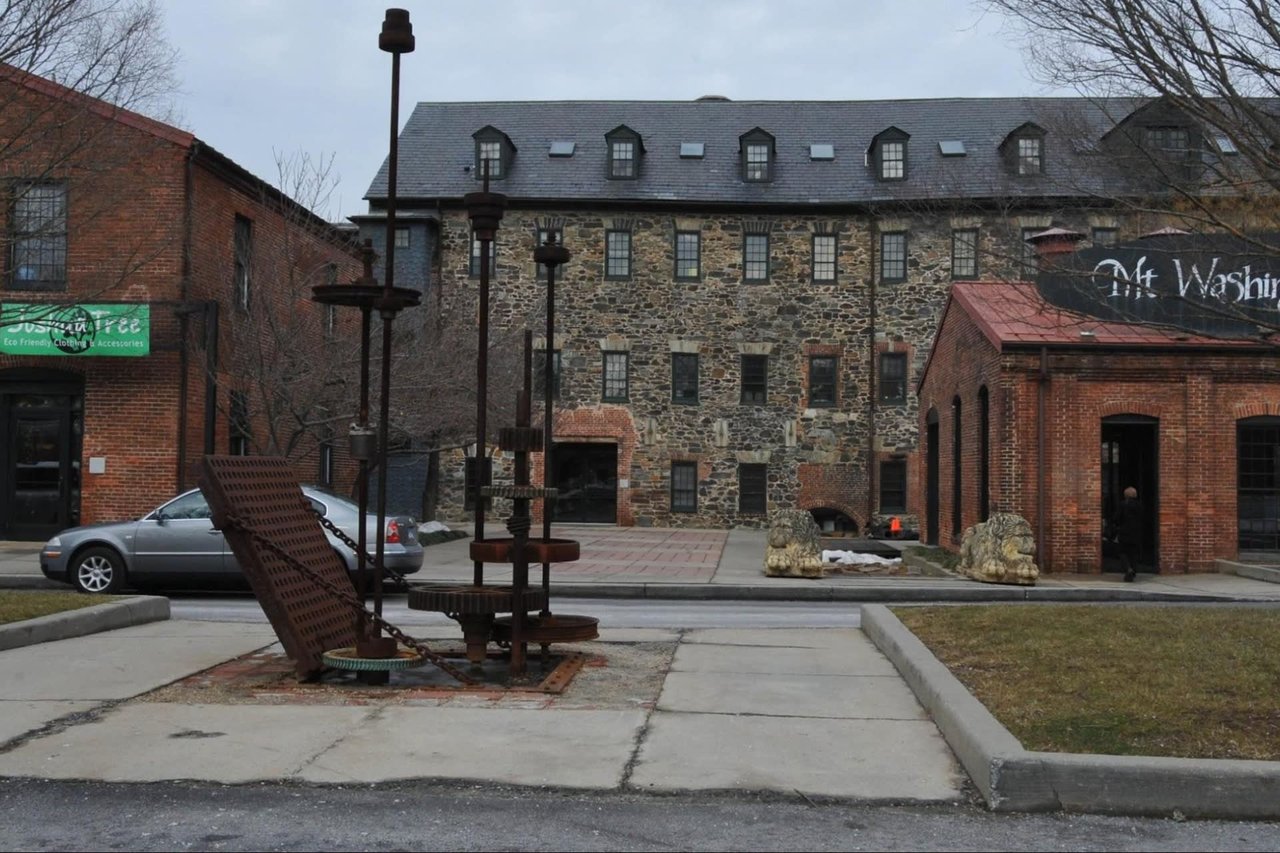
Mt. Washington is a walkable village neighborhood in the northern part of Baltimore City -- not Baltimore County -- with a distinct small-town character that surprises most buyers who haven't visited. The neighborhood has an independent commercial strip along Kelly Avenue with restaurants, coffee shops, a natural grocery, and local retail, all walkable from most residences. It is one of the most popular neighborhoods for buyers who want urban convenience without sacrificing neighborhood feel.
Mt. Washington: What to Know
- Housing stock: Mix of Victorian-era homes, 20th-century colonials, and some newer infill construction; most homes are single-family with yards; Woodberry and Medfield are adjacent neighborhoods with similar character and slightly lower price points
- Price range: $400K–$700K+ for single-family homes in 2026; the range is wide because condition and renovation status vary significantly
- Schools: Baltimore City public schools serve the area; many Mt. Washington families use private schools (Friends School, Gilman, Roland Park Country School, Bryn Mawr are the most commonly referenced); the school situation is a material buyer consideration and should be discussed honestly
- Commute: 15–20 minutes to downtown Baltimore; Jones Falls Expressway (I-83) provides direct access; light rail option at Mt. Washington station
Federal Hill, Baltimore City
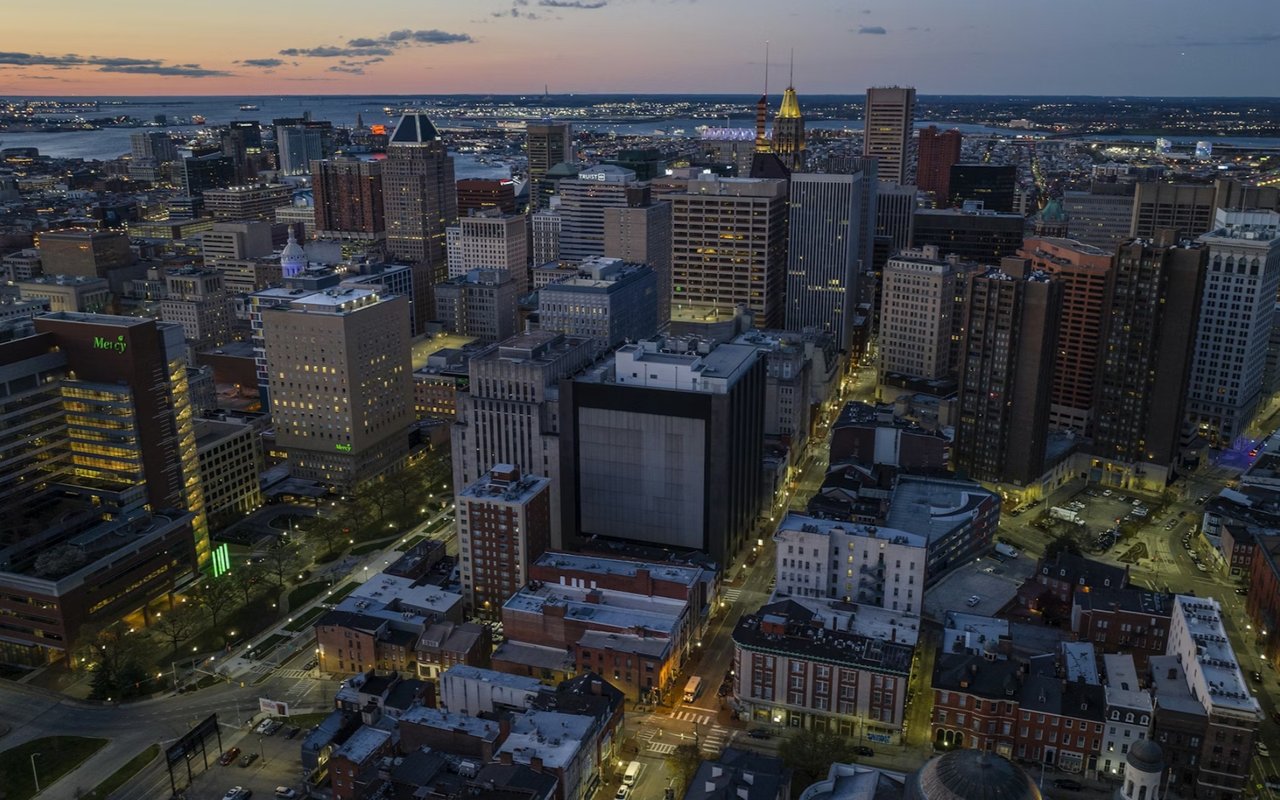
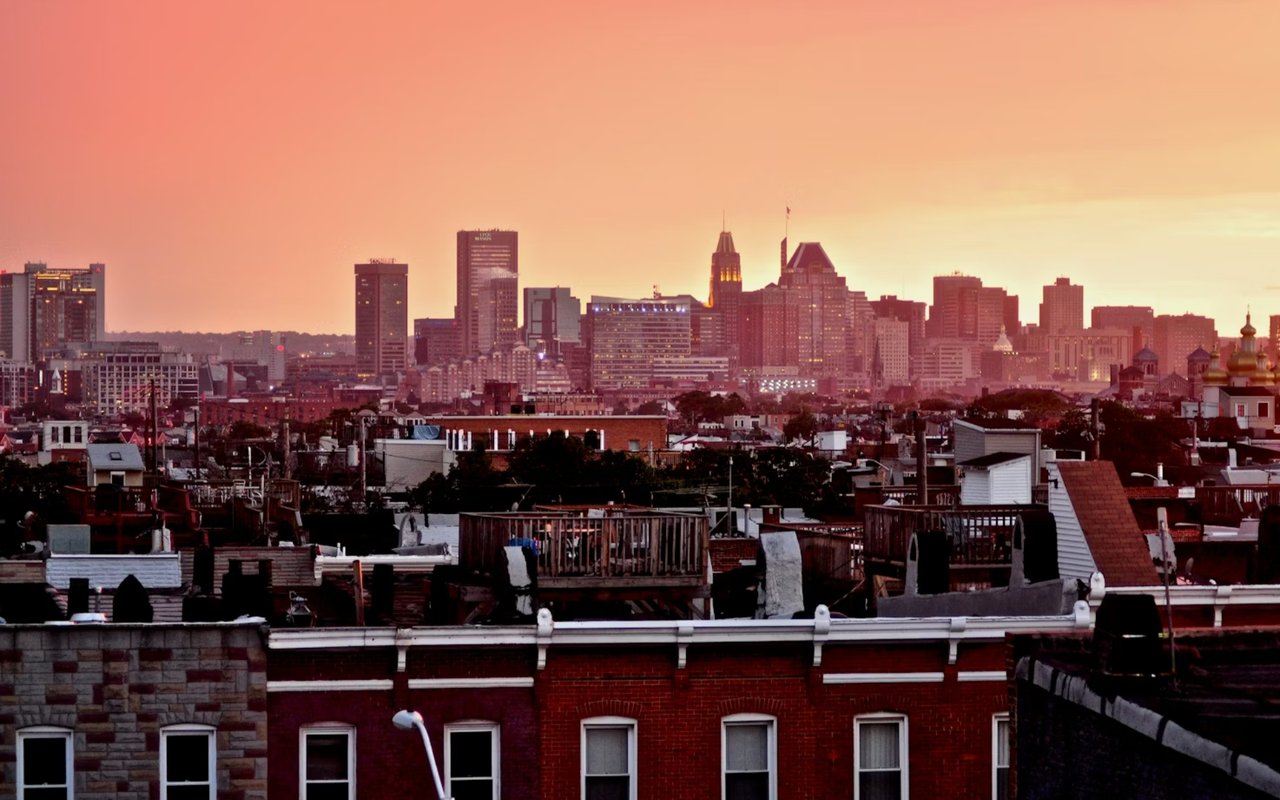
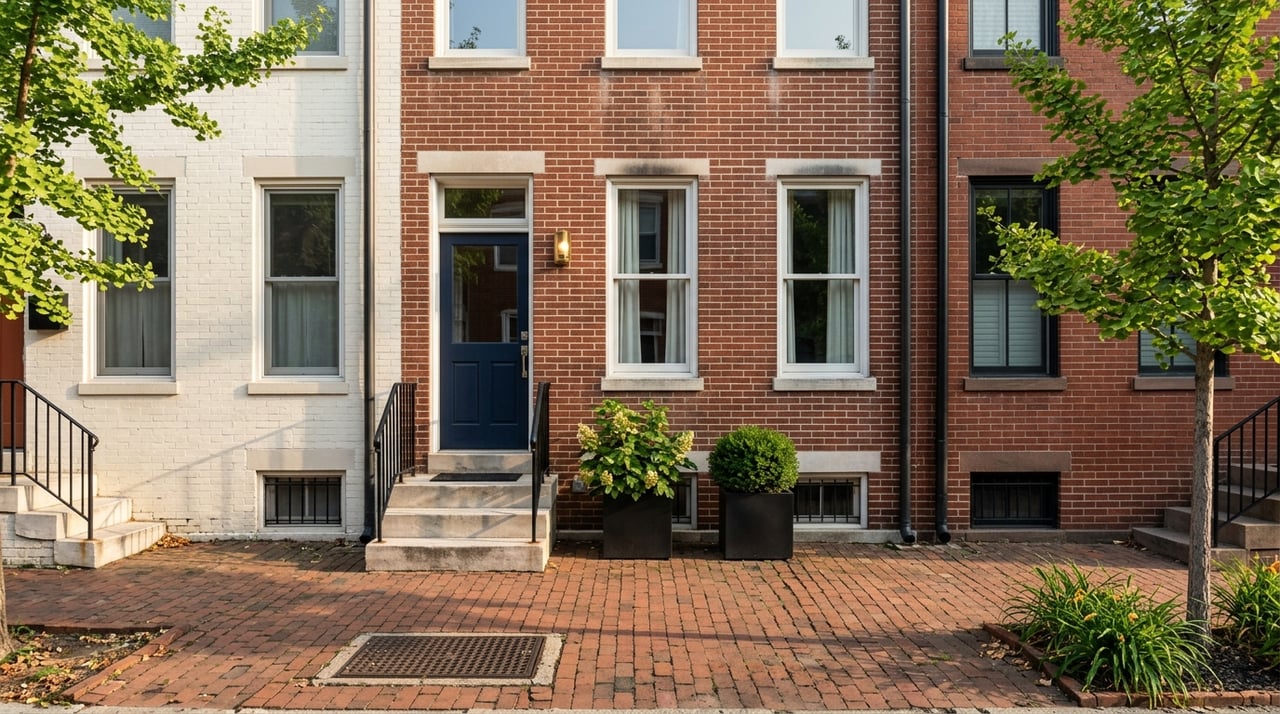
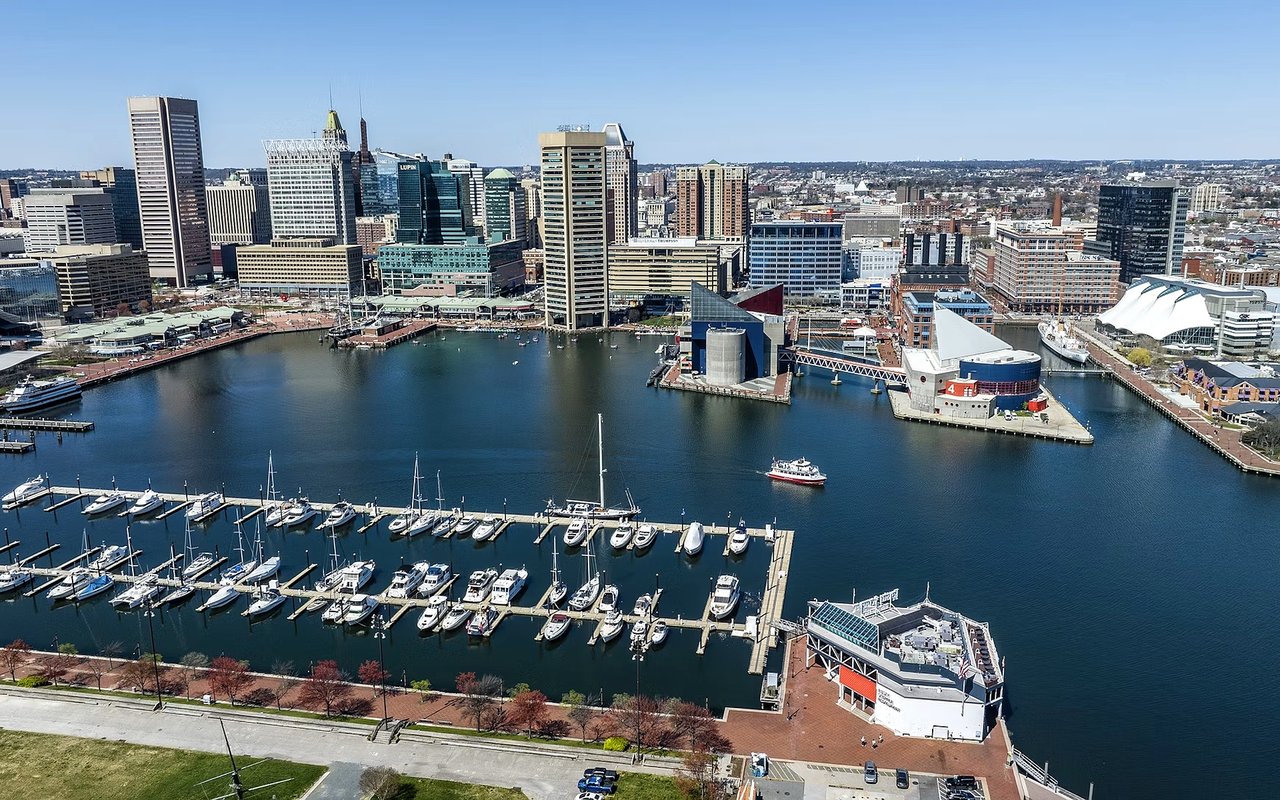
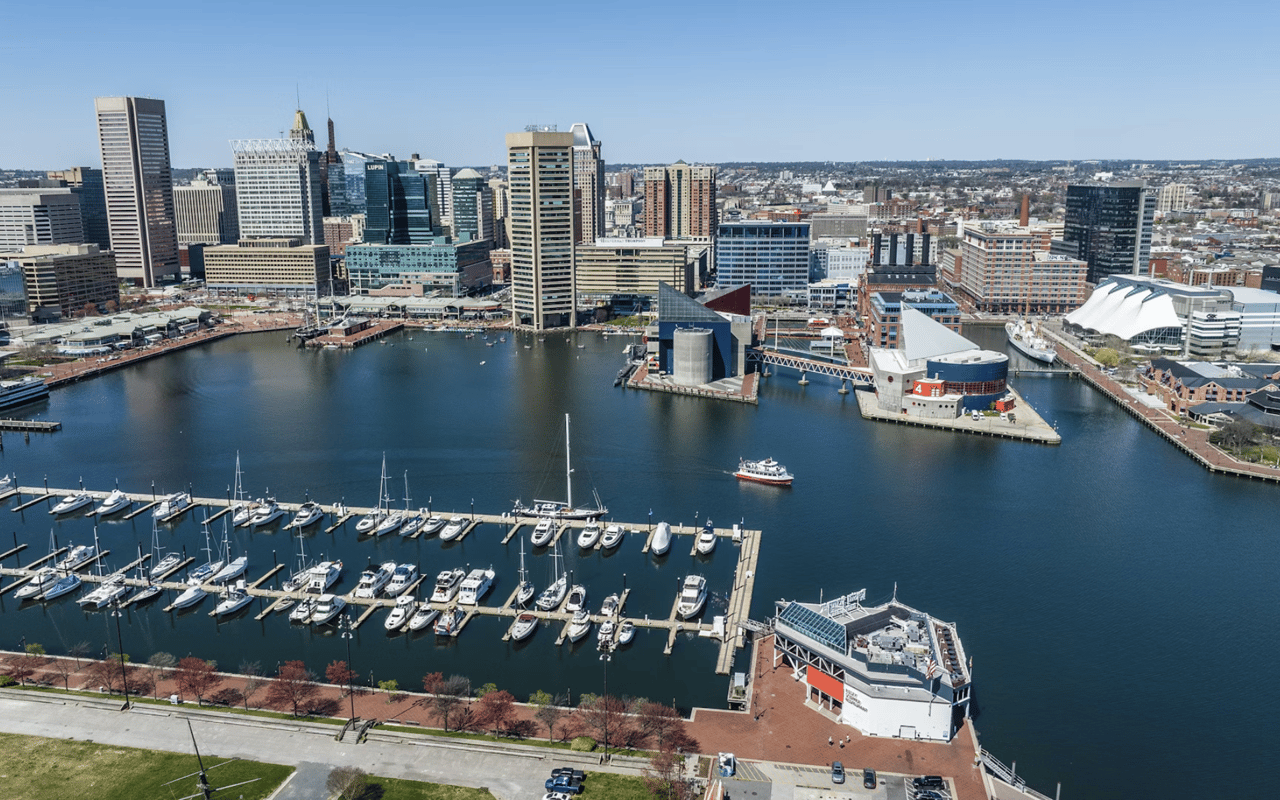
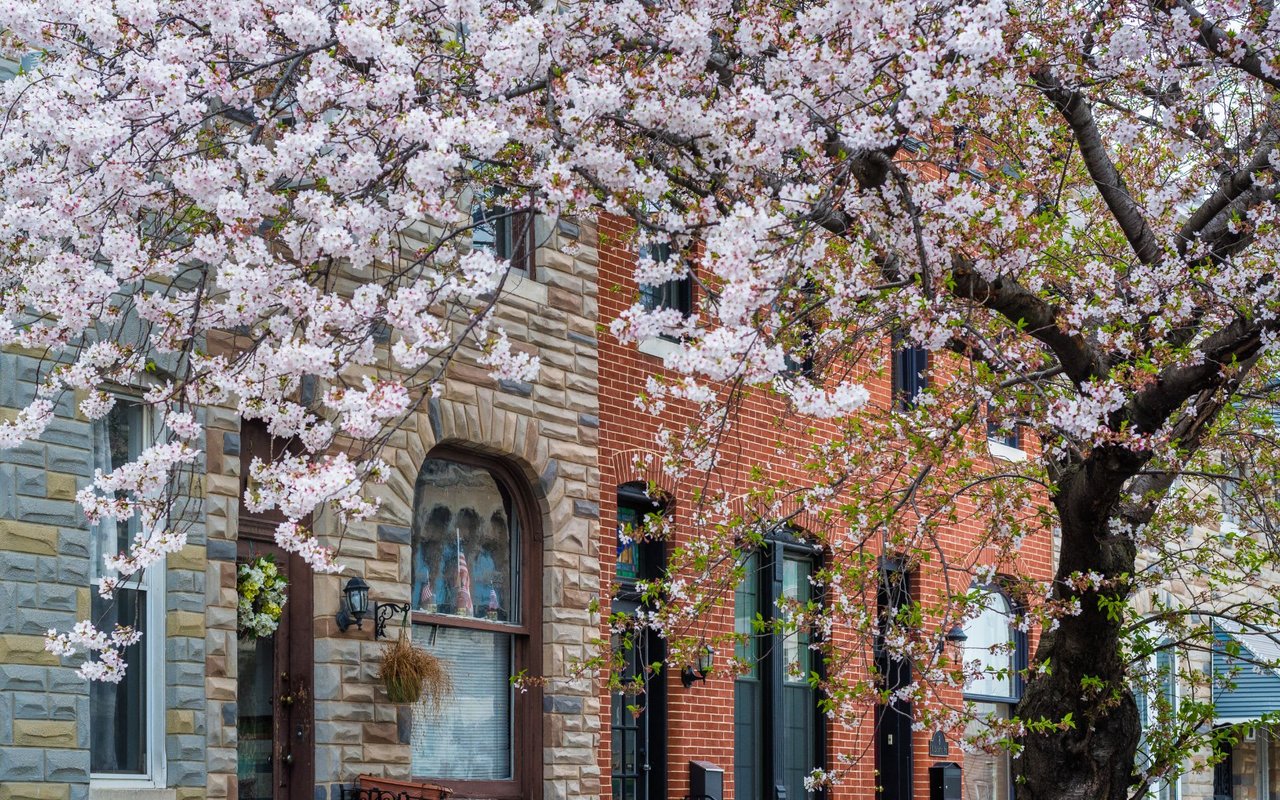
Federal Hill is Baltimore's most consistently popular urban neighborhood -- a compact rowhouse district on a bluff overlooking the Inner Harbor, with Cross Street Market, dozens of bars and restaurants, and direct views of the city skyline. It draws buyers who want to live in Baltimore rather than commute to it, and who prioritize walkability and neighborhood density over space and quiet.
Federal Hill: Key Facts
- Price range: Rowhouses typically $350K–$600K in 2026 depending on renovation status, parking situation, and proximity to Cross Street Market and the park
- Character: Dense, walkable, active -- Federal Hill Park provides one of the best skyline views in Baltimore; the neighborhood skews young professional and is among Baltimore's most socially active urban areas
- Schools: Baltimore City schools serve the area; same private school considerations as Mt. Washington apply; proximity to private school campuses is generally better from Federal Hill than from North Baltimore neighborhoods
- Commute beyond Baltimore: I-95 south to DC is approximately 45–60 min under normal conditions; for buyers with any DC commute requirement, Federal Hill works best for remote or hybrid schedules
DC Corridor Neighborhoods
For buyers whose primary commute destination is Washington, DC -- or who work in the I-270 biotechnology and federal contracting corridor -- Montgomery County offers the most direct access and some of Maryland's strongest public school systems outside of Howard County.
Bethesda, Montgomery County
Bethesda is the most urban of Maryland's DC suburbs -- a walkable downtown with Metro access, a well-developed arts and dining scene centered on Bethesda Row, and some of the highest home values in the state. Buyers here are typically trading square footage for proximity and walkability. Entry-level single-family homes in Bethesda are above $800K in 2026; larger homes in established neighborhoods like Edgemoor and Kenwood trade above $1.5M regularly.
Bethesda: What Drives the Premium
- Metro access: Two Red Line stations (Bethesda and Friendship Heights) provide direct Metro access to downtown DC -- a genuine commute differentiator in this region
- Schools: Montgomery County Public Schools (MCPS) serves Bethesda; Walt Whitman, Bethesda-Chevy Chase, and Thomas Wootton High Schools are among the top-performing in the state
- Price reality: Bethesda's entry price is materially higher than comparable square footage in Ellicott City or Columbia; buyers choosing Bethesda are paying for Metro access and walkability, not space
Rockville, Montgomery County
Rockville is the government and biotech hub of the I-270 corridor, home to the NIH campus, FDA headquarters, and a concentration of federal contractors and life sciences employers. Rockville Town Square is a walkable mixed-use development that has significantly improved the city's urban amenity offering over the past decade. Home prices in 2026 range from approximately $550K for townhomes to $900K+ for larger single-family homes in established neighborhoods.
Rockville: Key Considerations
- For I-270 corridor workers: Rockville is the most practical home base if your employer is in Gaithersburg, Germantown, or along the NIH/FDA corridor -- reverse commute from DC is an increasingly viable option
- Schools: MCPS serves Rockville; Richard Montgomery and Thomas S. Wootton High Schools are among the top performers
- Metro access: Shady Grove (Red Line terminus) provides Metro access; Rockville and White Flint stations are also accessible depending on address
North Potomac, Montgomery County
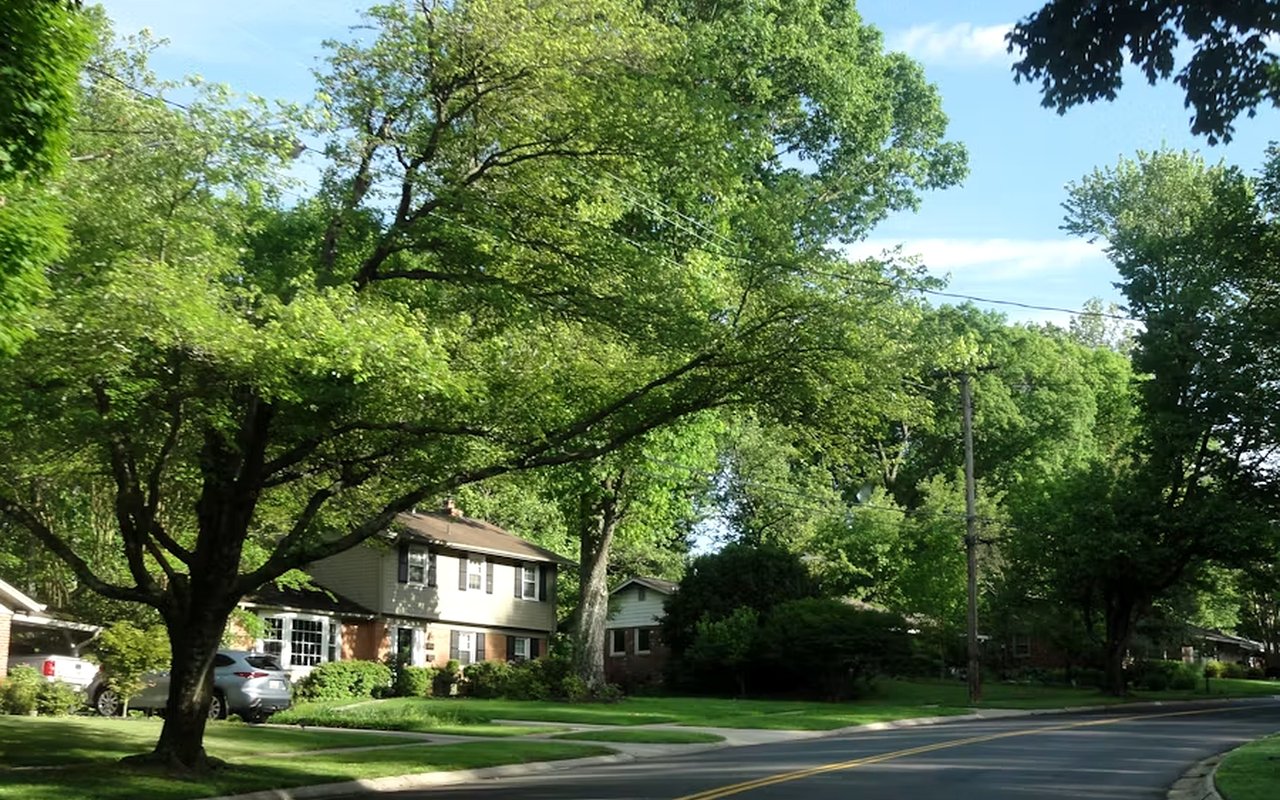
North Potomac is an unincorporated community within Montgomery County positioned between Rockville and Potomac -- quieter and more suburban in character than either, with larger lots and a lower density of commercial development. It is the right choice for buyers who want the MCPS school system and I-270 commute access but prioritize space, privacy, and a genuinely low-traffic residential environment over walkability.
North Potomac: What to Know
- Price range: $650K–$1.1M for single-family homes in 2026; townhome options are more limited than in Rockville or Columbia
- Schools: Wootton High School cluster is among MCPS's strongest performers; a significant factor in the area's sustained demand
- Tradeoff: No walkable commercial district and no Metro within practical distance -- car-dependent lifestyle; buyers prioritizing walkability should look at Rockville or Bethesda instead
Which Maryland Neighborhood Is Right for You
The Maryland neighborhood question is almost always really a commute question. If you are going to DC five days a week, Bethesda or Rockville's Metro access is worth its price premium. If you are going to Baltimore, or splitting your time, Ellicott City and Columbia deliver better square footage, Howard County's #1-ranked school system, and a lower cost per square foot than comparable DC suburbs.
The buyers who struggle most in this market are the ones who try to solve the commute problem with map distance alone. Baltimore and DC are 40 miles apart, but the traffic patterns, transit options, and neighborhood characters between them are completely different depending on where you land. Getting the right neighborhood requires someone who understands how these corridors actually behave -- not just how they look on a map.
William Weeks and the Finding MD Homes team work specifically in Baltimore City, Baltimore County, and Howard County. Schedule a consultation to discuss which neighborhoods make sense for your commute, your budget, and your timeline.
Common Questions About Maryland Neighborhoods
What are the best neighborhoods to live in Maryland?
The best Maryland neighborhoods depend on your commute corridor and budget. For Baltimore commuters, Ellicott City (Howard County) and Mt. Washington (Baltimore City) consistently rank among the most livable. For DC commuters, Bethesda and Rockville offer Metro access with strong schools. Columbia and Ellicott City are standouts for families given Howard County's #1-ranked public school system. Federal Hill and Hampden are the strongest options for buyers who want urban Baltimore lifestyle.
What are the best Maryland suburbs of Baltimore?
The strongest Baltimore suburbs in 2026 are Ellicott City (Howard County, top-ranked schools, $500K–$800K), Columbia (Howard County, planned community, $400K–$600K), Towson (Baltimore County, walkable, $400K–$650K), and Catonsville (Baltimore County, affordable entry, $300K–$500K). Mt. Washington and Hampden are technically Baltimore City neighborhoods but function as the most livable urban-adjacent options for buyers who want to stay close to downtown.
Is Ellicott City a good place to live?
Ellicott City is consistently one of the most recommended places to live in Maryland for families. Howard County's public school system ranks #1 or #2 in the state, home prices are competitive relative to comparable DC suburbs, and its location halfway between Baltimore and DC makes it viable for commuters to both cities. The primary consideration for buyers is flood risk on and near historic Main Street, which has experienced significant flooding in 2016 and 2018 -- a real factor to assess by address before purchasing.
How do Maryland suburbs compare between the Baltimore and DC corridors?
DC corridor suburbs (Bethesda, Rockville, North Potomac) generally carry higher price floors -- entry above $600K in most cases -- but offer Metro rail access to downtown DC that Baltimore suburbs cannot match. Baltimore corridor suburbs like Ellicott City and Columbia typically offer more square footage per dollar, Howard County's stronger-ranked schools, and a more community-oriented lifestyle at a lower overall cost of living. The right answer depends almost entirely on where you're commuting.
What is the best neighborhood in Baltimore for buying a home?
Within Baltimore City, Federal Hill and Mt. Washington are the most consistently recommended neighborhoods for buyers in 2026. Federal Hill offers walkability, urban density, Inner Harbor proximity, and rowhouses in the $350K–$600K range. Mt. Washington offers a quieter, village-like character, single-family homes in the $400K–$700K range, and a light rail connection to downtown. Both neighborhoods require buyers to research school options separately, as Baltimore City public schools vary significantly by zone and many families in these neighborhoods use private schools.
What is the cost of living like in Maryland suburbs?
Maryland suburbs span a wide cost range. Howard County (Ellicott City, Columbia) and Baltimore City neighborhoods (Mt. Washington, Federal Hill) offer the strongest value relative to school quality and lifestyle. Montgomery County (Bethesda, Rockville) carries premium pricing driven by Metro access and proximity to DC employment. Property taxes in Maryland are mid-range by Mid-Atlantic standards. Howard County's combination of top-ranked schools and moderate-relative-to-DC home prices makes it the most commonly cited value proposition for families relocating to the region.
Find Your Maryland Neighborhood
William Weeks and the Finding MD Homes team work specifically in Baltimore City, Baltimore County, and Howard County. We can tell you which neighborhoods work for your commute, your school requirements, and your budget -- based on what's actually available right now.
Schedule a Consultation