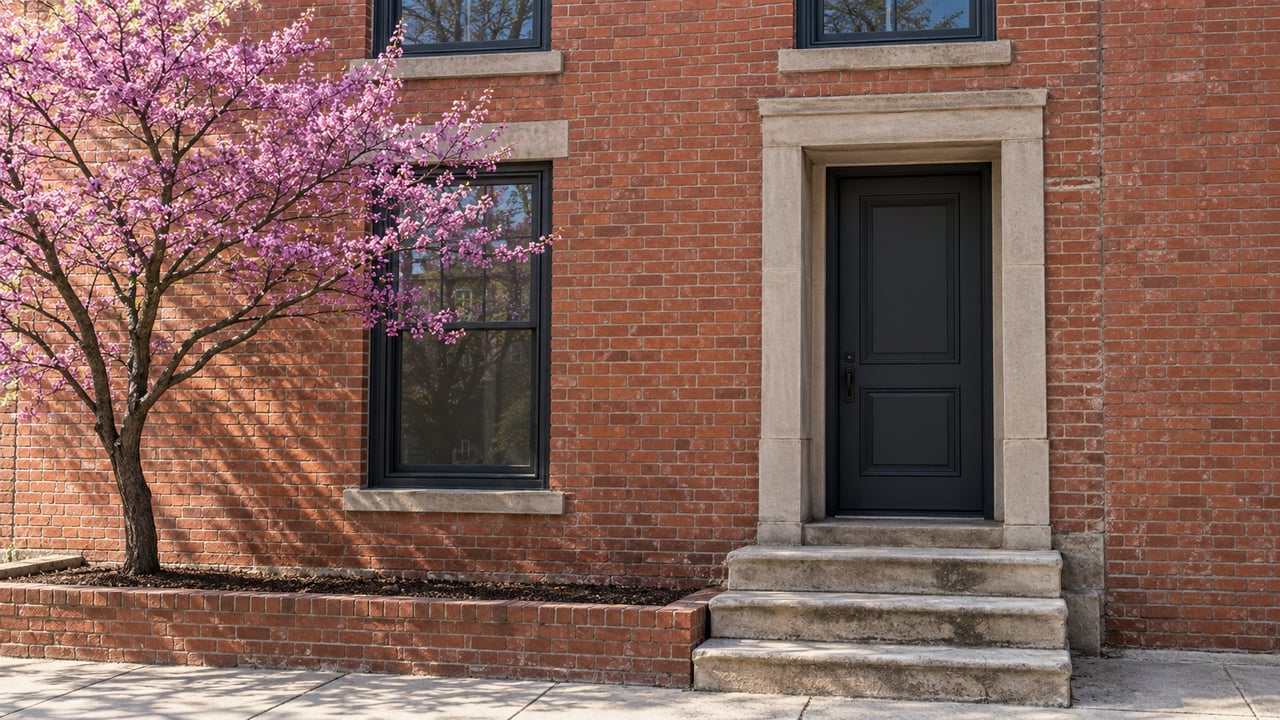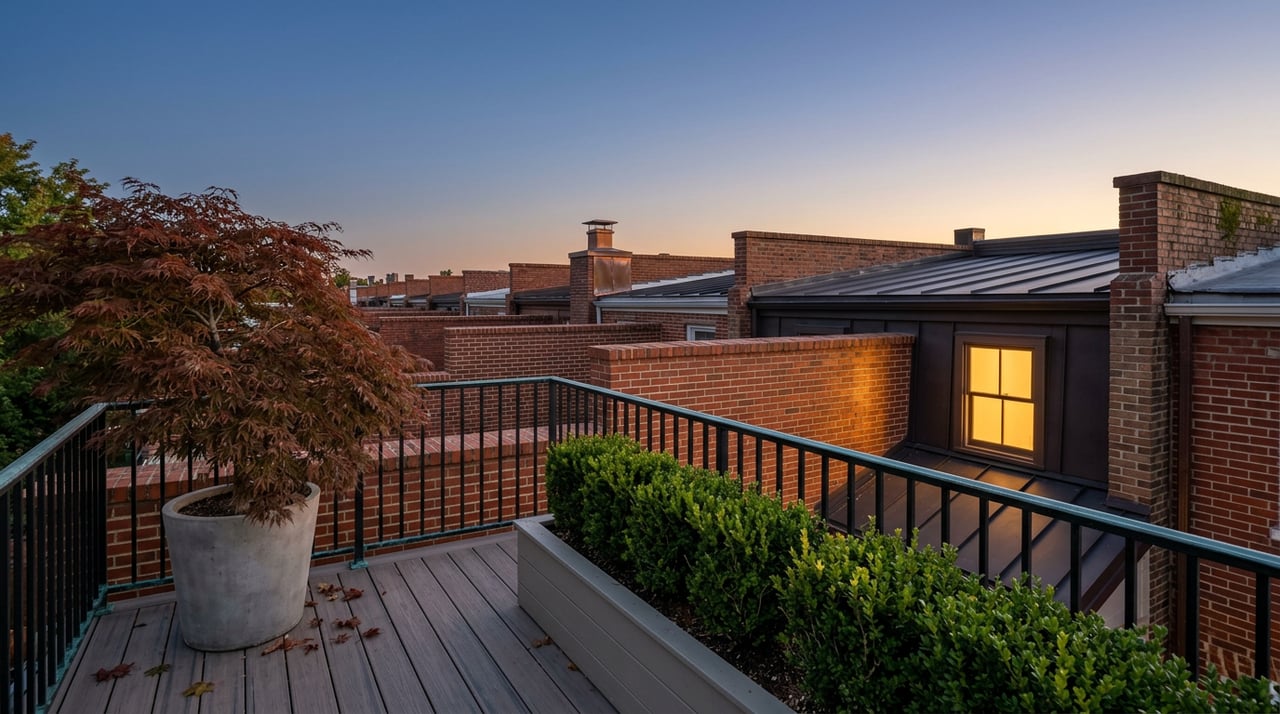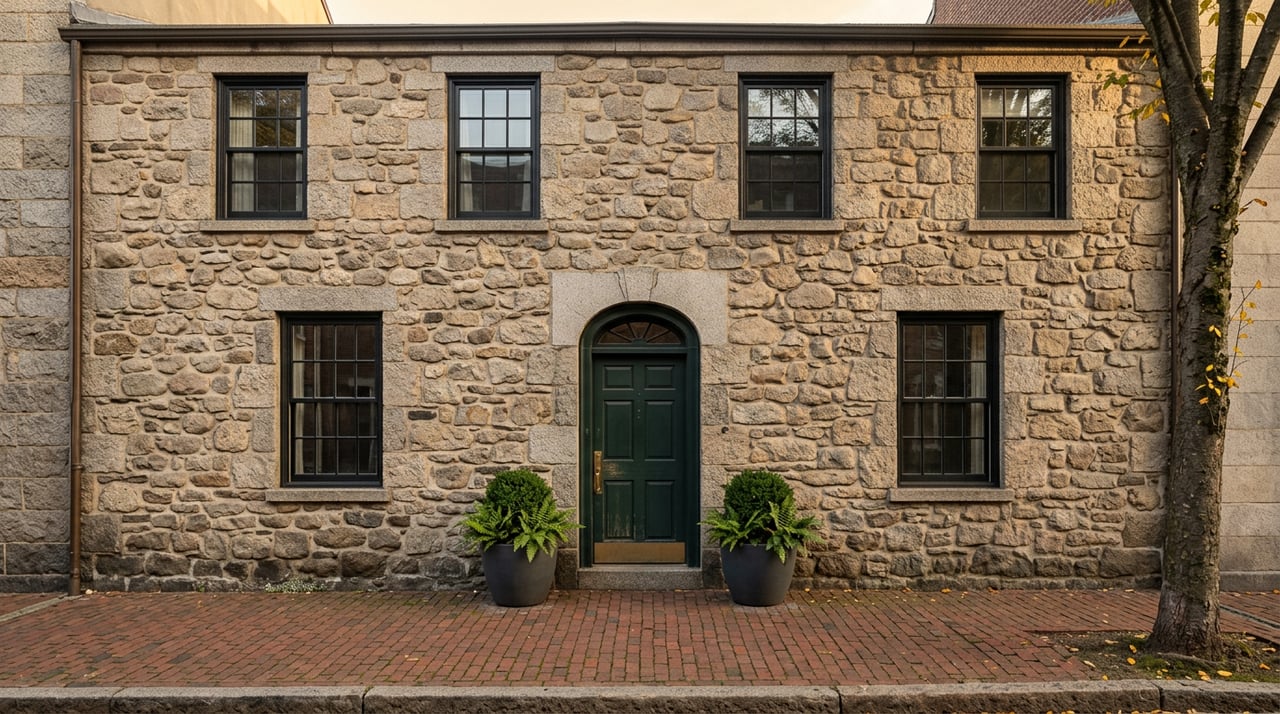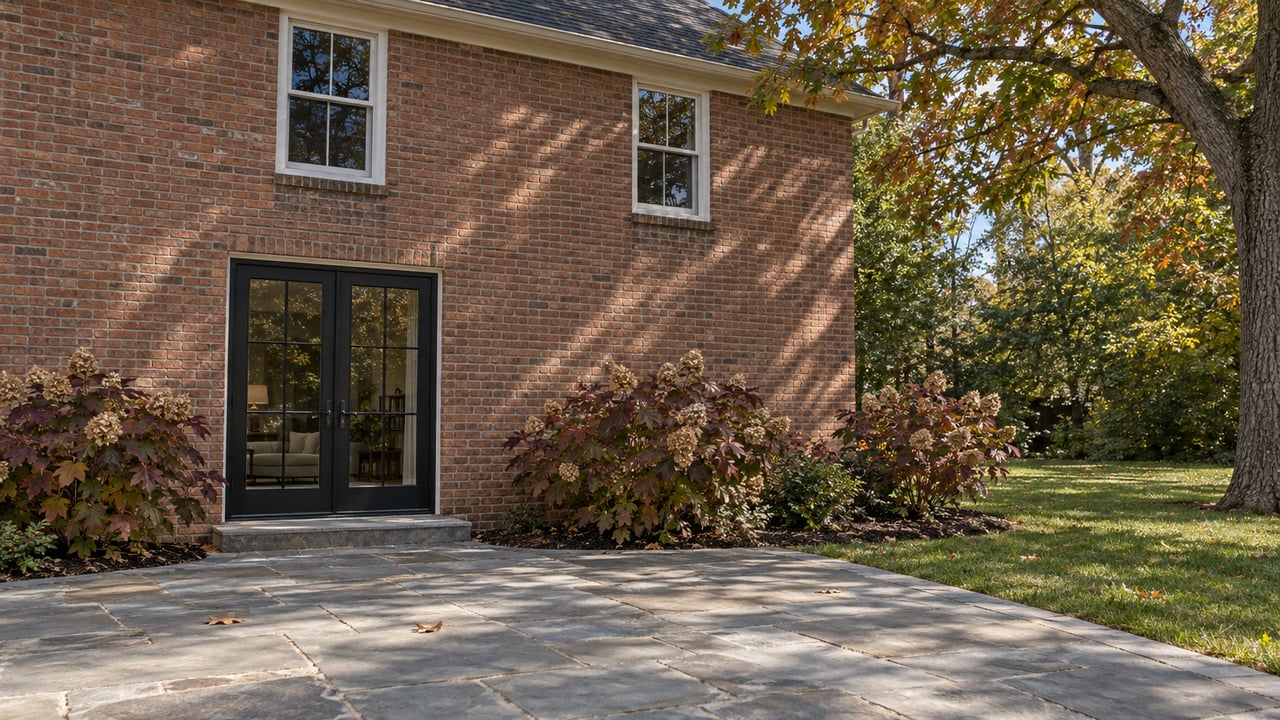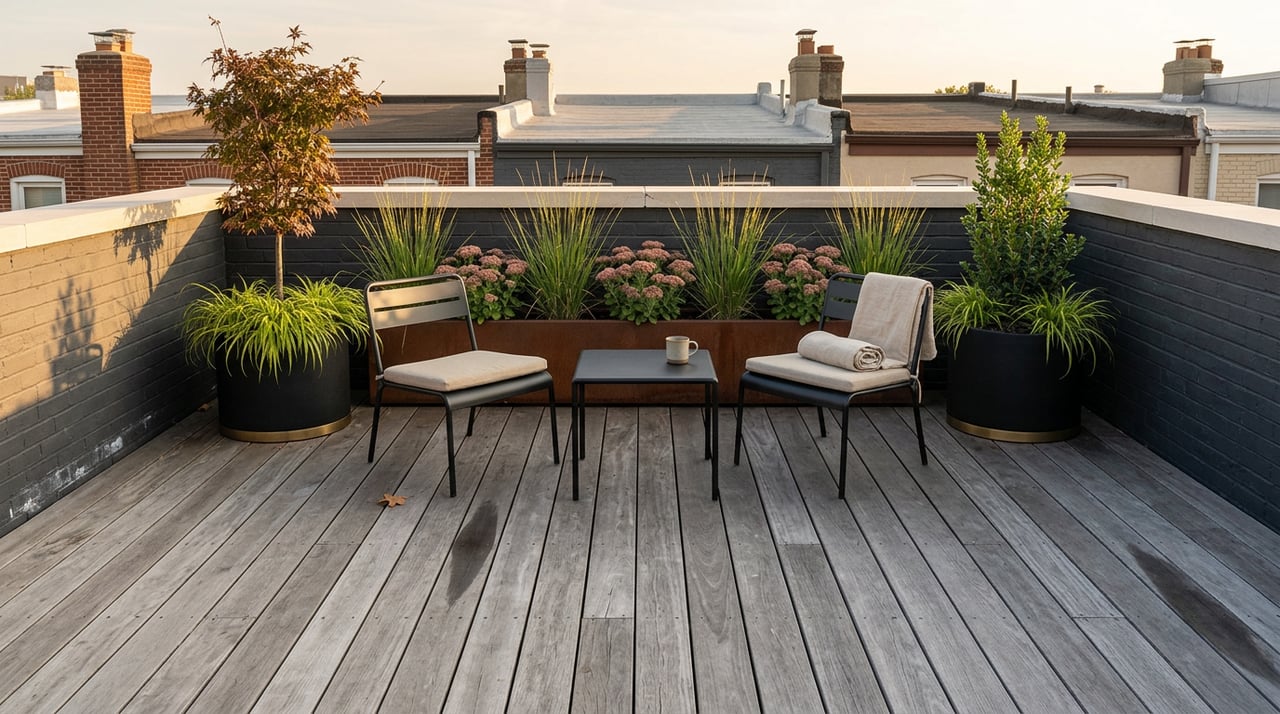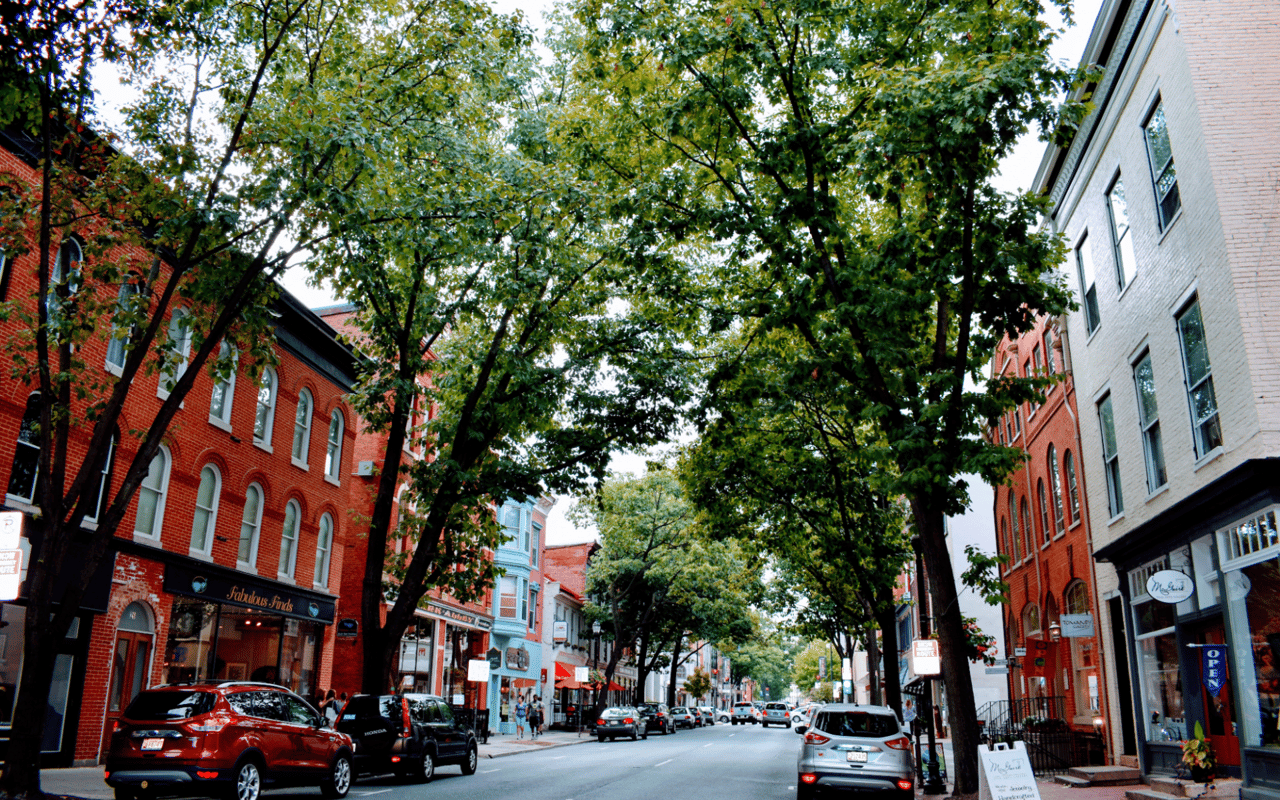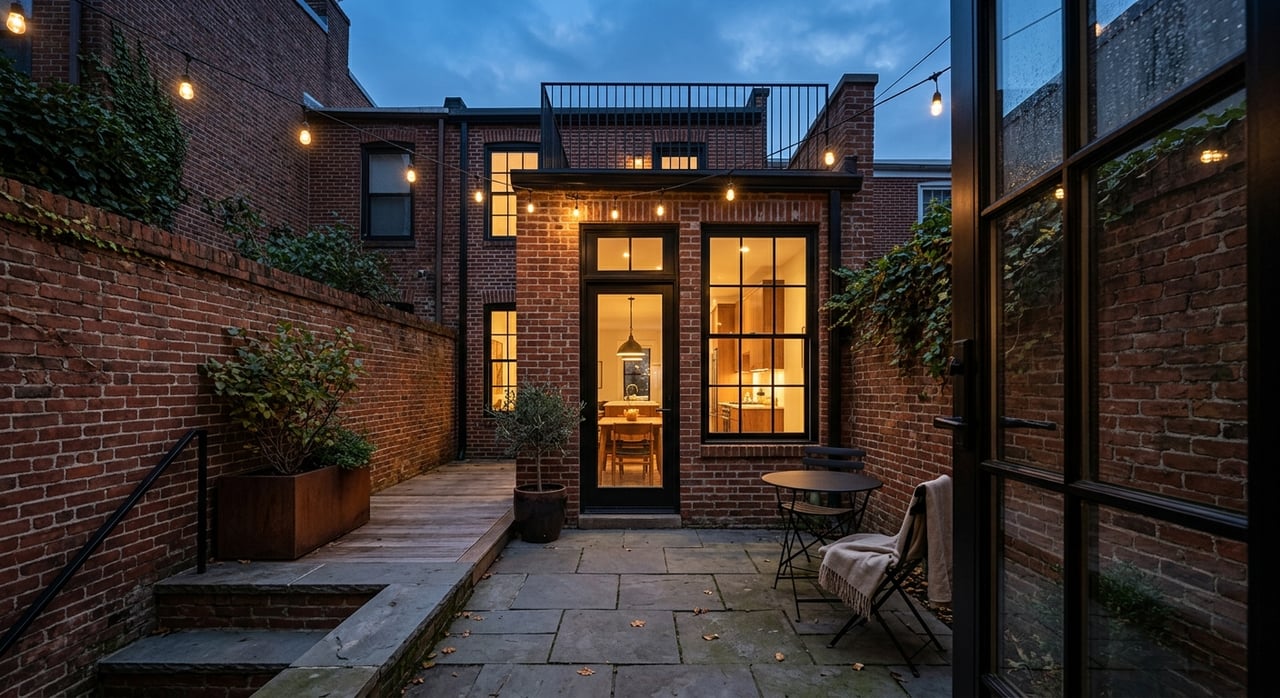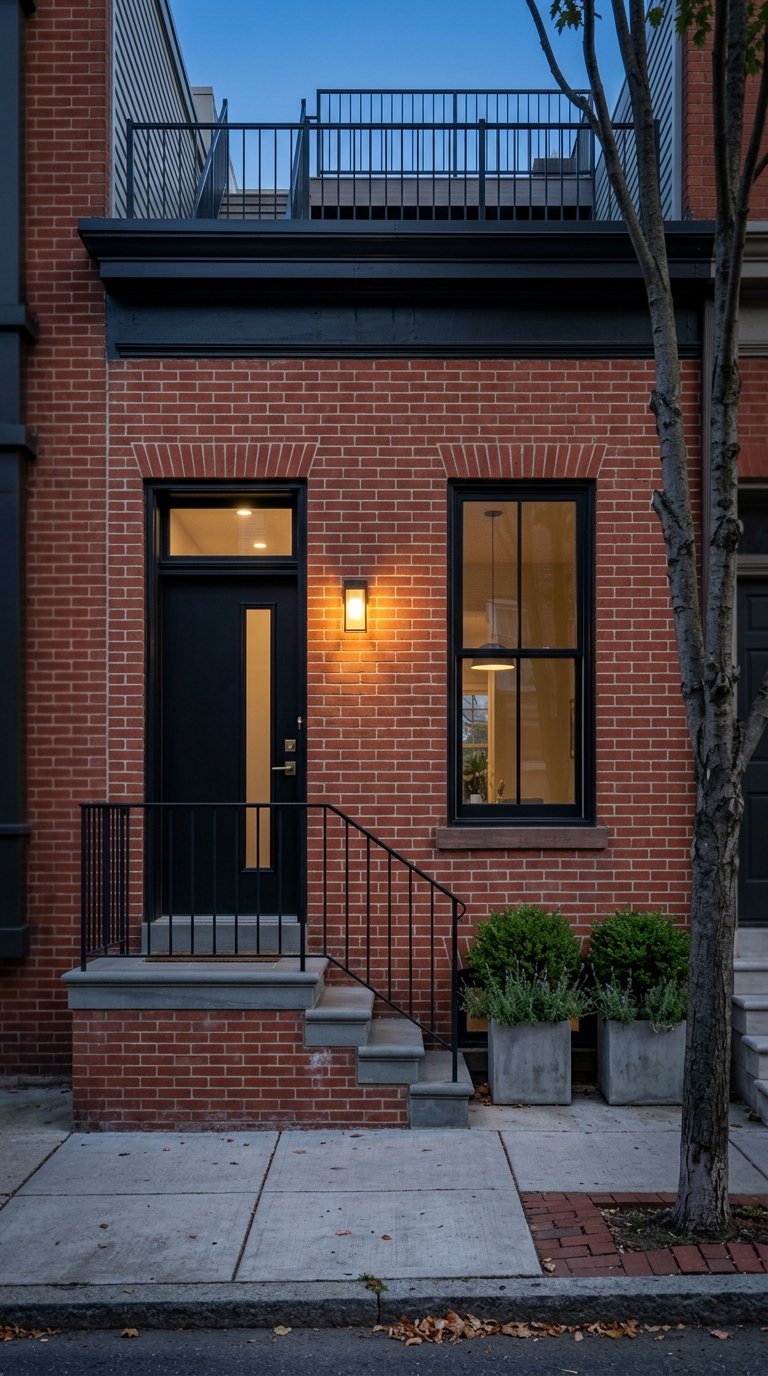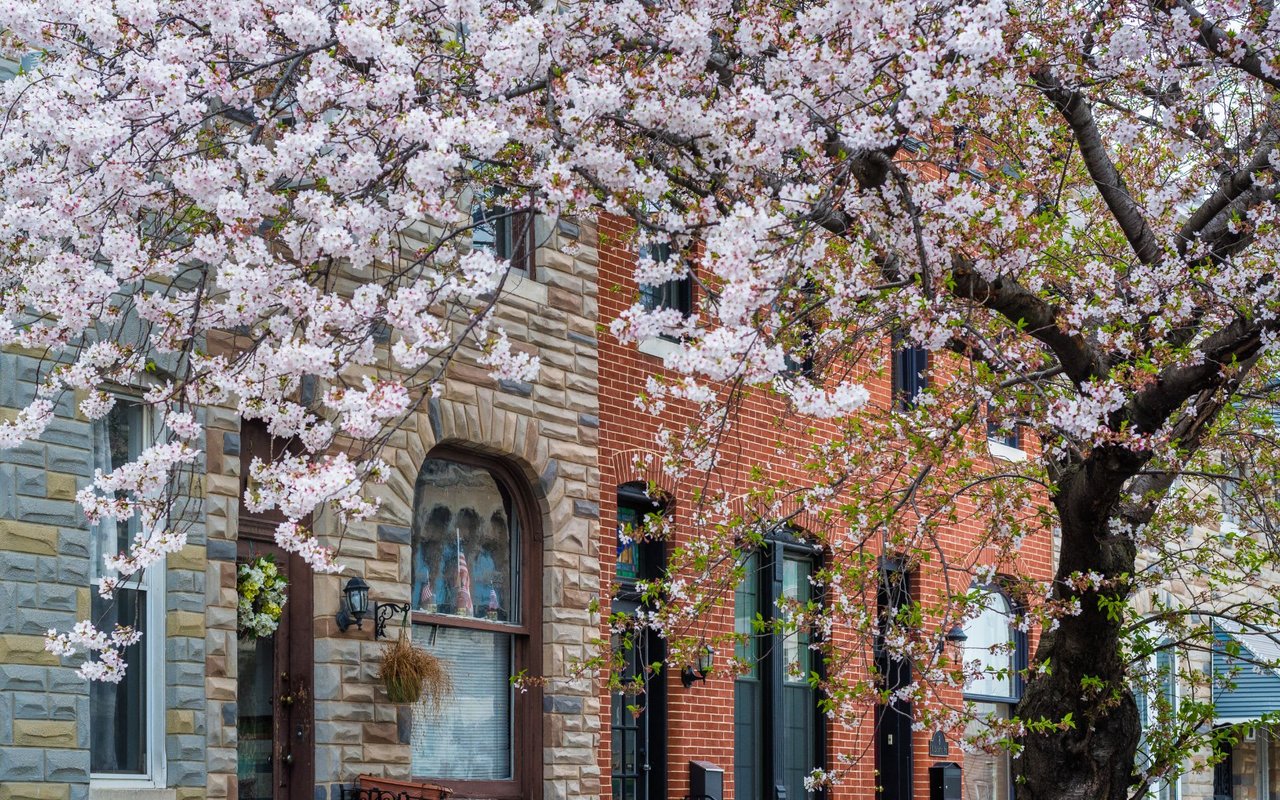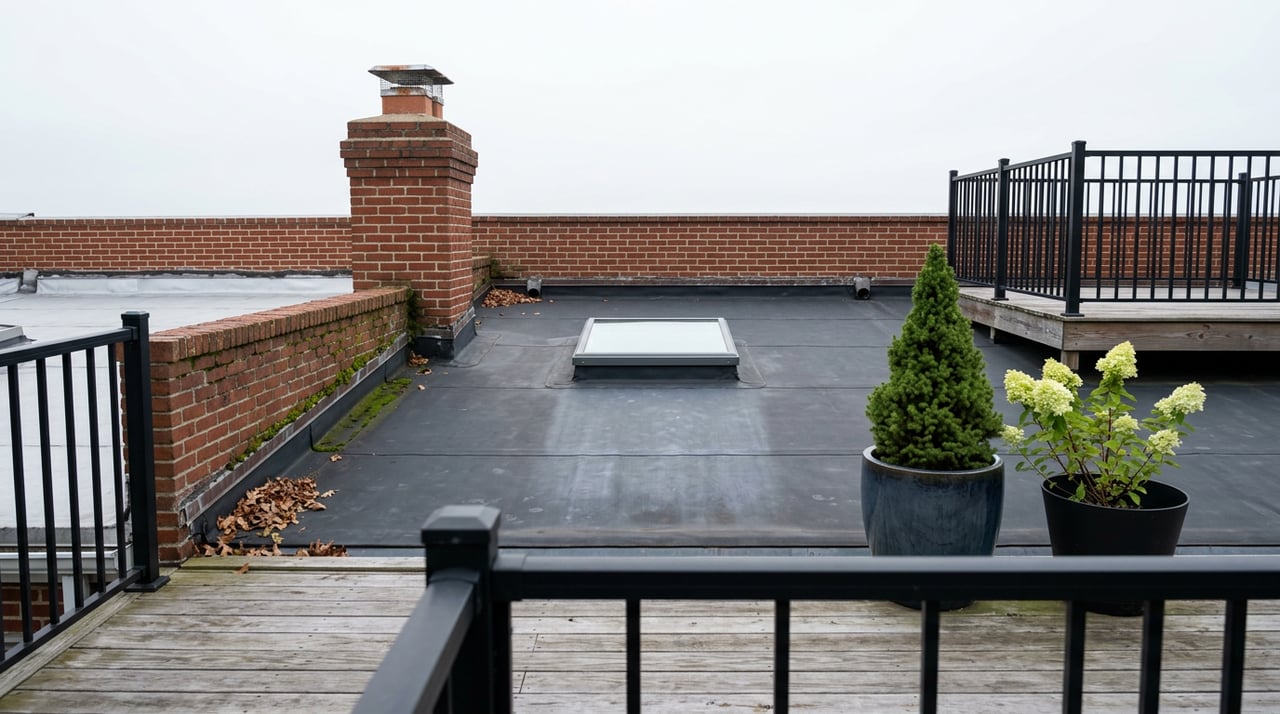
Walk any block between Riverside Park and Cross Street and look up. On more than a few rooflines, roofing crews will tell you the same thing: pull back the gutter and you'll find the original tin decking still down there, buried under four, five, sometimes six layers of tar and asphalt laid on top of it over the decades. Nobody planned it that way. Nobody meant to let a roof get to layer six before dealing with layer one.
In Federal Hill, owners planning exterior roof work may also need to account for the historic review process and its timeline.
The Clock Starts Before the Ladder Goes Up
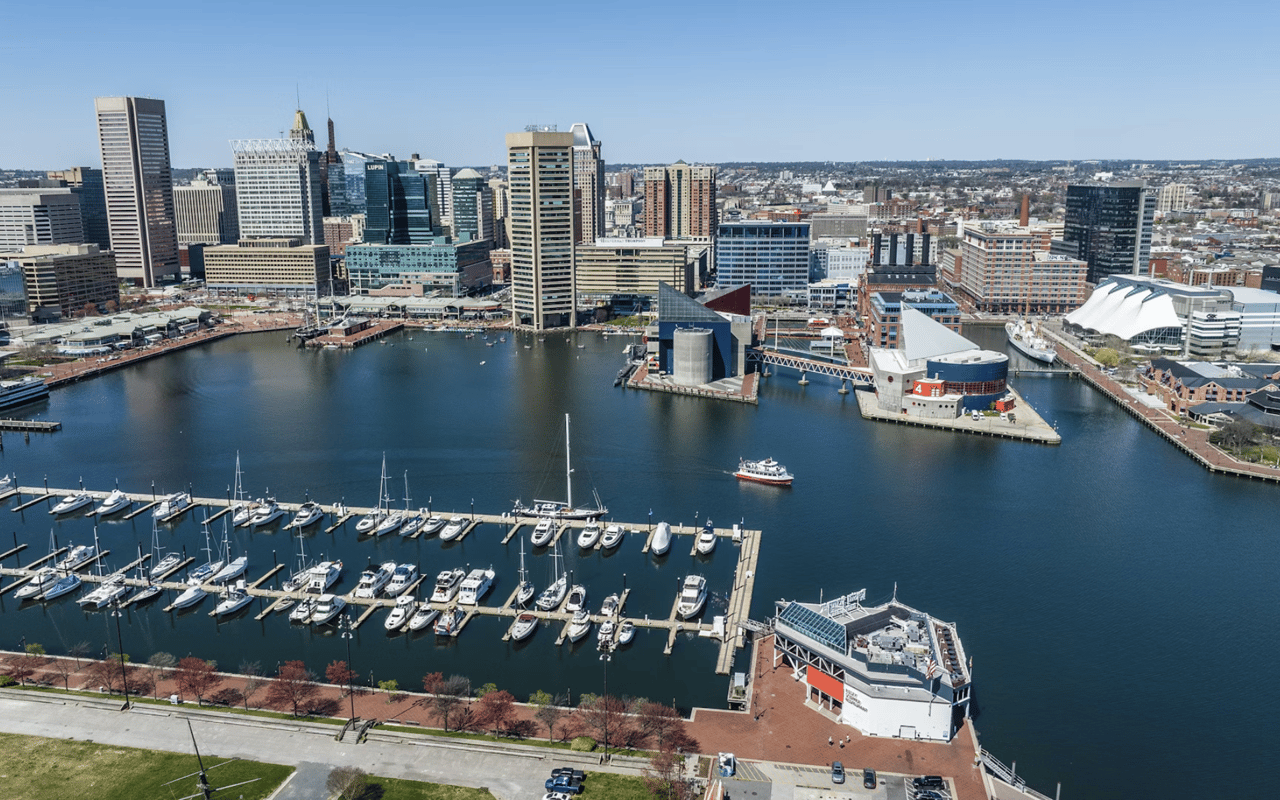
Federal Hill: A CHAP District says Federal Hill has been a locally designated historic district since 2017, when residents petitioned the city through their neighborhood association to secure that status. The designation carries real upside for owners, including access to Baltimore City's Historic Restoration and Rehabilitation Property Tax Credit, which Live Baltimore says reduces property taxes for ten years after an approved renovation and can transfer to the next owner if the home sells within that window. That's a genuine selling point worth mentioning in a listing if a prior owner did qualifying work.
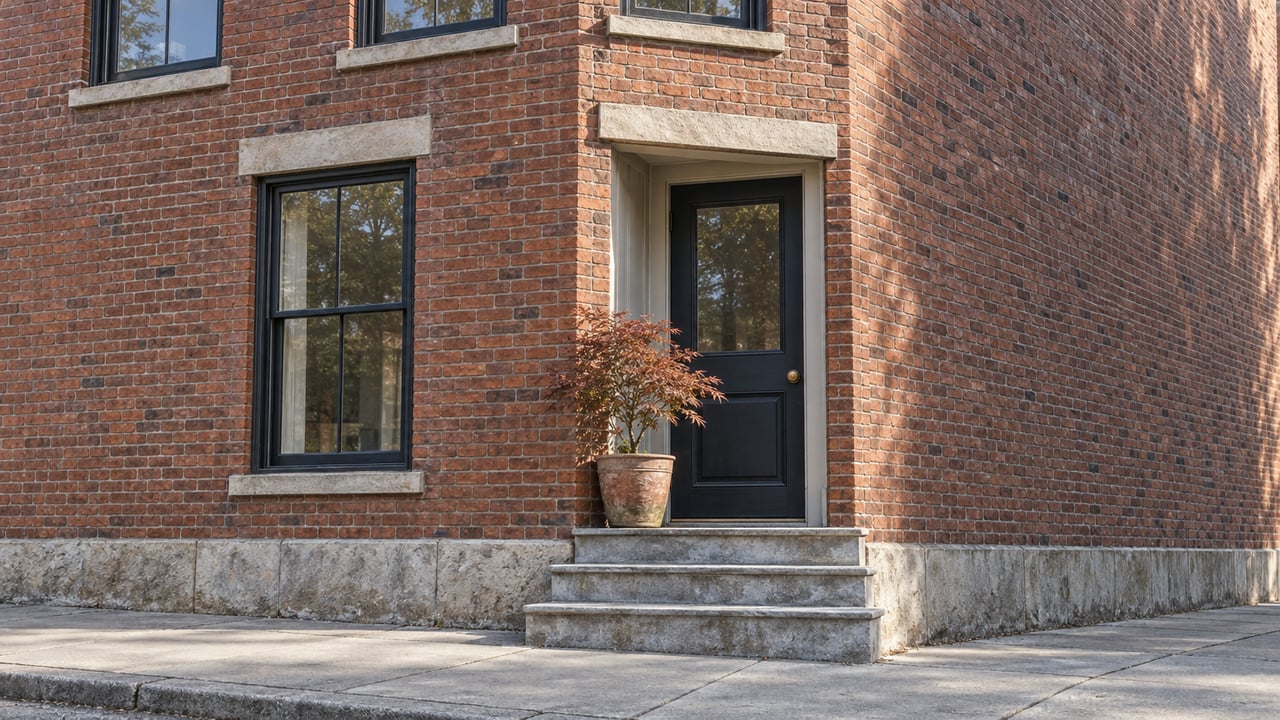
The tradeoff is the review itself. Any exterior change visible from the street, a new roofing material, replacement windows, repointed brick, a different paint color, requires a Certificate of Approval from the Commission for Historical and Architectural Preservation before Baltimore City will issue a building permit. According to Monarch Bay MD, interior work is generally exempt unless you're touching a structural wall in a building listed on the National Register. Here's roughly how the two review tracks break down:
| Review track | What it covers | Typical timeline |
|---|---|---|
| Staff-level approval | Minor repairs, in-kind material replacement, routine maintenance matching existing conditions | About 10 to 15 business days |
| Full Commission review | Alterations, additions, new construction, demolition, or any change in material, form, or character | According to Baltimore Contractor Authority, application must be submitted 30 days ahead of the monthly meeting |
Skip the process and the consequences aren't hypothetical. Baltimore City can issue citations and fines for exterior work done without an approved Certificate of Approval.
Those timelines matter especially when an owner is weighing a roof repair.
How Review Timelines Factor Into Roof Decisions
Put yourself in the position of a Federal Hill owner with a flat roof that's ponding a little behind the chimney. A full roof replacement is exterior work, which means a Certificate of Approval, which means weeks of lead time on top of whatever a roofing crew needs to actually do the job. A silicone coating over the worst spots buys another few years.
The layered roofs described above can also require careful inspection of parapet wall flashing, built-in box gutters, and ponding water at chimneys, skylights, and other roof penetrations. Roofing contractors who work Federal Hill, Canton, and Fells Point specifically call out these features because the rowhome roof design here, flat or low-slope, built-in gutters, shared parapet walls, behaves differently than a suburban pitched roof and requires more time to inspect properly.
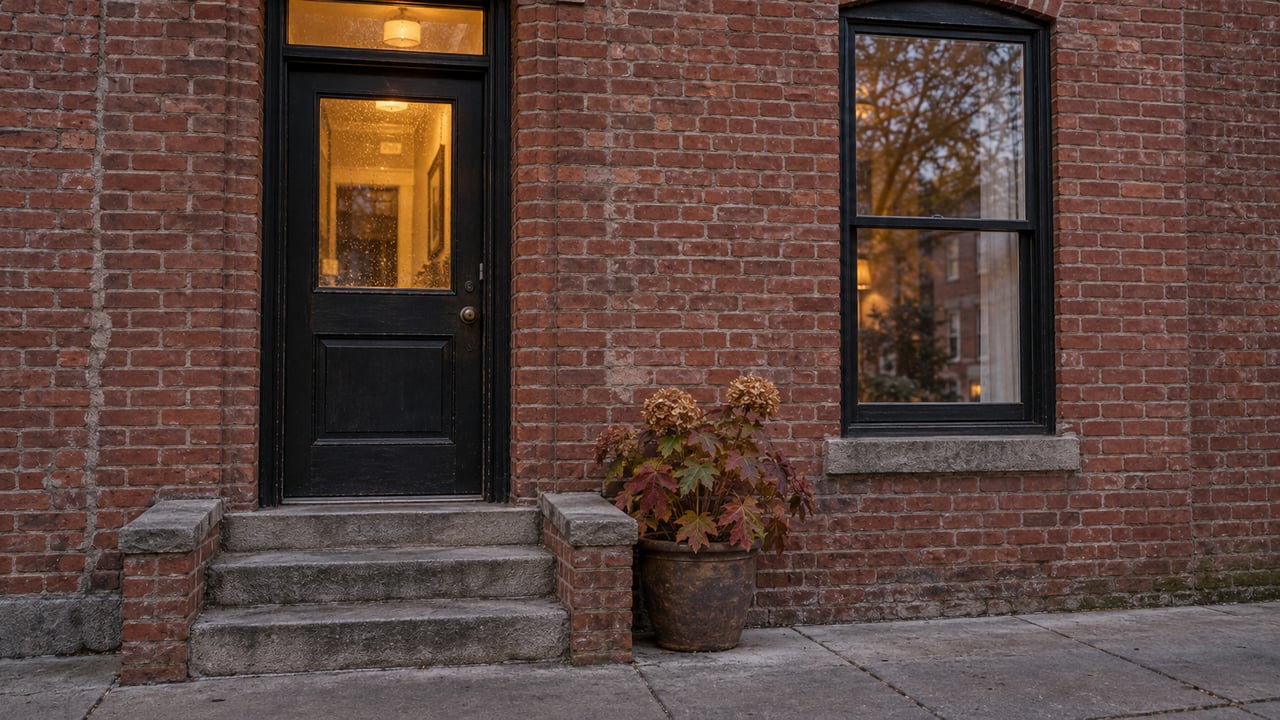
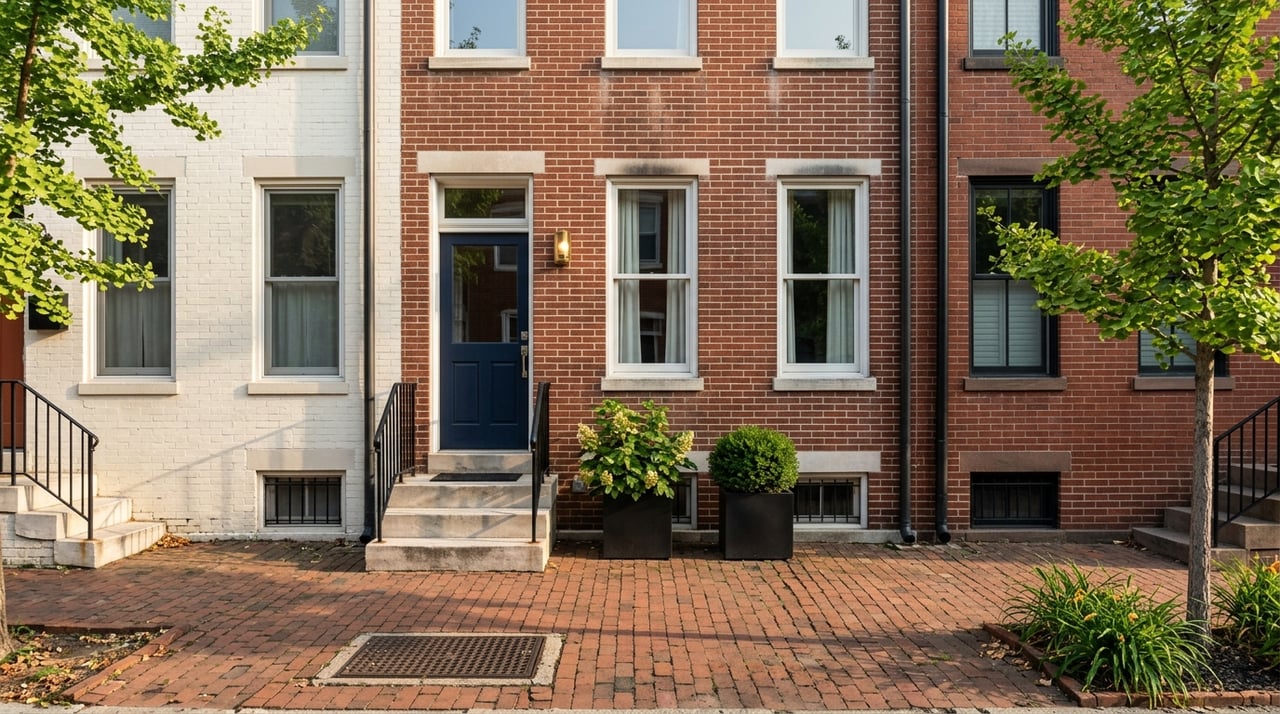
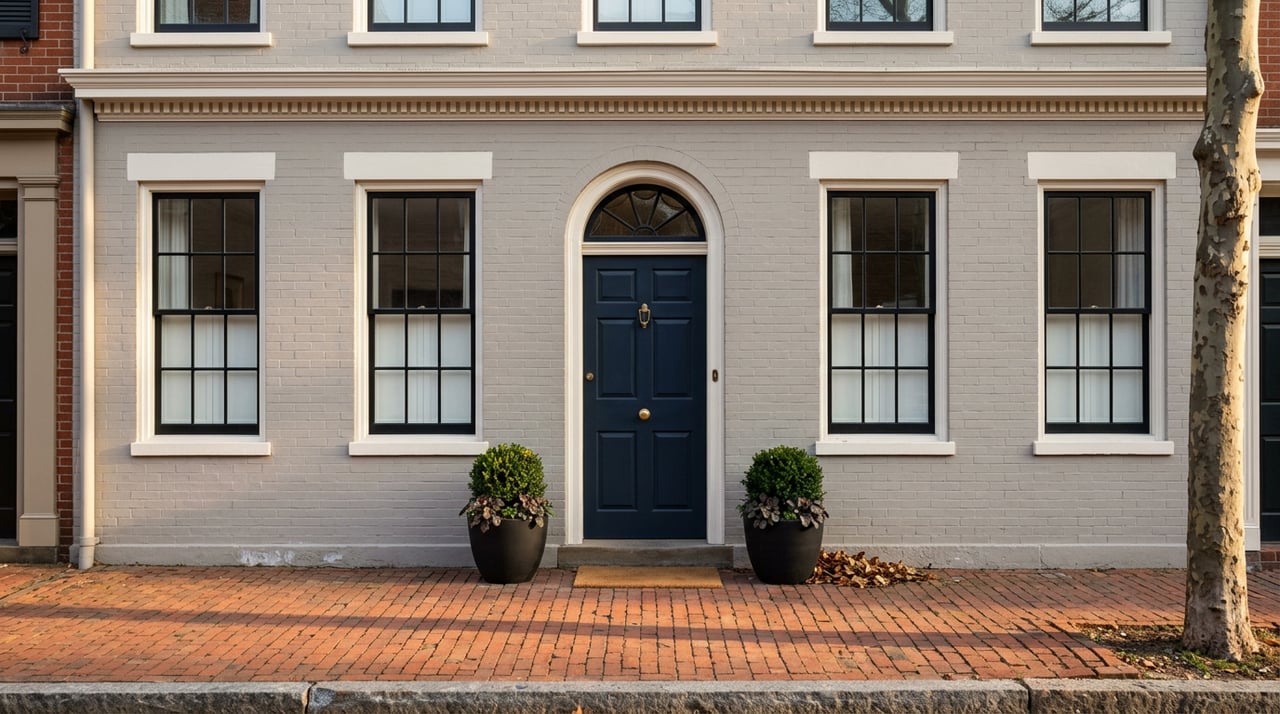
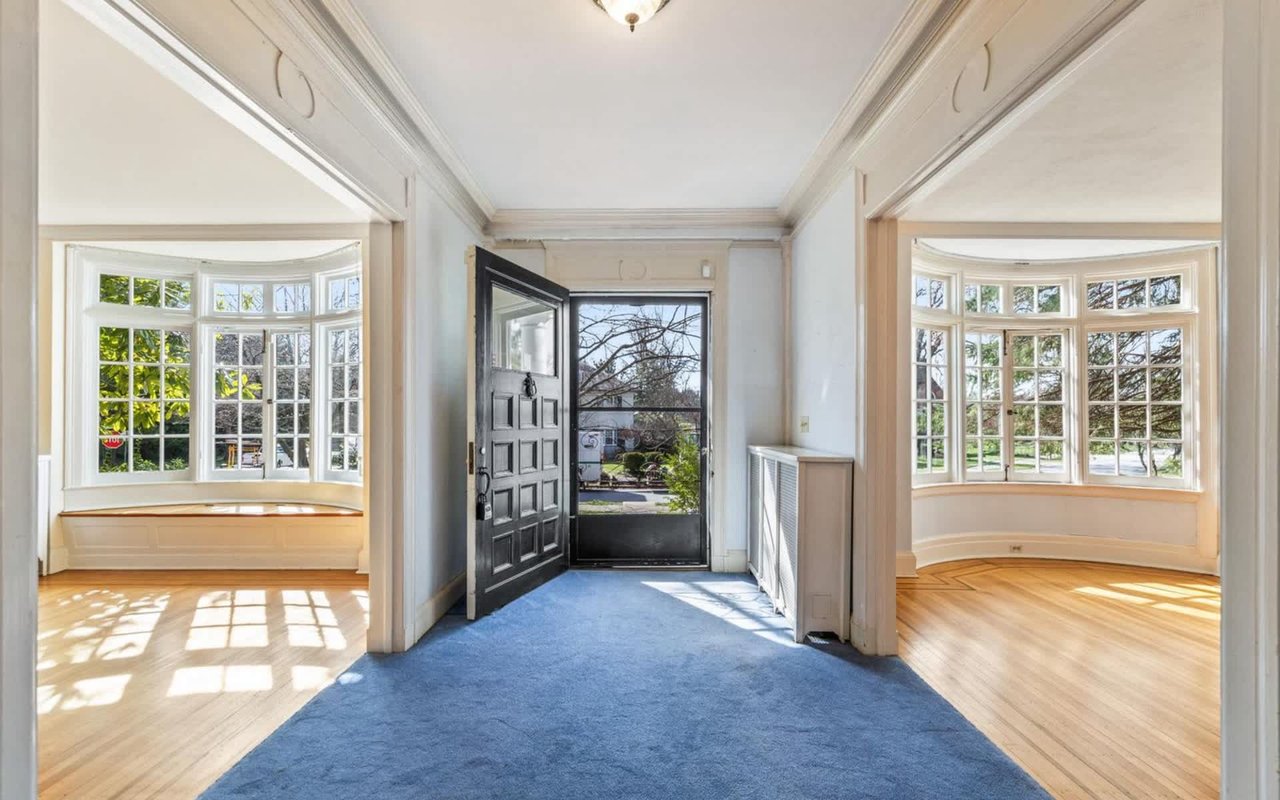
None of this makes Federal Hill's housing stock a poor bet. Original heart pine floors, marble front steps, formstone facades, and Greek Revival and Italianate detailing are part of what makes these blocks desirable in the first place, and CHAP's design guidelines exist to keep that character intact rather than to punish owners. But a seller who assumes a roof or a window "passed last time" is walking into an inspection with a blind spot.
How to Read Federal Hill's Price Data
Here's the piece that should actually change how a Federal Hill seller thinks about pricing this fall.
Over the three months ending May 2026, Redfin reported a median sale price of $270,000 in Federal Hill-Montgomery, down 27.6 percent from the same period a year earlier. Homes.com's trailing twelve-month figure lands in a similar range, between $285,000 and $287,500, down 23 to 25 percent year over year. Read on its own, that looks like a neighborhood in decline.
Now look at the number sitting right next to it. Over that same window, homes in Federal Hill-Montgomery sold in an average of 35 days, faster than the 48 days it took a year earlier. Homes.com puts the figure at 42 to 43 days, still well under the national average. Meanwhile, Baltimore City's citywide median sale price actually rose 9.4 percent over the three months ending June 2026, to $265,000.
A falling median price and a shrinking time on market don't necessarily tell the same story in a small, thin market. The mix of what happened to sell in a given quarter can do much of the work. Redfin recorded just 15 sales in Federal Hill-Montgomery in May 2026, barely moved from 16 the year before. With that few transactions, a handful of smaller condos closing instead of a couple of larger renovated rowhomes can swing a median by double digits without a single comparable property actually losing value.
That distinction matters enormously if you're the one setting a list price. Anchoring to a headline median that's down nearly 30 percent without looking at comparable sales is how a seller can leave money on the table. The number worth trusting is what comparable rowhomes of similar size and condition actually closed for on your specific block, not the blended figure a portal spits out from whatever thin slice of inventory happened to sell that quarter.
What This Means If You're Listing This Fall
Two practical takeaways follow from all of this.
First, if your rowhome needs any exterior repair before it goes on the market, roofing, windows, brick, start the Certificate of Approval process well before you set a listing date. Staff-level approval on routine, in-kind repairs can move in two to three weeks. Anything that changes material or form needs a spot on a monthly Commission agenda, and that calendar doesn't bend for a seller's timeline. Stack that against an average 35 to 43 days on market and a seller who waits to deal with the roof until an inspection flags it has already lost the schedule advantage.
Second, don't let a citywide or portal-reported median tell you what your specific rowhome is worth. Federal Hill's price data right now can reflect swings in property type and unit size, not necessarily a genuine drop in demand. A seller who understands that difference prices with more confidence and negotiates from a stronger position when a buyer's agent tries to use the neighborhood-level number as leverage.
A Few Questions Sellers Ask
Does CHAP review apply if the work isn't visible from the street? It's worth confirming with CHAP staff directly before assuming an exemption applies.
Will a buyer's lender care about roof age the same way an appraiser would? Roof condition can affect both financing and insurance underwriting on older Baltimore properties, separate from CHAP's design review. Getting a current roof certification before listing addresses that concern directly and gives buyers something concrete rather than a guess.
Can I keep working on the historic tax credit application after I list? The credit requires preliminary CHAP staff approval before renovation work begins, and the ten-year benefit period starts at the next assessment following completion. If a prior owner already secured it, that transferable benefit is worth confirming and including in your disclosures, since it's a real dollar figure a buyer will want to understand.
If you're weighing when to list a Federal Hill rowhome, or trying to figure out what an exterior repair timeline actually does to your fall selling window, I'd rather walk the roof with you before you list than have a buyer's inspector find it first. William Weeks works Federal Hill and the surrounding Baltimore market daily. Schedule a consultation and let's map out a timeline that accounts for CHAP before it accounts for you.
This article is general information, not legal, tax or financial advice. Consult a qualified professional about your situation.