If you want a Baltimore neighborhood with personality the moment you arrive, Hampden is hard to ignore. It blends historic rowhouses, independent businesses, creative energy, and a genuinely walkable layout that makes day-to-day life feel connected. If you are thinking about moving within Baltimore, buying your first home, or simply getting to know the city better, Hampden offers a lot to consider. Let’s dive in.
Why Hampden Stands Out
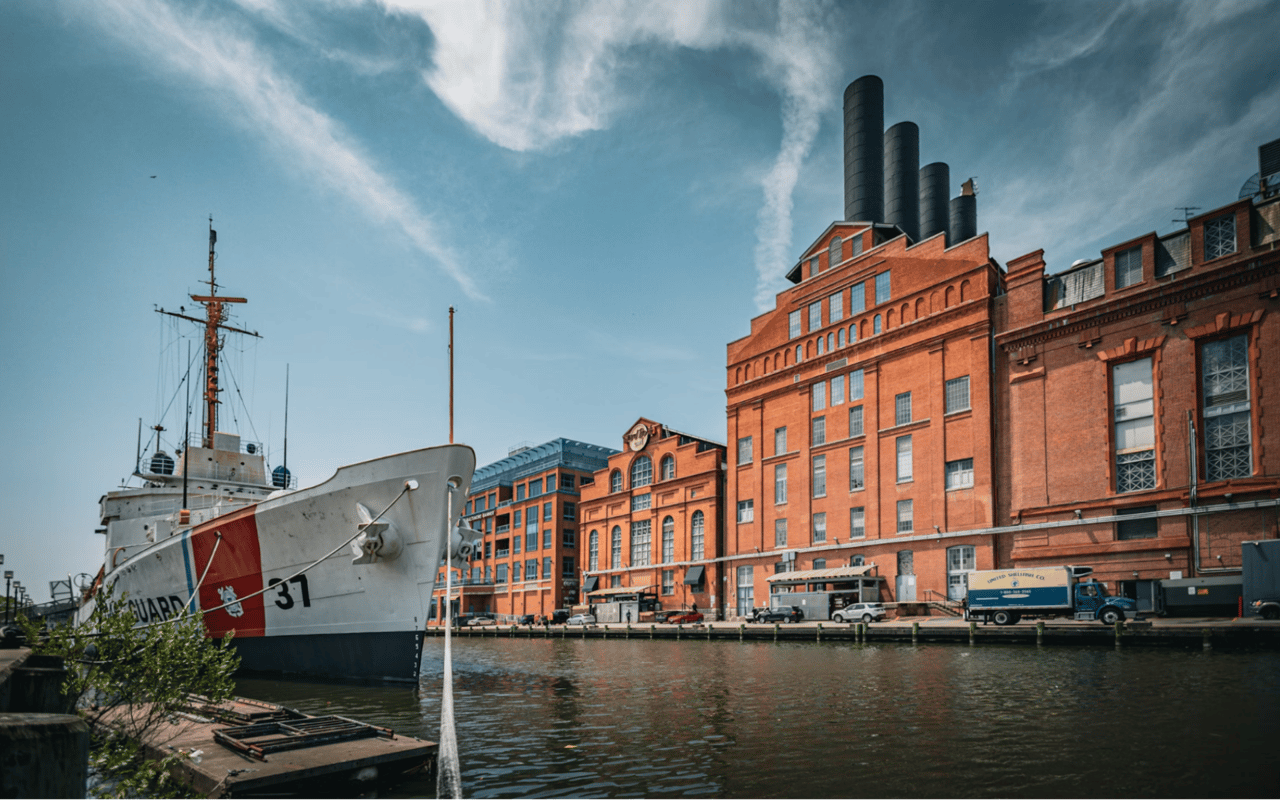
Hampden is one of North Baltimore’s most recognizable neighborhoods, and that identity has deep roots. Baltimore Heritage describes it as a notably intact 19th-century urban mill village tied to the Jones Falls textile corridor. That history still shapes how the neighborhood looks and feels today.
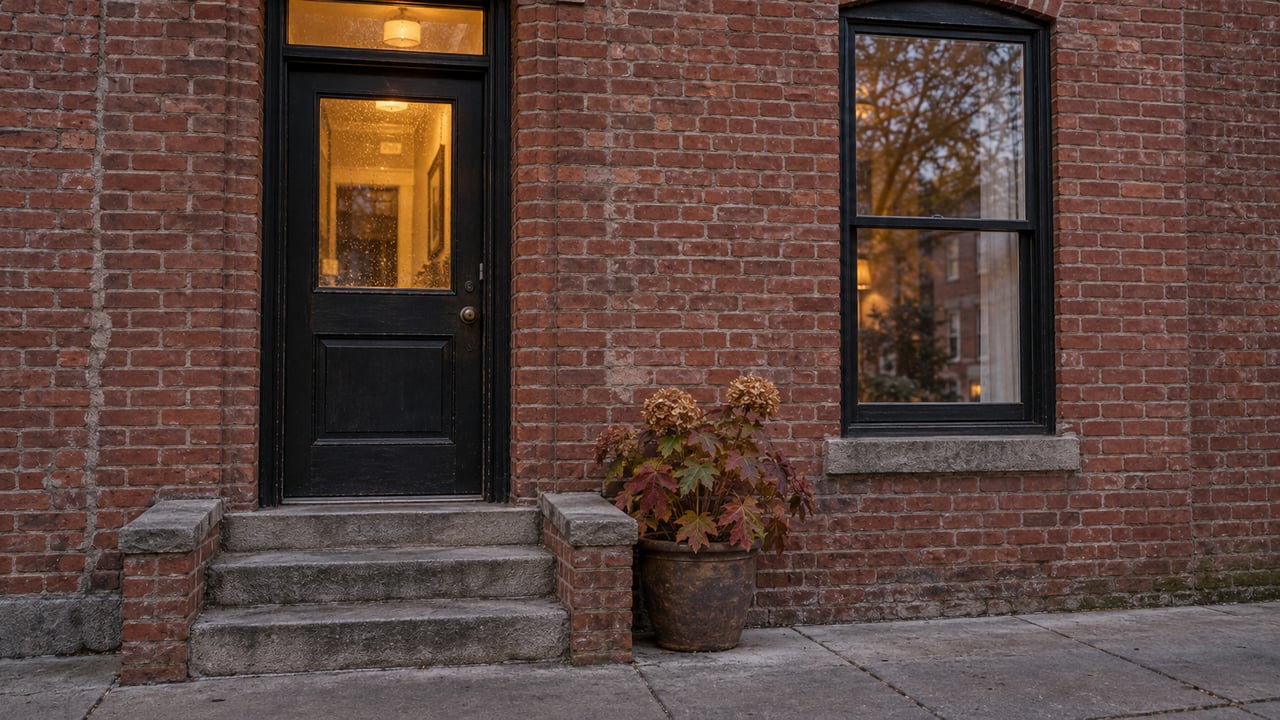
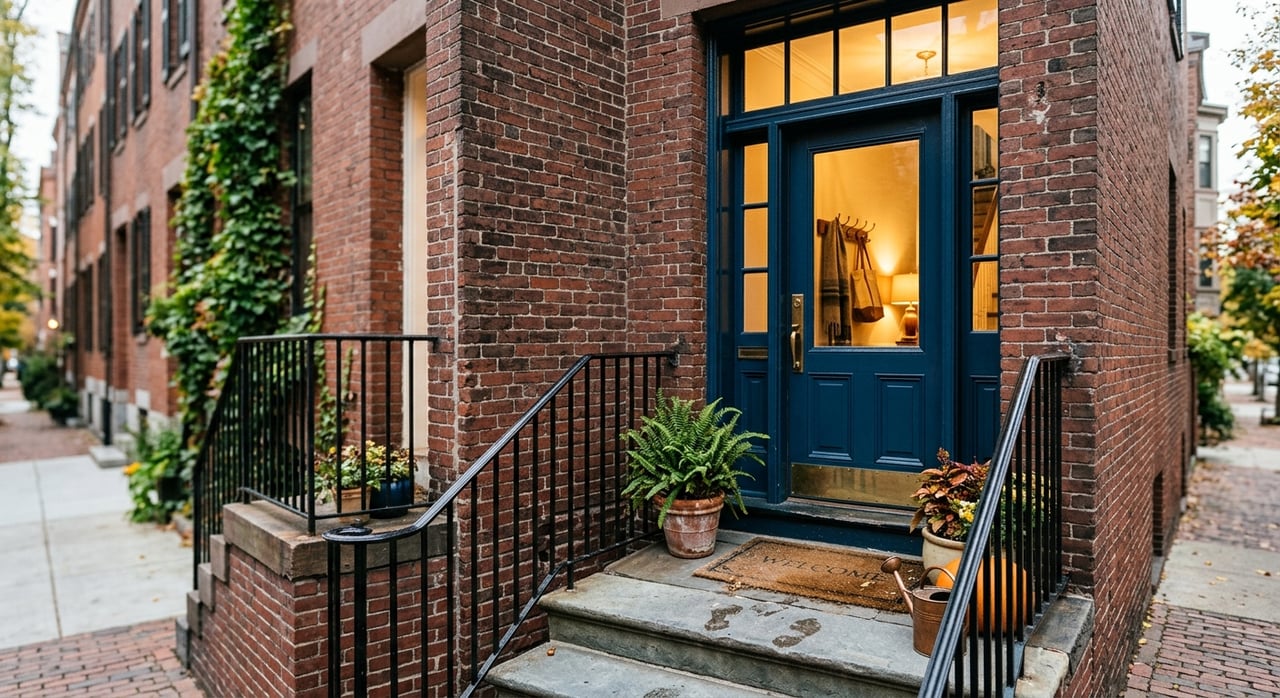
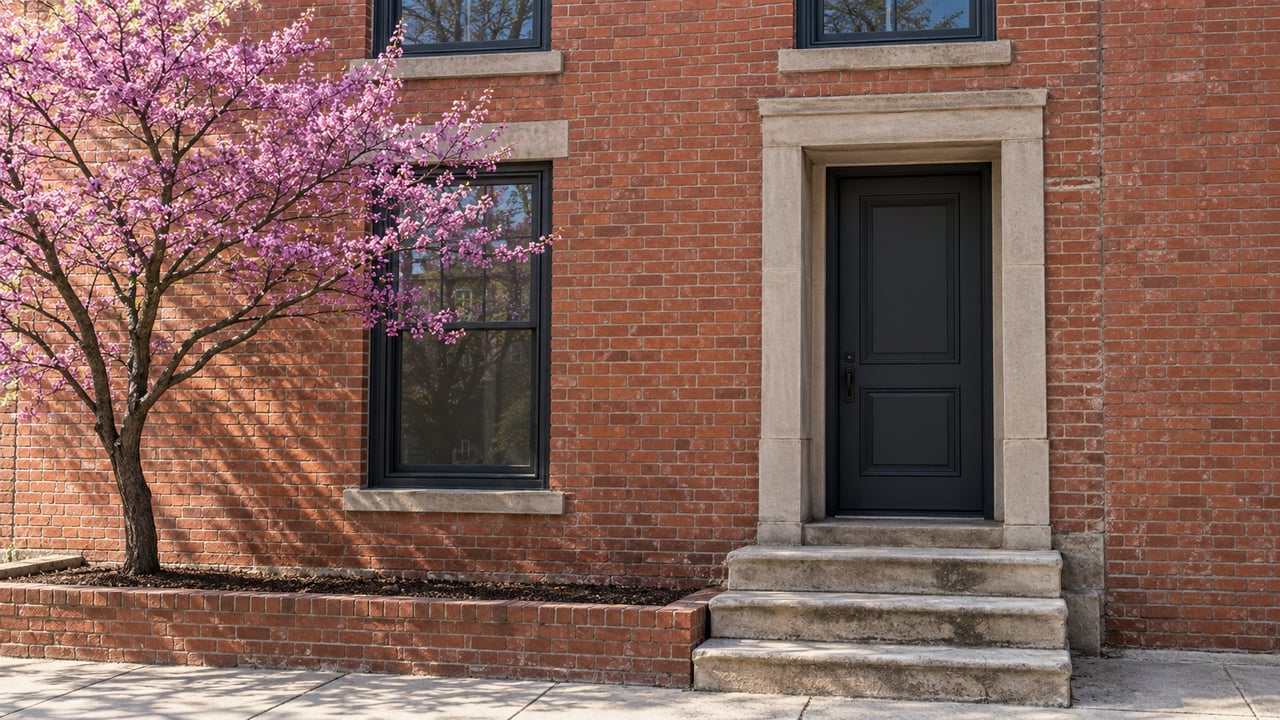
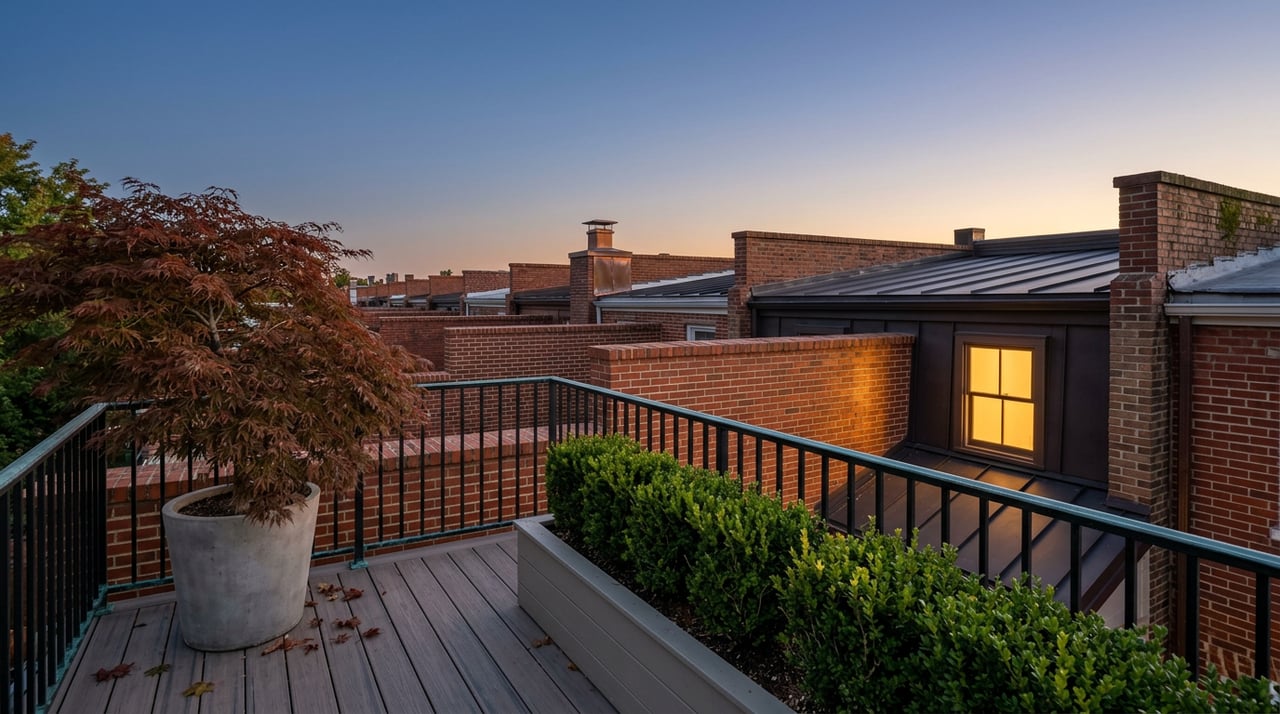
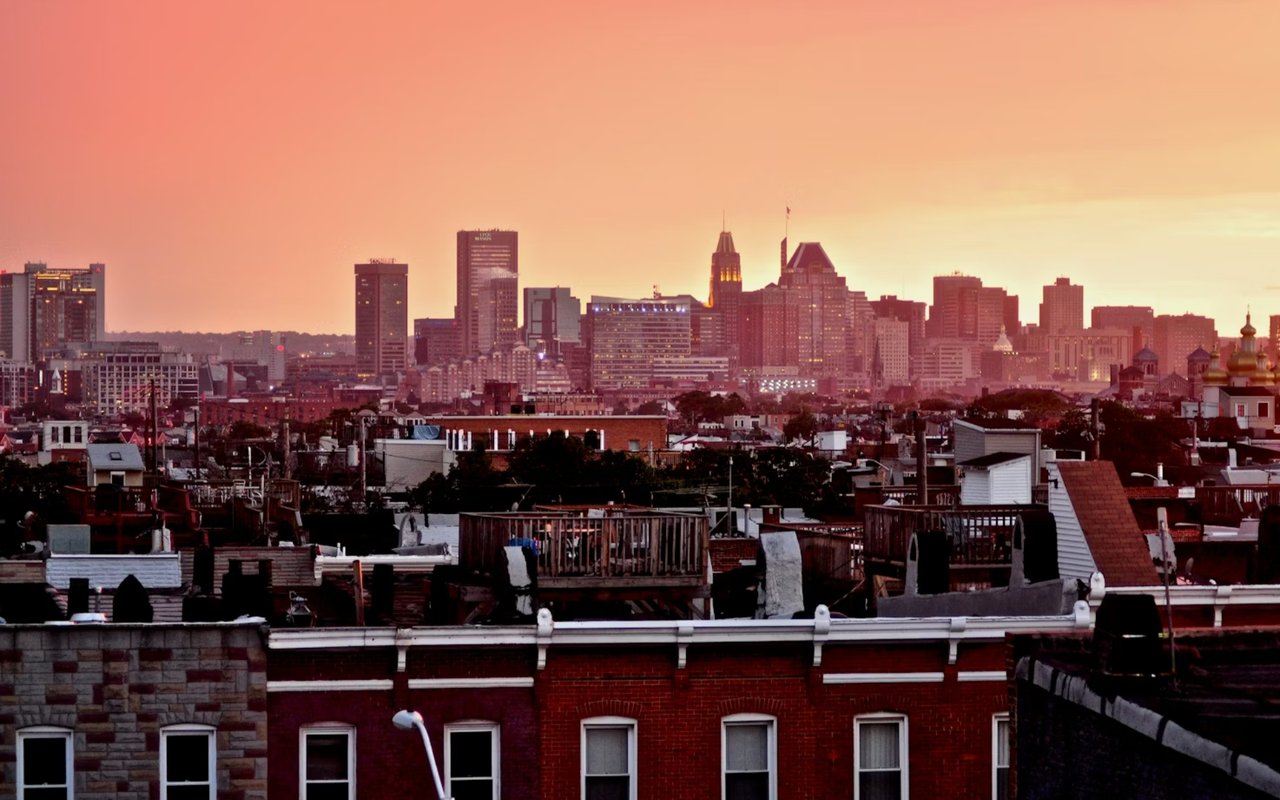
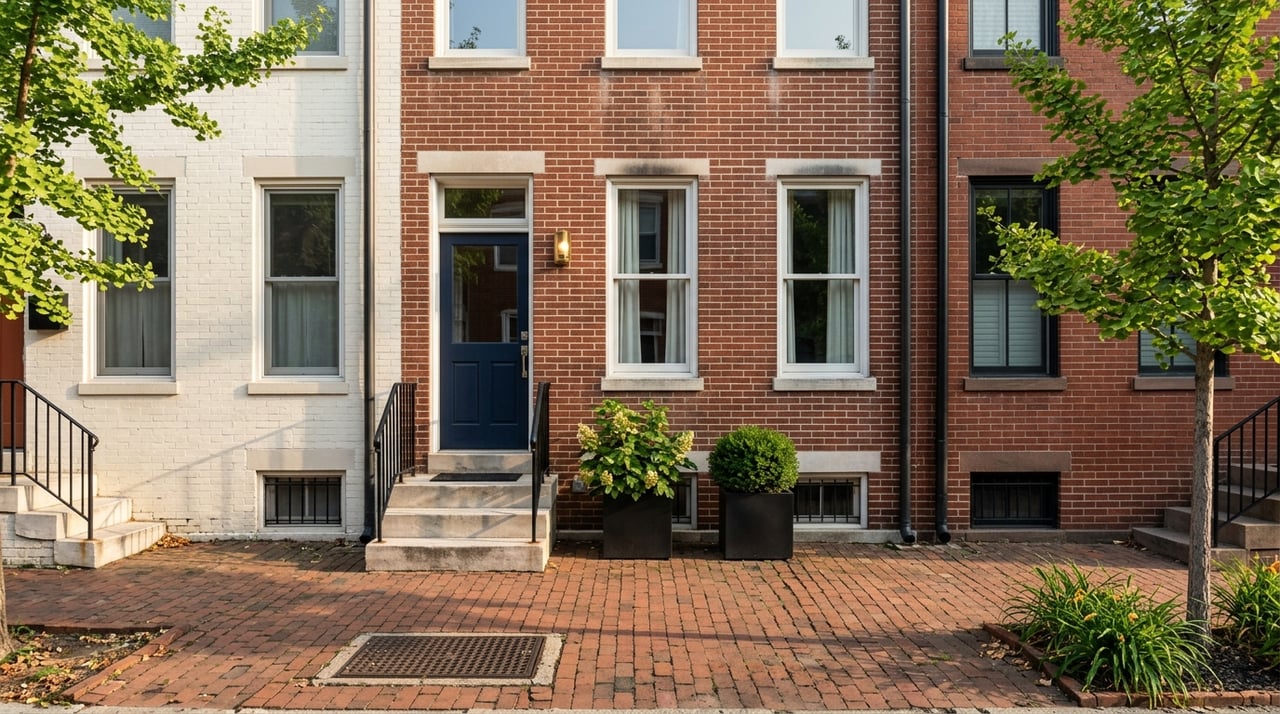
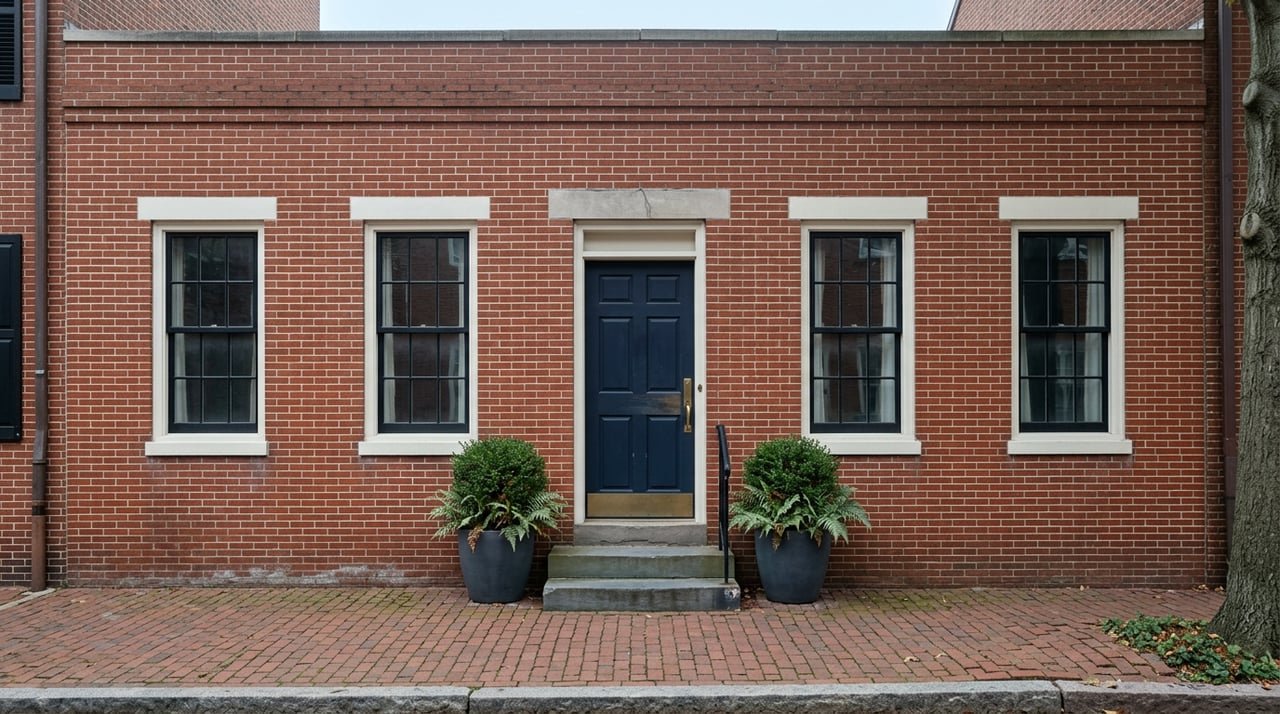
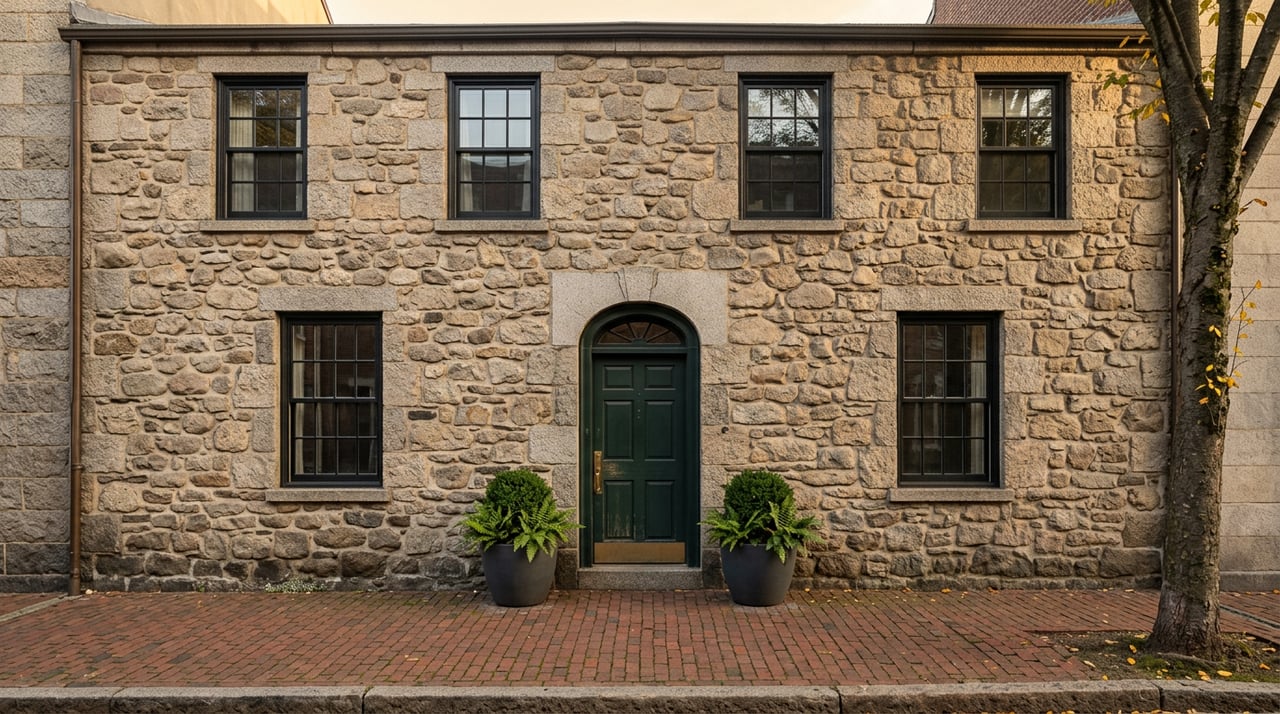
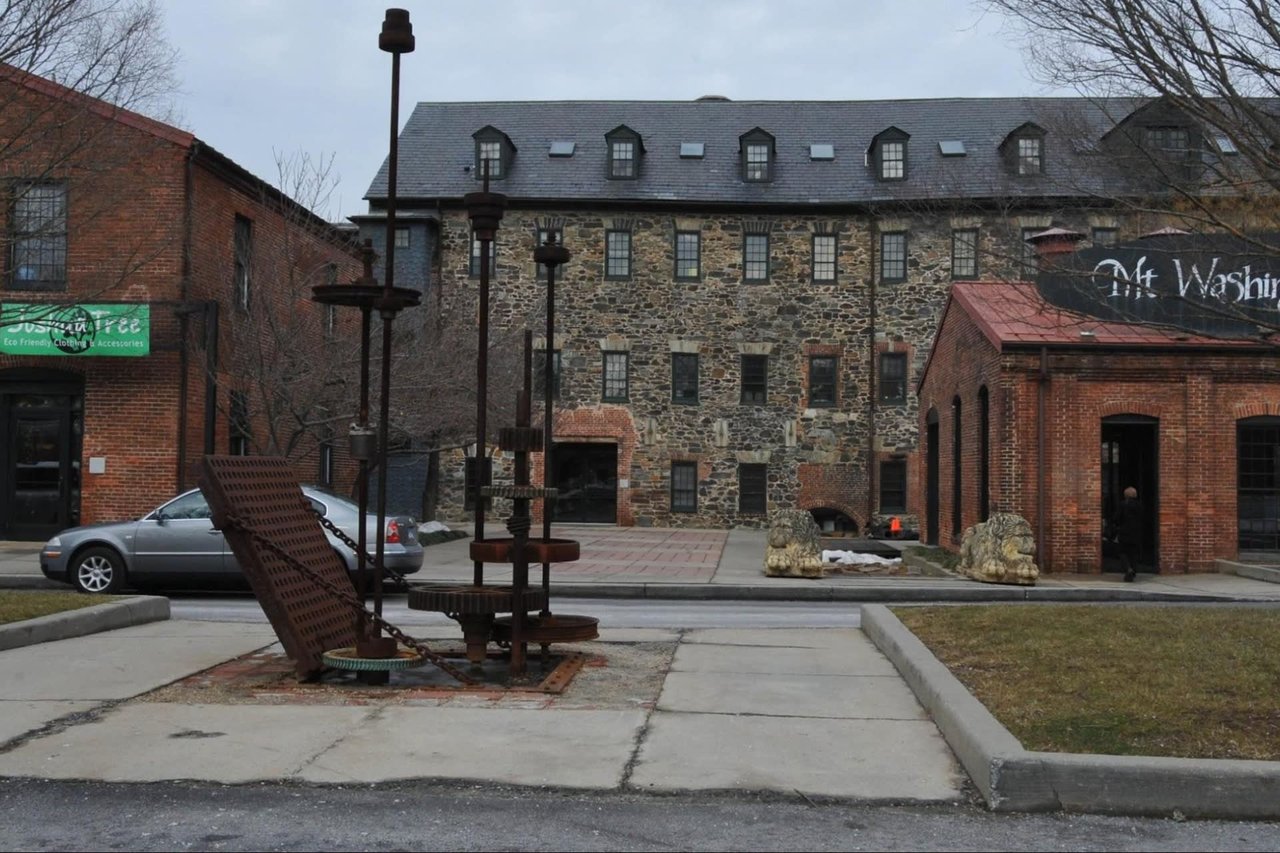
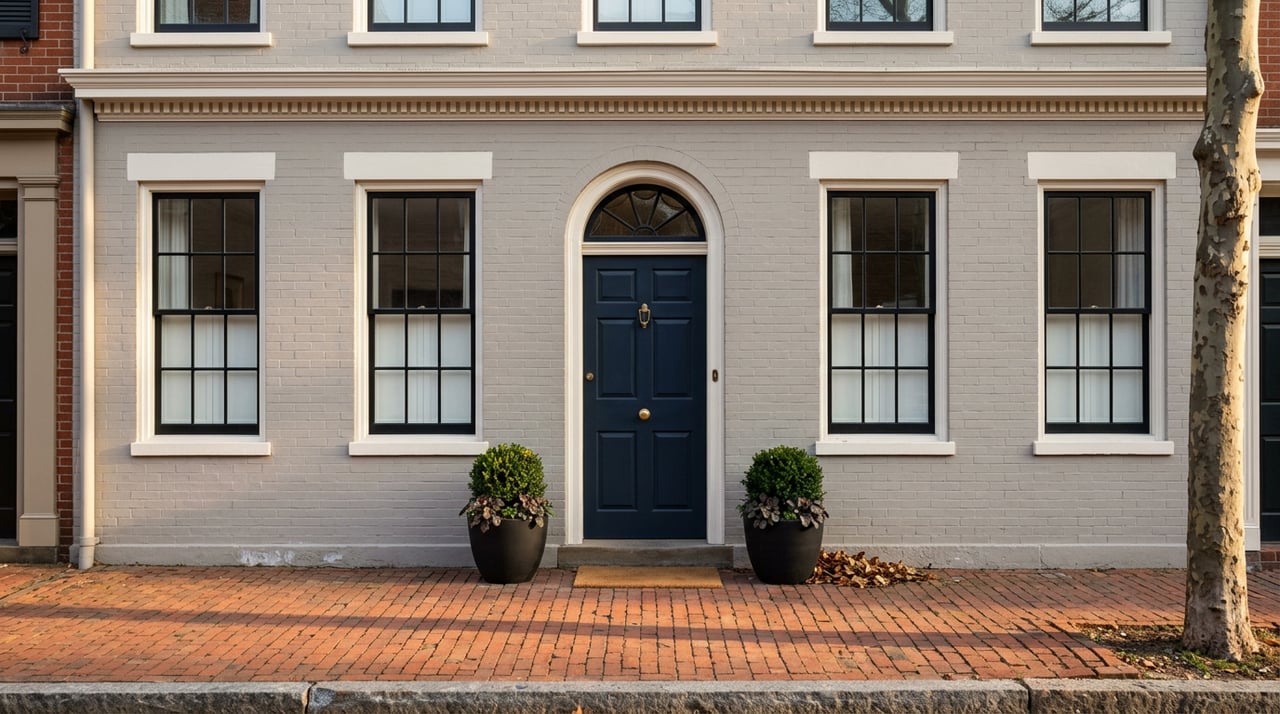
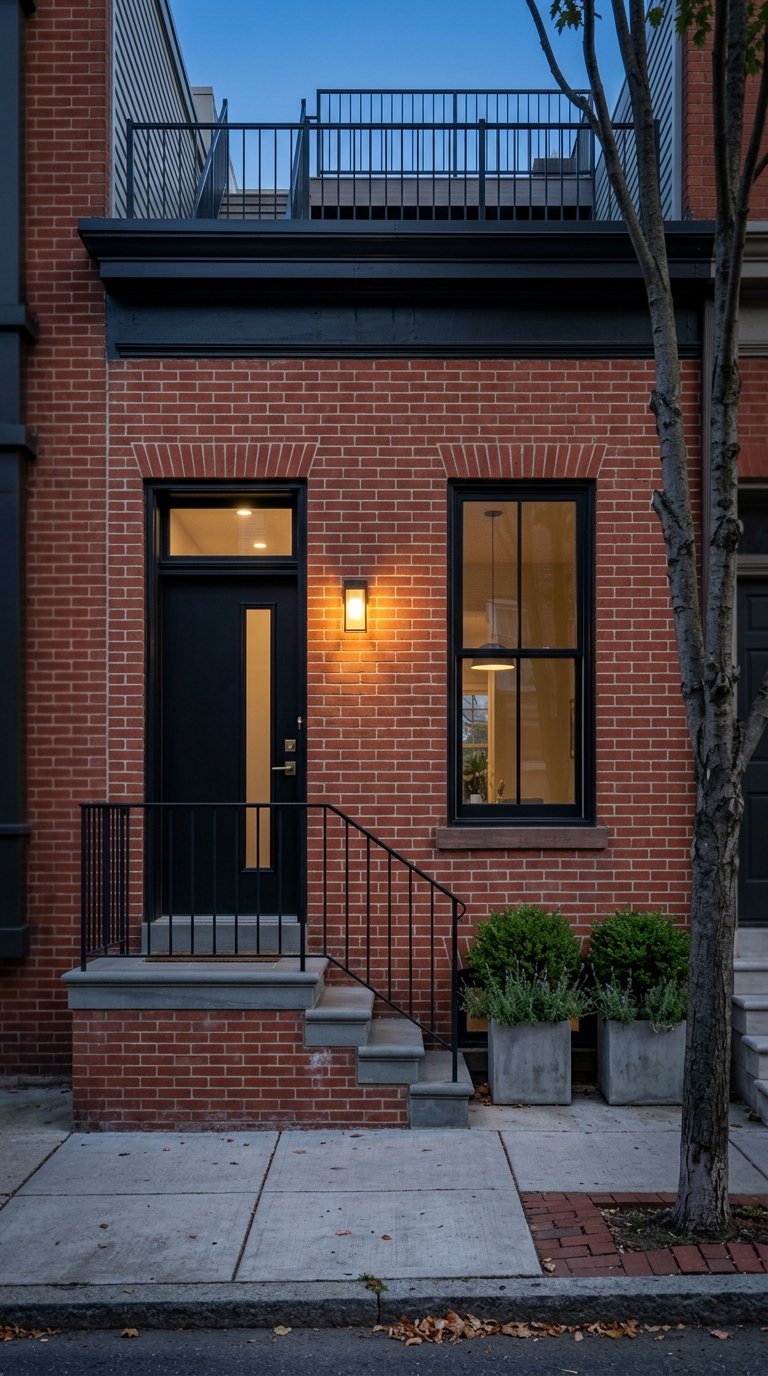
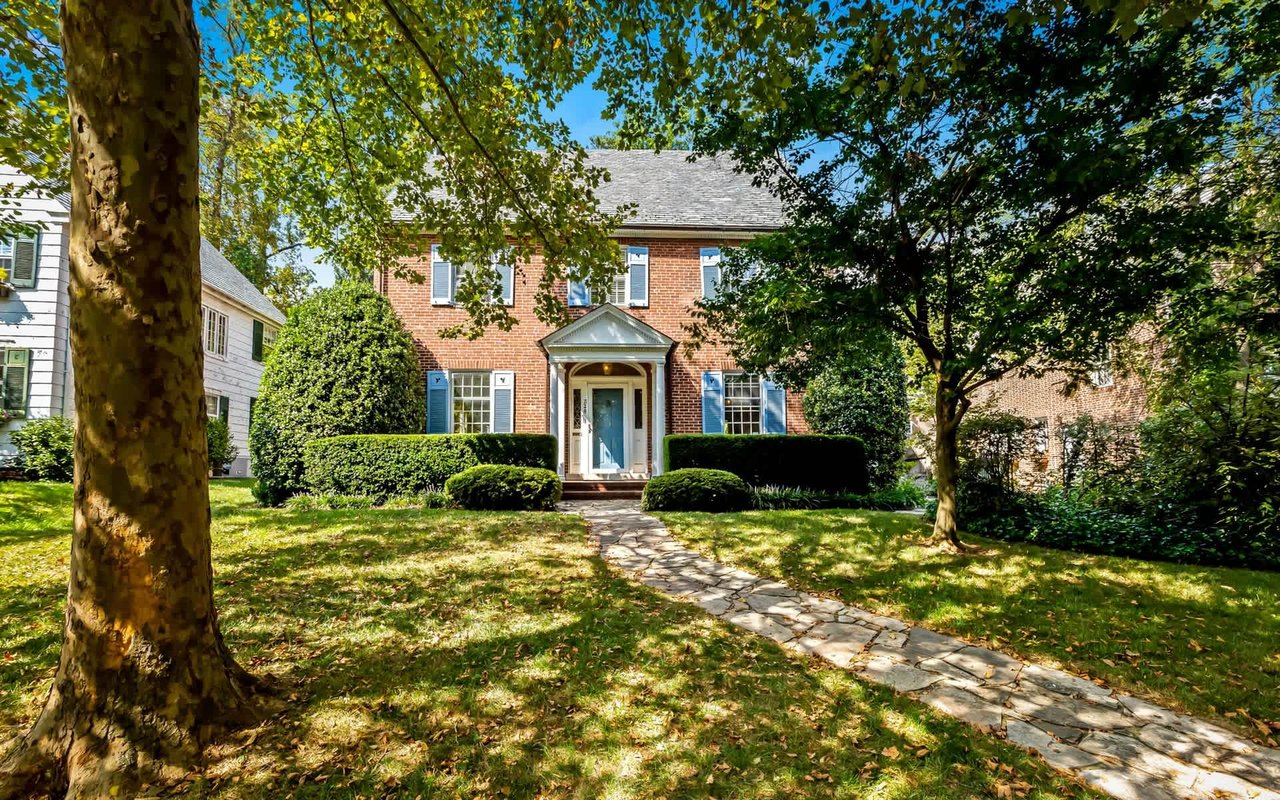
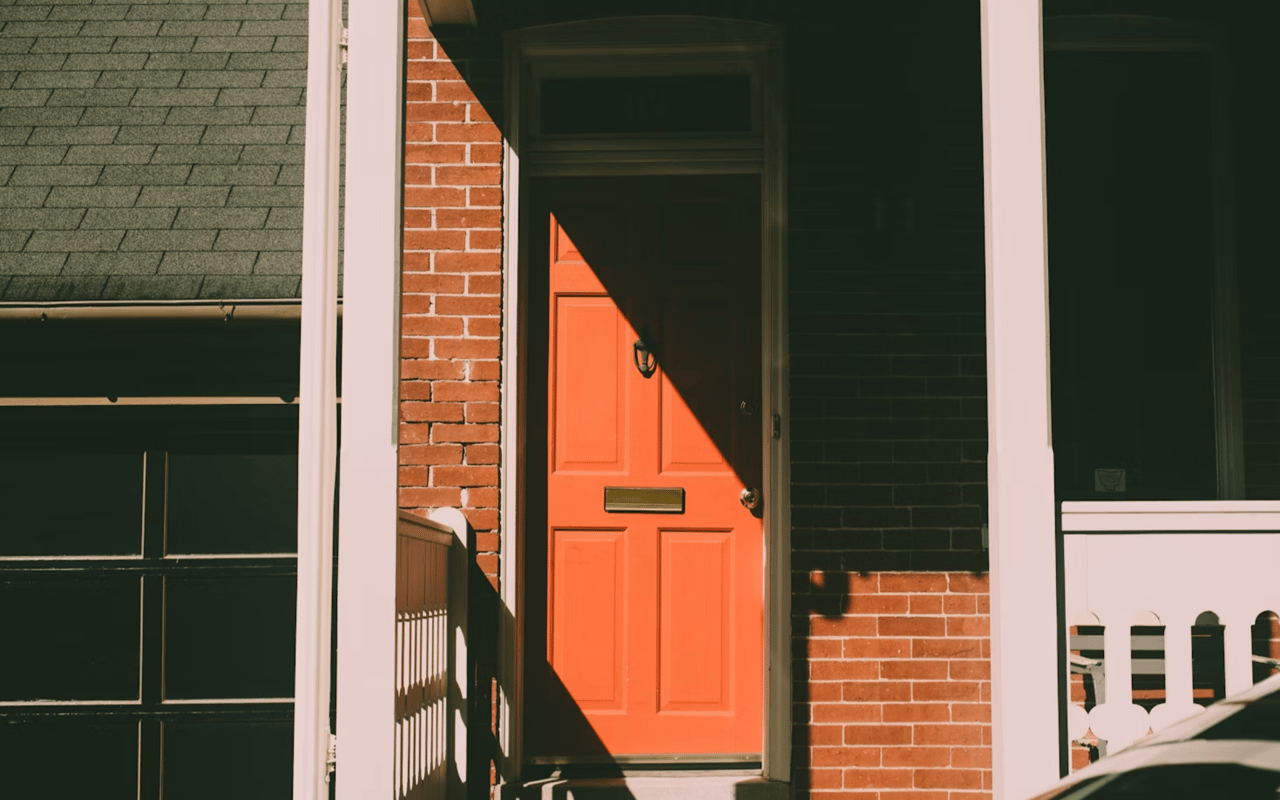
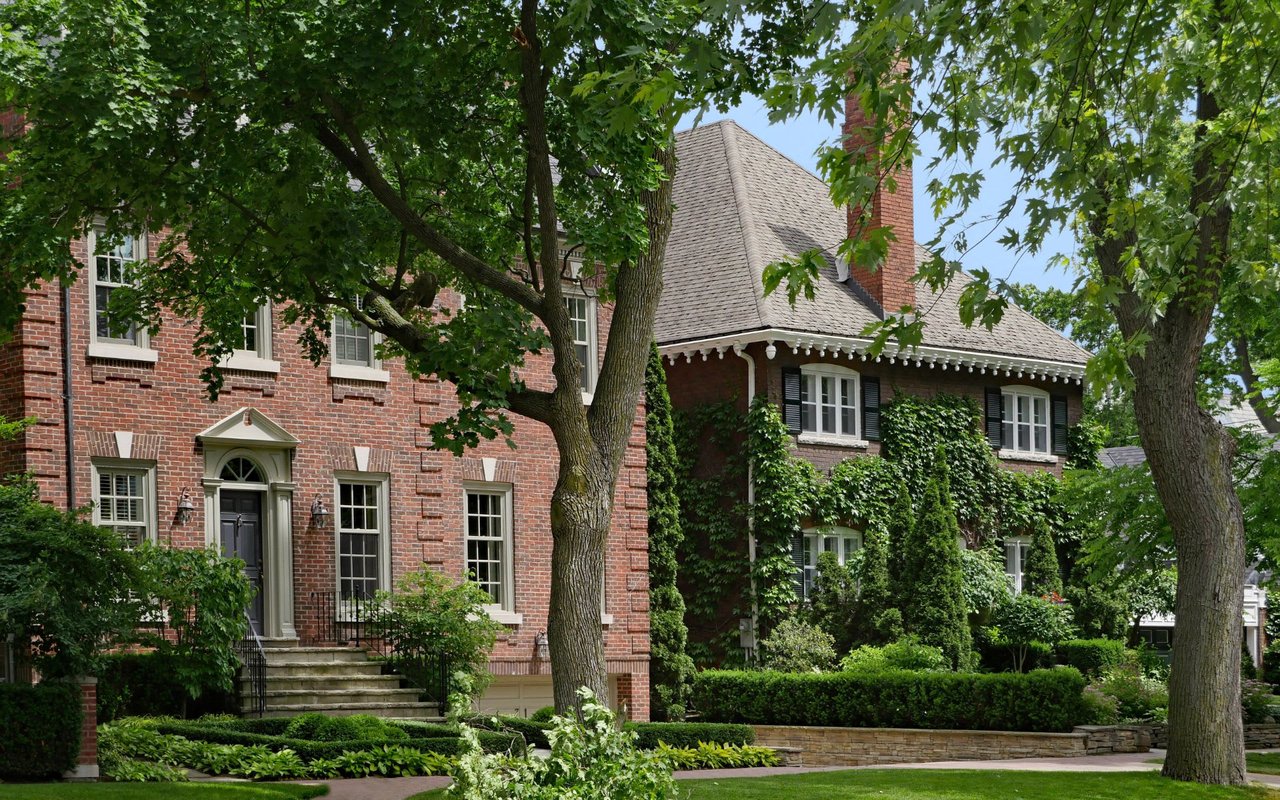
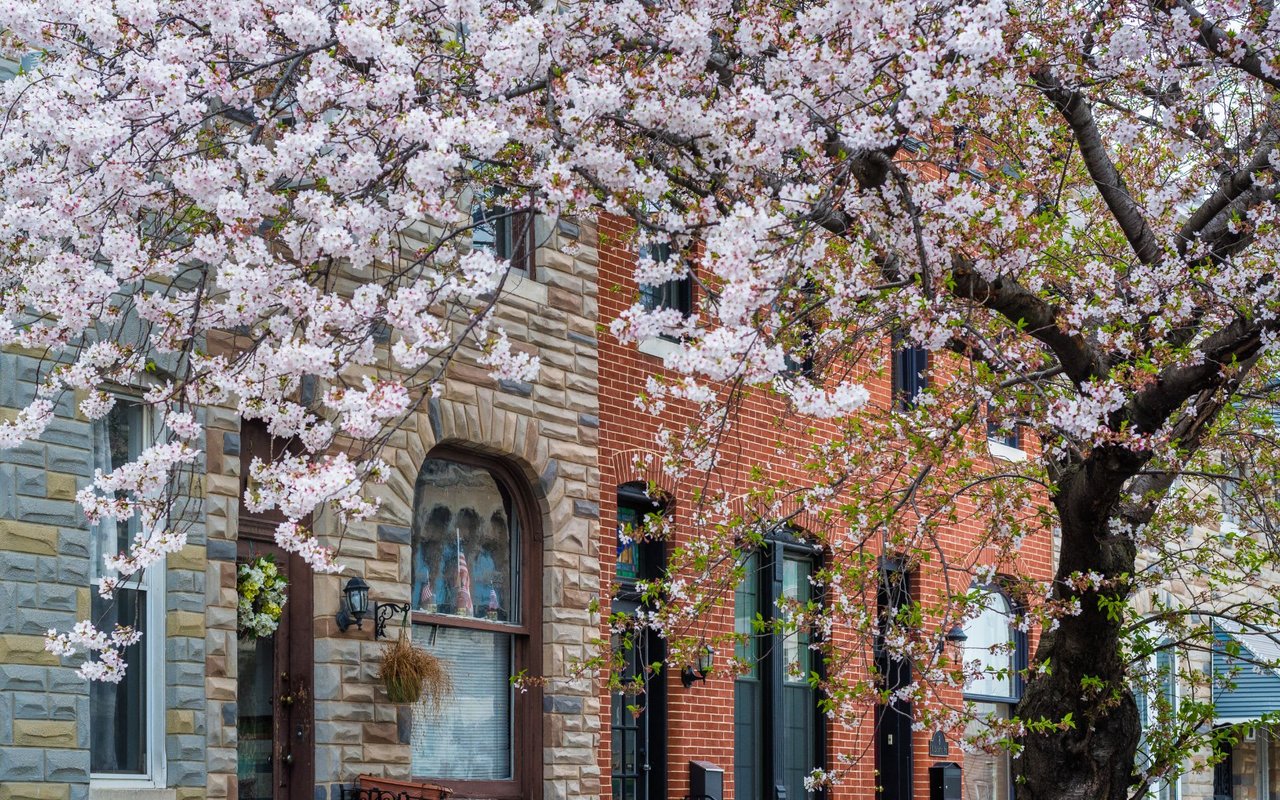
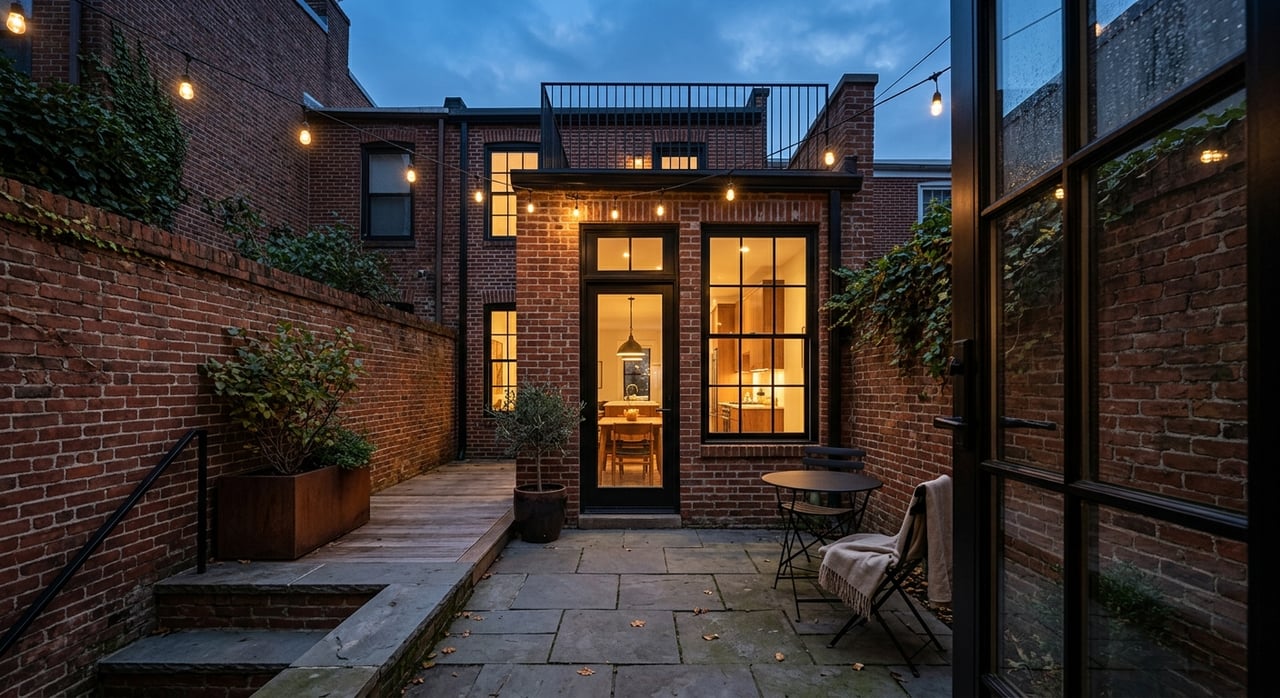
You can see that past in the housing stock and street pattern. Narrow rowhouses, brick homes, stone-front properties, and repurposed industrial buildings give Hampden a strong sense of place. It feels historic without feeling frozen in time.
What makes Hampden especially interesting is how it evolved. Visit Baltimore notes that artists began helping transform the area in the 1990s, and that shift still defines the neighborhood today. The result is a place where older industrial character and a creative main-street vibe work together naturally.
The Avenue Anchors Daily Life
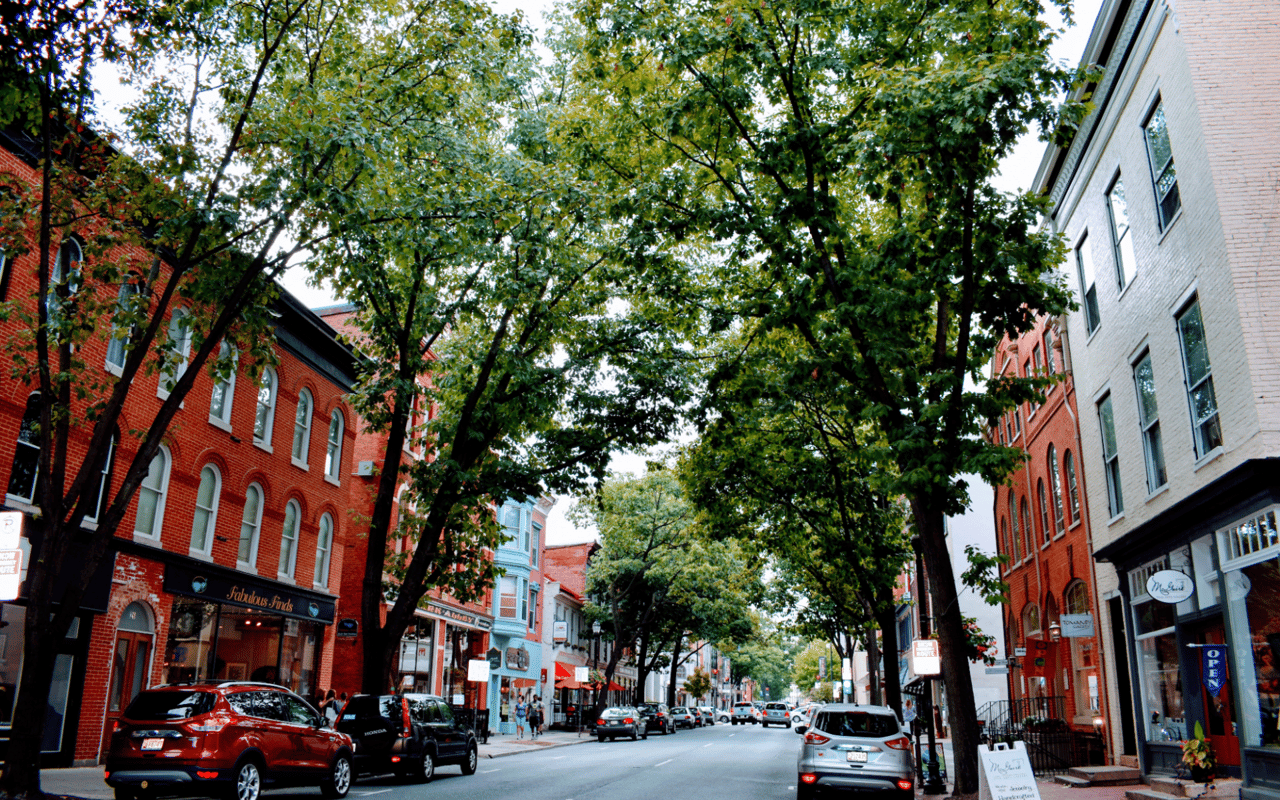
If Hampden has a center of gravity, it is West 36th Street, better known as The Avenue. This corridor is where much of the neighborhood’s daily rhythm happens, from coffee runs and shopping to dinners out and weekend browsing. It is one of the clearest reasons Hampden appeals to people who want a more walkable lifestyle.
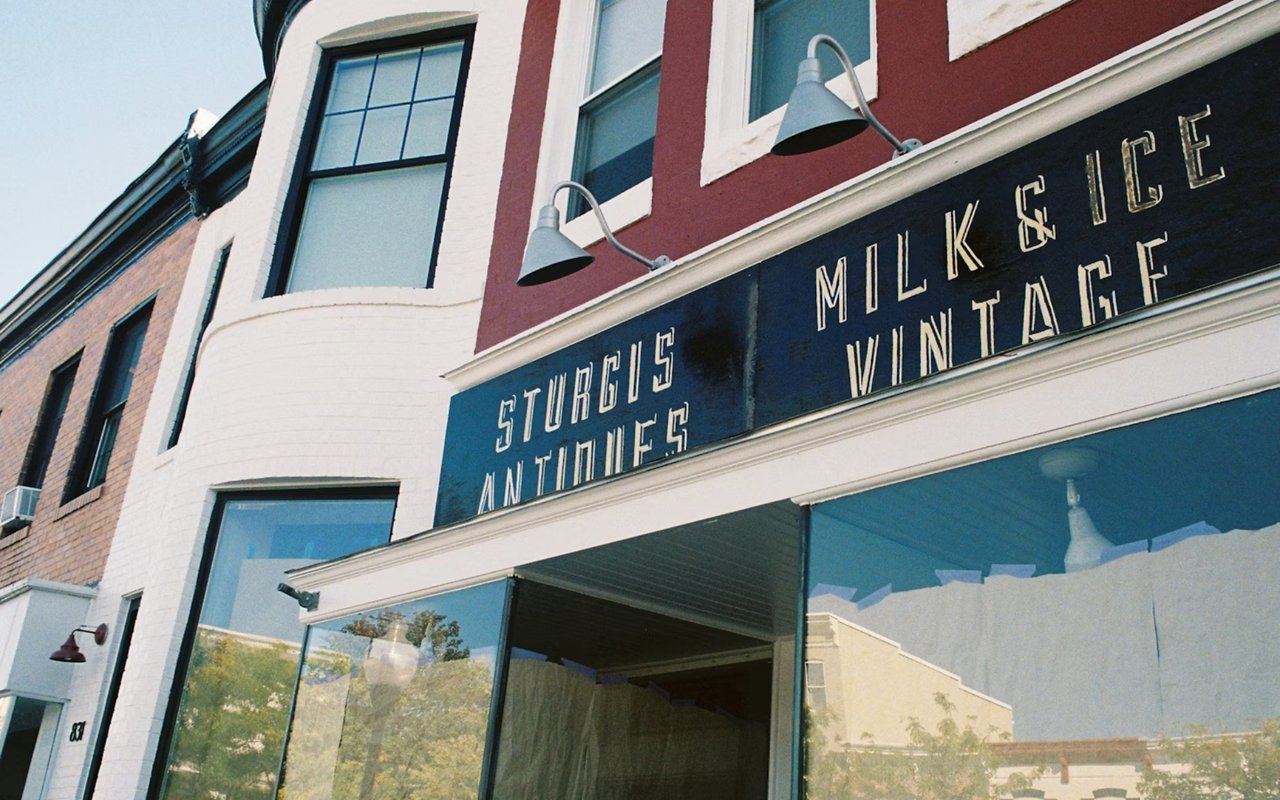
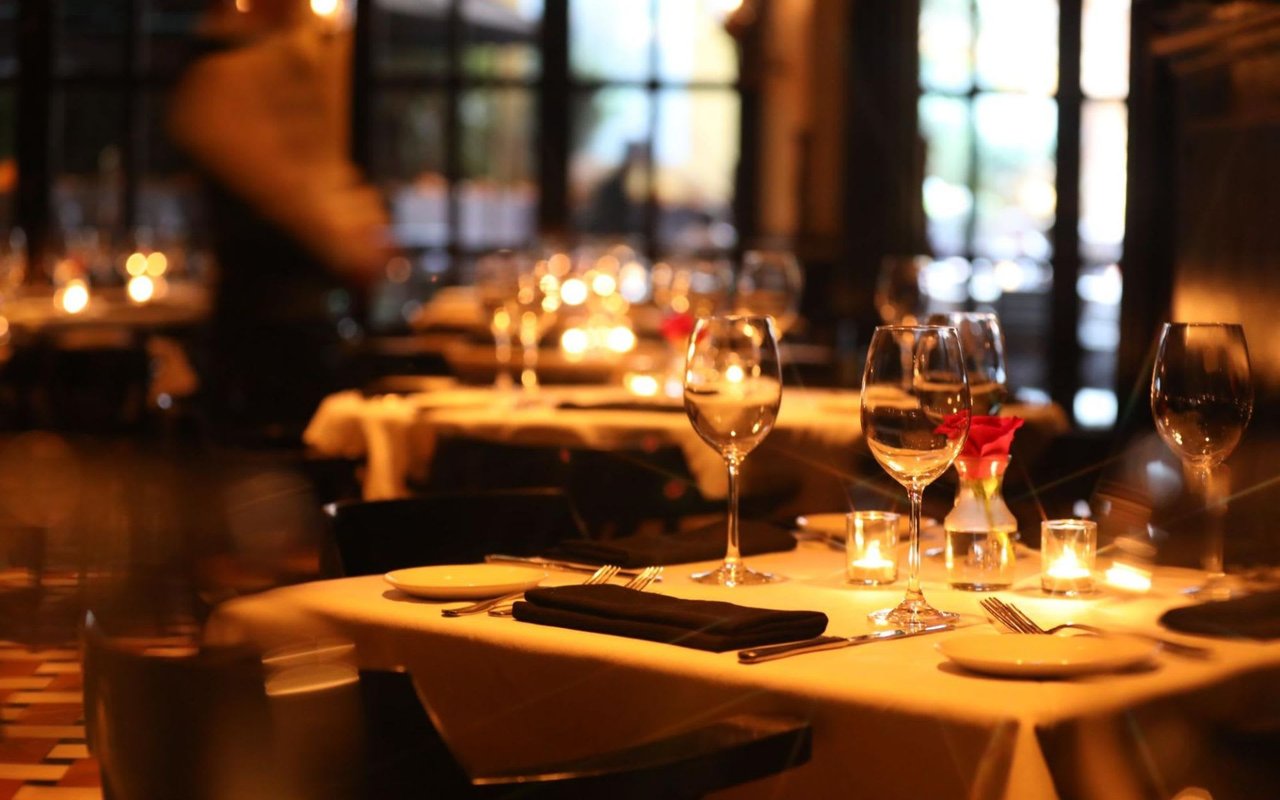
HONfest describes the Greater Hampden area as being filled mostly with independent and locally owned shops, restaurants, and businesses. Visit Baltimore highlights The Avenue for boutique shopping, vintage finds, coffee, bars, and restaurants. That concentration helps the neighborhood feel active without feeling overly formal.
Current business listings from Visit Baltimore point to a wide mix of places that shape the local experience. Spots like Atomic Books, Bazaar, Charlotte Elliott & The Bookstore Next Door, doubledutch Boutique, Eye Candy Opticianry, The Charmery, Vent Coffee Roasters, Golden West Cafe, The Food Market, Bluebird Cocktail Room, and Union Craft Brewing all help define Hampden’s creative, casual atmosphere.
For you as a resident or buyer, that means a lot of everyday convenience is packed into a relatively compact area. A simple outing can turn into coffee, a stroll, a meal, and dessert without much planning. That ease is a big part of Hampden’s appeal.
Hampden’s Creative Side Feels Real
Hampden’s arts identity is not just a slogan. It grew out of the neighborhood’s gradual transition from mill village to arts-and-main-street district. That history gives the area a more grounded creative feel than neighborhoods that rely only on branding.
The maker and studio presence goes beyond storefronts on The Avenue. Visit Baltimore points to Union Collective as a place where makers and creators share industrial space. It also notes the presence of HeARTwares by Art with a Heart and Mill Centre artists, which add another layer of visible creative activity.
That mix matters because it helps Hampden feel lived in and locally made. You are not just seeing retail. You are seeing a neighborhood where creative work, small business activity, and older building stock all overlap.
Walkability Is a Major Draw
For many buyers and renters, Hampden’s biggest practical advantage is how easy it is to get around. Live Baltimore currently gives the neighborhood a Walk Score of 85, along with a Bike Score of 61 and a Transit Score of 69. Those numbers support what many people notice quickly when they visit: Hampden is set up for walking and everyday access.
That walkability can shape your routine in meaningful ways. It may mean fewer short car trips, easier errands, and a stronger connection to the neighborhood around you. In a city where block-by-block lifestyle can vary a lot, that is worth paying attention to.
Hampden also offers useful regional access. HONfest notes that the neighborhood is about 10 minutes from downtown by car, bus, or Light Rail, and it also highlights access to I-83. So while Hampden feels distinct and neighborhood-focused, it still connects well to the rest of Baltimore.
Green Space Adds Balance
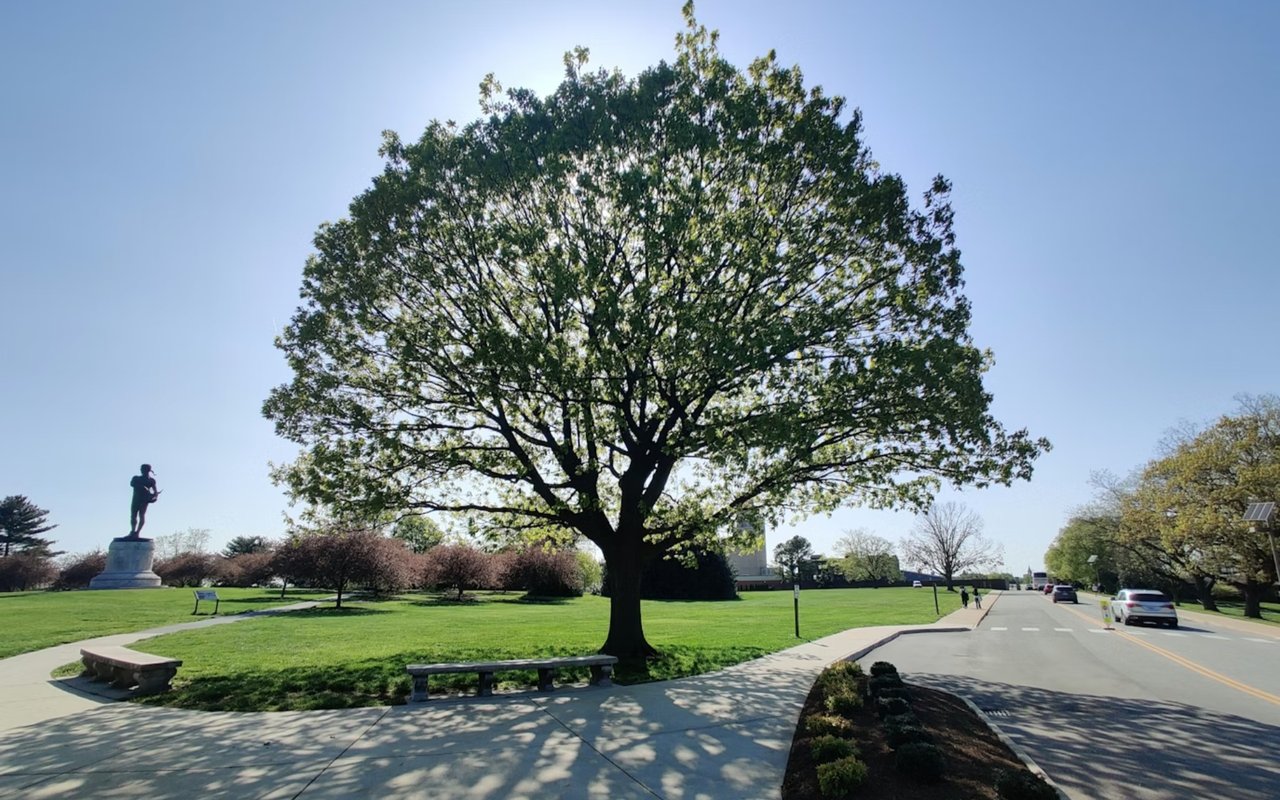
A neighborhood can be active and urban without feeling boxed in, and Hampden is a good example of that. HONfest notes that Hampden is bordered by Roosevelt Park, Wyman Park, and the Jones Falls. Live Baltimore also highlights Wyman Park as open space within walking distance of The Avenue.
That nearby outdoor access gives Hampden another layer of livability. You can enjoy the energy of shops and restaurants, then shift into a quieter park setting without going far. For many people, that balance is part of what makes the neighborhood practical for everyday life.
Roosevelt Park also offers a specific recreational draw. Visit Baltimore describes the Skatepark of Baltimore there as a public concrete destination skatepark. It adds an active, local element to the neighborhood’s outdoor scene.
The Jones Falls Trail broadens that appeal even more. TrailLink describes it as a multiuse route through forested stream valleys, parks, and historic city attractions, which helps explain why the area can appeal to runners, cyclists, and casual walkers alike.
Events Shape the Neighborhood’s Personality
Some neighborhoods have shops. Others have a real calendar. Hampden clearly has the second kind of identity, where annual events reinforce the area’s local culture and bring people back again and again.
HONfest is one of the best-known traditions. According to its organizers, the festival has run since 1994, spans four blocks on West 36th Street, draws more than 35,000 attendees, and features food, crafts, music stages, and the Baltimore’s Best Hon contest. It is a signature neighborhood event with a long history.
Hampden Highlights Festival has also grown into a major seasonal draw. Visit Baltimore’s 2026 listing says the festival was in its third year and included more than 150 local vendors, live music, community activities, art installations, and fundraising for local nonprofits. That tells you something important about Hampden: the creative energy here is active, not just historic.
Fall and winter bring their own recognizable traditions. Hampden Halloween Fest turns The Avenue into a trick-or-treat and costume-contest corridor, and Miracle on 34th Street remains one of Baltimore’s best-known holiday rituals, typically running from around the Saturday after Thanksgiving through New Year’s Eve. Classic displays like the hubcap tree and bicycle-wheel snowman help make the season feel distinctly local.
Housing in Hampden
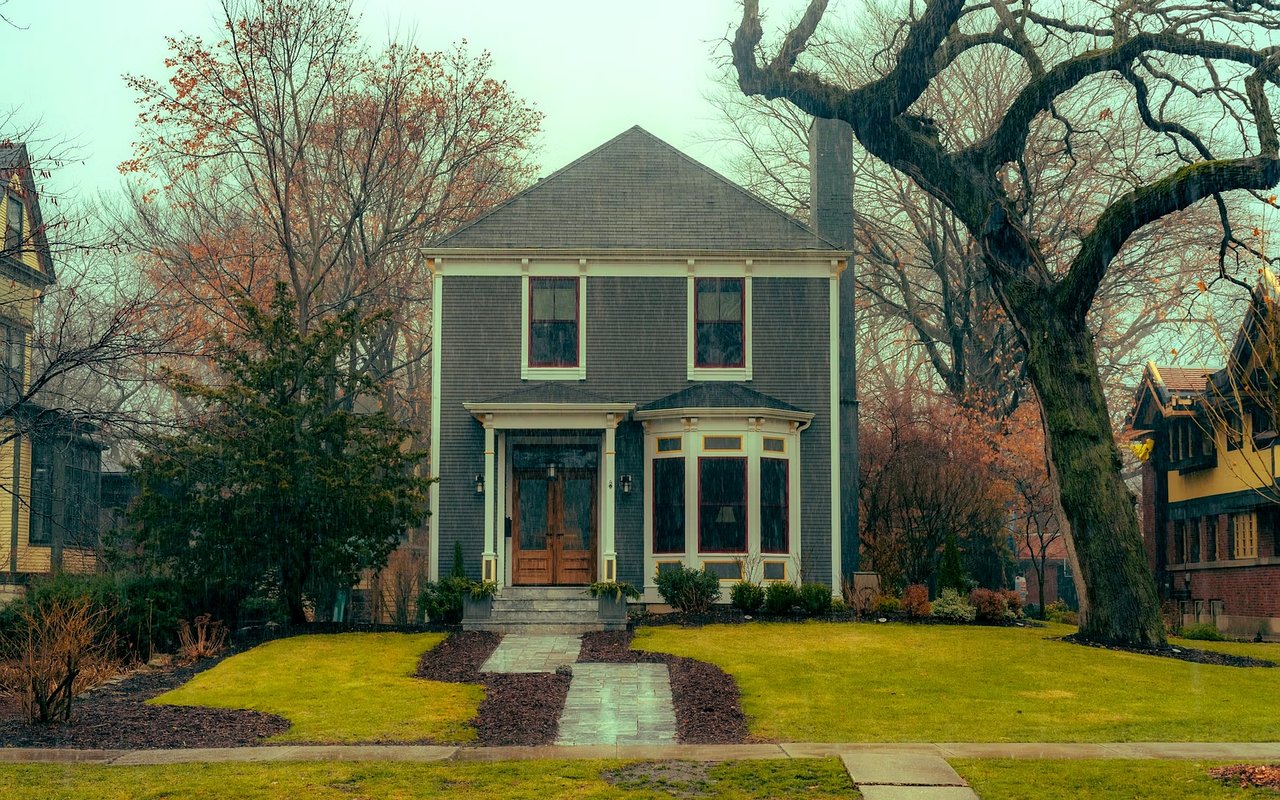
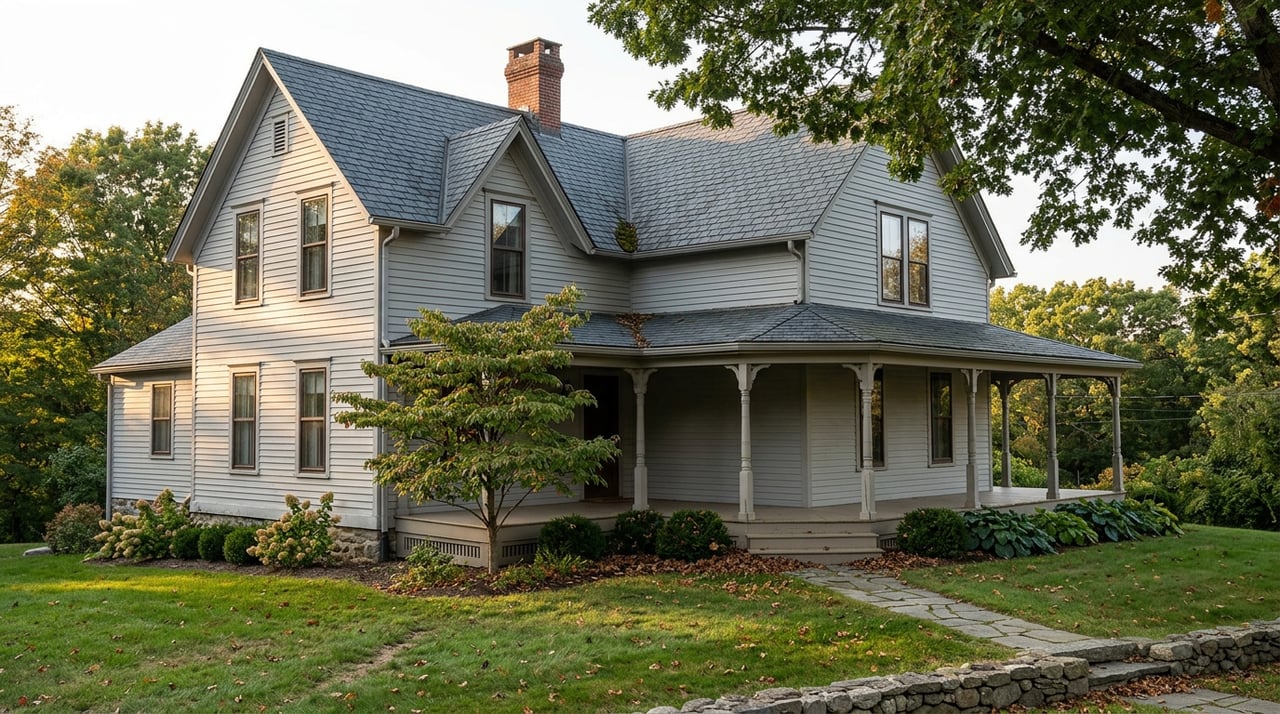
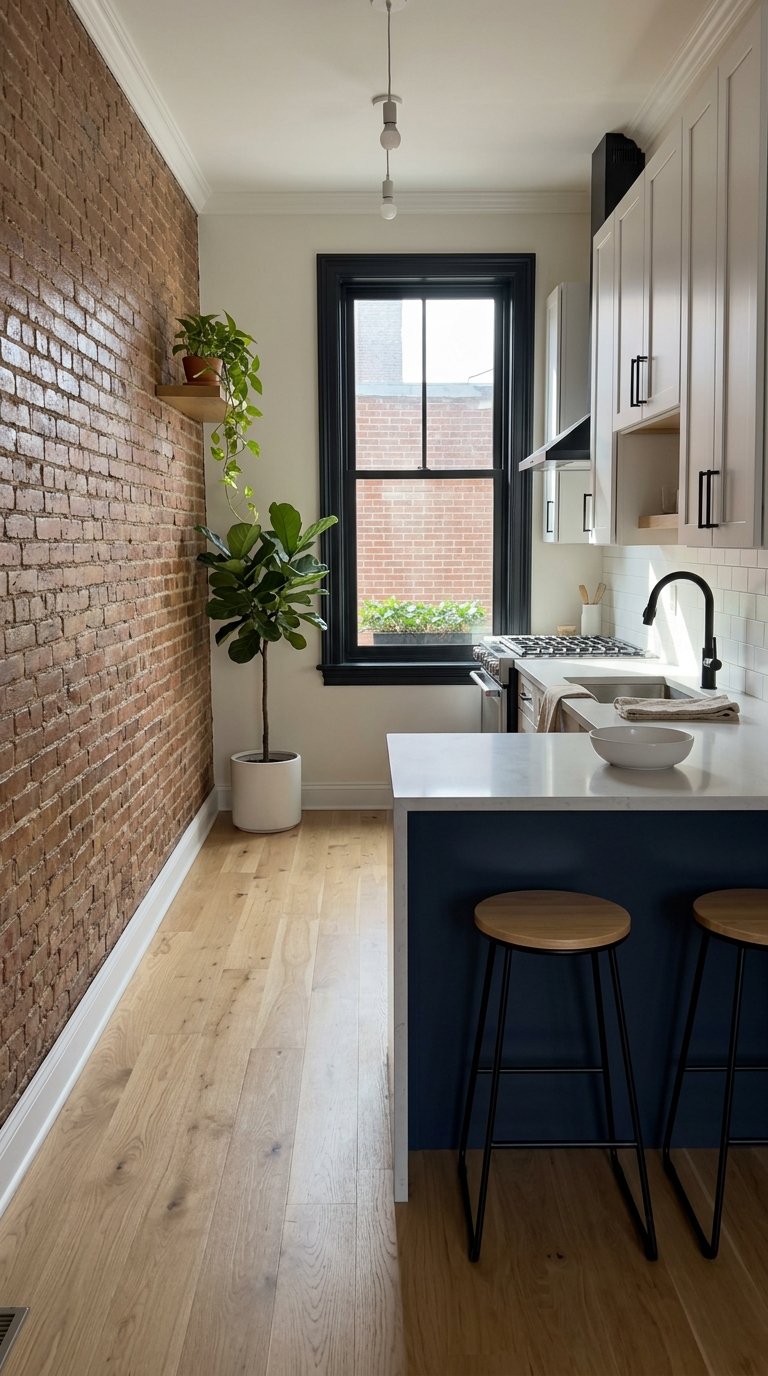
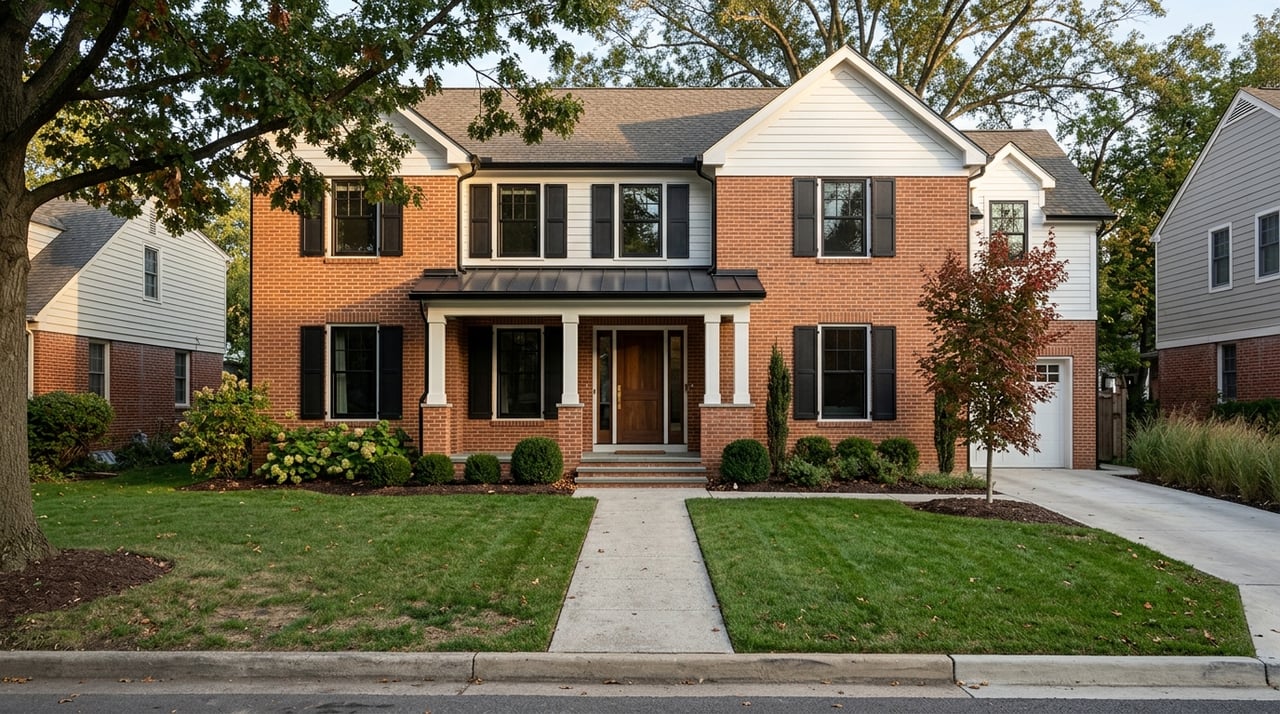
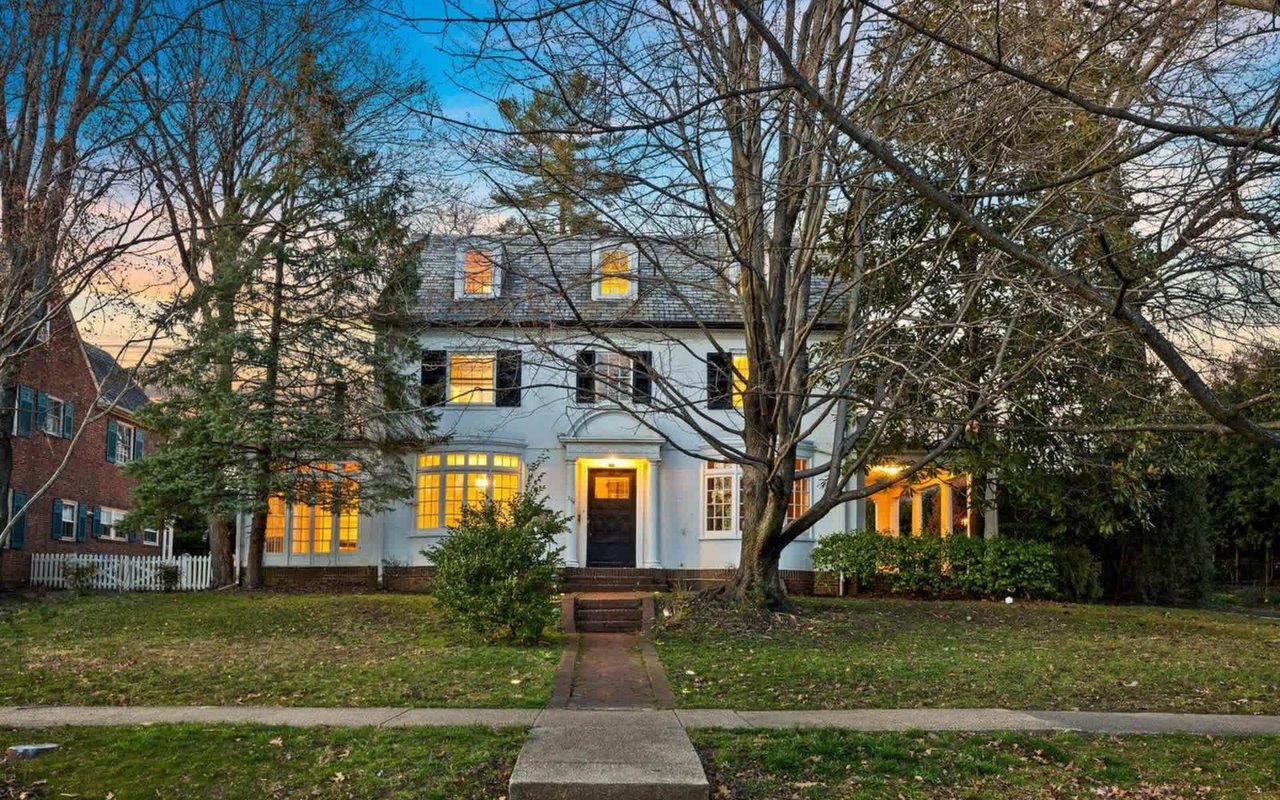
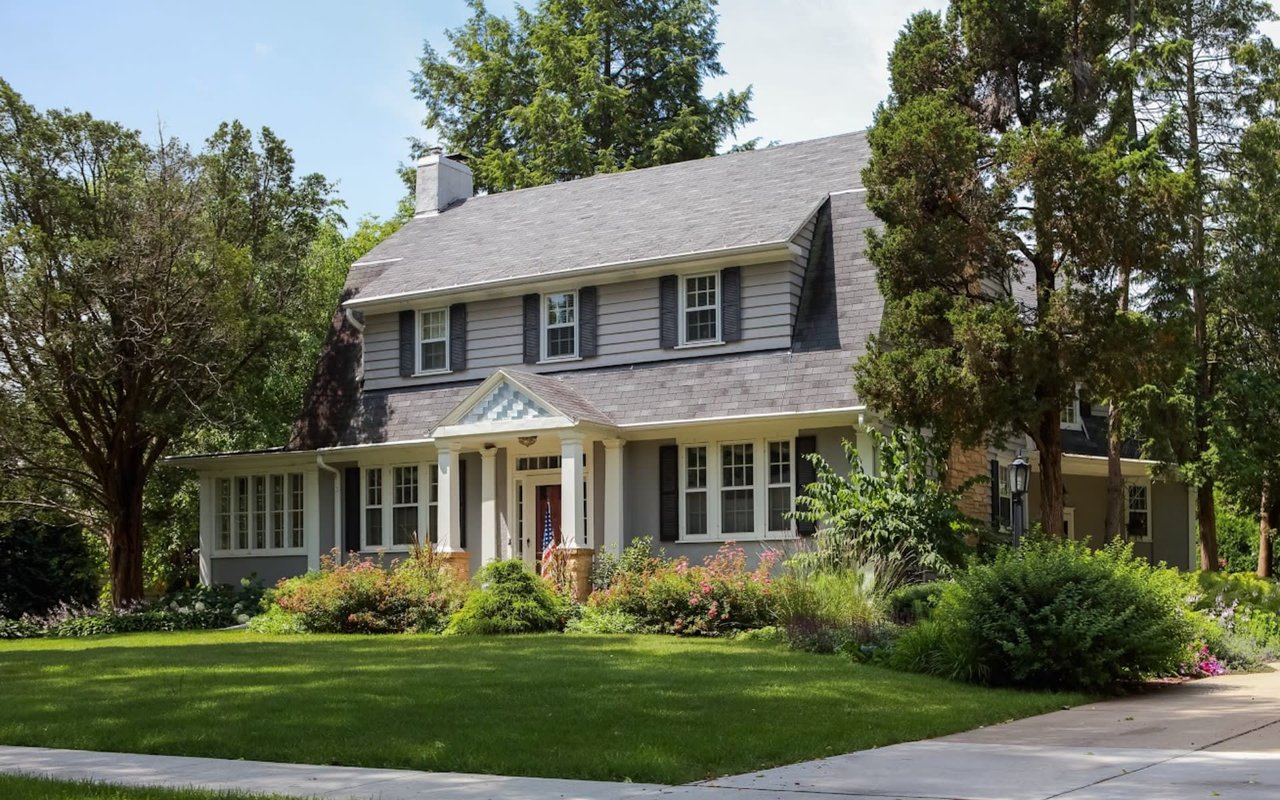
From a real estate perspective, Hampden offers a housing mix that matches its layered identity. Live Baltimore lists condos, rowhomes, detached homes, and apartment buildings in the neighborhood. That range supports a variety of needs, whether you are buying, renting, or exploring your next move in the city.
The area is still rooted in Baltimore’s rowhouse tradition, which is part of its visual character and practical appeal. At the same time, the mix of housing types gives you more than one entry point into the neighborhood. That flexibility can matter if you are comparing lifestyle, maintenance, and budget tradeoffs.
Live Baltimore’s current snapshot shows Hampden at roughly 55% ownership and 45% renting. That balance contributes to a neighborhood feel that is both residential and active. It is not unusual to see Hampden described as a place that works for a broad range of residents because of that mix.
For pricing context, Live Baltimore lists a median home purchase price of $330,750. A practical shorthand is that Hampden often sits in the accessible middle of the North Baltimore market, especially for buyers who want walkability, character, and a strong neighborhood identity.
Who Hampden May Fit Best
Hampden can make sense for several kinds of buyers and renters. If you want a neighborhood where you can walk to coffee, dinner, shops, and seasonal events, it checks a lot of boxes. If you also appreciate older architecture and a less generic feel, it becomes even more compelling.
It may also appeal to first-time buyers who are weighing value against lifestyle. The neighborhood offers a recognizable identity, a strong local business base, and a housing mix that can create different ways to enter the market. That does not make every home the same, of course, but it does make Hampden worth a closer look.
For people relocating within Baltimore, Hampden can also be a smart contrast to other city neighborhoods. Its combination of rowhouse character, arts energy, parks, and access to downtown gives it a distinct profile. In a hyperlocal market like Baltimore, that kind of neighborhood nuance matters.
Why Local Guidance Matters in Hampden
Hampden has a strong identity, but like most Baltimore neighborhoods, the real story is in the details. Housing type, condition, proximity to The Avenue, access to green space, and block-by-block feel can all shape your experience and your decision. That is why broad citywide advice is rarely enough.
If you are buying, selling, renting, or investing in Hampden, it helps to work with someone who understands how neighborhood character connects to pricing and lifestyle. A well-informed local approach can help you compare options more clearly and move forward with confidence.
If you are considering Hampden and want practical guidance on homes, pricing, or how this neighborhood compares with other Baltimore options, William Weeks can help you make sense of the details and plan your next move.
FAQs
What is Hampden known for in Baltimore?
- Hampden is known for its historic mill-village roots, walkable layout, independent businesses, creative identity, and event-centered main street along West 36th Street, known as The Avenue.
Is Hampden a walkable neighborhood in Baltimore?
- Yes. Live Baltimore currently gives Hampden a Walk Score of 85, along with a Bike Score of 61 and a Transit Score of 69, which supports its reputation as a walkable urban neighborhood.
What kinds of homes are in Hampden, Baltimore?
- Hampden includes rowhomes, condos, detached homes, and apartment buildings, with much of the neighborhood still rooted in Baltimore’s traditional rowhouse character.
What are popular things to do in Hampden?
- Popular activities include shopping and dining on The Avenue, visiting local businesses like bookstores and cafes, exploring maker spaces, enjoying nearby parks, and attending annual events such as HONfest and Miracle on 34th Street.
Is Hampden a good fit for first-time buyers?
- Hampden may appeal to first-time buyers who want neighborhood character, walkability, and a mix of housing options, with Live Baltimore listing a median home purchase price of $330,750.
Are there parks and trails near Hampden?
- Yes. Hampden is bordered by Roosevelt Park, Wyman Park, and the Jones Falls, and the Jones Falls Trail adds another option for walking, running, and cycling nearby.