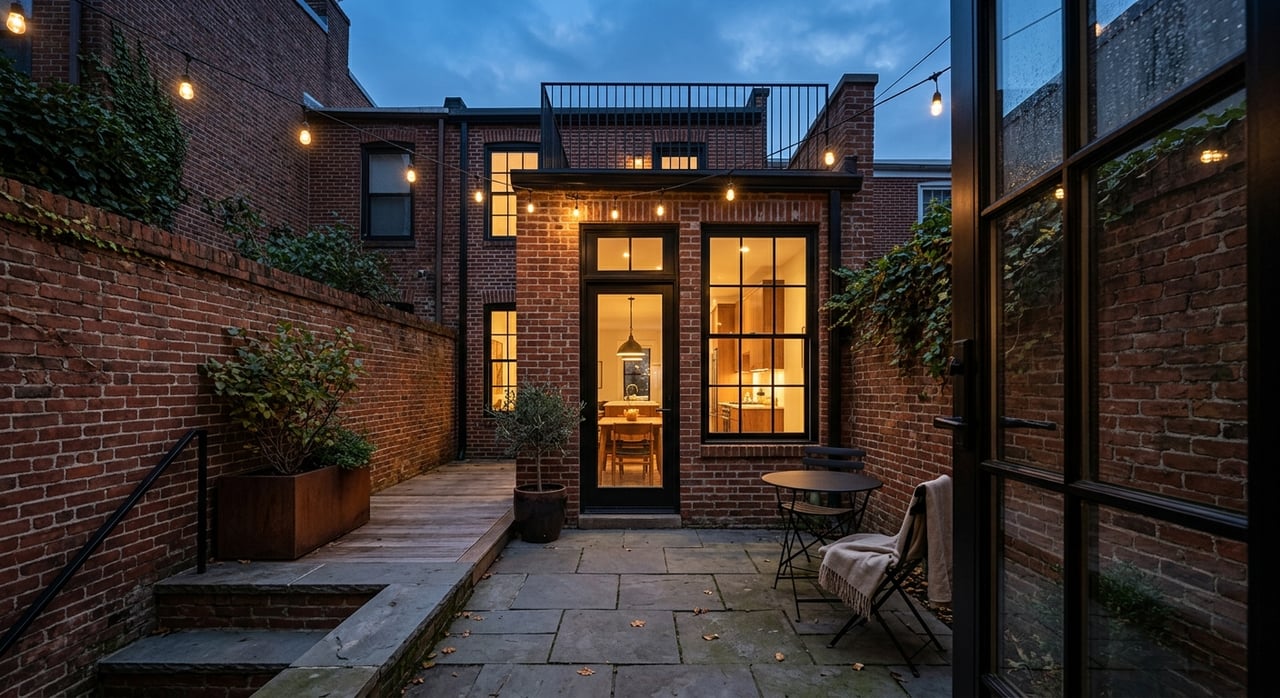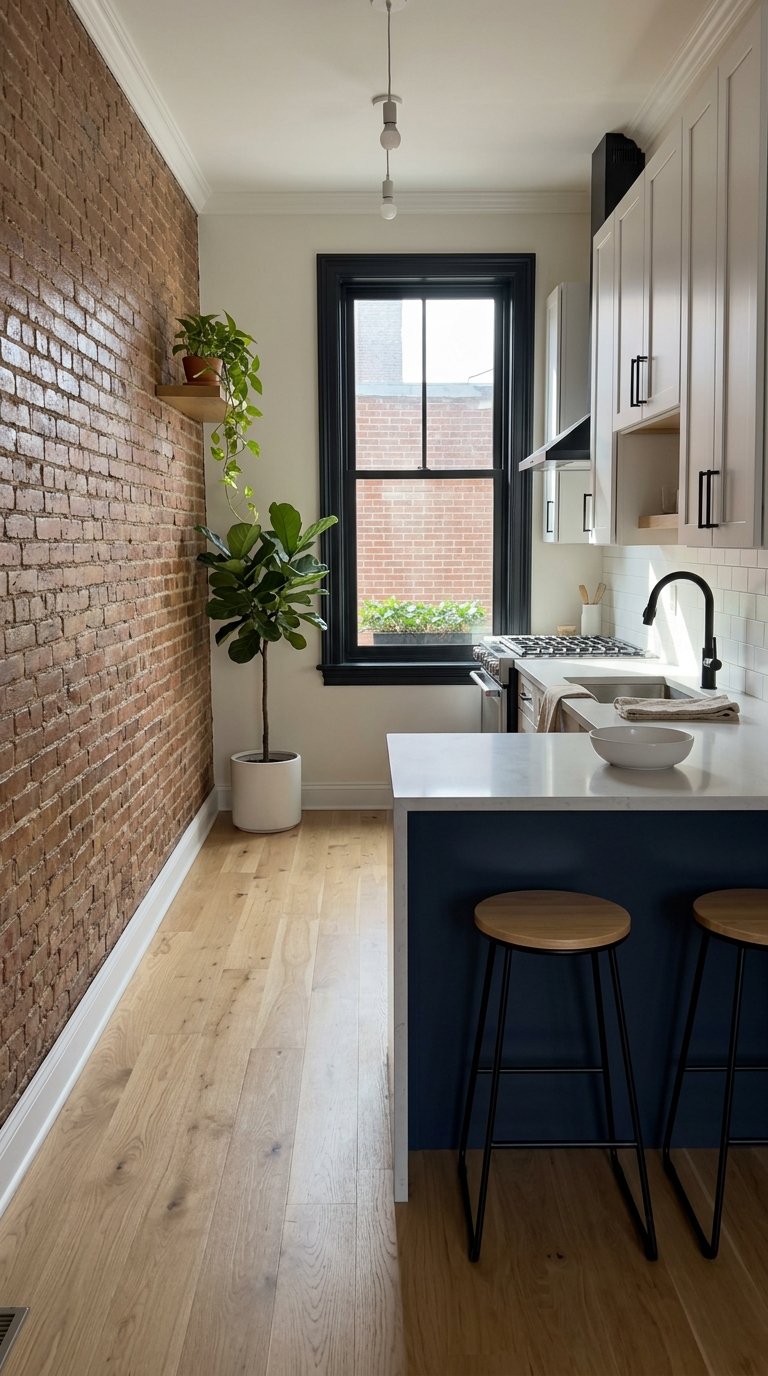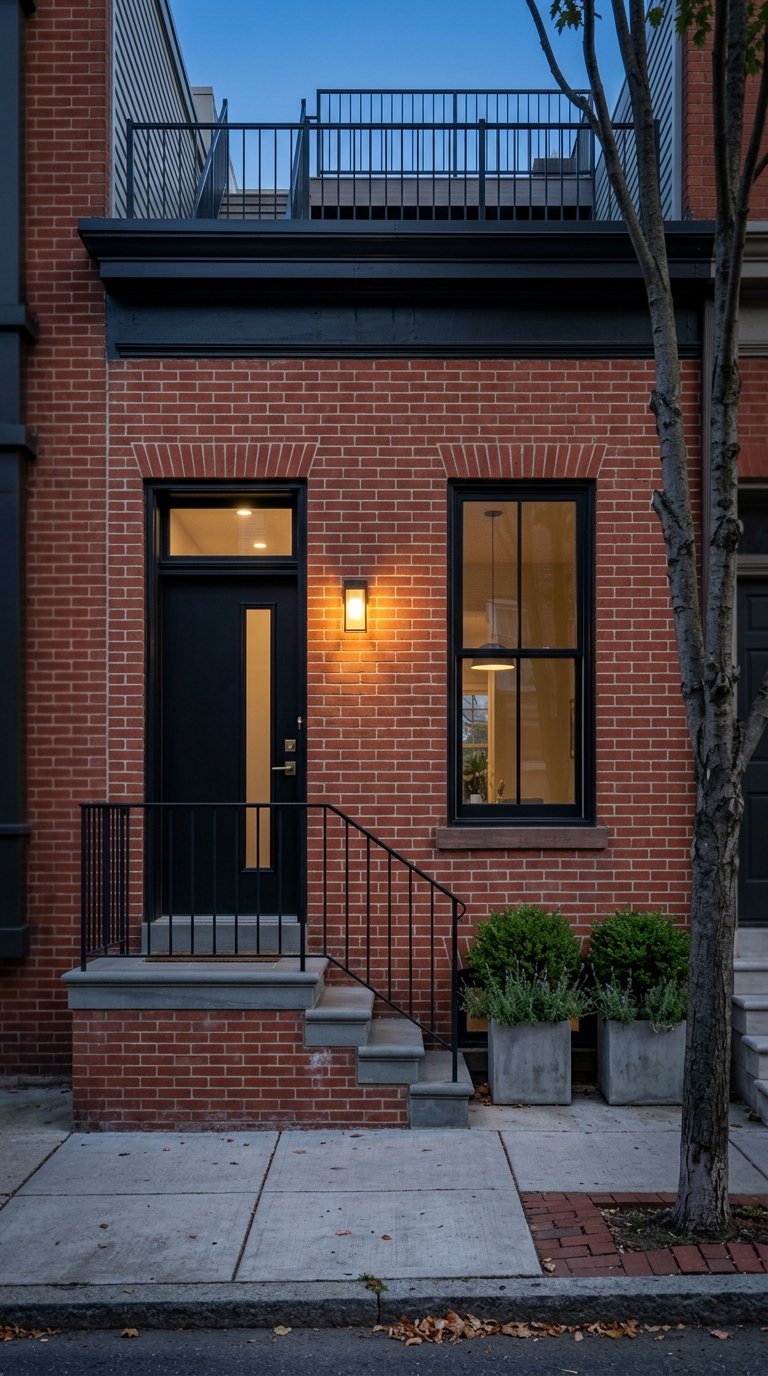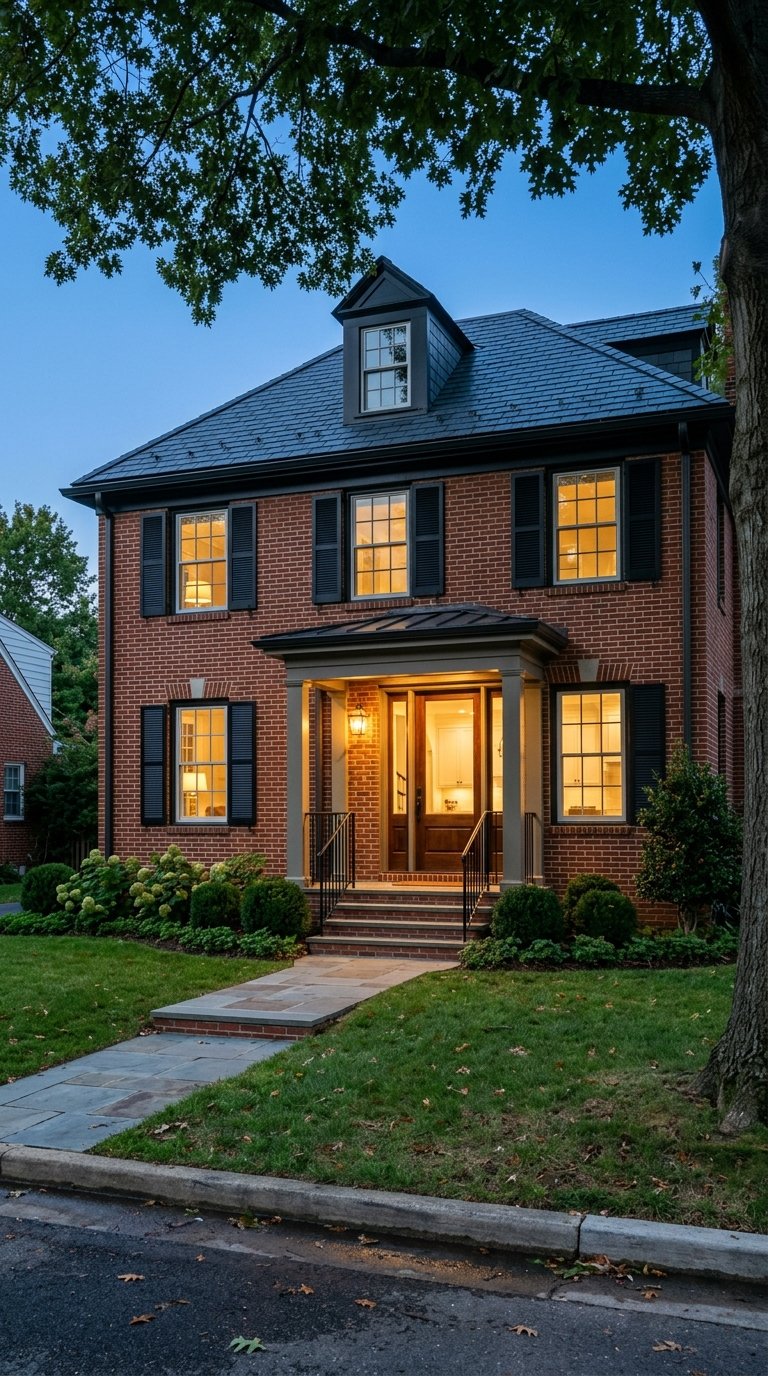
If Downtown Baltimore has started to feel a little tight, a little loud, or a little too centered on condo and rowhome living, you may be wondering whether Mount Washington is the next logical step. That is a common question for city homeowners who want more room without giving up Baltimore entirely. The good news is that Mount Washington offers a real lifestyle shift, with more owner-occupied housing, more detached-home options, and a quieter setting. Let’s dive in.
Why Mount Washington feels different
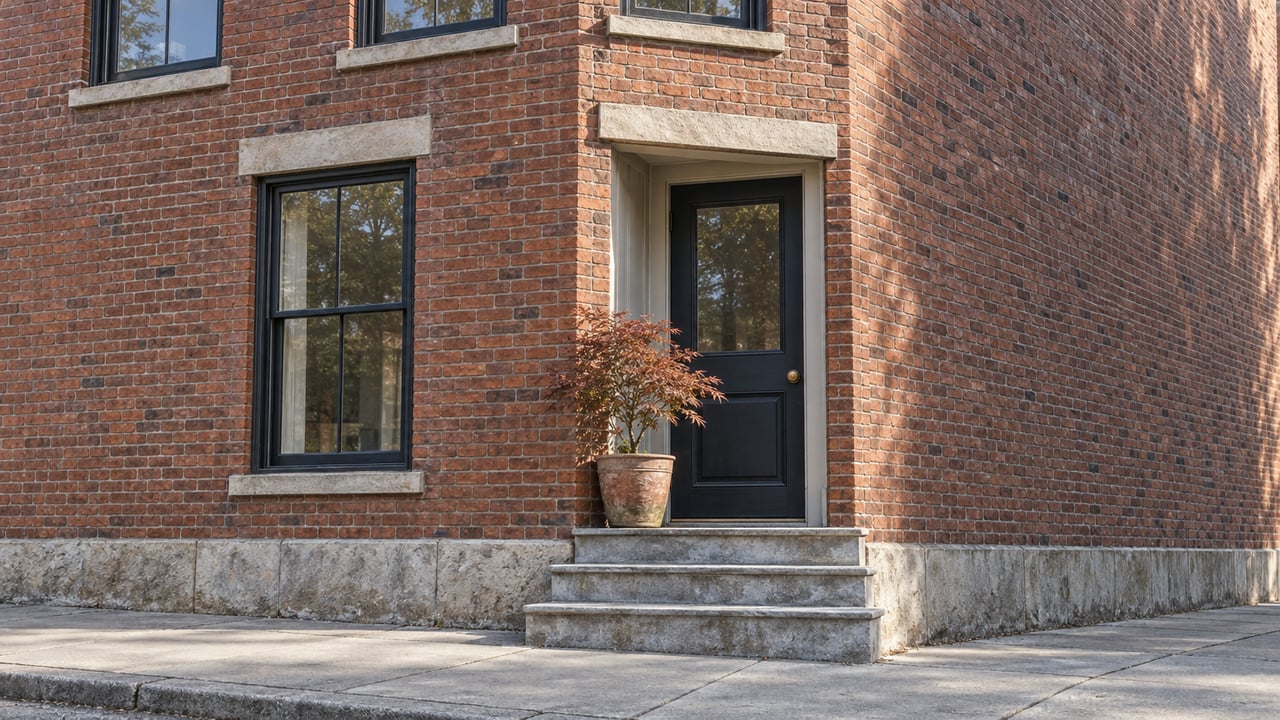
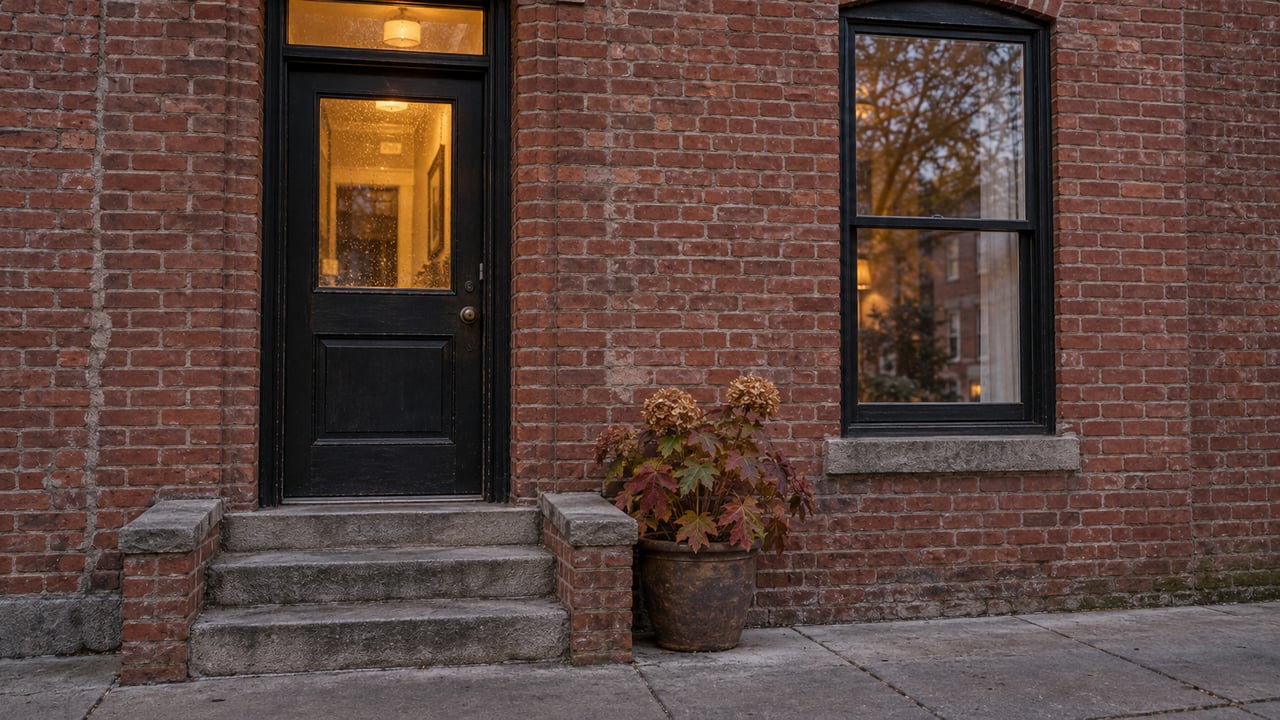
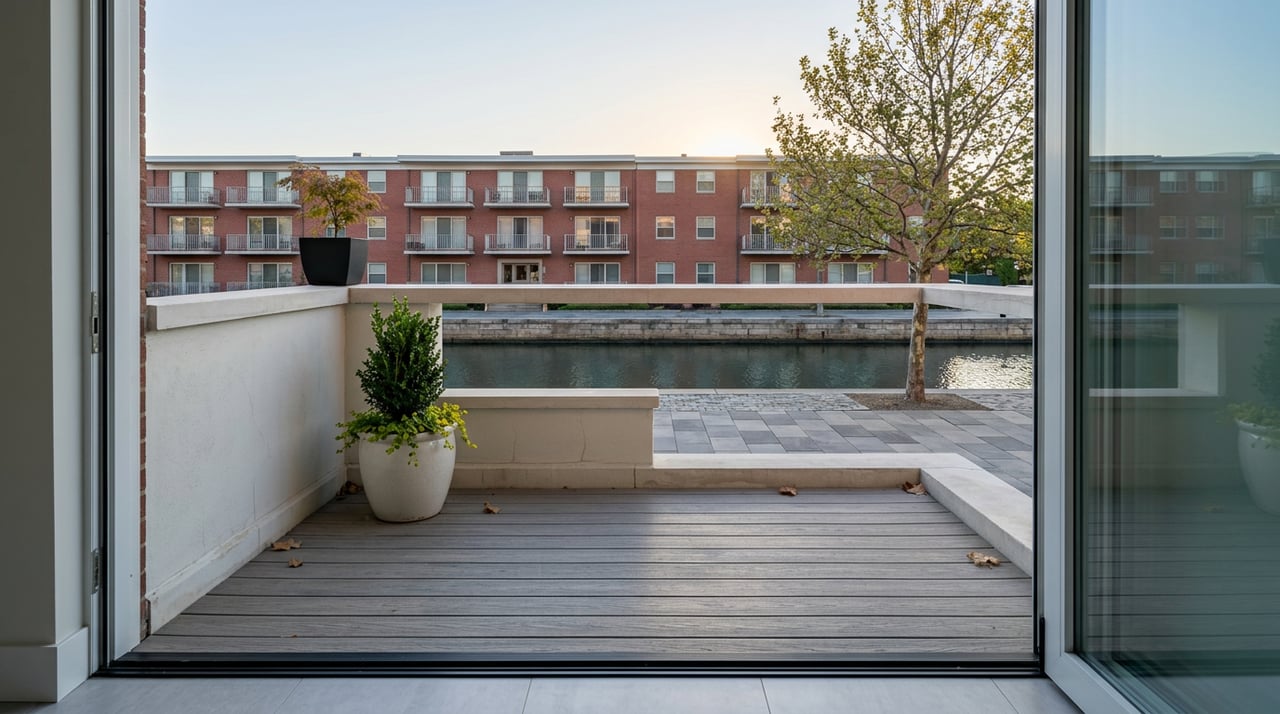
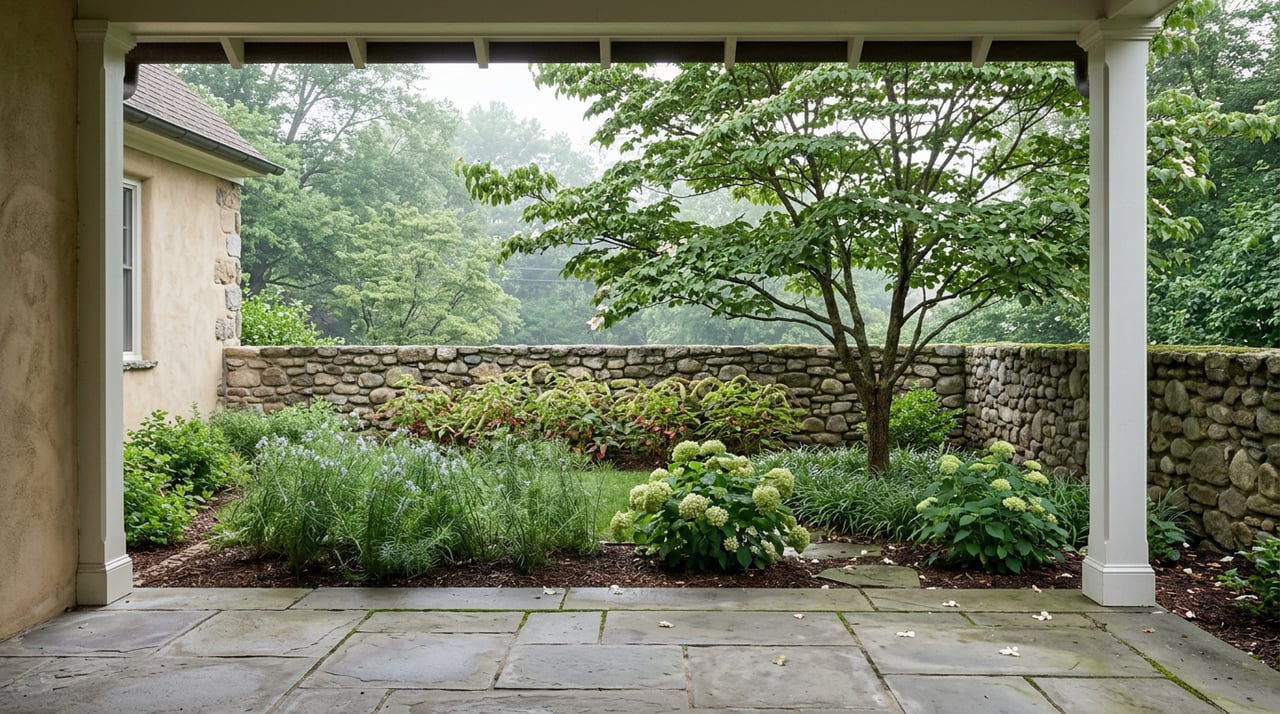
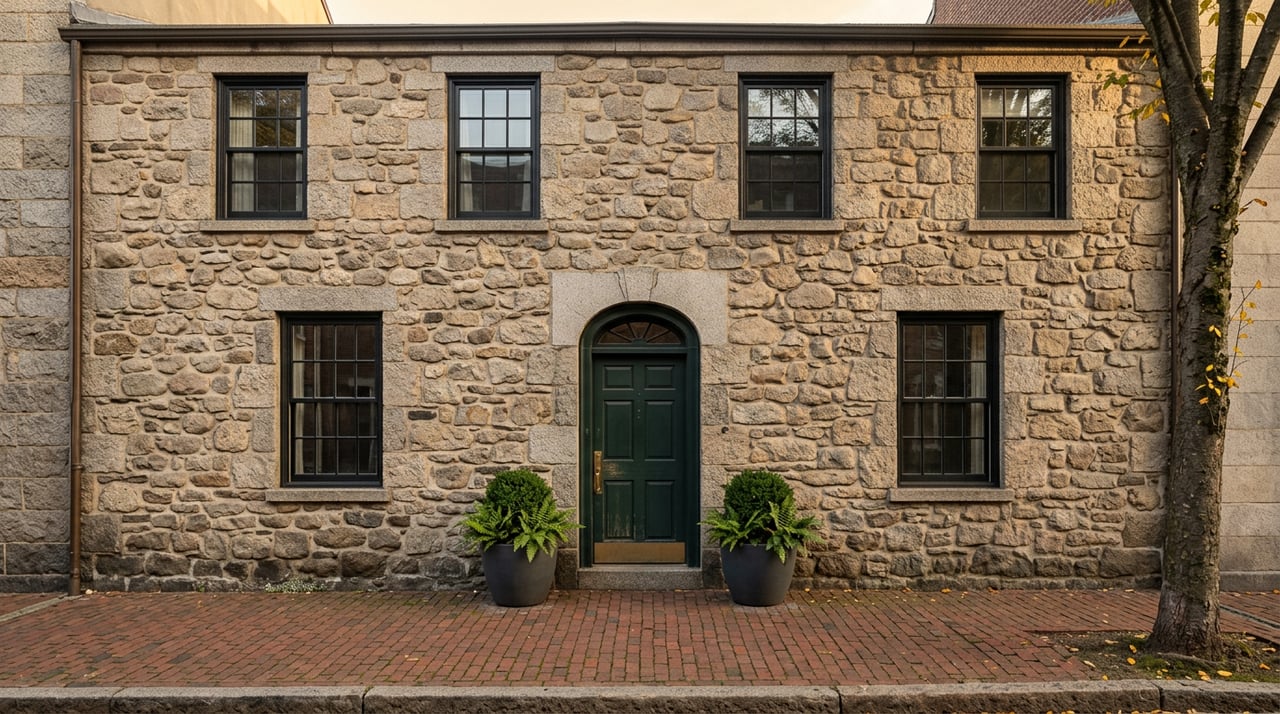
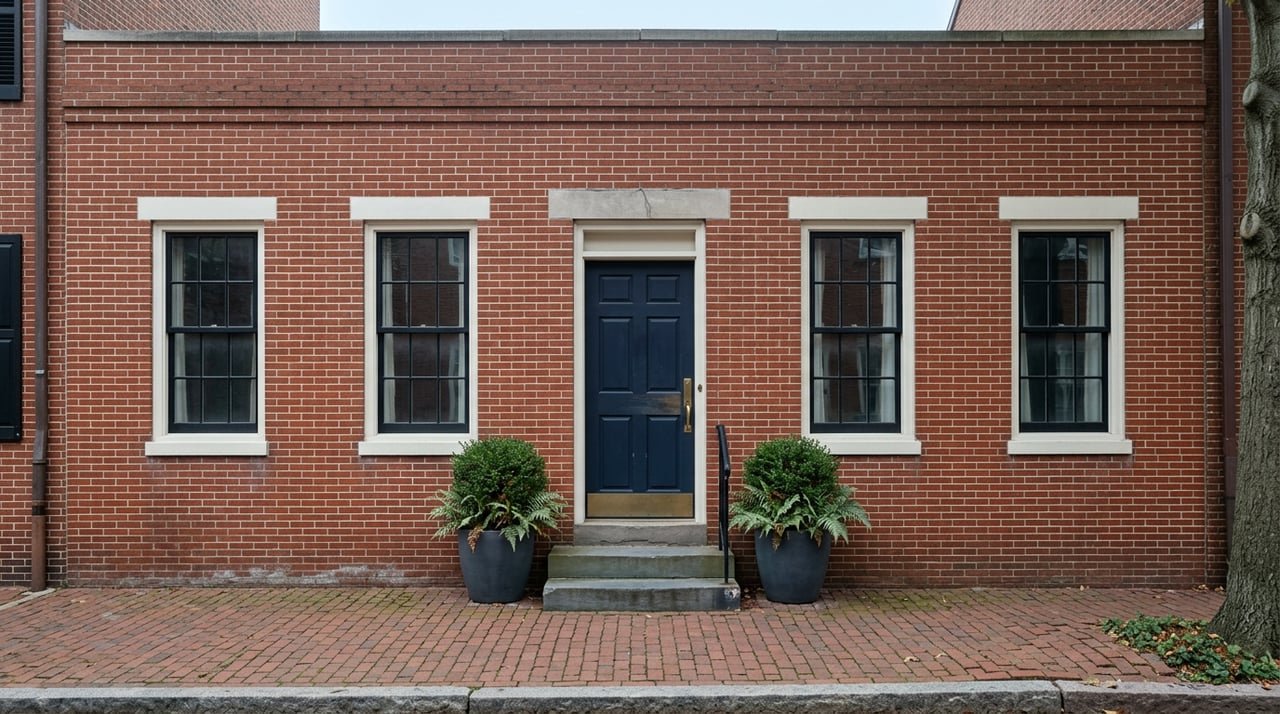
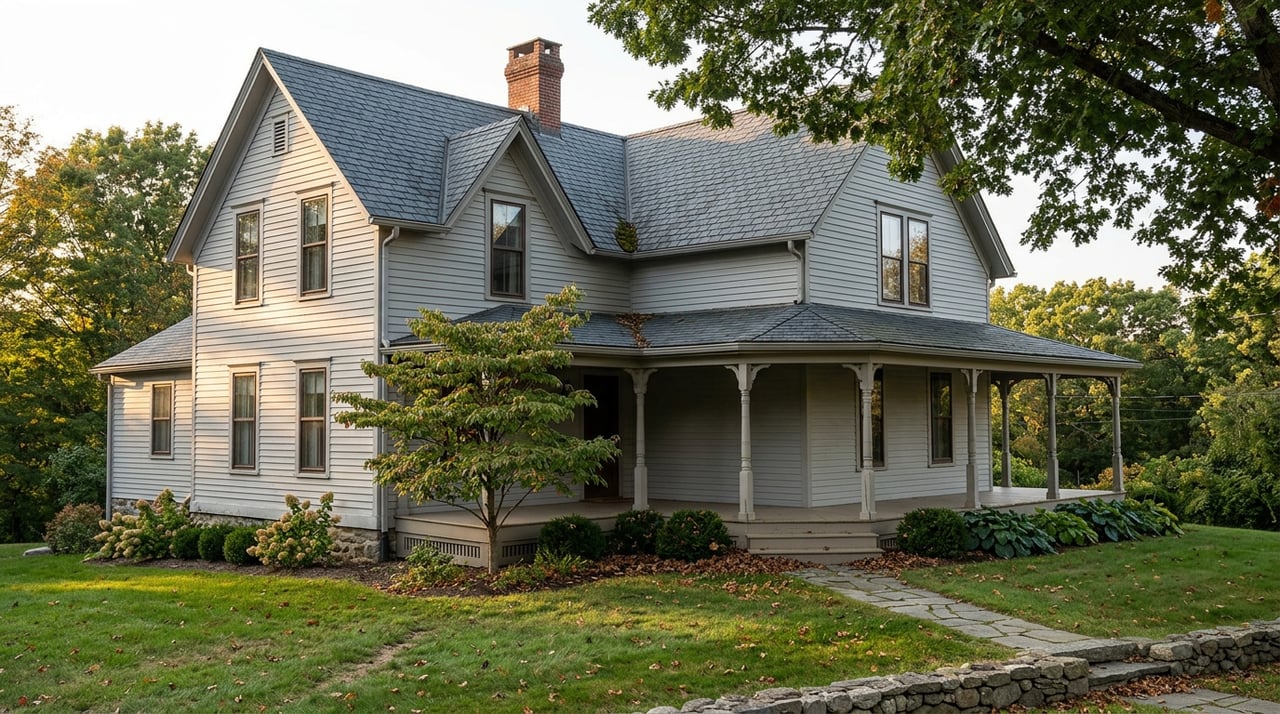
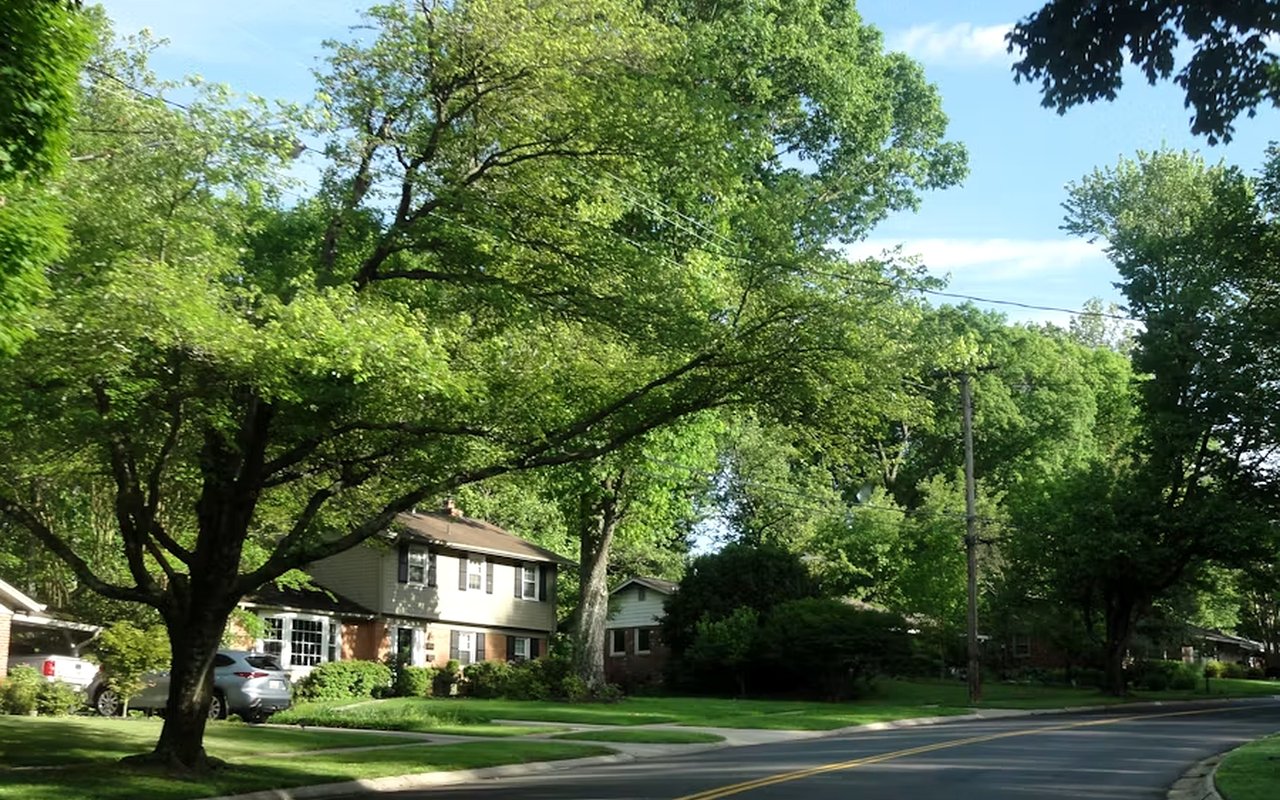
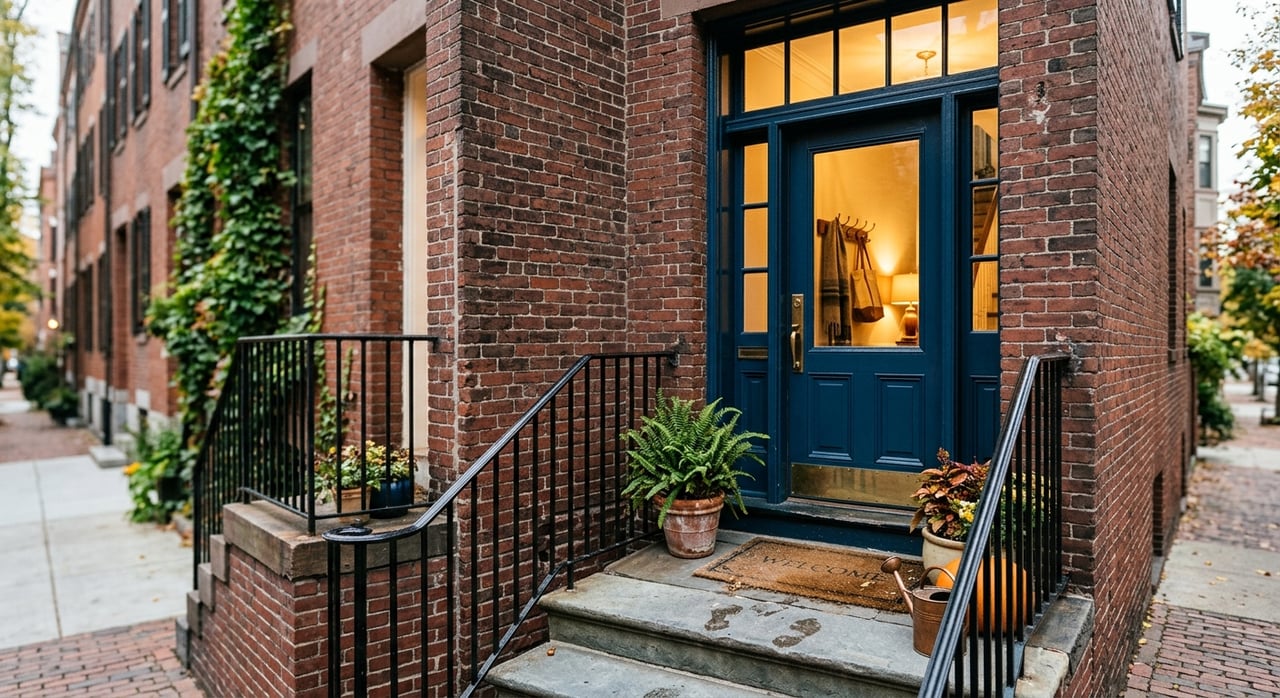
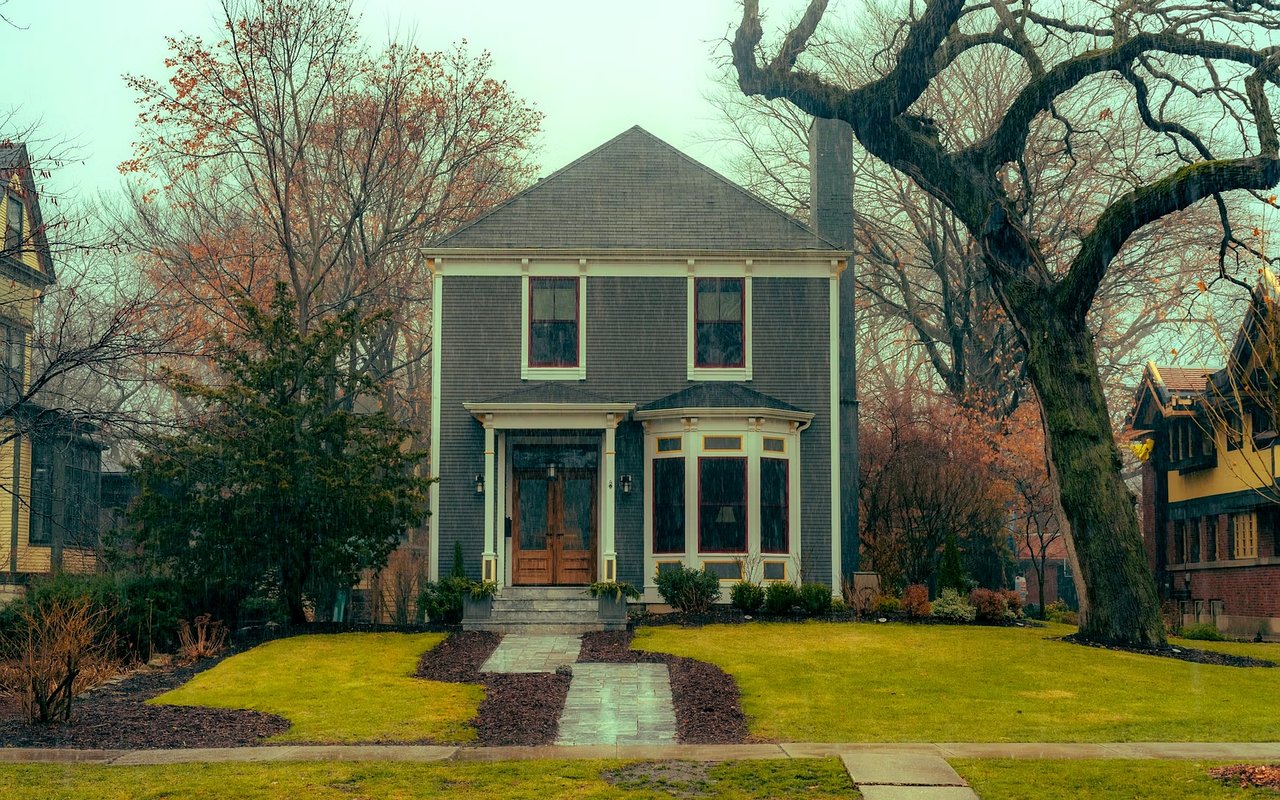
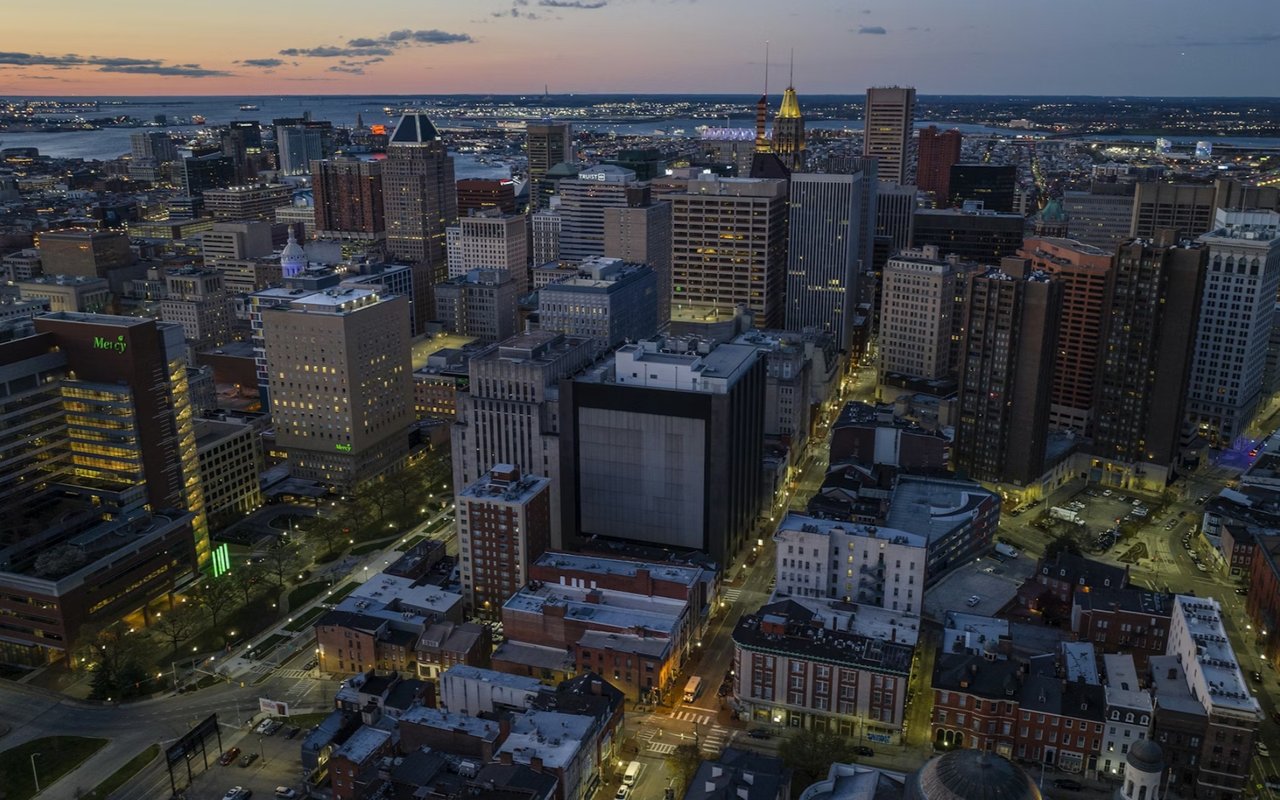
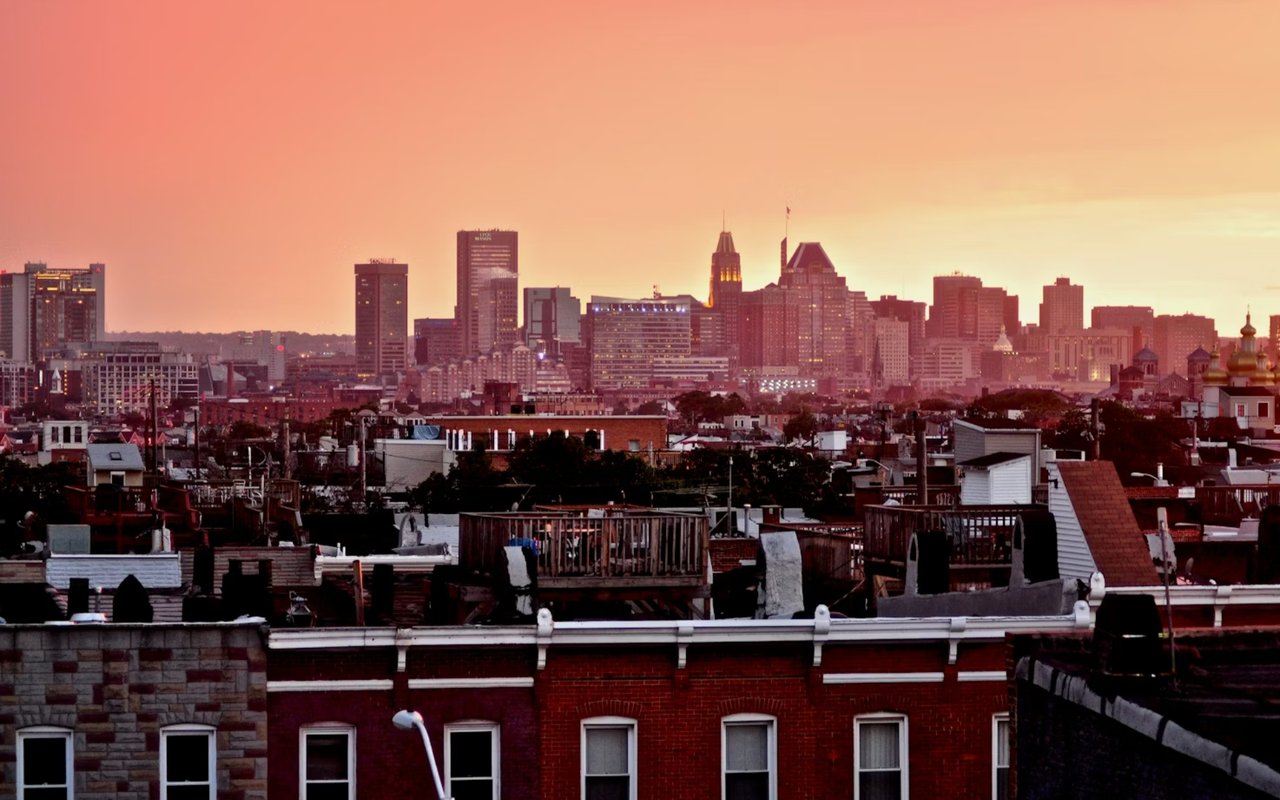
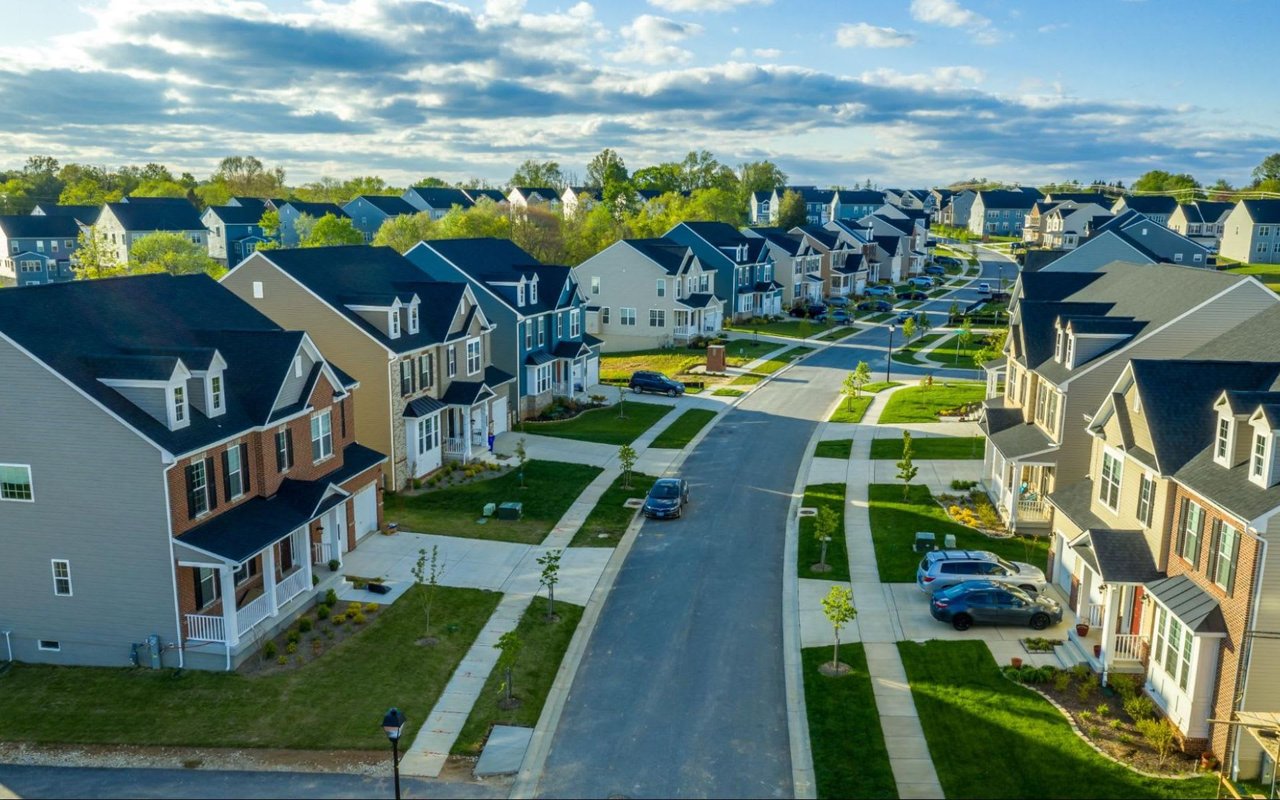
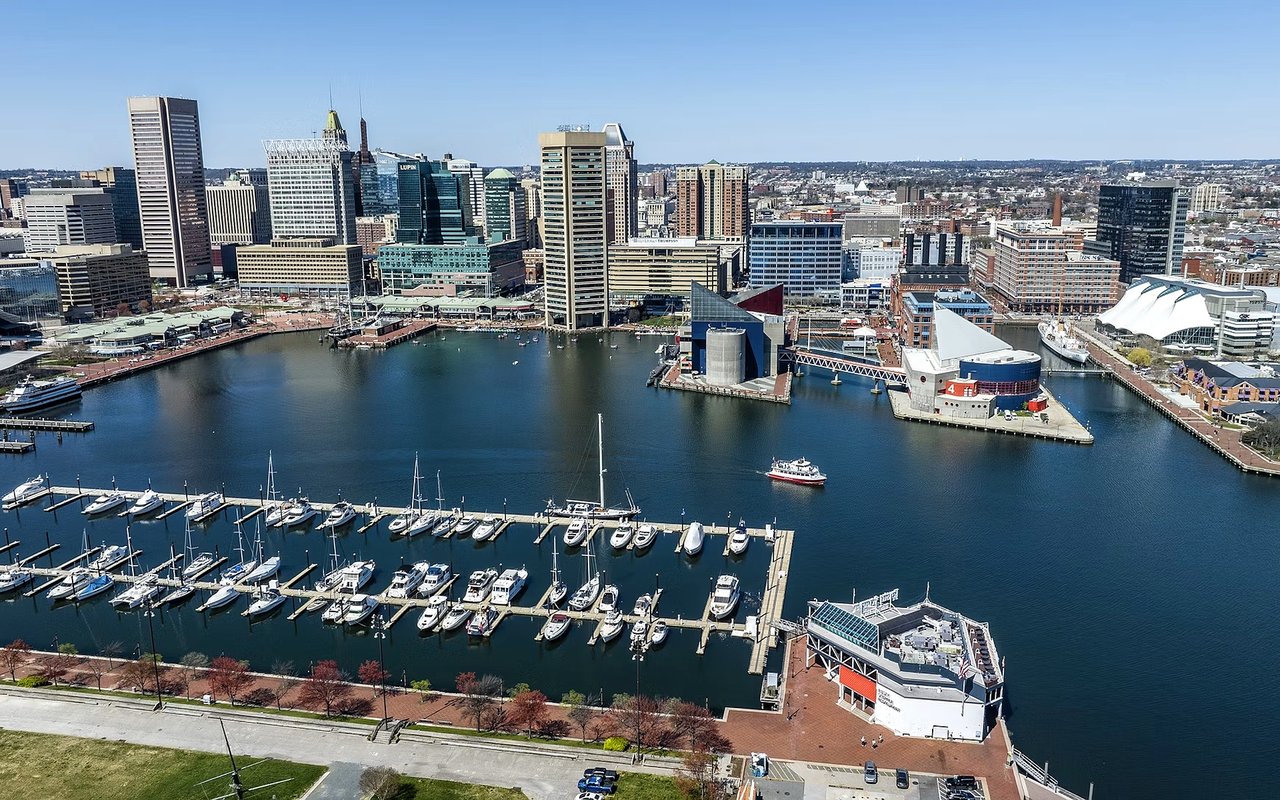
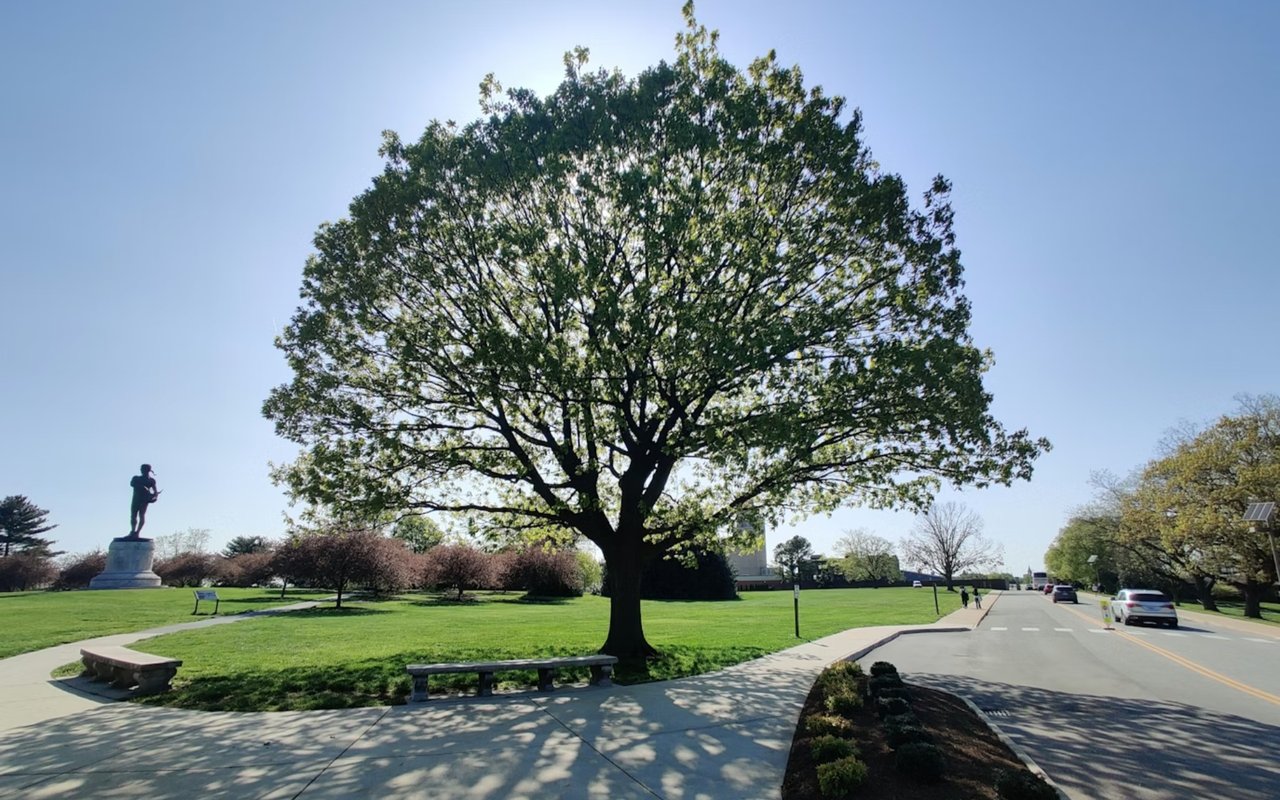
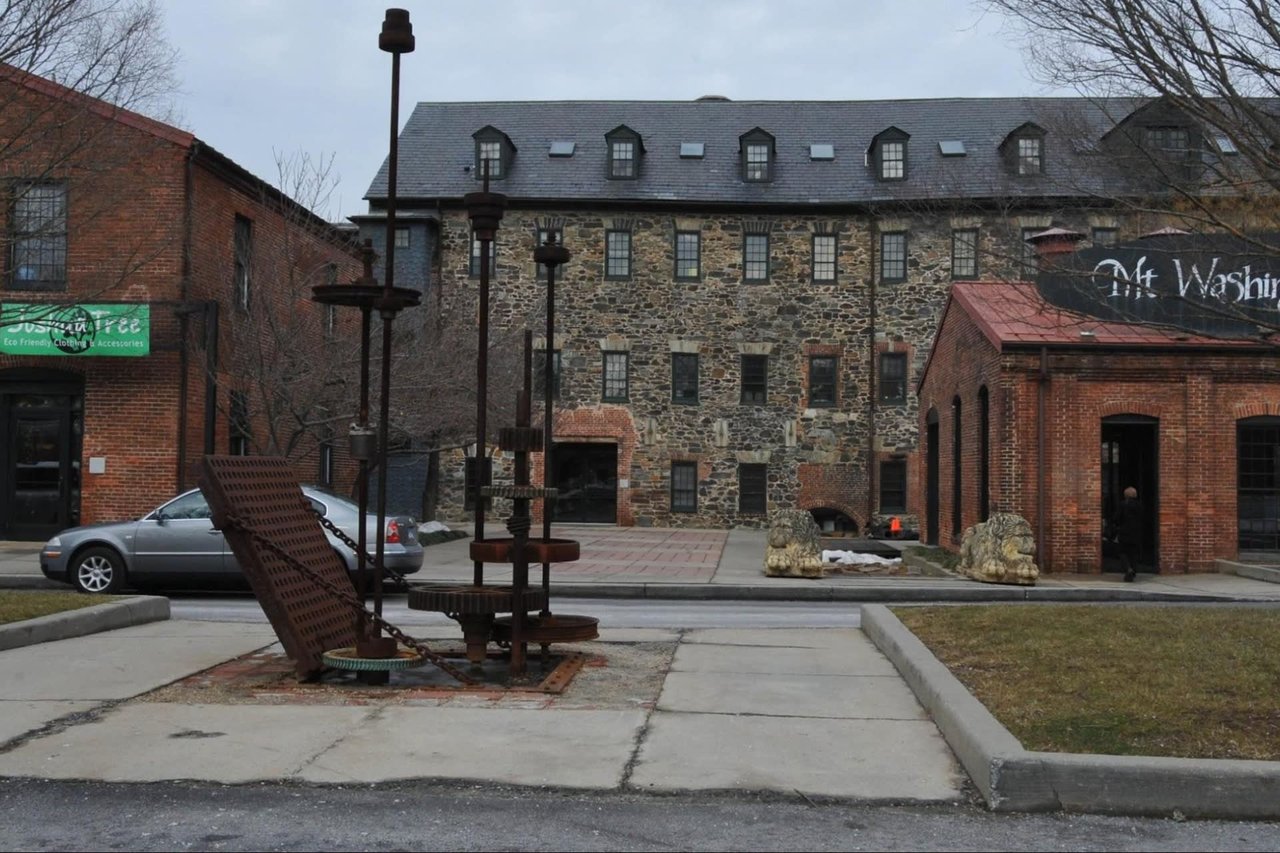
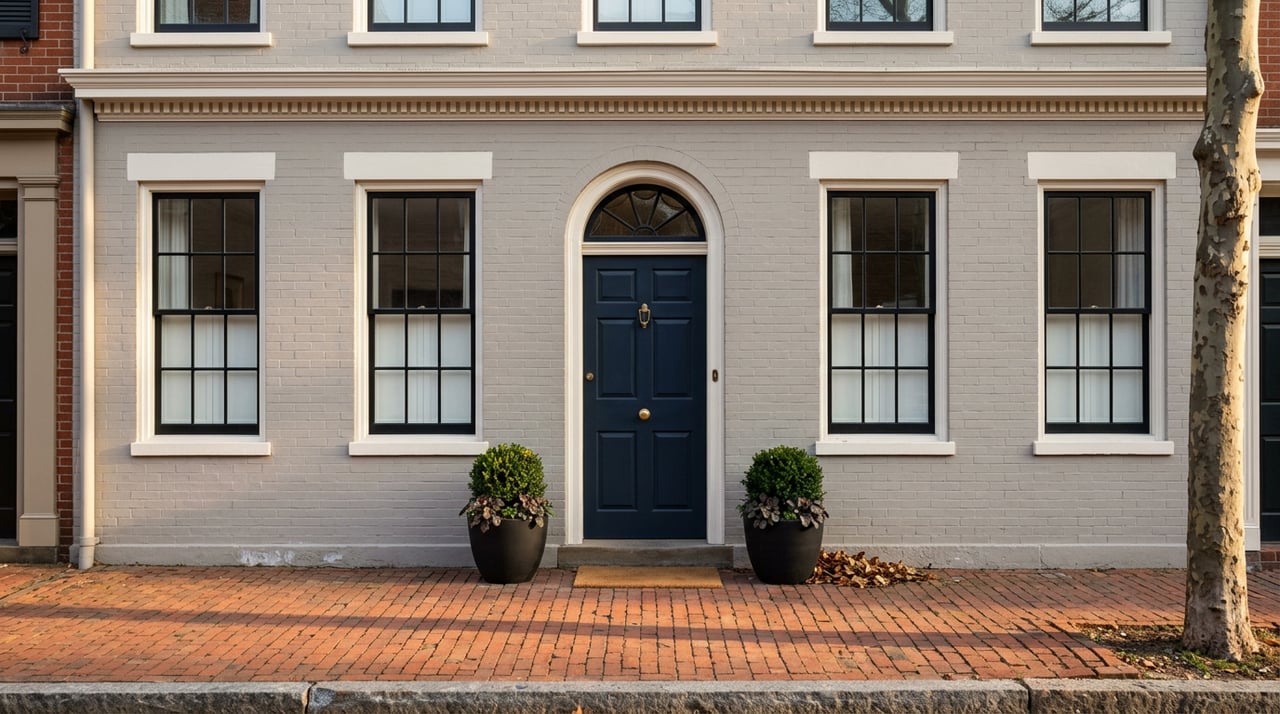
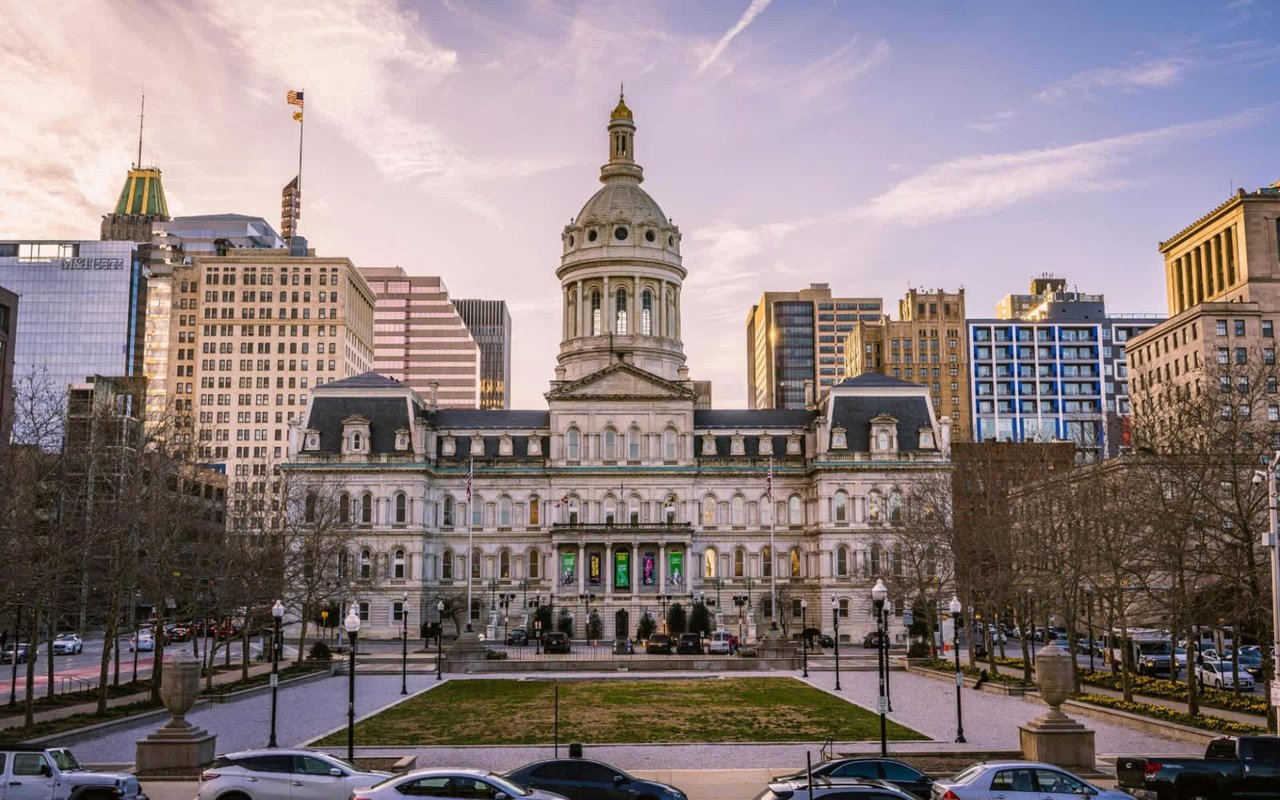
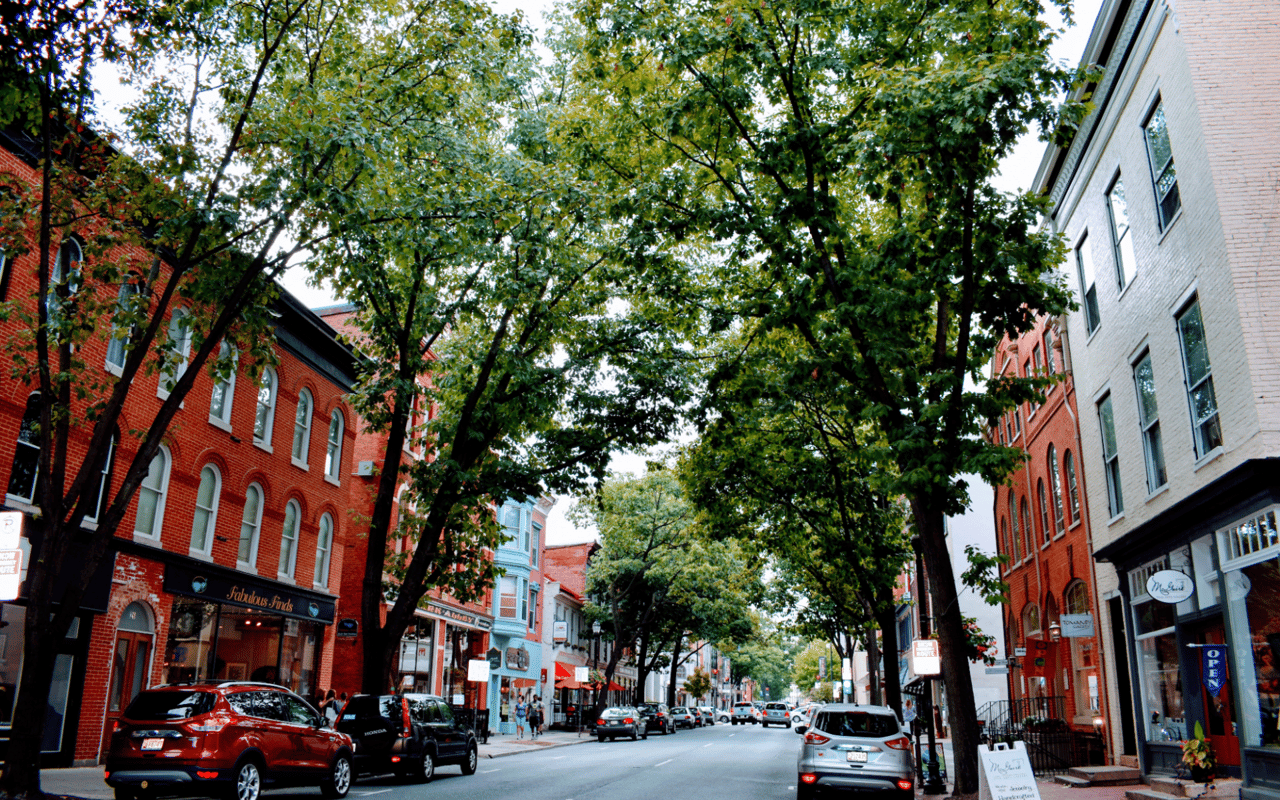
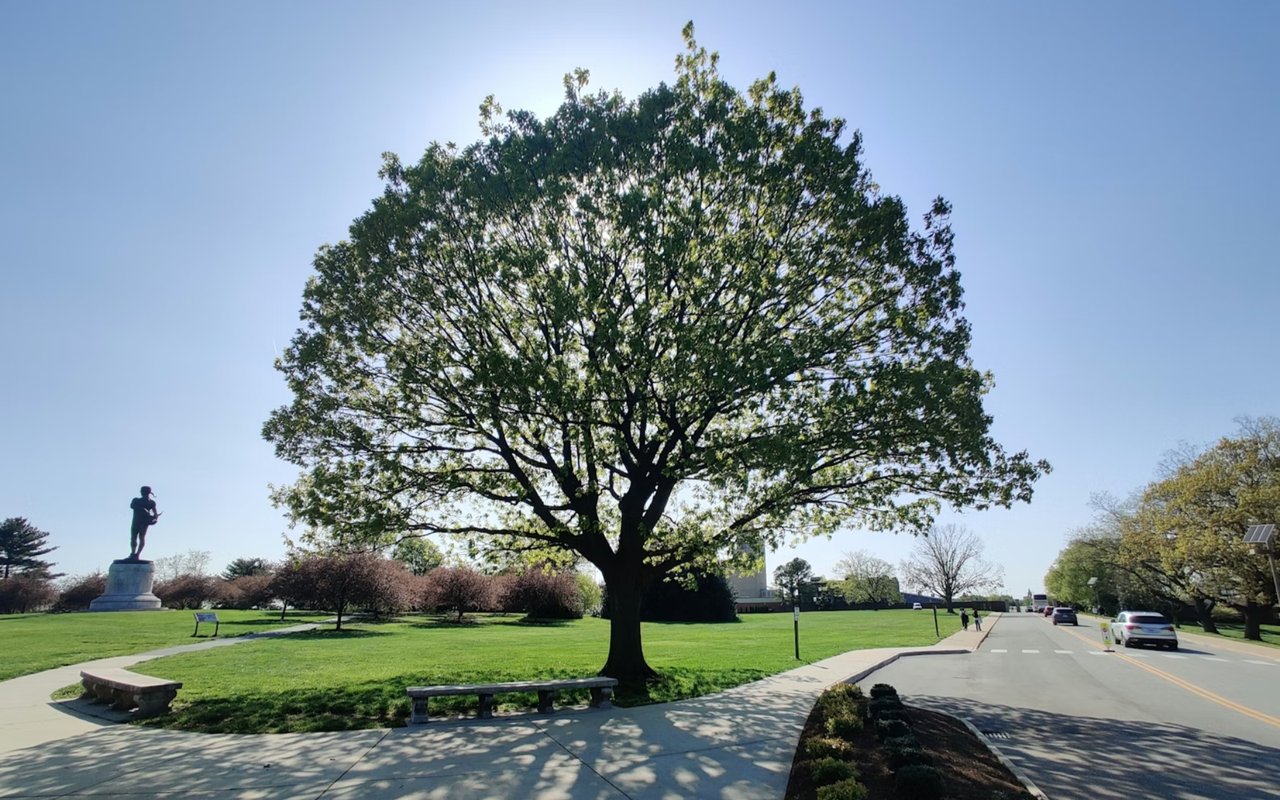
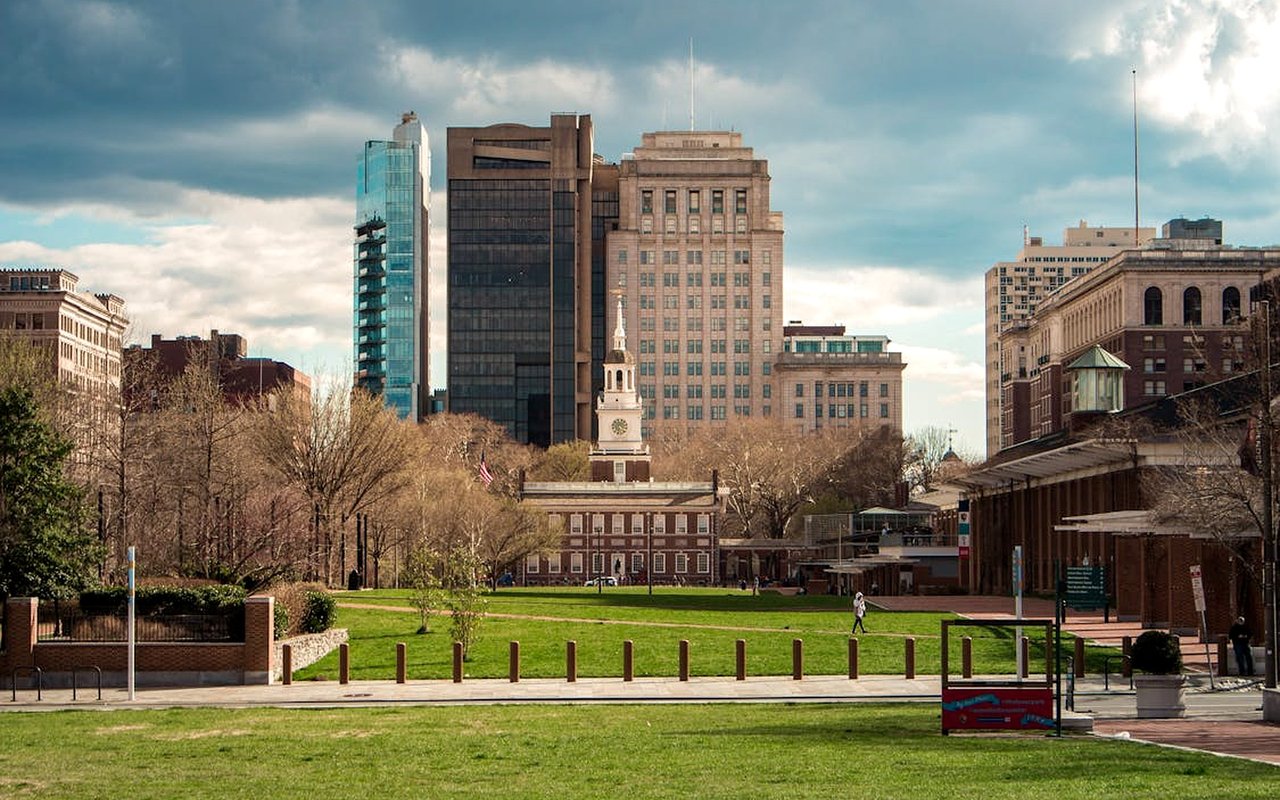
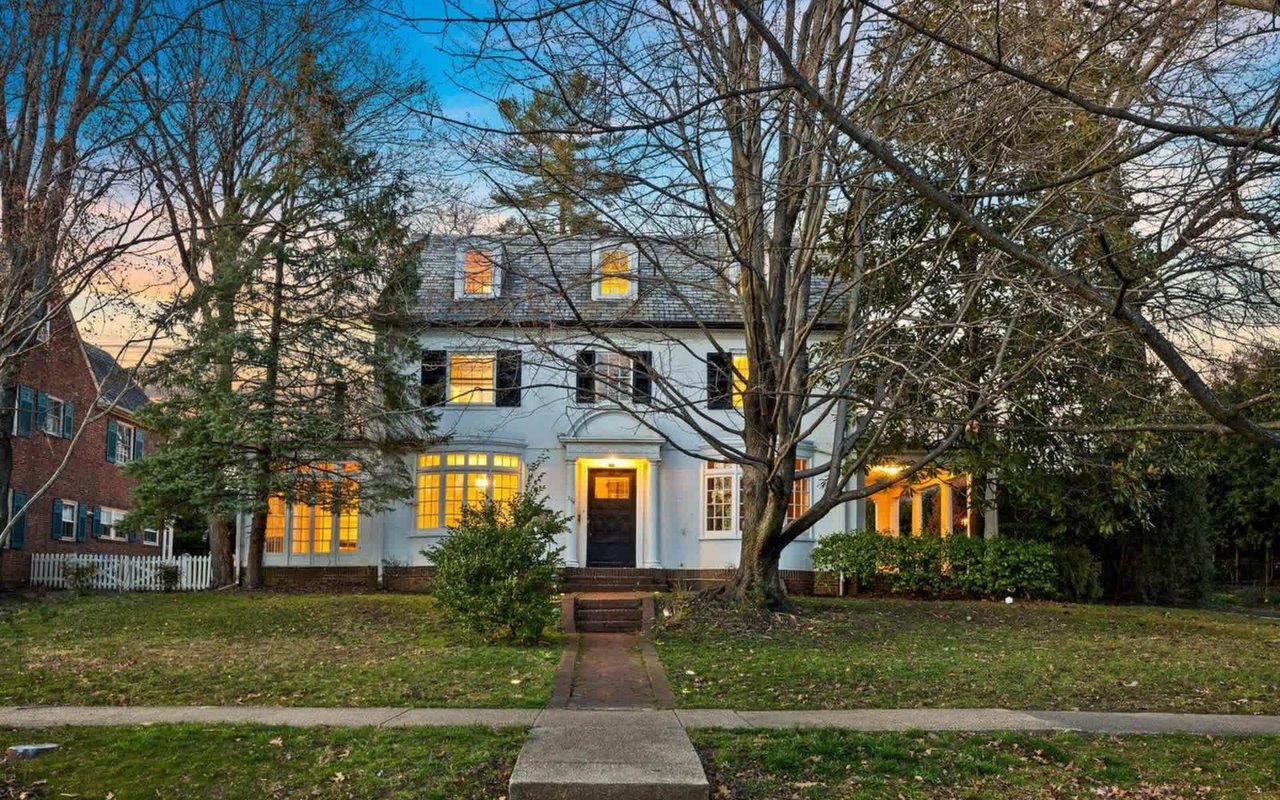
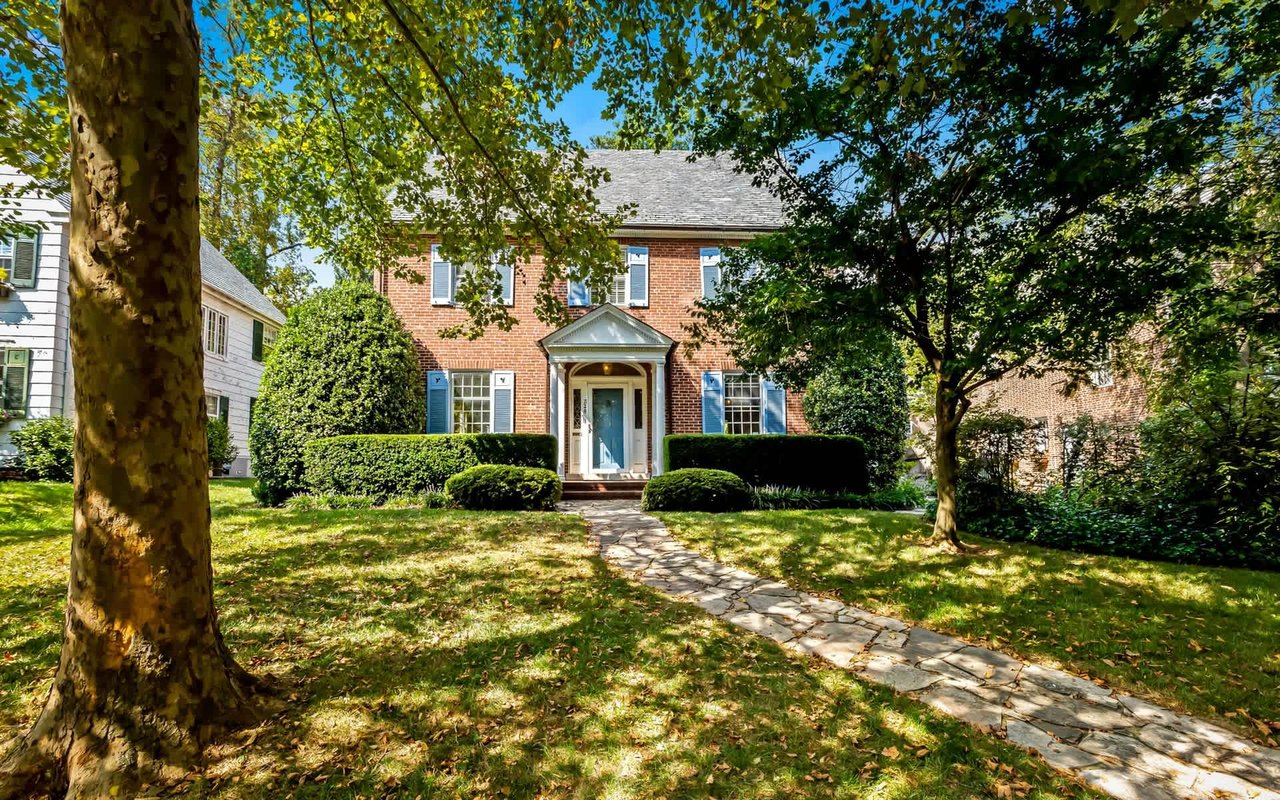
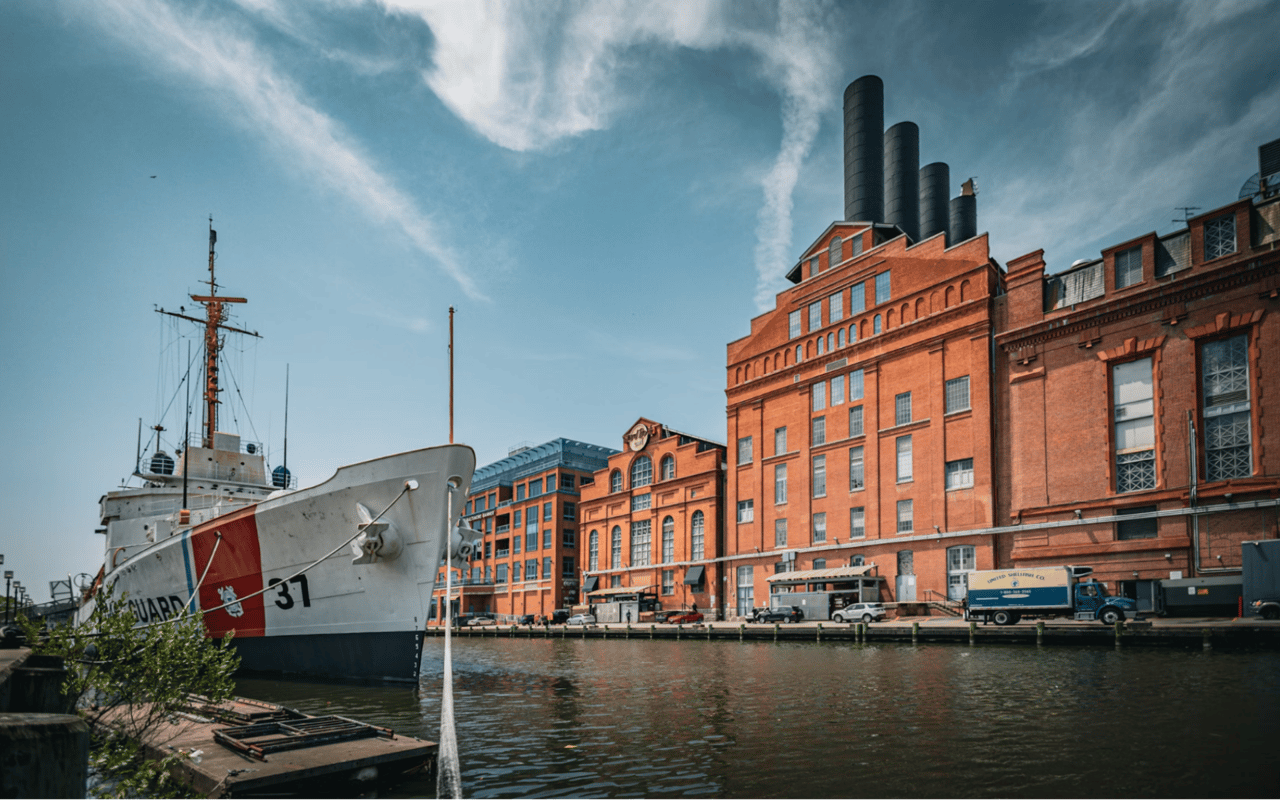
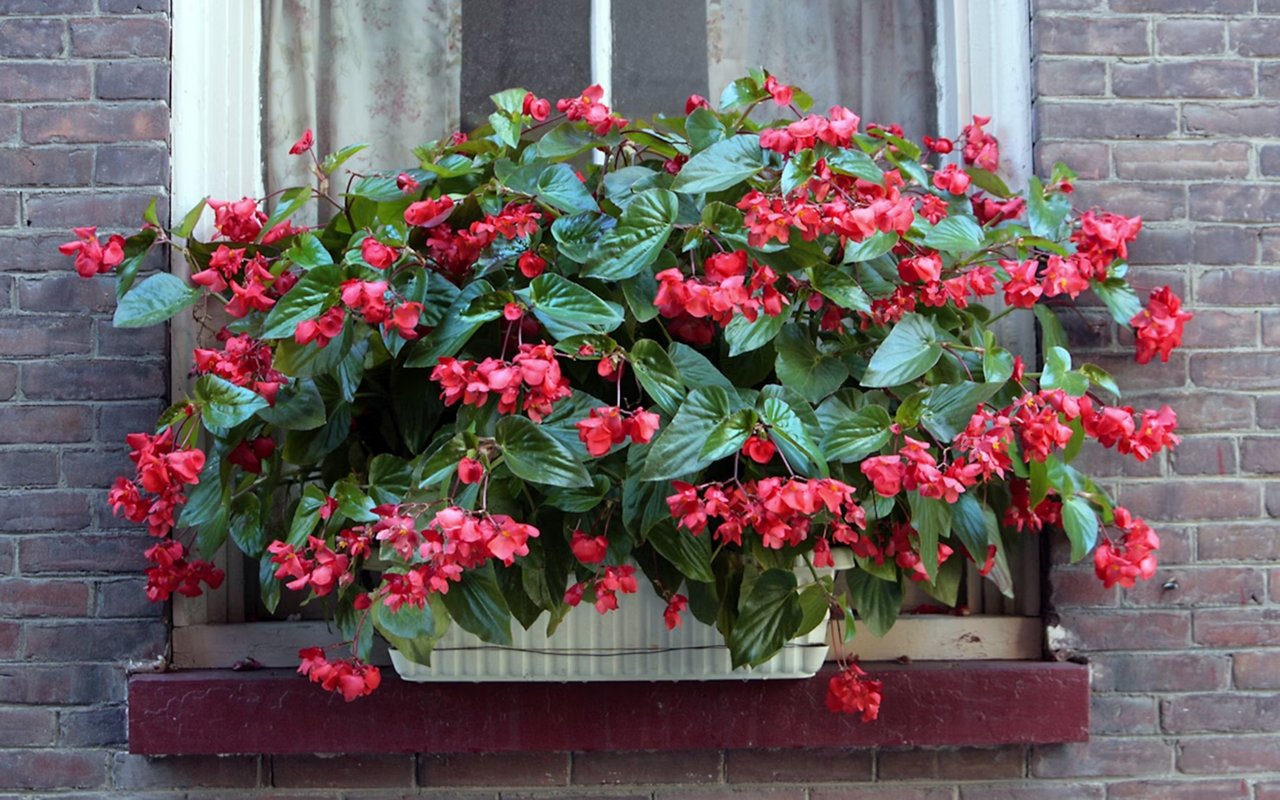
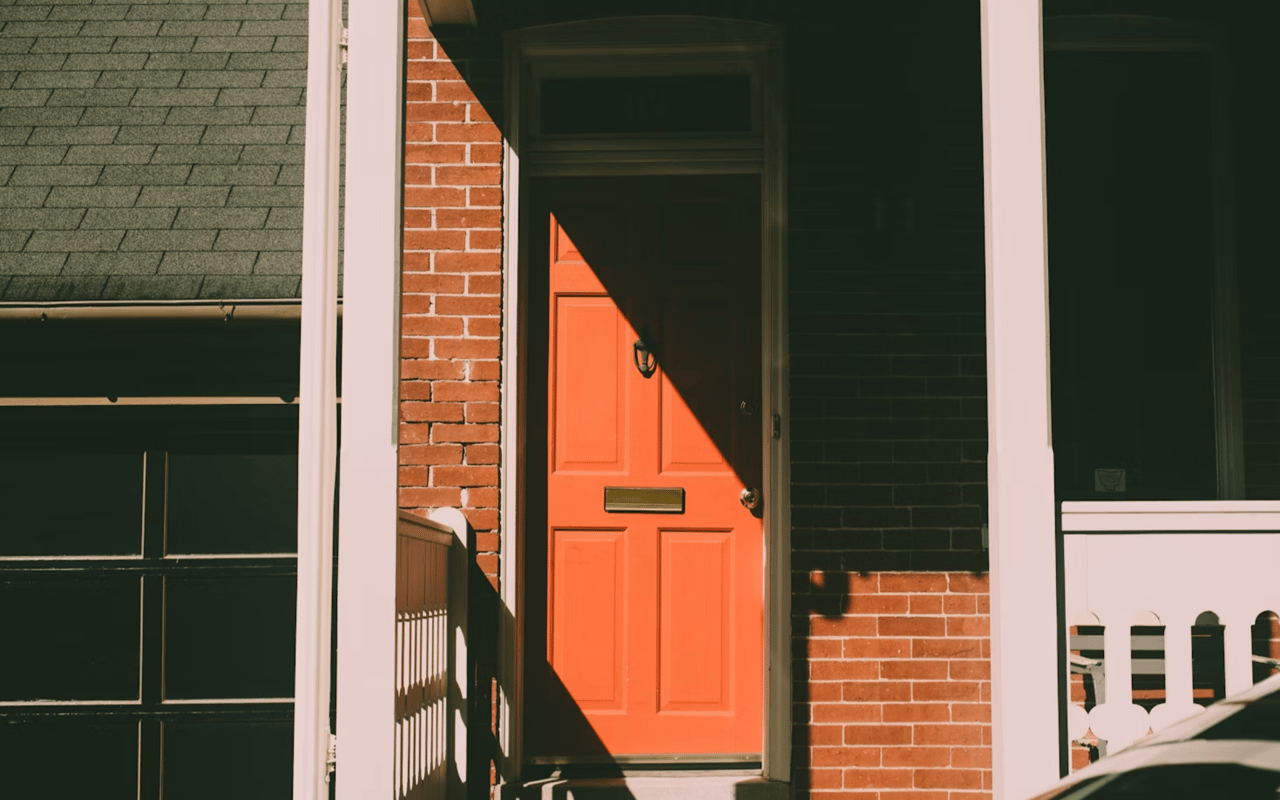
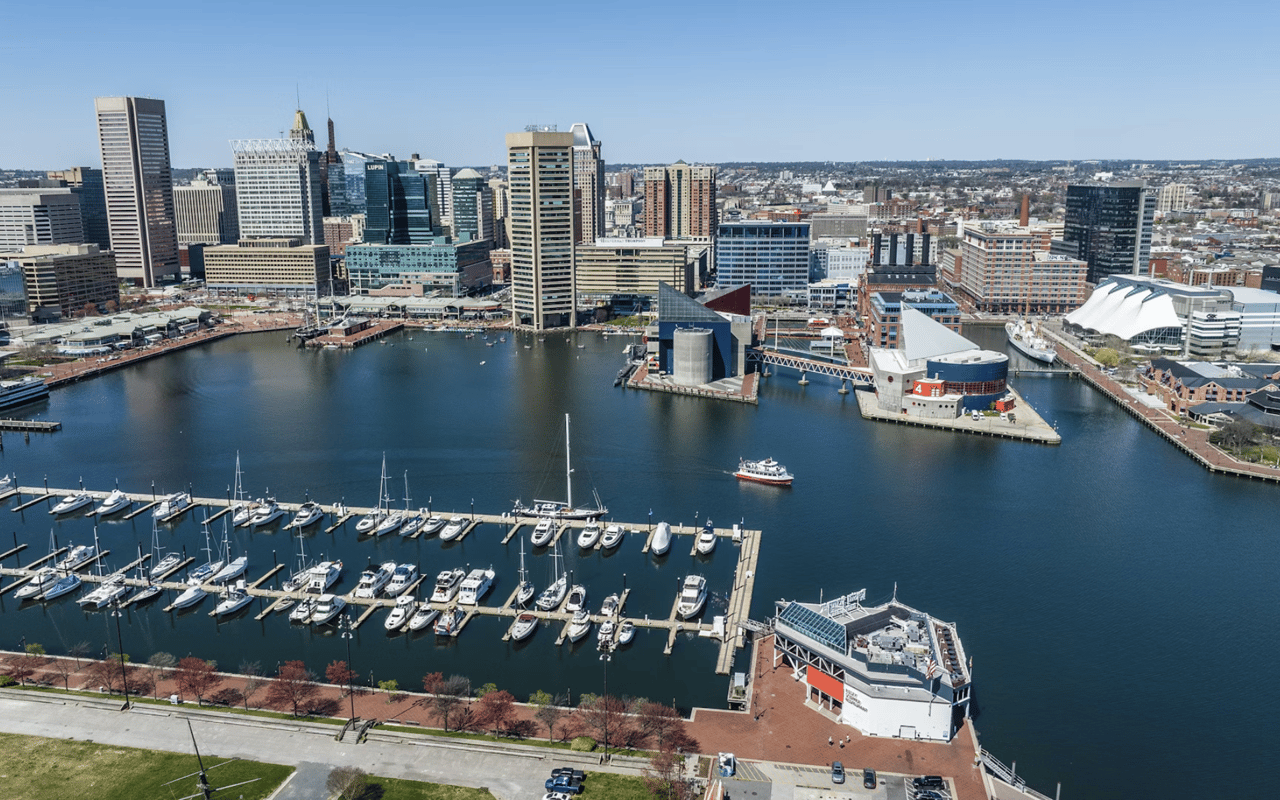
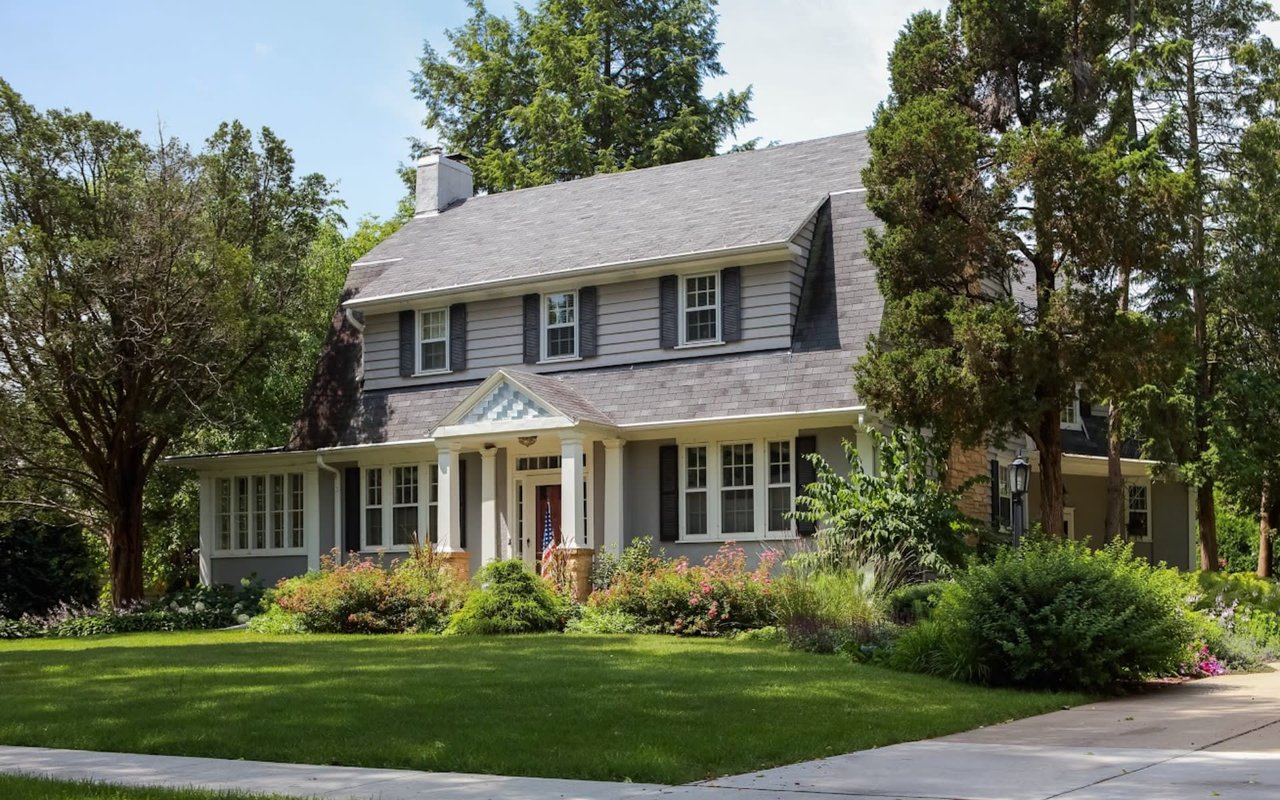
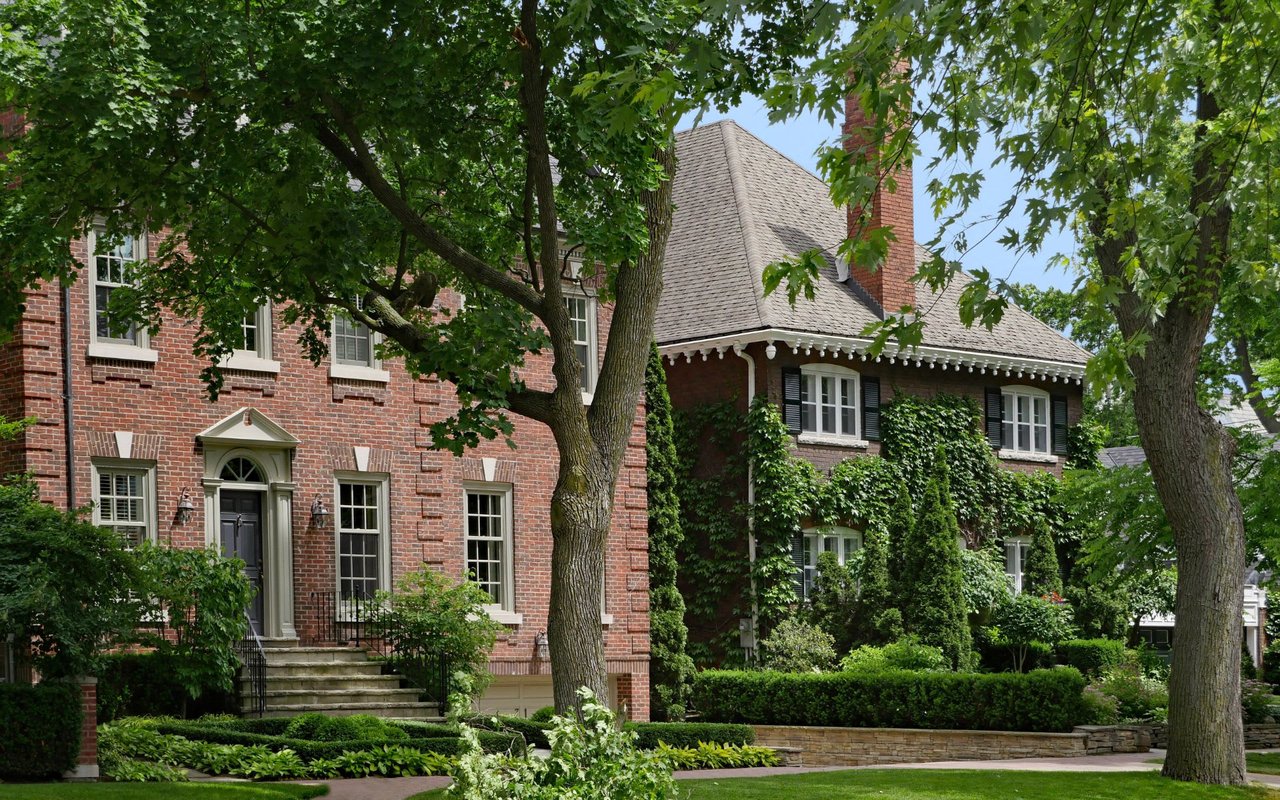
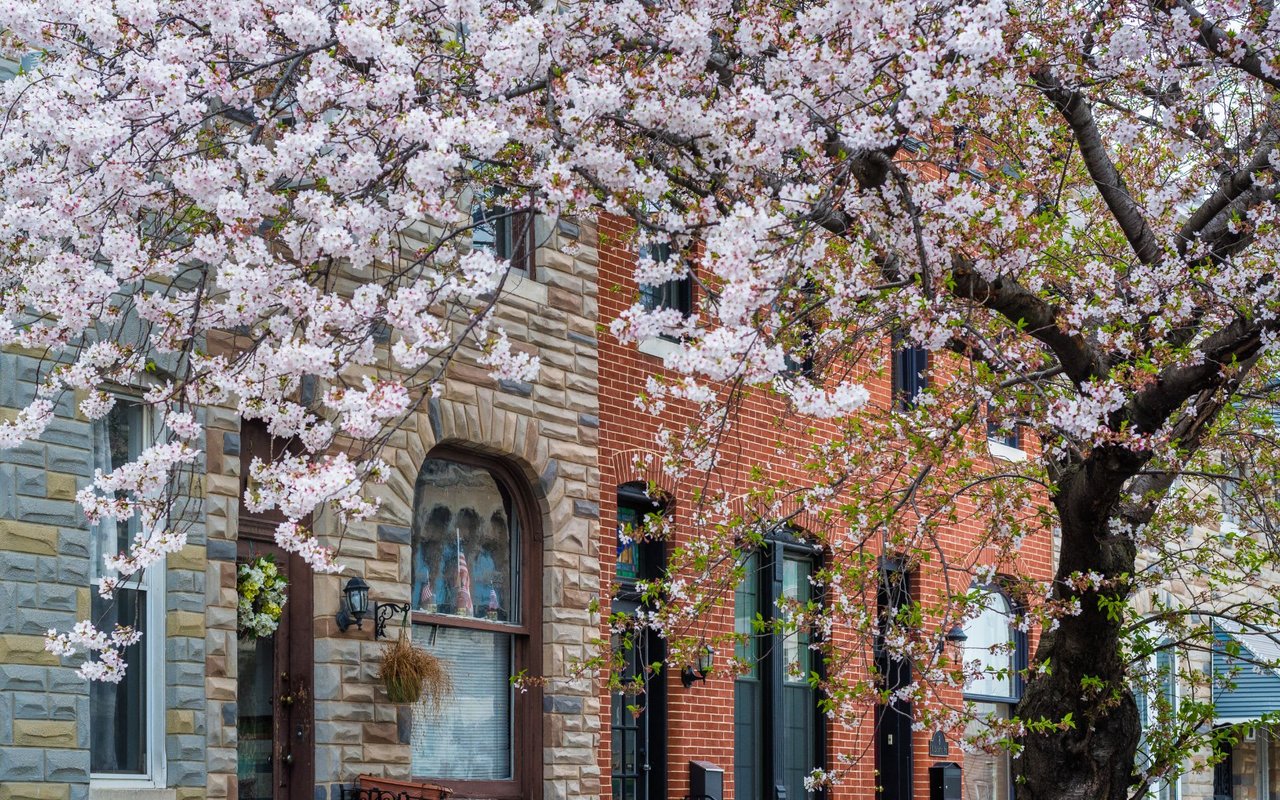
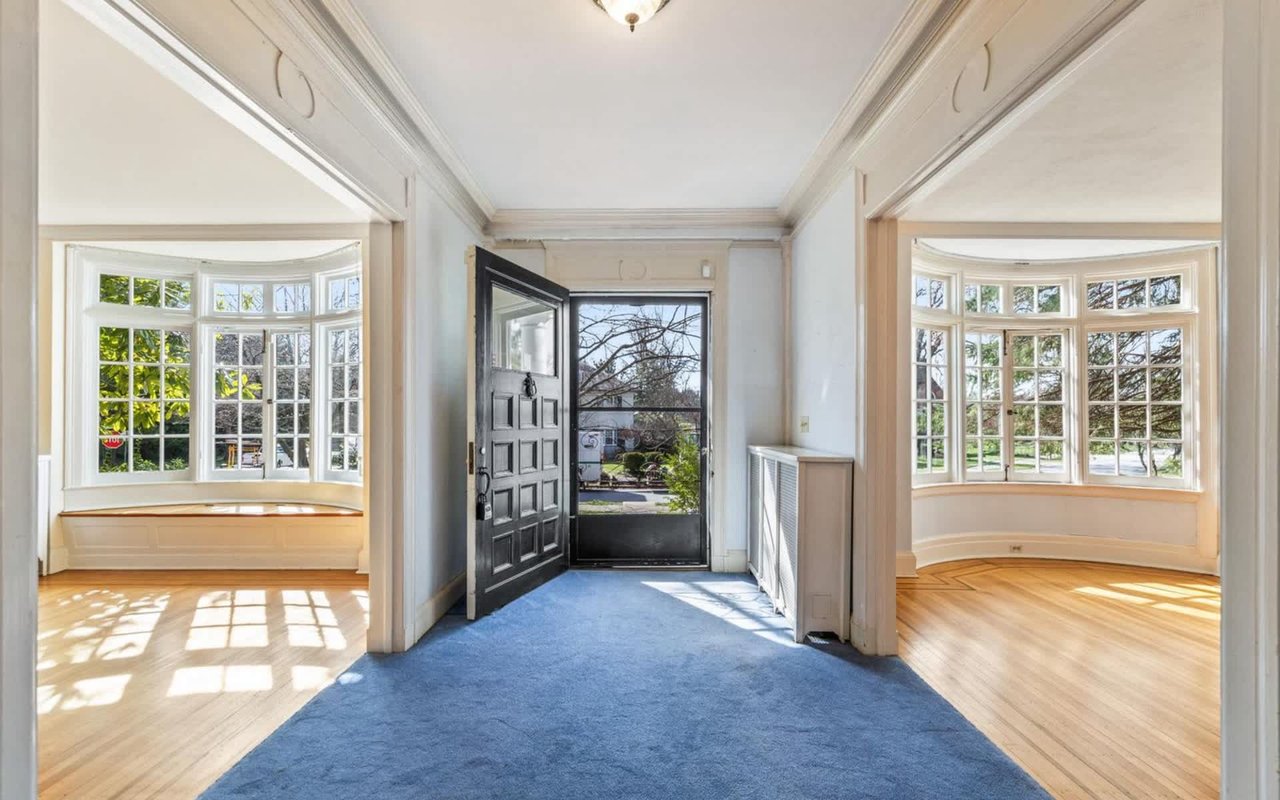
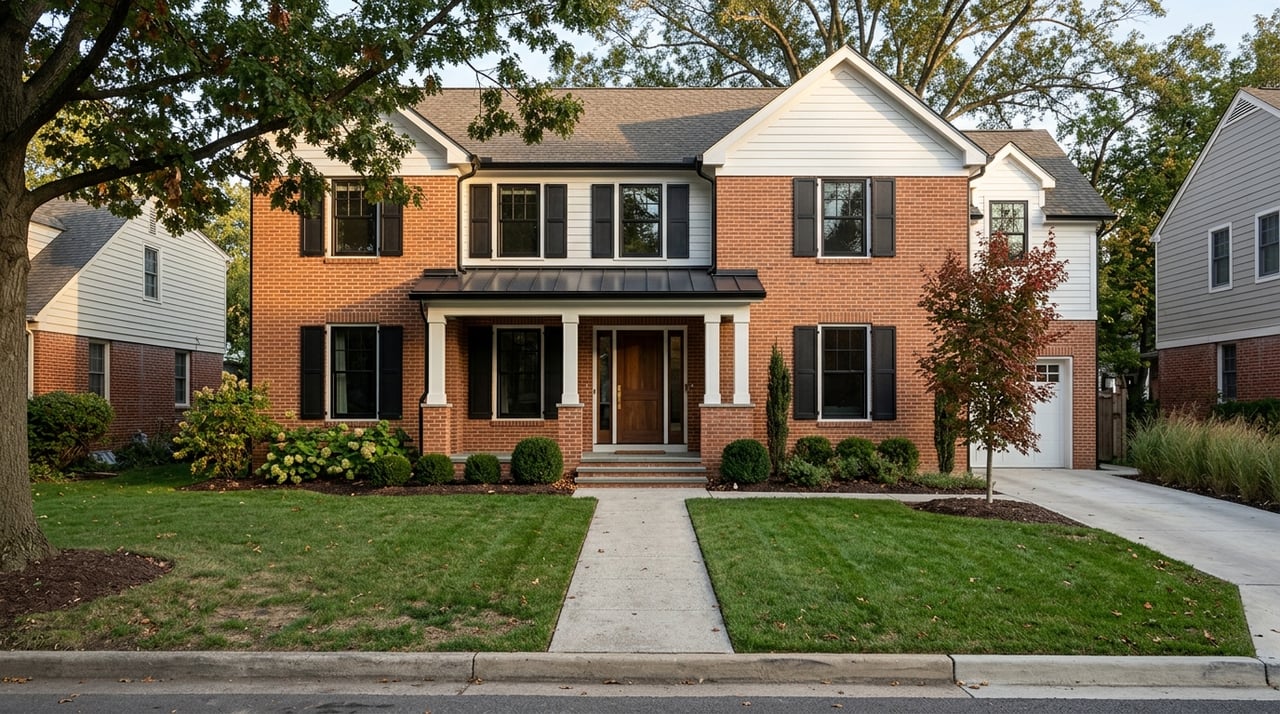
Mount Washington and Downtown Baltimore serve very different lifestyles. Downtown is the city’s central business district, with a housing mix dominated by condos, rowhomes, and apartment buildings. Mount Washington, by contrast, is known for its older architecture, tree-lined streets, and larger, more irregular lots.
That difference shows up clearly in owner occupancy. Downtown has about 3% owner-occupied housing, while Mount Washington sits closer to 65%. If you are looking for a more residential setting where more of your neighbors own rather than rent, Mount Washington stands out.
Live Baltimore describes Mount Washington as commuter-friendly, historic, quiet, close-knit, and artsy. It was established in 1885 and annexed to Baltimore City in 1914. For many move-up buyers, that mix of city location and residential character is exactly the appeal.
What “move-up” really means here
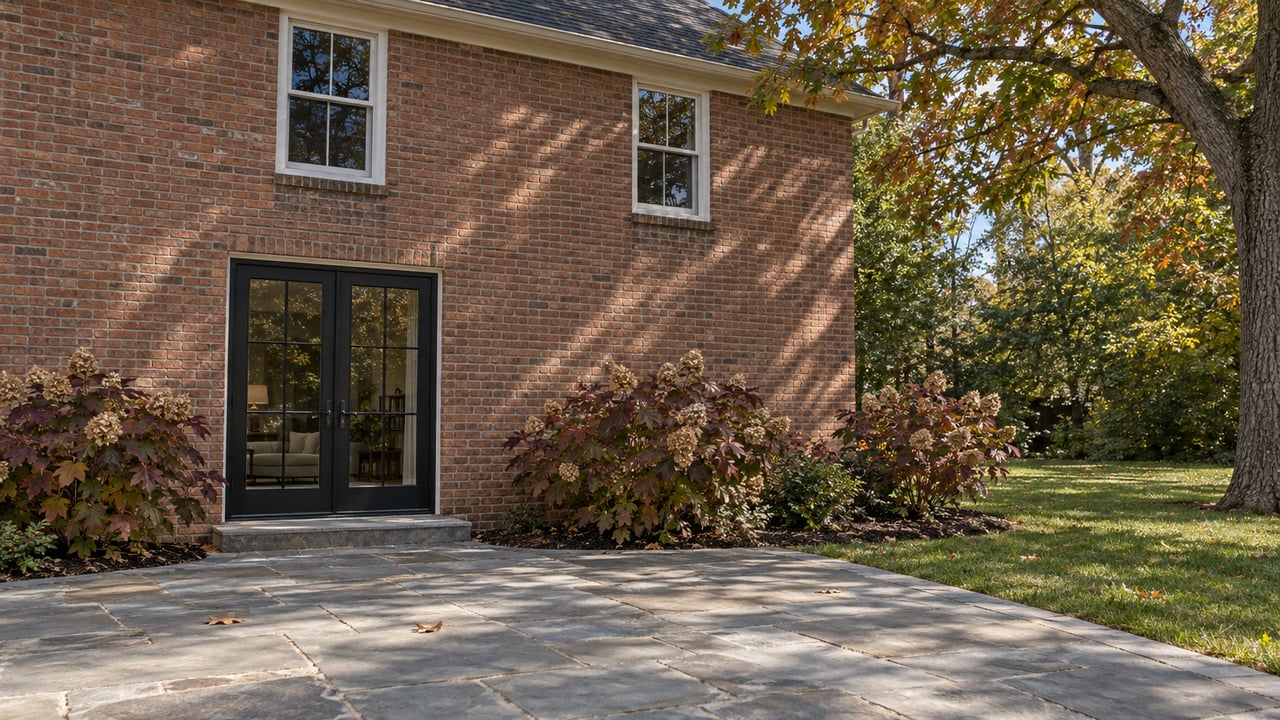
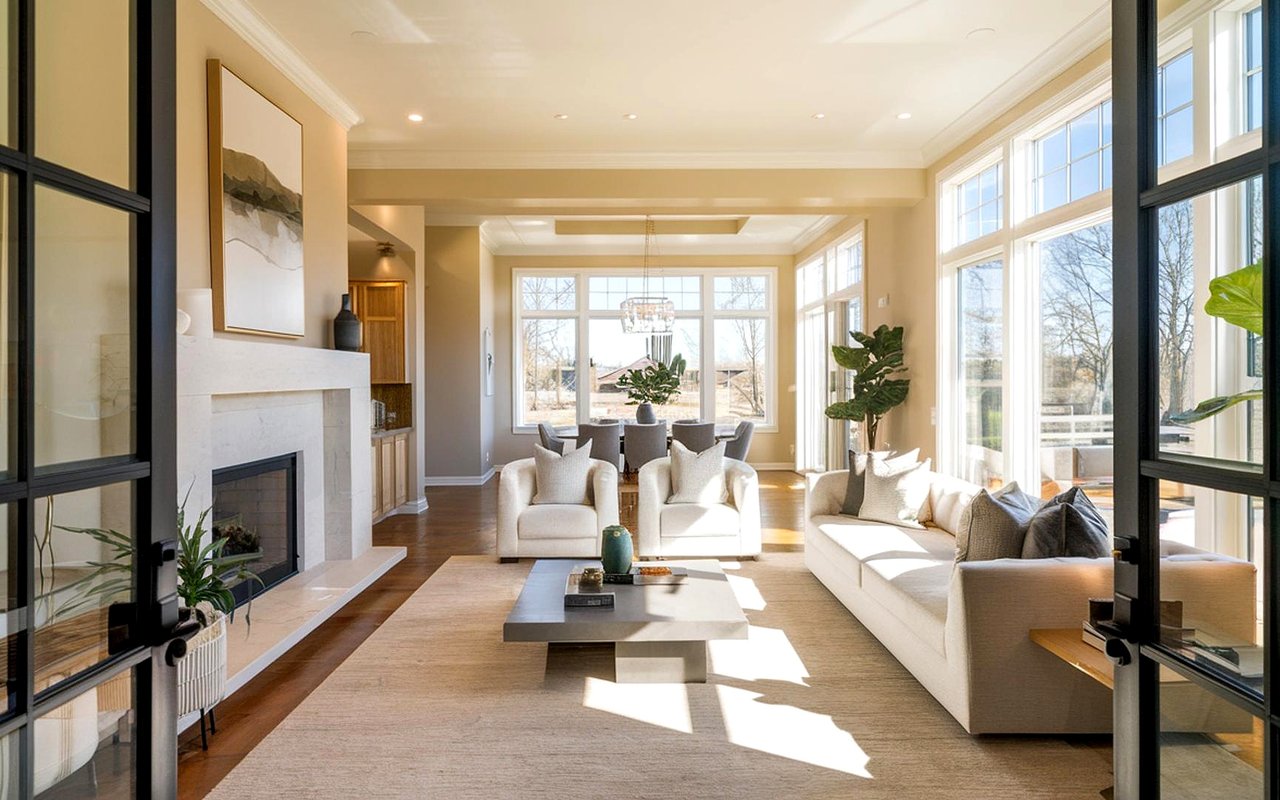
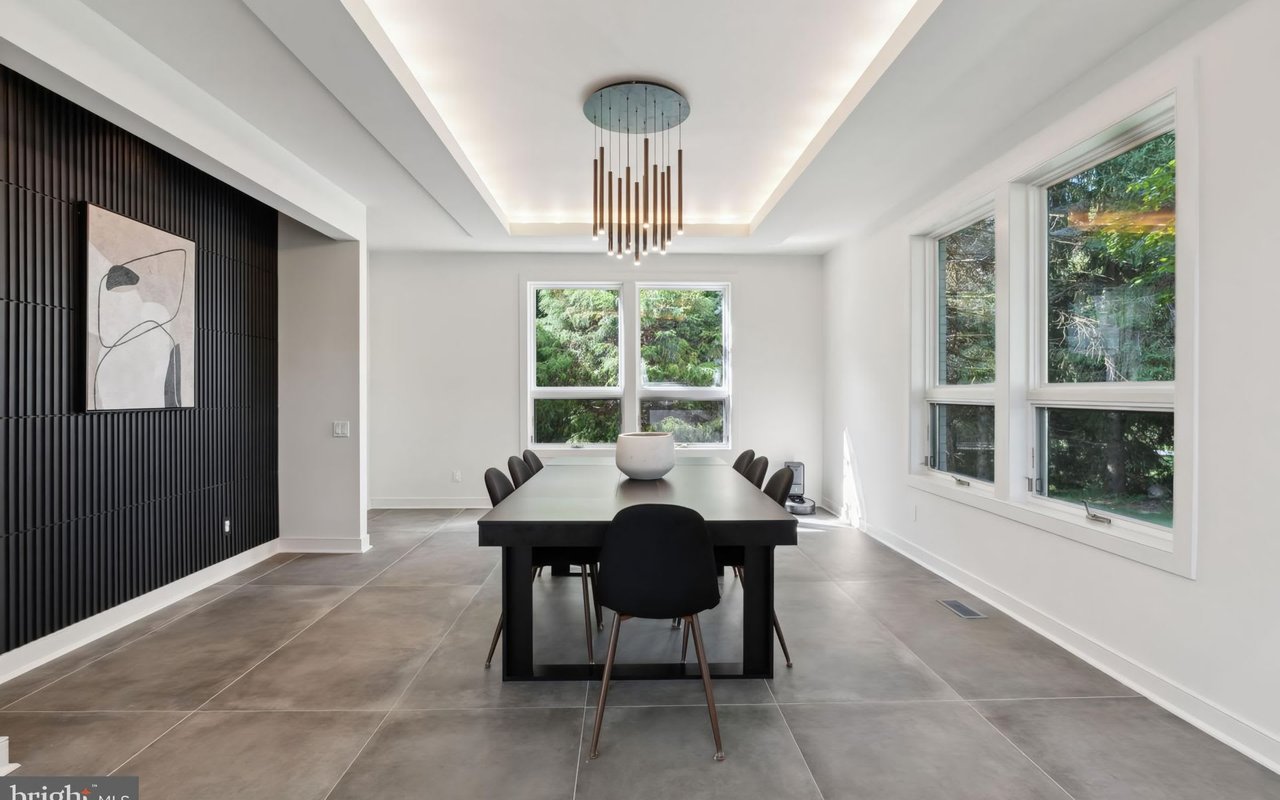
A move-up does not always mean leaving the city for the suburbs. In Baltimore, it can mean staying in the city while stepping into more square footage, more outdoor space, and a different day-to-day pace. Mount Washington gives you that option.
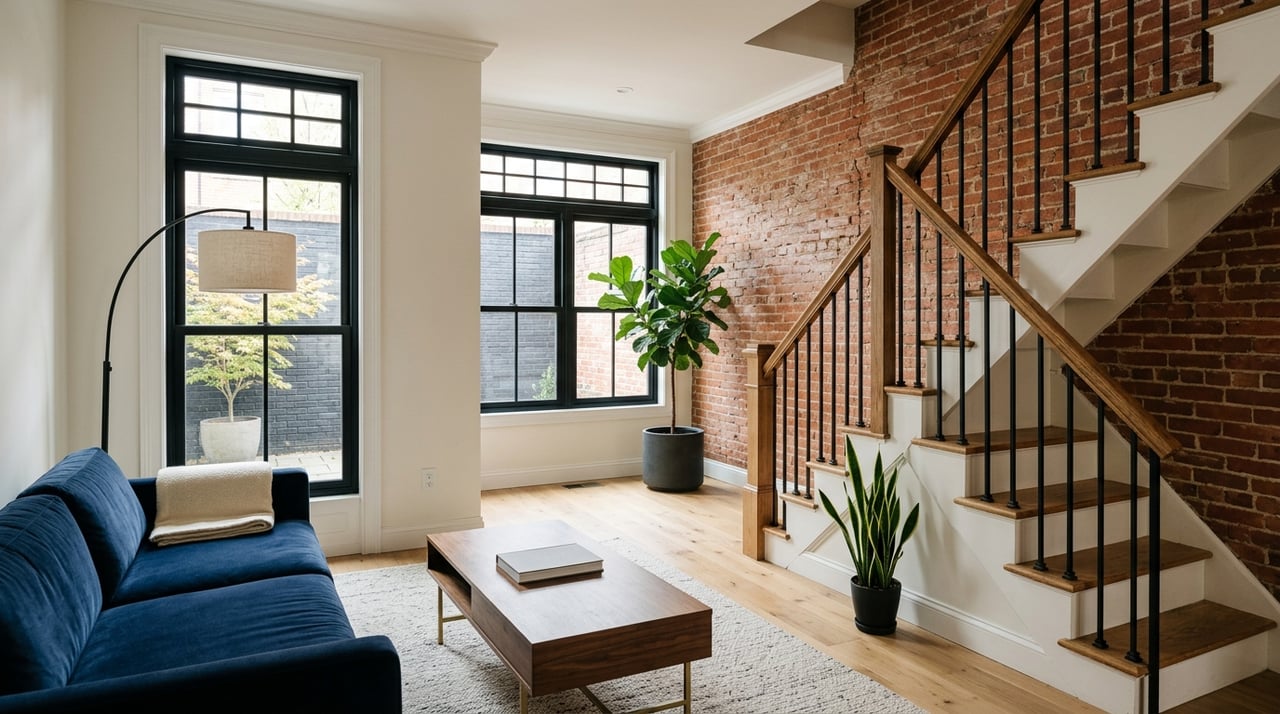
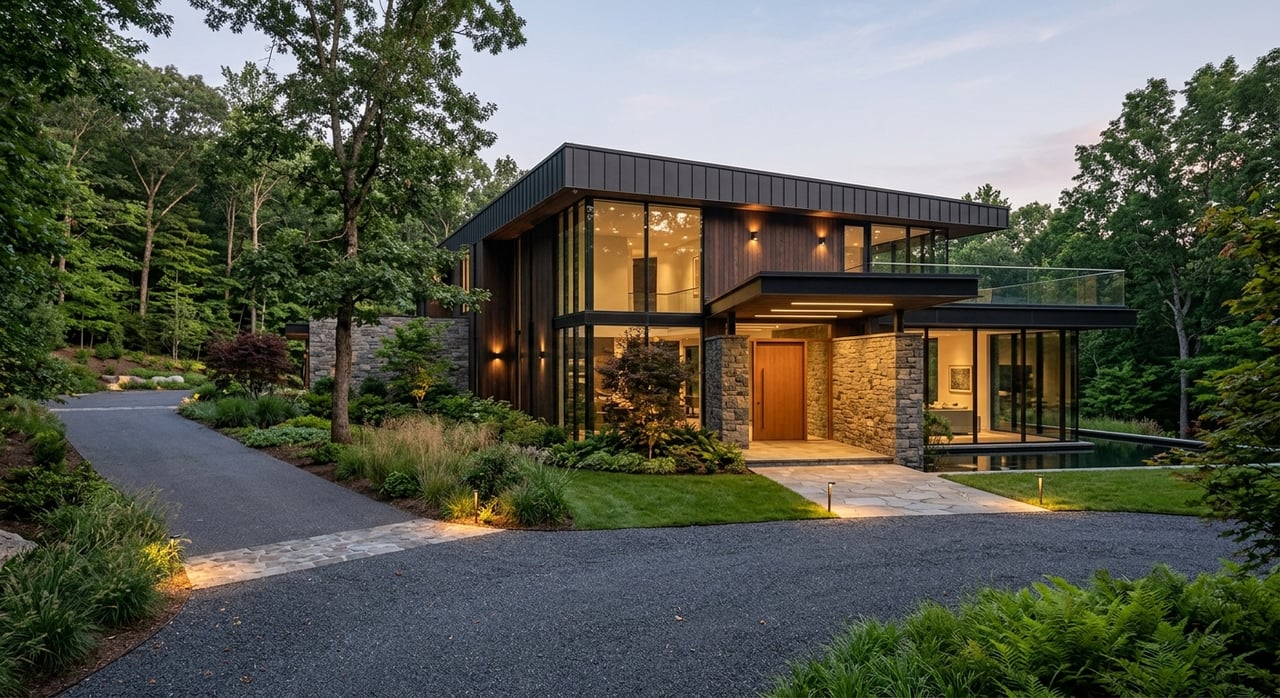
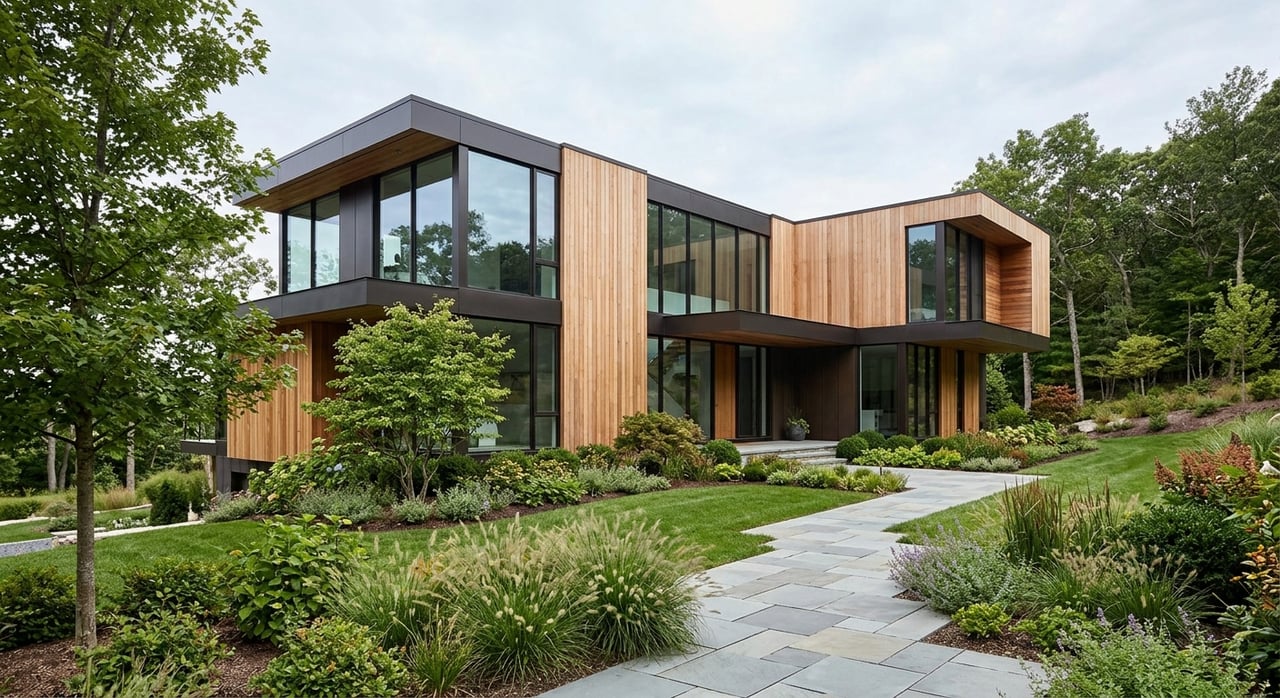
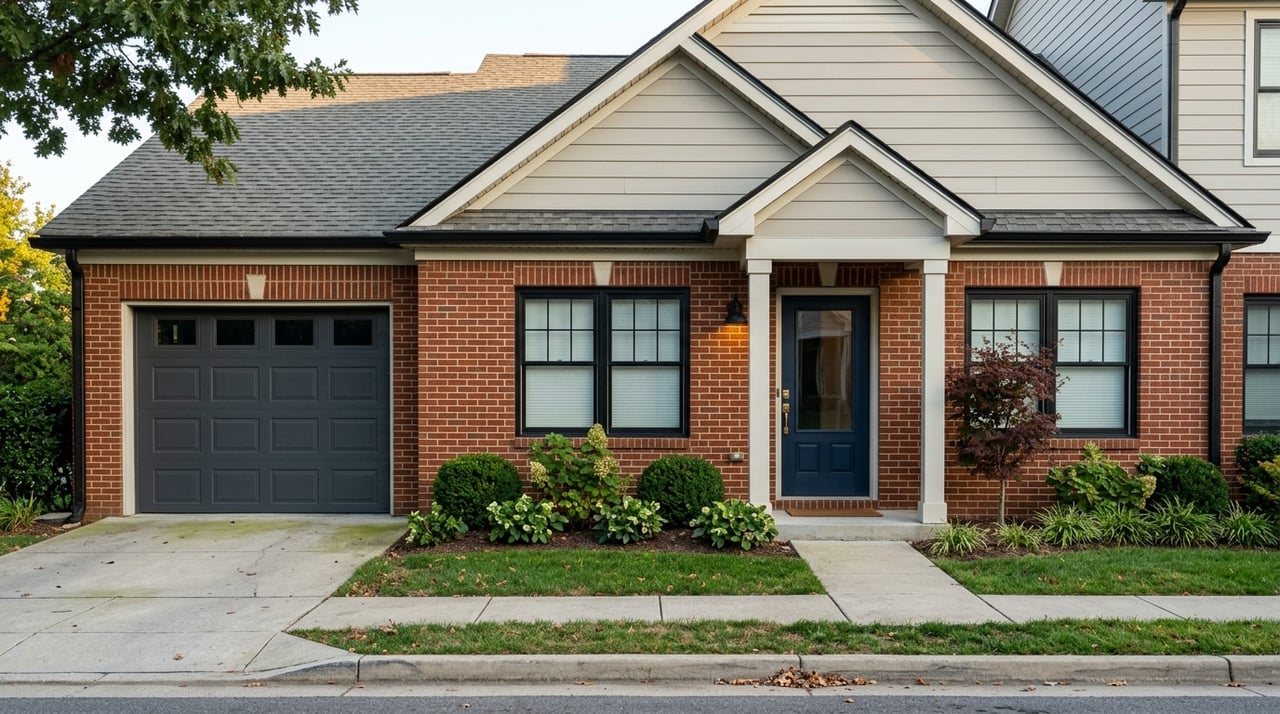
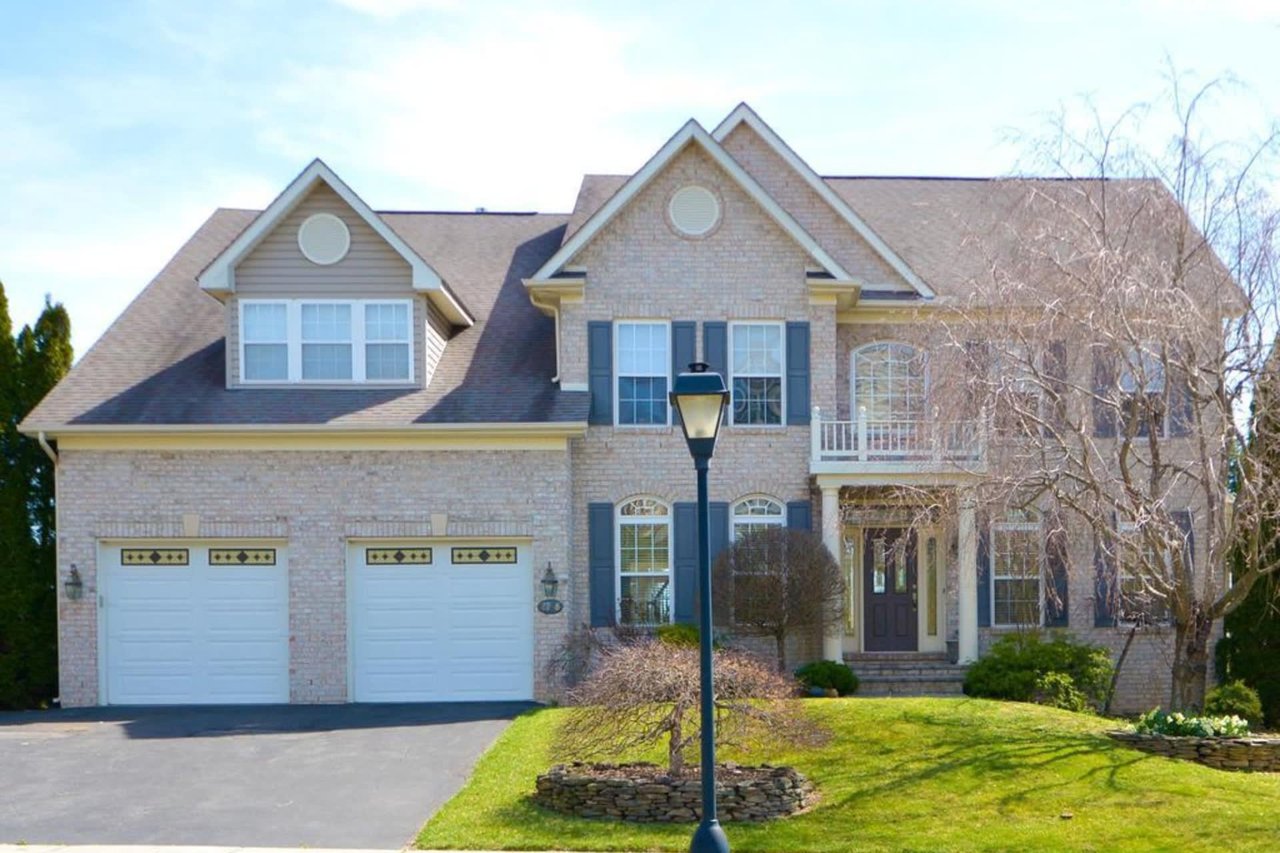
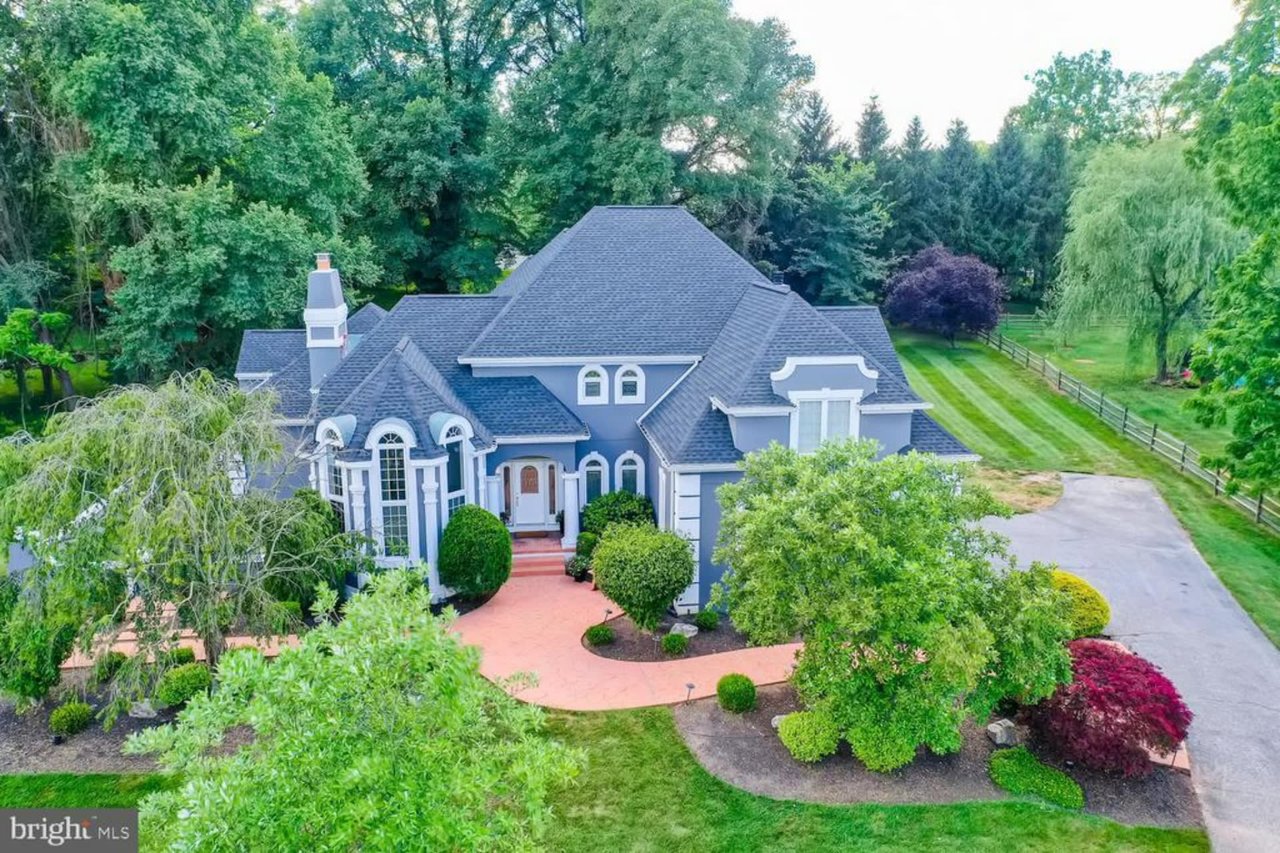
Current listings show a wide range of housing types and price points. You can find condos around $105,000 or $284,900, townhouses around $405,000 and $529,900, and detached homes with larger lots at higher prices. Some available homes sit on lots around 0.24 acre, 0.34 acre, and even 0.66 acre.
That is a major contrast with Downtown, where current examples include a $129,000 condo and a multi-family property on an 871-square-foot lot. If your goal is to gain yard space, more privacy, or a detached home while staying connected to Baltimore, Mount Washington offers far more paths to do that.
Mount Washington prices versus Downtown
Price is one of the biggest tradeoffs in this move. Mount Washington costs more than Downtown, and that gap is meaningful. Realtor.com shows a current median listing price around $373,000 in Mount Washington, while Redfin reported a March 2026 median sale price of $375,500.
At the same time, Live Baltimore lists a median home purchase price of $520,000 based on the most recent full calendar year of standard MLS sales. Instead of treating the neighborhood as one exact price point, it is better to think of Mount Washington as having a broad price band. Depending on the property type, condition, and lot size, your options can vary quite a bit.
Downtown is much more affordable on paper. Realtor.com shows a median listing price of $179,000 there, and Redfin reported a March 2026 median sale price of $160,750. If you are moving from Downtown to Mount Washington, you should expect a substantial jump in purchase price in exchange for more space and a more residential setting.
How competitive is the market?
Mount Washington is not an easy market to generalize, but recent data suggests a somewhat competitive environment. Redfin reports that homes sell for about 1% below list price on average and go pending in around 45 days. Realtor.com shows a median of 25 days on market, while Redfin reported about 49 days.
What does that mean for you? Usually, it means you need to be prepared but not panicked. Well-positioned homes can move quickly, especially those with the lot size, condition, and layout many move-up buyers want.
For sellers leaving Downtown, this is where good timing matters. You want to understand your likely sale proceeds and how fast your current home may move before committing to your next purchase.
Space versus walkability
The core lifestyle tradeoff is simple: Mount Washington offers more space, but Downtown offers much easier day-to-day walkability. If you currently love stepping outside and walking to work, restaurants, or errands, this is the biggest adjustment to think through.
Live Baltimore gives Mount Washington a Walk Score of 27, Bike Score of 23, and Transit Score of 54. Downtown scores much higher at 99 for walkability, 72 for biking, and 100 for transit. So yes, moving to Mount Washington usually means relying more on your car, transit, or a combination of both.
That said, the commute can still be realistic for many people. Live Baltimore lists nearby public transit to Charles Center in about 15 minutes and Penn Station in about 10 minutes. The MTA Light RailLink schedule shows a southbound trip from Mt. Washington to Camden Station at about 27 minutes.
What you gain in daily life
For many buyers, the move is not just about the house. It is about how the neighborhood feels once your workday ends. Mount Washington offers a greener, quieter routine that can feel very different from living Downtown.
Live Baltimore highlights running trails, retail centers, a weekly farmers market, swim clubs, golf, lacrosse, rugby, and access to major parks. Those amenities support a lifestyle that feels more residential and outdoors-oriented. If you want room to spread out and a calmer atmosphere without leaving Baltimore City, that can be a compelling shift.
This is also where your priorities matter most. If you want a true walk-everywhere environment, Downtown still has the edge. If you want more breathing room and are comfortable trading some convenience for space, Mount Washington may make more sense.
Budgeting for the full move-up cost
The purchase price is only part of the story. A move-up decision works best when you model the full cost of owning the next home, not just the mortgage. That includes closing costs, taxes, repairs, moving expenses, and any immediate updates you may want to make.
The research notes that closing costs typically run about 2% to 5% of the purchase price. It also points out that your budget should include moving costs, repairs, furniture, and an emergency cushion. If you are moving from a smaller Downtown home into a larger Mount Washington property, those extra costs can add up fast.
Baltimore City property taxes also matter. The current city property tax rate is $2.248 per $100 of assessed value. A more expensive home often means a noticeably higher monthly carrying cost, so it is worth reviewing that number before you fall in love with a property.
Planning the sale and purchase timing
Timing two transactions is often the hardest part of a move-up move. In many cases, sellers try to sell their current home before buying the next one. That approach can help you understand your available proceeds and reduce financial strain.
If your next purchase depends on selling your current home, a home sale contingency may help. The tradeoff is that this can make your offer less attractive because there is no guarantee your first home will sell in time. Financing and inspection contingencies can also provide protection if the loan does not come together or the inspection reveals serious issues.
This is where calm planning matters more than speed. If you are considering Mount Washington, it helps to map out your likely Downtown sale price, expected net proceeds, target monthly payment, and how much flexibility you need between closings.
Historic district details to keep in mind
Some Mount Washington properties may come with another layer of planning if they fall within a local historic district. According to CHAP, exterior changes on local historic-district properties require design review. That can affect renovation timing if you are hoping to make updates soon after closing.
This does not mean you should avoid those homes. It simply means you should go in with clear expectations. If your move-up plan includes exterior improvements, it is smart to factor review timelines and carrying costs into your decision.
So, should you move up to Mount Washington?
If your main goal is more space, a more residential setting, and a housing mix that includes more detached homes and larger lots, Mount Washington is one of the clearest move-up options within Baltimore City. It gives you a real step up from Downtown in terms of privacy, outdoor space, and owner-occupied character. For many buyers, that is exactly the right next chapter.
If your top priority is staying in a highly walkable, lower-cost environment with quick access to Downtown amenities right outside your door, the tradeoff may not feel worth it. Mount Washington is less about urban convenience and more about lifestyle space. The right answer depends on which of those matters more to you now.
If you want help weighing the numbers, timing the sale of your current home, or comparing specific blocks and property types in Mount Washington, working with a local agent who understands both neighborhoods can make the decision much clearer. When you are ready to talk through your next move, connect with William Weeks.
FAQs
Is Mount Washington more expensive than Downtown Baltimore?
- Yes. Recent data shows Mount Washington around the mid-$300,000s by current median list and sale figures, while Downtown sits much lower, with median listing and sale prices under $200,000.
Is Mount Washington a good move-up option from Downtown Baltimore?
- It can be, especially if you want more space, more owner-occupied housing, and a broader mix of townhouses and detached homes while staying in Baltimore City.
Is Mount Washington still practical for a Downtown commute?
- For many people, yes. Mount Washington has transit access to Charles Center and Penn Station, and the Light RailLink provides another commuting option, but it is less walkable than Downtown.
Do Mount Washington homes usually have larger lots than Downtown homes?
- In many cases, yes. Current examples in Mount Washington include townhouses on lots over 6,000 square feet and detached homes on fractions of an acre, which is a big contrast from typical Downtown properties.
What should you budget for when moving from Downtown to Mount Washington?
- You should look beyond the purchase price and include closing costs, moving expenses, repairs, furniture, emergency savings, and Baltimore City property taxes in your planning.
Do historic district rules affect some Mount Washington homes?
- Yes. For properties in a local historic district, exterior changes may require design review, which can affect renovation timing and planning.