Historic Neighborhoods in Baltimore, MD

Historic Neighborhoods in Baltimore, MD

  • William Weeks
  • 12/26/25

Finding MD Homes | Baltimore City

Historic Neighborhoods in Baltimore, MD

Fells Point, Federal Hill, Mount Vernon, Roland Park, Bolton Hill, Canton, and Hampden -- architecture, home prices, street-level character, and what buyers need to know before purchasing in Baltimore's historic districts.

8Historic Districts Covered
1700s–1920sConstruction Eras
$280K–$800K+Price Range Covered
2026Market Context

Historic Baltimore Neighborhoods: Quick-Take

  • Most historic waterfront neighborhood: Fells Point -- cobblestone streets, Federal and Colonial rowhouses dating to the 1700s, original maritime warehouses along the Patapsco; active nightlife and restaurant corridor on Broadway and Thames Street
  • Most walkable urban rowhouse district: Federal Hill -- early 1800s brick rowhouses, Cross Street Market, Federal Hill Park with Inner Harbor views; $350K–$600K price range; active young professional demographic
  • Most architecturally significant: Mount Vernon -- Beaux-Arts mansions, Italianate brownstones, and the original Washington Monument; the Peabody Institute and Baltimore Museum of Art anchor the cultural district; quieter residential feel than Fells Point or Federal Hill
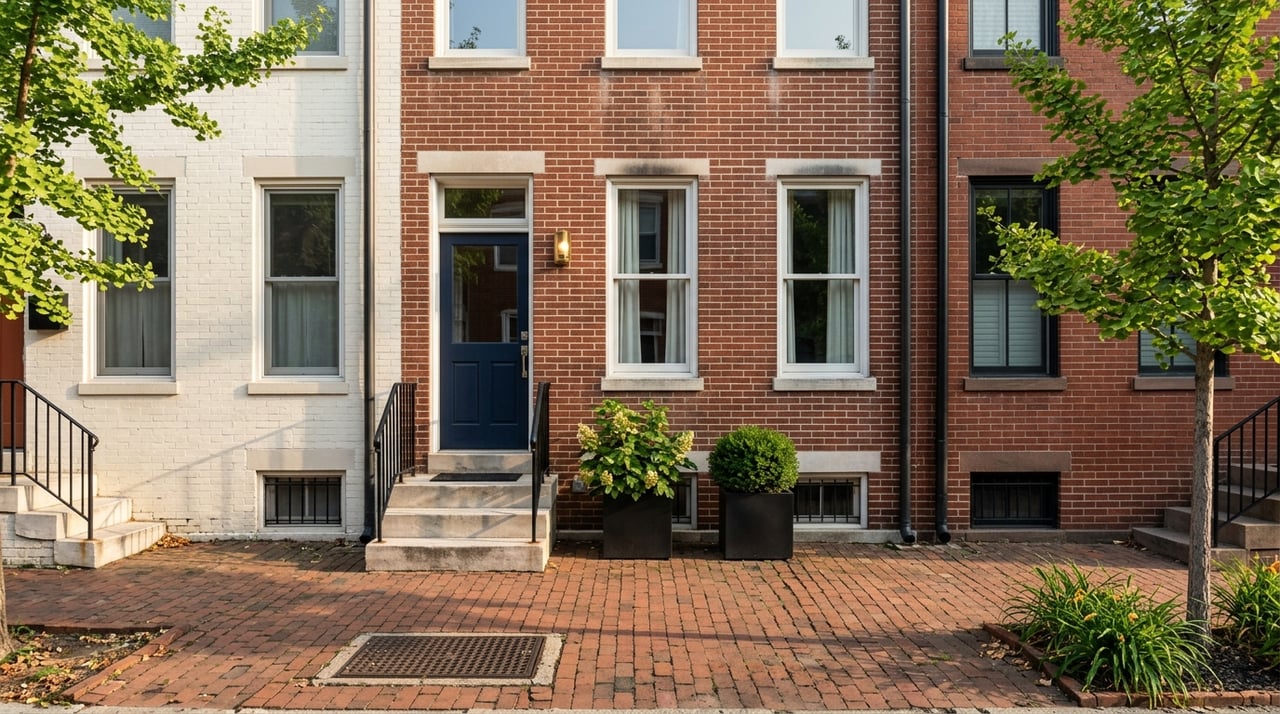
  • Best preserved Victorian streetscape: Bolton Hill -- marble steps, wrought-iron railings, complete 19th-century blocks on Eutaw Place and Madison Avenue; active historic preservation community; $300K–$550K
  • Most upscale historic residential: Roland Park -- early 20th-century planned suburban grid, Tudor Revival and Colonial Revival on large lots; $500K–$900K+; Roland Park Country School, Gilman School, and Friends School nearby
  • Ground rent: Baltimore City has a legacy ground rent system where many historic rowhouses are sold on leased land rather than fee simple -- buyers must verify ground rent status on every historic property before offer; this is a material financial obligation that is easy to overlook and expensive to ignore
  • Schools: Baltimore City public schools serve all these neighborhoods; many families in historic districts use private schools -- budget for tuition if applicable and factor it into neighborhood affordability calculations

Baltimore Historic Neighborhoods at a Glance

Neighborhood Era Architecture Price Range (2026) Character Key Streets
Fells Point 1700s Federal, Colonial rowhouses $350K–$650K Maritime waterfront, active nightlife Thames St, Broadway, Ann St
Federal Hill Early 1800s Early rowhouse, brick facades $350K–$600K Walkable, urban, young professional Cross St, Light St, Warren Ave
Mount Vernon Mid 1800s Beaux-Arts, Italianate, brownstones $280K–$550K Cultural district, quieter residential Mt Vernon Pl, Cathedral St, Charles St
Bolton Hill Late 1800s Victorian, marble steps, wrought iron $300K–$550K Preserved streetscape, preservation-active Eutaw Pl, Madison Ave, Bolton St
Reservoir Hill Late 1800s Victorian, turrets, ornate stone $200K–$400K Druid Hill Park access, renovation opportunity Whitelock St, Brookfield Ave
Roland Park Early 1900s Tudor Revival, Colonial Revival $500K–$900K+ Planned suburb, large lots, private schools nearby Roland Ave, University Pkwy, Club Rd
Hampden Late 1800s–Early 1900s Mill-worker rowhouses, stone $280K–$500K Eclectic, creative, "The Avenue" retail corridor 36th St (The Avenue), Roland Ave
Canton Mid–Late 1800s Brick rowhouses, waterfront $350K–$600K Waterfront walkability, O'Donnell Square social scene O'Donnell St, Boston St, Ellwood Ave

⚠ Ground Rent: A Baltimore-Specific Buyer Issue

Baltimore City has a legacy ground rent system -- a unique Maryland legal arrangement where the land beneath a property may be owned by a separate party and leased to the homeowner, typically for a nominal annual fee ($24–$90/year historically). Ground rent obligations run with the property and transfer to each new buyer. While the annual payment is usually small, unresolved or unredeemed ground rent can create title complications, and some ground rent holders have used the system aggressively to pursue forfeiture. Maryland law now provides homeowners with the right to redeem ground rent and convert to fee simple ownership. Buyers of any historic Baltimore rowhouse must determine ground rent status during due diligence -- your title company and real estate attorney should review this before closing. This applies across Fells Point, Federal Hill, Bolton Hill, Hampden, Canton, and most other historic rowhouse districts.

18th Century: Baltimore's Maritime Roots

Fells Point

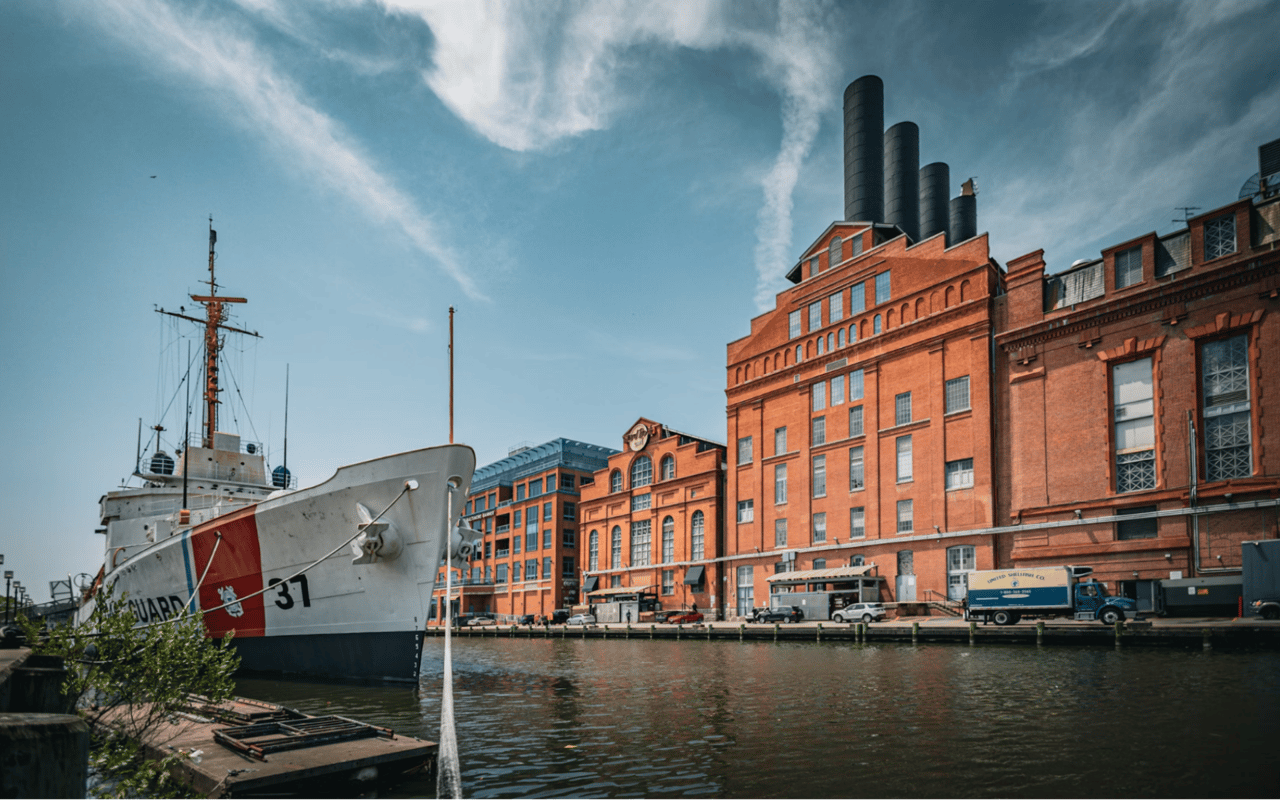
Fells Point is the oldest surviving neighborhood in Baltimore -- a maritime district founded in the early 1700s that predates Baltimore City's official incorporation. Its streets were among the first platted in the region and several survive essentially intact, including the cobblestone blocks of Thames Street and the Federal-era warehouse buildings along the waterfront. The neighborhood was a major shipbuilding center in the 18th and 19th centuries and is one of the most intact examples of early American waterfront urbanism in the country.

Fells Point: Buyer Detail

  • Architecture: Federal-style brick rowhouses with characteristic dormer windows, low stoops, and narrow lots; some properties retain original wide-plank floors, exposed brick party walls, and 18th-century structural elements; building widths as narrow as 12–16 feet are common on original blocks
  • Key streets: Thames Street runs along the waterfront and is the neighborhood's social and commercial spine; Broadway Market (operating since 1786) is one of the oldest public markets in the US; Ann Street, Shakespeare Street, and Aliceanna Street are among the most architecturally intact residential blocks
  • Price range: $350K–$650K in 2026; prices vary significantly by block, renovation status, and proximity to the waterfront; the nightlife corridor near Thames Street and Broadway can mean weekend noise on lower blocks
  • Buyer considerations: Ground rent is common; parking is constrained on most blocks (no driveways on original lots); flooding at the water's edge can be an issue during storm surges; confirm flood zone status by address

19th Century: The Industrial and Cultural Boom

Federal Hill

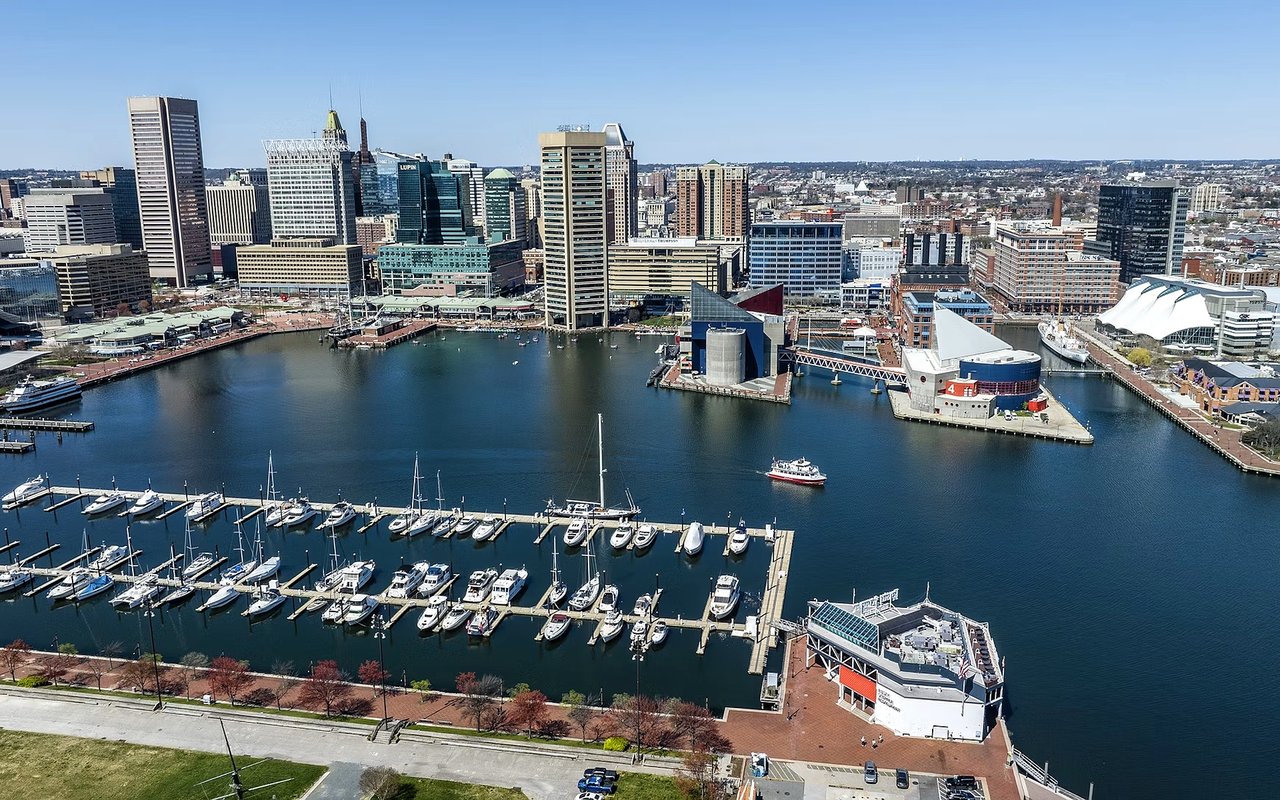
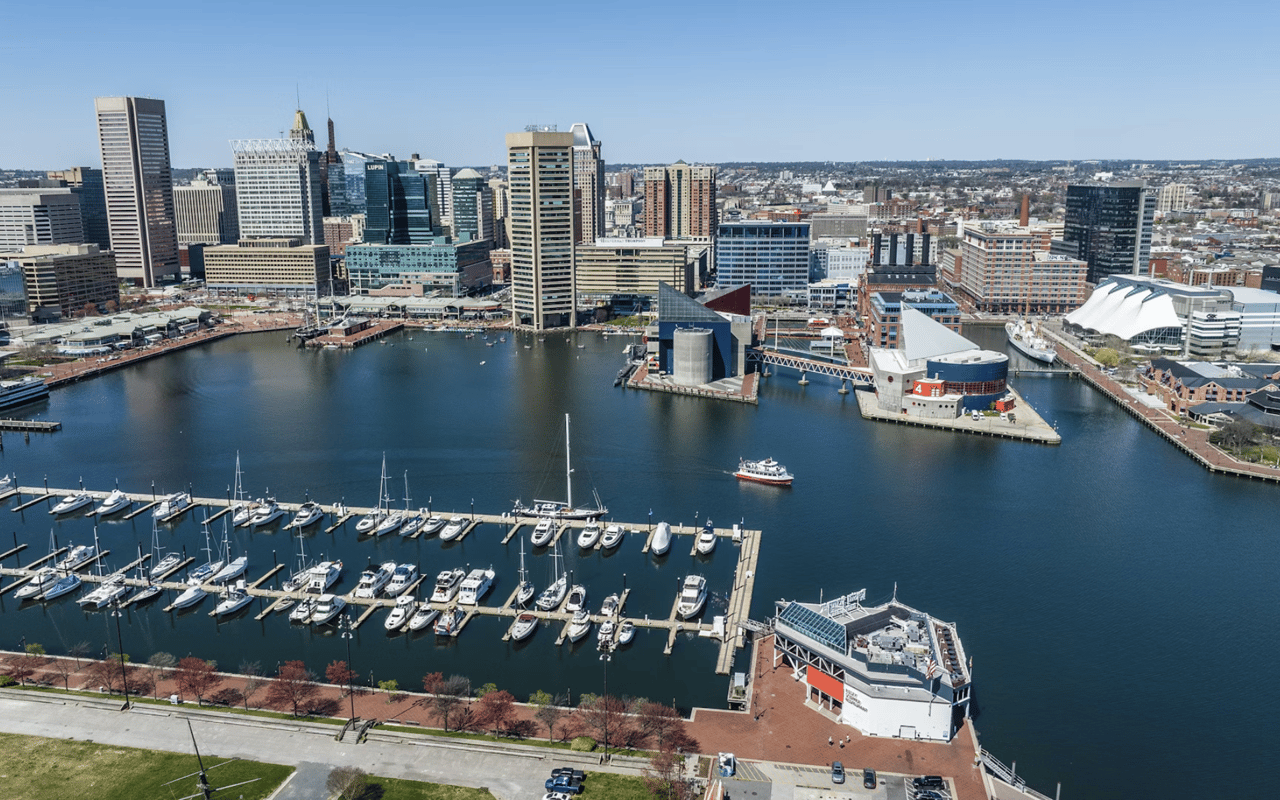
Federal Hill sits on a bluff directly south of the Inner Harbor, giving the neighborhood its defining feature -- Federal Hill Park, which provides one of the most photographed views of the Baltimore skyline. The rowhouses here date primarily from the early to mid 1800s and were built for the working and merchant class that supported Baltimore's expanding harbor trade. The neighborhood declined significantly in the mid-20th century and underwent substantial gentrification beginning in the 1970s and 1980s; today it is one of Baltimore's most consistently popular urban neighborhoods for buyers.

Federal Hill: Buyer Detail

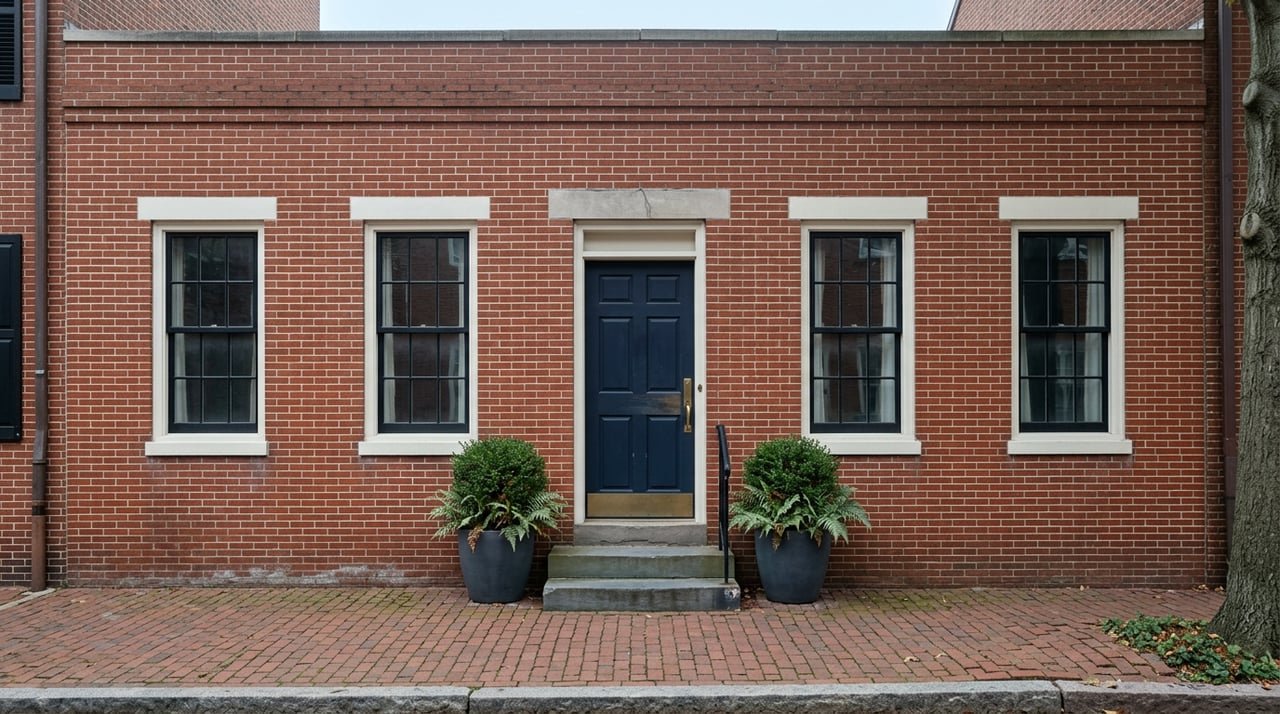
  • Architecture: Brick rowhouses typically 3 stories with 12–18 foot widths; original Formstone (a mid-century stucco-over-brick treatment common in Baltimore) has been removed from most renovated properties; original cornices, marble stoops, and cast-iron details survive on well-maintained blocks; Cross Street between Light and Charles Streets is the primary retail and dining corridor
  • Key streets: Warren Avenue, William Street, and Montgomery Street are among the most intact historic residential blocks; Light Street provides the main commercial spine from the harbor south through the neighborhood
  • Price range: $350K–$600K in 2026; larger end-of-row and corner properties with parking pads can approach $600K–$700K; renovation status varies widely block by block
  • Buyer considerations: Ground rent is common; parking typically requires a pad or garage (additional cost to verify by property); Cross Street Market corridor runs busy on weekends; the neighborhood skews young professional and active

Mount Vernon

Mount Vernon is Baltimore's original prestige address -- the neighborhood that the city's merchant aristocracy built in the mid to late 1800s around the base of the Washington Monument, the first major monument to George Washington completed in the United States (1829). The four blocks of Mount Vernon Place surrounding the monument are among the most architecturally distinguished public squares in any American city, lined with Beaux-Arts and Italianate mansions, many now converted to apartments, offices, or cultural institutions. The Peabody Institute (Johns Hopkins University), the George Peabody Library, and the Walters Art Museum are all within the neighborhood.

Mount Vernon: Buyer Detail

  • Architecture: The grandest properties are Italianate and Second Empire mansions on the monument blocks; Cathedral Street and Charles Street have a continuous run of 19th-century commercial and residential buildings; brownstones and brick rowhouses fill the surrounding blocks in a range of mid-Victorian styles
  • Key streets: Mount Vernon Place (the four blocks around the Washington Monument), Cathedral Street, Charles Street (the main commercial spine running through the neighborhood), and Madison Street are the primary addresses
  • Price range: $280K–$550K in 2026; the neighborhood's price range is lower than Federal Hill or Fells Point partly because it is quieter and less nightlife-oriented, and partly because renovation standards vary more widely; some properties are exceptional, others are not
  • Buyer considerations: Ground rent on rowhouse properties; the neighborhood has significant institutional density (university buildings, museums, concert halls) which affects street-level character; proximity to Maryland Institute College of Art (MICA) brings an arts community presence

Bolton Hill

Bolton Hill is one of Baltimore's most consciously preserved 19th-century neighborhoods -- a compact district of late Victorian rowhouses built between approximately 1860 and 1895 for the city's professional class. The neighborhood is notable for the consistency of its streetscape: Eutaw Place, the central boulevard, retains its original fountain, mature trees, and an almost unbroken run of Italianate and Queen Anne rowhouses. Bolton Hill has an active historic preservation association and has maintained stronger architectural cohesion than most comparable Baltimore neighborhoods.

Bolton Hill: Buyer Detail

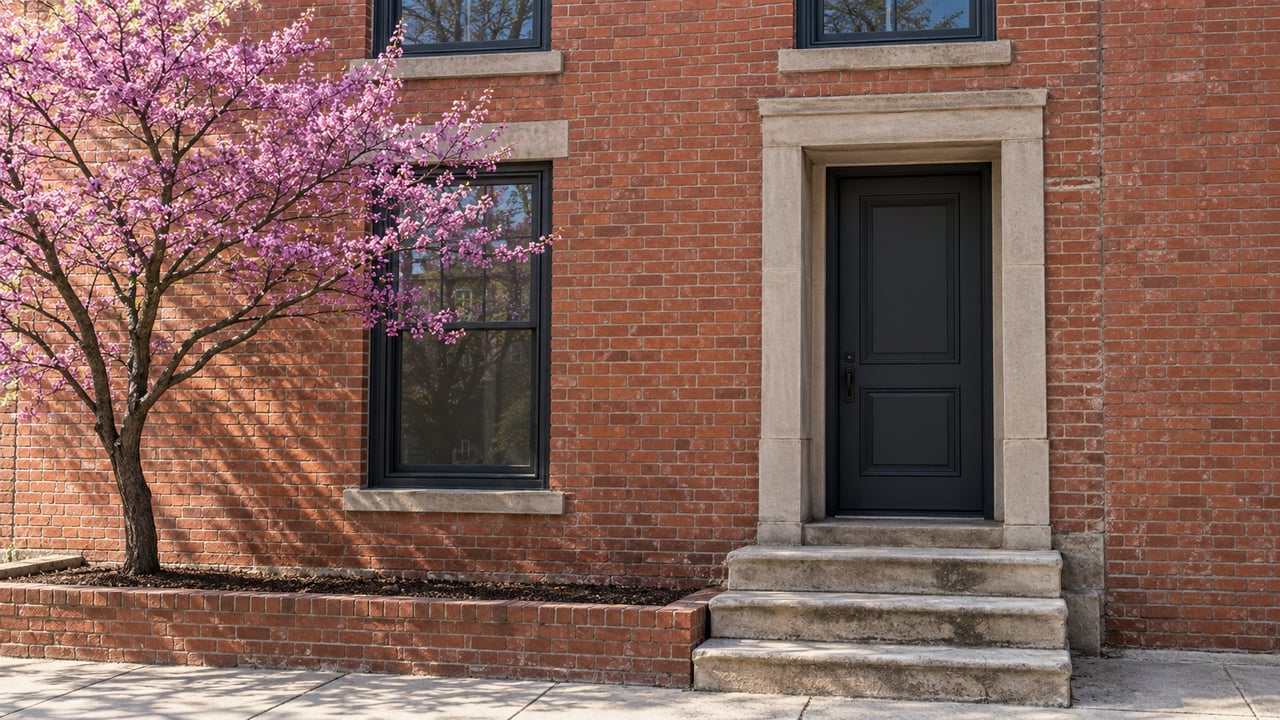
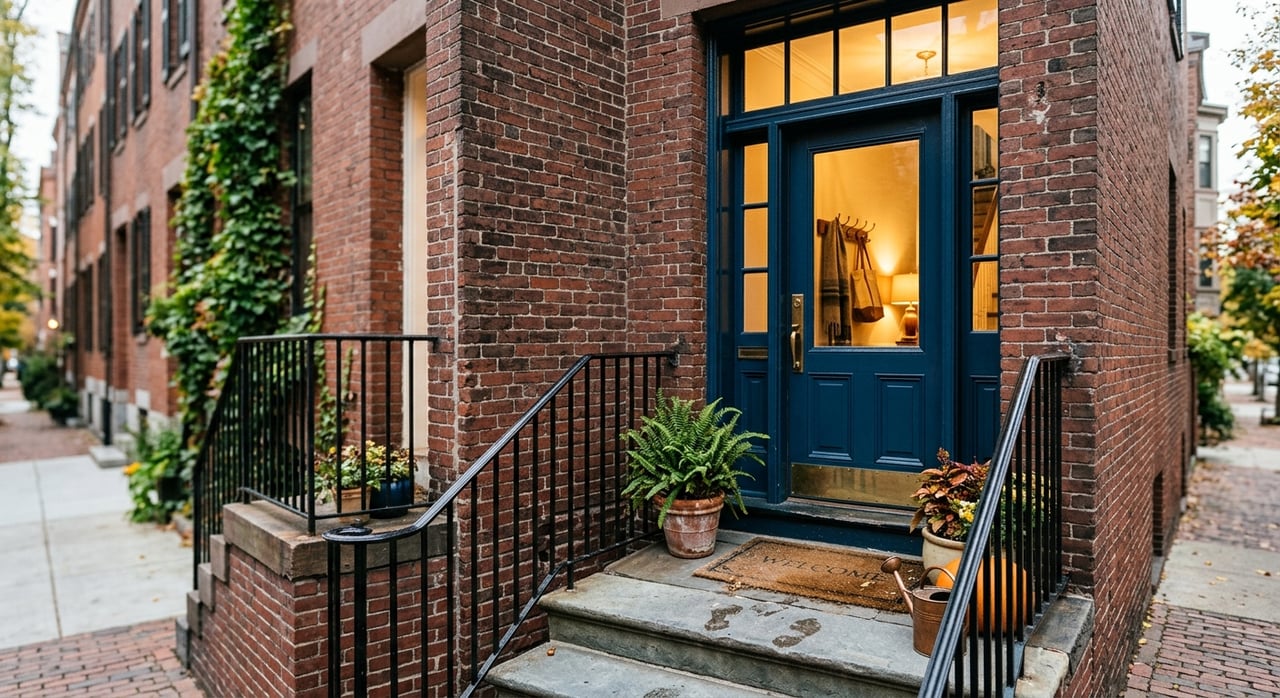
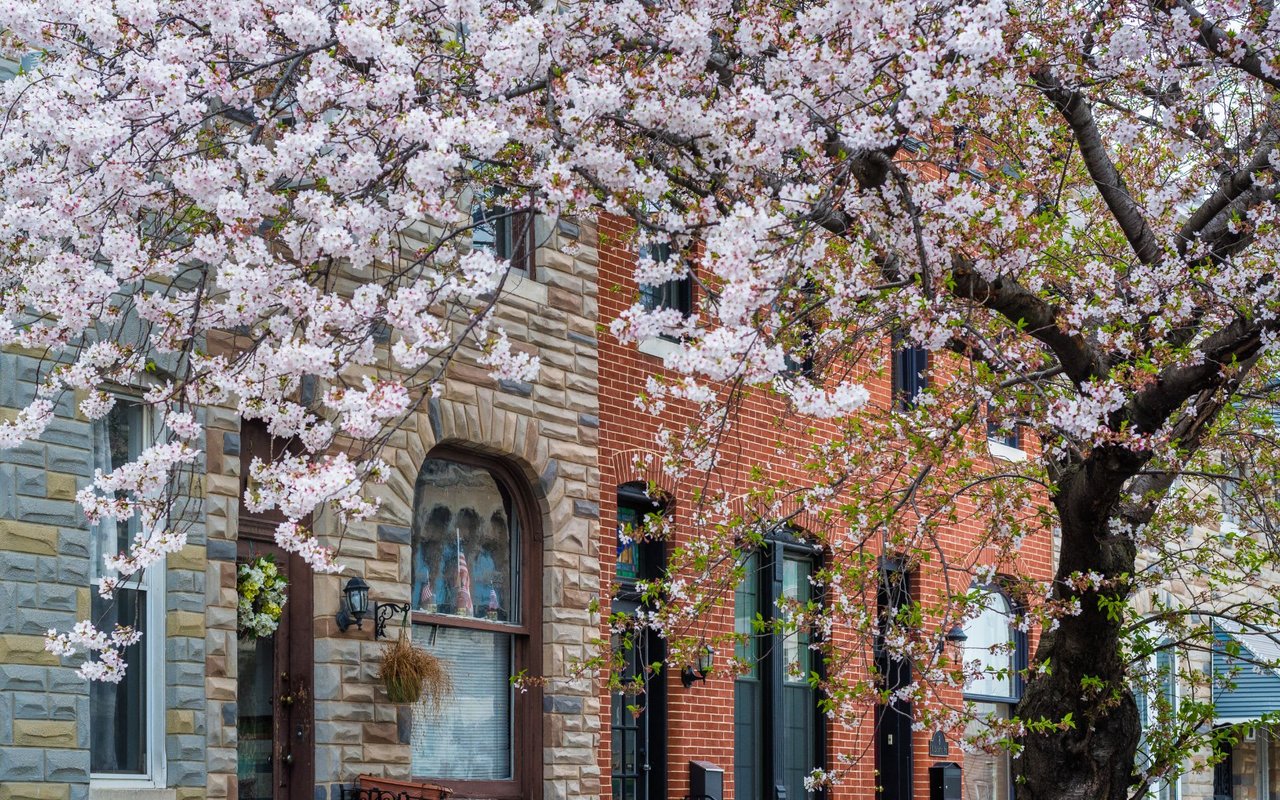
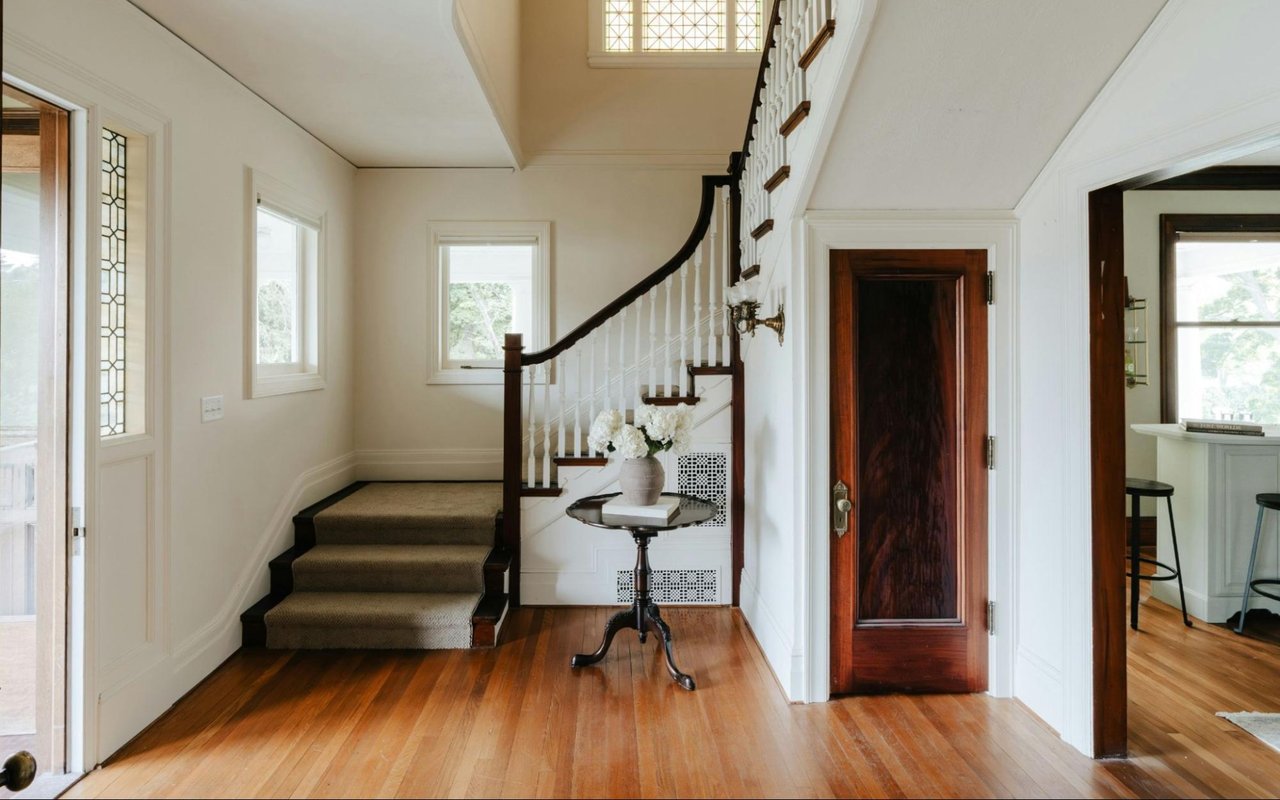
  • Architecture: The signature Bolton Hill rowhouse has white marble steps (a Baltimore tradition), wrought-iron railings, and a three-bay brick facade; Eutaw Place properties are the neighborhood's prestige addresses; Madison Avenue and Bolton Street have largely intact mid-block rowhouse runs
  • Key streets: Eutaw Place (the central boulevard with its original fountains), Madison Avenue, Bolton Street, and Linden Avenue are the primary residential addresses; the neighborhood is bounded roughly by North Avenue, Dolphin Street, McMechen Street, and Madison Avenue
  • Price range: $300K–$550K in 2026; renovation quality varies; fully renovated properties on Eutaw Place approach the upper end; unrenovated properties on interior blocks represent the entry point
  • Buyer considerations: Ground rent common; proximity to the Maryland Institute College of Art brings student density; MICA has been a positive anchor for the neighborhood's ongoing stabilization; access to the JFX (I-83) is straightforward

Reservoir Hill

Reservoir Hill sits immediately west of Druid Hill Park -- one of the largest urban parks in the eastern United States -- and was developed in the late 1800s as a middle-class extension of the Bolton Hill architectural tradition. It has a more varied renovation landscape than Bolton Hill; some blocks are well-maintained with restored Victorian details including turrets, bay windows, and ornate stonework, while others are still in earlier stages of recovery. For buyers willing to do renovation work, it represents some of the most affordable access to genuine Victorian architecture in Baltimore.

Reservoir Hill: Buyer Detail

  • Price range: $200K–$400K in 2026 -- the most affordable entry point for Victorian-era architecture in this guide
  • Key asset: Direct access to Druid Hill Park (745 acres) -- one of the oldest landscaped public parks in the country; Maryland Zoo is located within the park
  • Buyer considerations: Block-by-block variation is significant; due diligence on immediate street condition and structural integrity is especially important; ground rent common; the neighborhood's ongoing revitalization is real but uneven

Early 20th Century: Planned Communities and Industrial Workers

Roland Park

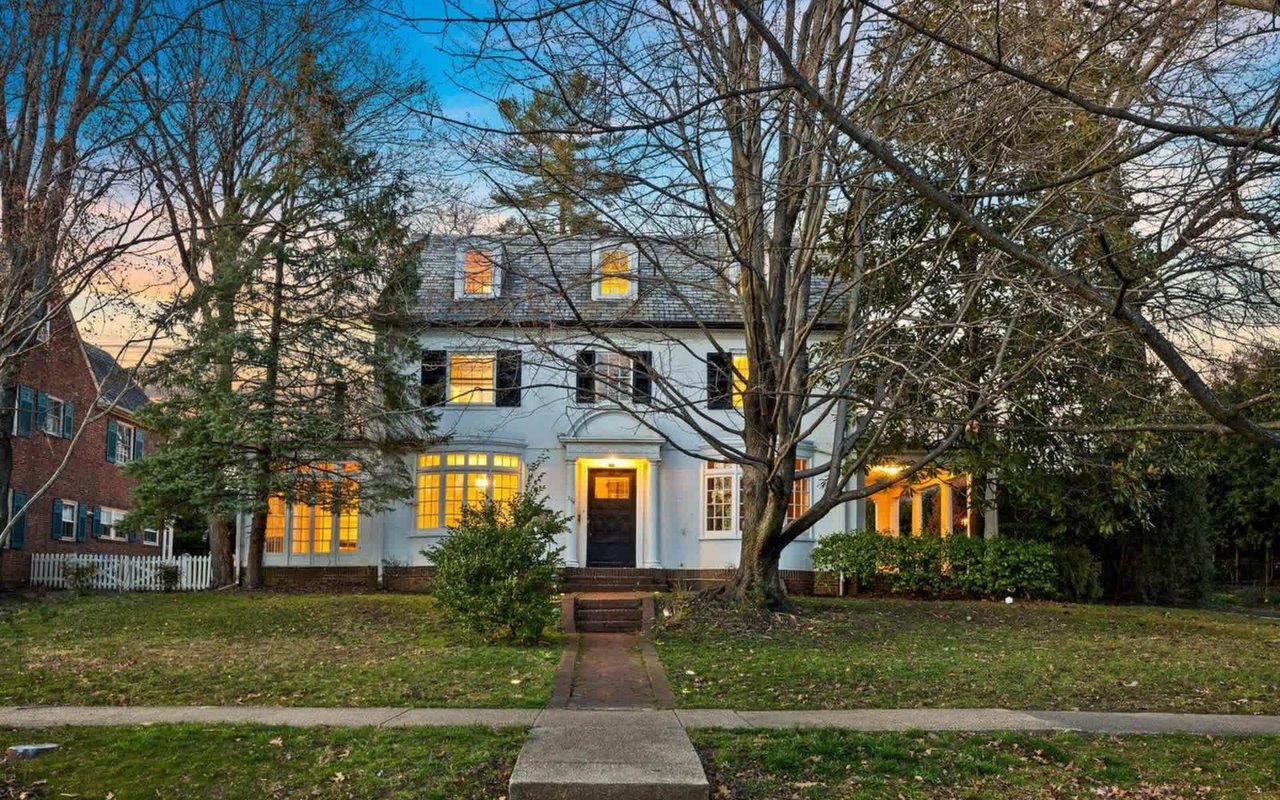
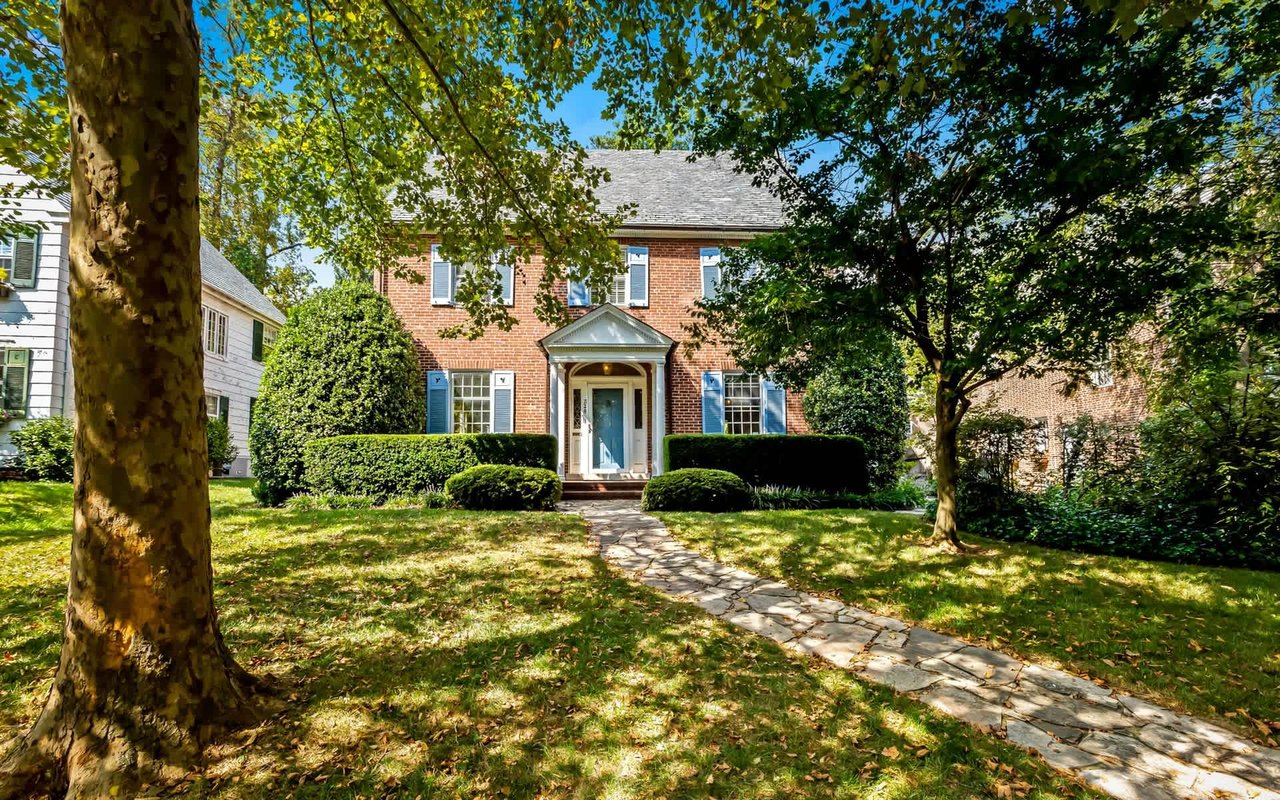
Roland Park is one of the first planned suburban communities in the United States, developed beginning in 1891 by the Roland Park Company using the Olmsted Brothers landscape firm. Its curvilinear street grid, generous lots, setback requirements, and architectural covenants were deliberately designed to create a residential environment distinct from Baltimore's rowhouse grid. The resulting neighborhood -- a mix of Tudor Revival, Colonial Revival, and Craftsman-style homes on Roland Avenue, University Parkway, and Club Road -- remains one of Baltimore's most architecturally intact early suburban communities.

Roland Park: Buyer Detail

  • Architecture: Tudor Revival is the most common style -- half-timbered upper stories, steep rooflines, leaded glass windows, stone and brick lower facades; Colonial Revival and Craftsman homes fill out the inventory; most properties have garages or driveways (a significant departure from the rowhouse districts)
  • Key streets: Roland Avenue (the primary commercial and residential spine), University Parkway (grand boulevard with large setbacks), Club Road and Elmwood Road (some of the most prestigious addresses)
  • Price range: $500K–$900K+ in 2026; larger properties on premium streets exceed $1M; the neighborhood trades at a premium to most Baltimore City addresses
  • Private schools: Roland Park Country School (girls K–12), Gilman School (boys K–12), and Friends School are all within or immediately adjacent to the neighborhood -- a major draw for families who plan to use private education; proximity to these campuses is factored into pricing
  • Buyer considerations: Roland Park Company deed covenants historically included racially restrictive language that is now void and unenforceable but remains a documented historical fact about the community's origins; some buyers want to be aware of this history before purchasing

Hampden

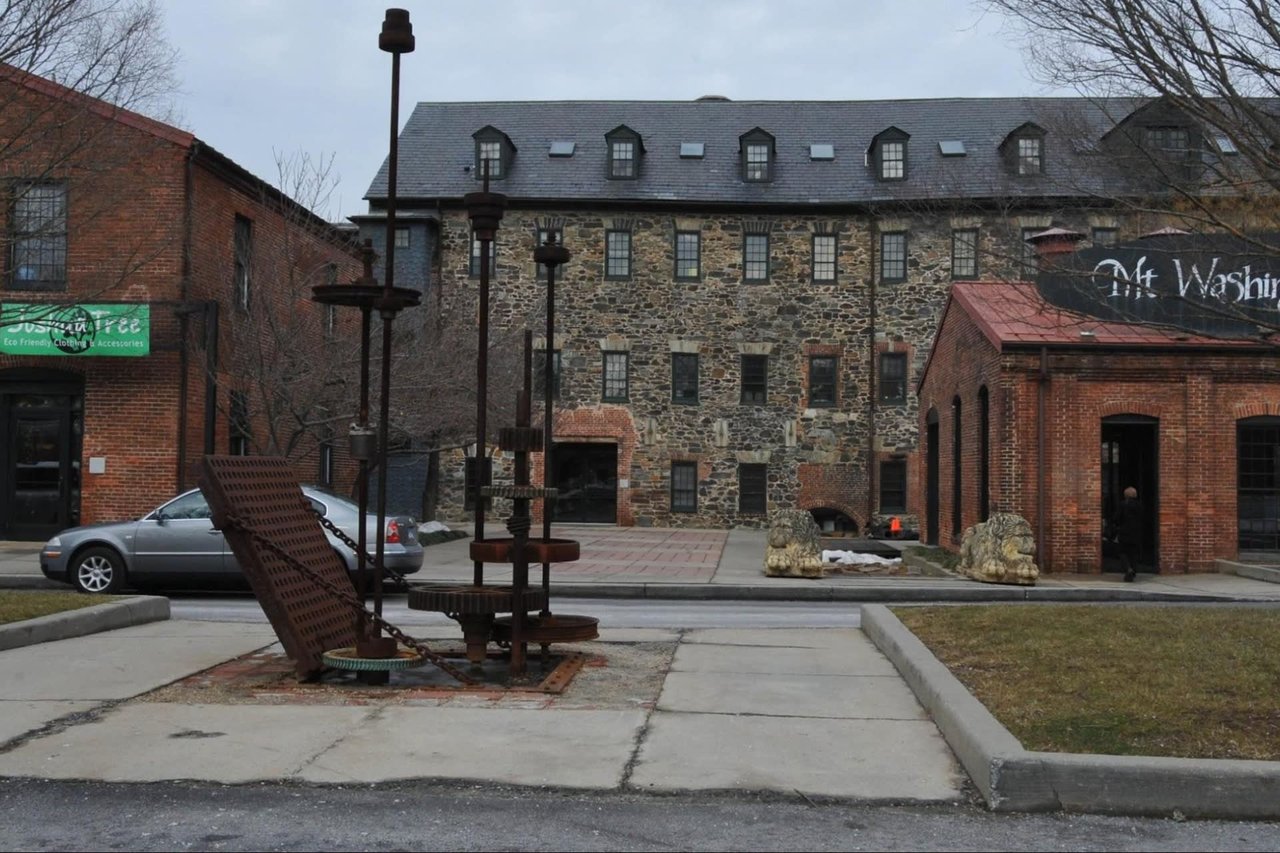
Hampden developed in the late 1800s and early 1900s as a working-class neighborhood serving the Jones Falls Valley textile mills. Its housing stock reflects that origin -- dense blocks of narrow stone and brick rowhouses built for mill workers, clustered around 36th Street (locally known as "The Avenue"), which remains Hampden's commercial and cultural spine. The neighborhood underwent significant transformation beginning in the 1990s and 2000s as artists, young professionals, and small businesses replaced much of its earlier working-class demographic. Hampden now has one of the most active independent retail and dining corridors in Baltimore City.

Hampden: Buyer Detail

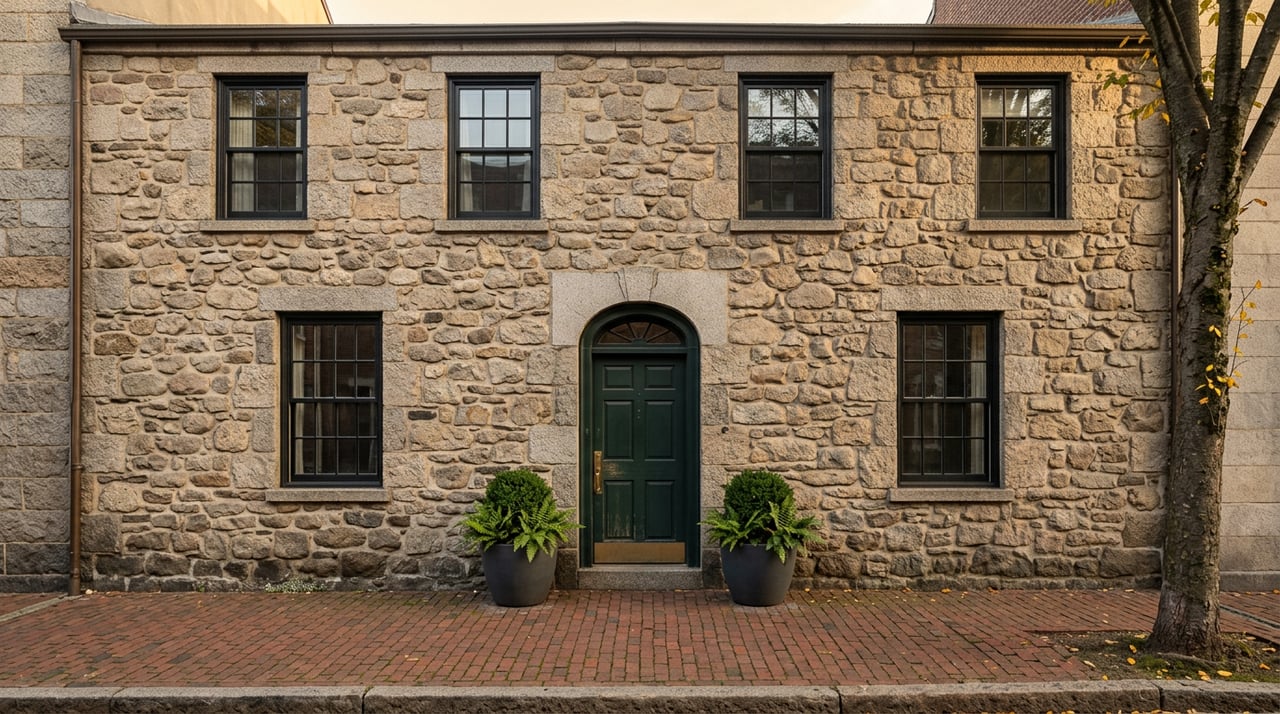
  • Architecture: Stone-front rowhouses are distinctive to Hampden and uncommon elsewhere in Baltimore; the stone facades were quarried locally and give the neighborhood a grittier, more textured character than the brick-dominant rowhouse districts; interior layouts are typically narrow (12–15 feet wide) and deep
  • Key streets: 36th Street (The Avenue) -- the commercial corridor with independent restaurants, boutiques, and the iconic "Miracle on 34th Street" holiday light display; Roland Avenue, Chestnut Avenue, and Hickory Avenue are the primary residential streets
  • Price range: $280K–$500K in 2026; fully renovated properties on desirable blocks in the $400K–$500K range; unrenovated entry points available below $300K
  • Buyer considerations: Ground rent is common; parking is constrained; the neighborhood's density and active street life are features for some buyers and drawbacks for others

Canton

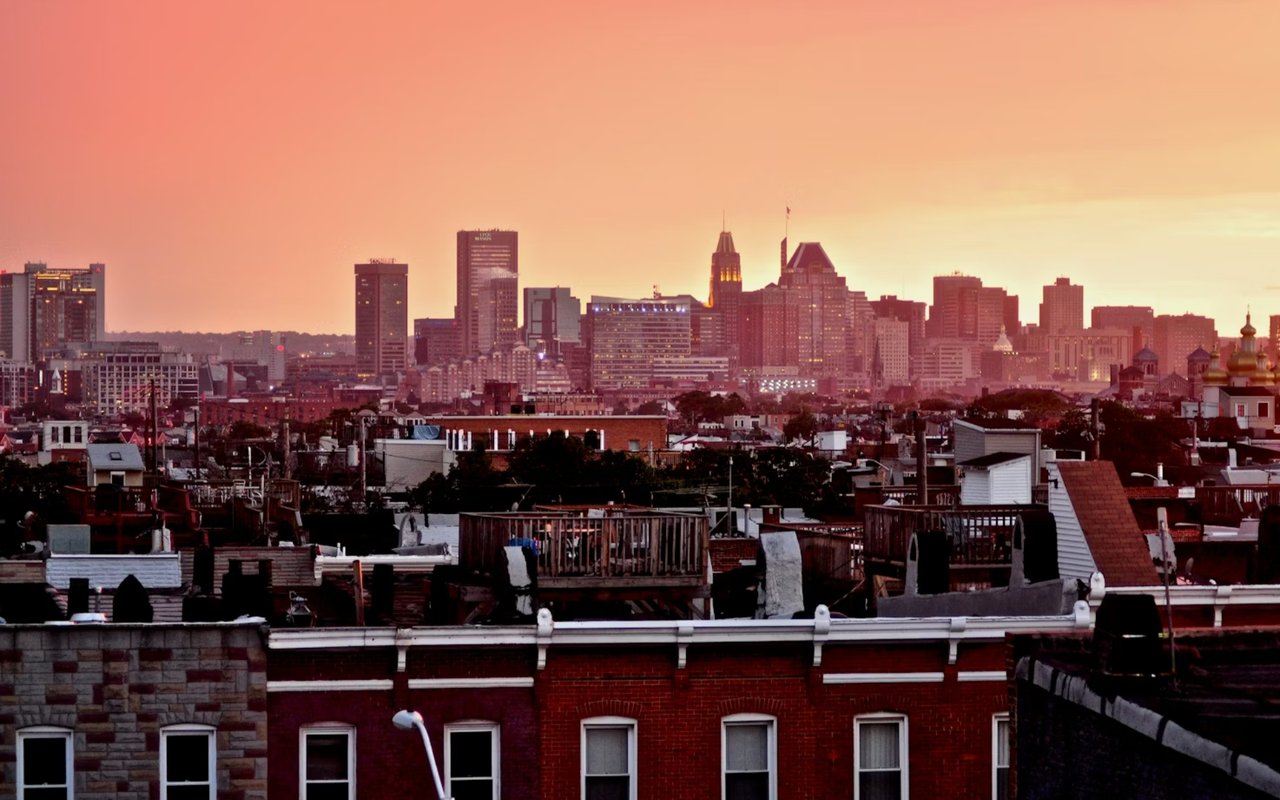
Canton developed as a working waterfront neighborhood in the mid to late 1800s and has undergone one of Baltimore's most thorough residential transformations over the past 30 years. Its 19th-century brick rowhouses -- originally built for dockworkers and light industrial workers along the Patapsco -- now anchor one of the city's most active restaurant and bar scenes. O'Donnell Square and the Boston Street waterfront corridor are the neighborhood's social anchors. Canton consistently draws the broadest buyer demographic of any Baltimore rowhouse district, including first-time buyers, young families, and out-of-state relocators.
Canton: Buyer Detail

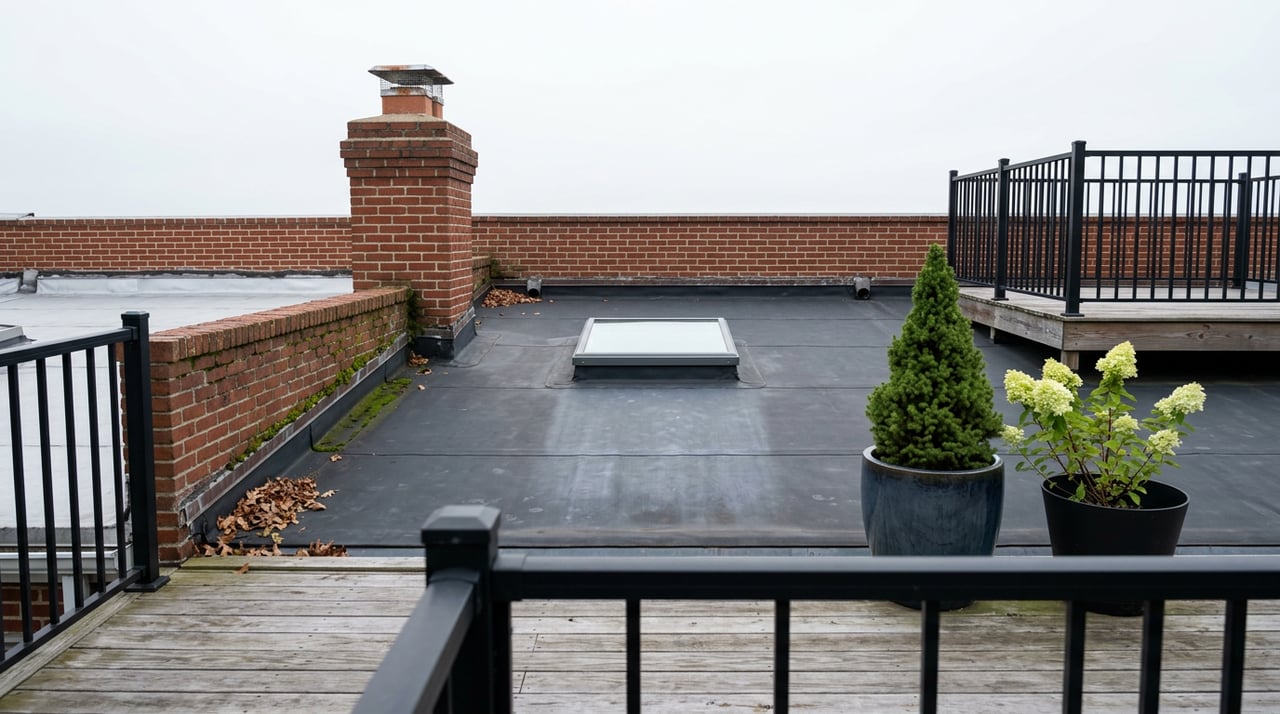
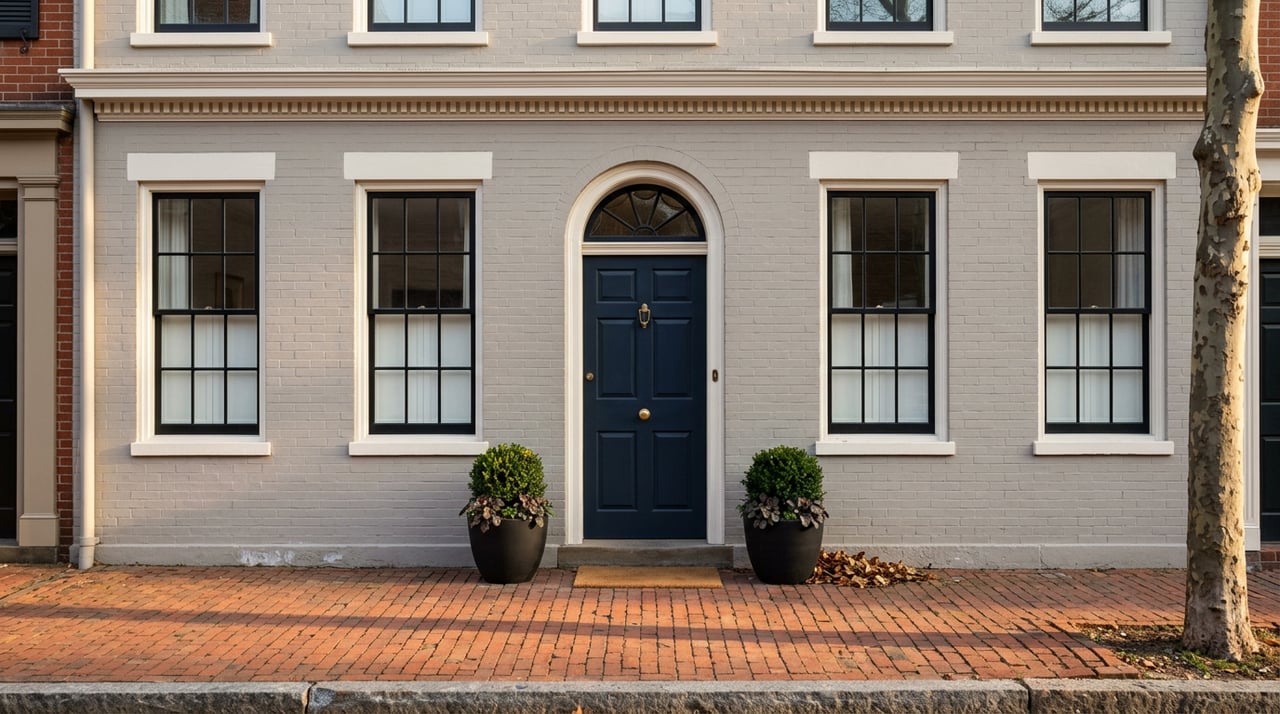
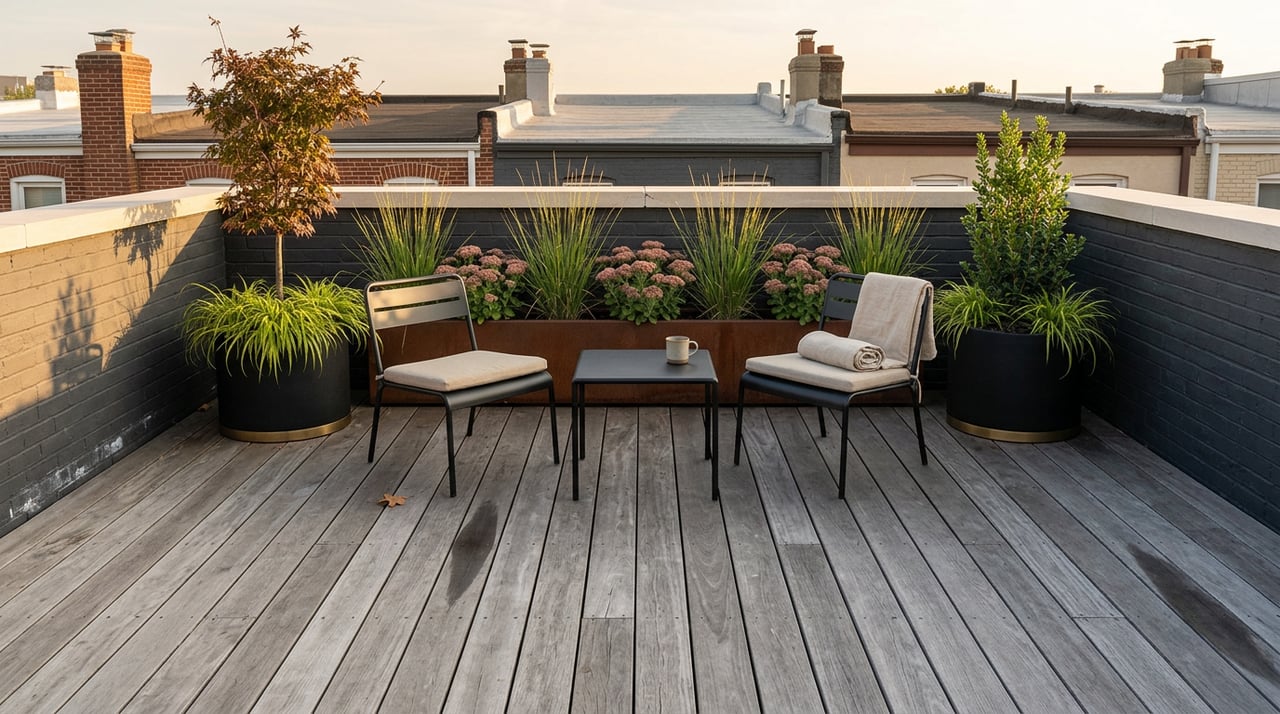
  • Architecture: Two- and three-story brick rowhouses typical of mid to late 1800s Baltimore construction; rooftop decks are common additions on Canton properties and are a significant feature for buyers; some blocks have parking pads behind the row (accessed via alleys)
  • Key streets: O'Donnell Street (the primary commercial and bar corridor), Boston Street (waterfront access and commercial strip), Ellwood Avenue, Foster Avenue, and Fait Avenue are the primary residential streets
  • Price range: $350K–$600K in 2026; rooftop-deck properties and those with parking pads trade at premiums; waterfront-adjacent properties on Boston Street can exceed $600K
  • Buyer considerations: Ground rent is common; weekend noise from the O'Donnell Square bar corridor affects lower blocks; parking availability varies significantly by block; the neighborhood is adjacent to Brewers Hill and Highlandtown, which are earlier-stage revitalization areas

Buying in a Baltimore Historic District: What Actually Matters

The question buyers ask most often about historic Baltimore is which neighborhood is best. The honest answer is that the neighborhoods in this guide are meaningfully different from each other -- not just in architecture and price, but in noise level, parking reality, weekend character, and the specific blocks that are worth buying on versus the ones that are not.

Fells Point and Canton are active; Federal Hill and Hampden are community-oriented; Mount Vernon and Bolton Hill are quieter and more culturally dense. Roland Park is a different category entirely -- suburban in character despite being within Baltimore City limits. None of these are better or worse. They serve different buyers.

What applies universally is this: ground rent status, flood zone verification where applicable, and block-level condition assessment matter more in Baltimore's historic districts than the neighborhood name on the listing. A great block in Bolton Hill is a better investment than a weak block in a more celebrated neighborhood.

William Weeks and the Finding MD Homes team work specifically in Baltimore City, Baltimore County, and Howard County. Schedule a consultation to discuss which historic districts align with your lifestyle, budget, and commute -- and which specific blocks are actually performing.

Historic Baltimore Neighborhoods: Common Questions

What are the most historic neighborhoods in Baltimore, MD?

Baltimore's most historic neighborhoods include Fells Point (founded 1700s, one of the oldest surviving waterfront communities in the US), Federal Hill (early 1800s rowhouses overlooking the Inner Harbor), Mount Vernon (mid-1800s Beaux-Arts and Italianate mansions surrounding the original Washington Monument), Bolton Hill (late Victorian rowhouses with original marble steps and wrought-iron details), and Roland Park (one of the first planned suburban communities in the US, developed from 1891). Canton and Hampden round out the major historic residential districts with distinct mid to late 1800s working-class character.

What is the oldest neighborhood in Baltimore?

Fells Point is widely considered the oldest surviving neighborhood in Baltimore. It was developed in the early 1700s as a maritime and shipbuilding district and predates the official incorporation of Baltimore City. Several of its original street grid, Federal-style rowhouses, and warehouse buildings survive intact, making it one of the most historically intact 18th-century waterfront neighborhoods in the United States.

What should buyers know about purchasing a historic home in Baltimore?

Three things matter above all: ground rent status, renovation quality, and block-level condition. Baltimore City has a legacy ground rent system where some rowhouses are sold on leased land -- buyers must verify ground rent status during due diligence and understand the redemption process. Renovation quality in historic districts varies enormously even on the same block; a thorough inspection is essential on any pre-1950 construction. And in Baltimore's rowhouse neighborhoods, the specific block matters as much as the neighborhood name -- a well-maintained block in a transitional area can be a stronger investment than a weak block in a celebrated district.

What is ground rent in Baltimore?

Ground rent is a legacy Maryland legal arrangement where the land beneath a Baltimore rowhouse may be owned by a separate party who leases it to the homeowner, typically for a nominal annual fee. The obligation transfers to each new buyer with the property. While annual payments are usually small, ground rent creates a separate title interest that can complicate transactions and has historically been used aggressively by some ground rent holders. Maryland law now gives homeowners the right to redeem ground rent and convert to fee simple ownership. Any buyer of a historic Baltimore rowhouse should verify ground rent status before making an offer.

How do Baltimore's historic neighborhoods compare in price?

In 2026, Baltimore's historic neighborhoods span a wide price range. Roland Park is the most expensive ($500K–$900K+) due to its larger lots and private school proximity. Fells Point, Federal Hill, and Canton cluster in the $350K–$600K range as the most consistently active markets. Bolton Hill and Mount Vernon offer similar architecture for $280K–$550K with somewhat less competitive buying environments. Reservoir Hill and Hampden provide the most affordable entry points into historic Baltimore at $200K–$400K and $280K–$500K respectively, with more renovation opportunity and block-level variation.

Are Baltimore's historic neighborhoods good places to live?

The established historic neighborhoods -- Fells Point, Federal Hill, Canton, Roland Park, and Bolton Hill -- consistently rank among Baltimore's most livable areas for buyers who want urban character, architectural quality, and neighborhood identity. They offer walkable commercial corridors, distinct community cultures, and in most cases strong resale performance relative to the broader Baltimore market. The main practical considerations are school planning (Baltimore City public schools vary significantly by zone; most families in these neighborhoods supplement with private schools or carefully selected public options), parking constraints in the denser rowhouse districts, and the ground rent issue that applies to historic properties citywide.

Find Your Baltimore Historic Home

William Weeks and the Finding MD Homes team work specifically in Baltimore City, Baltimore County, and Howard County. We can walk you through which historic blocks are performing, ground rent verification, and renovation considerations -- before you make an offer.

Schedule a Consultation
William Weeks

About the Author

William Weeks is a seasoned Maryland real estate professional specializing in luxury and residential properties across Baltimore, Frederick, Federal Hill, and beyond. Since joining Coldwell Banker Realty in 2015, he has leveraged his commercial real estate background and recently completed a global luxury certification to provide exceptional service to high-end clients. Known for his in-depth market knowledge and personalized approach, William is dedicated to helping buyers, sellers, and investors achieve their real estate goals with confidence and ease.

📍 3355 Keswick Rd Ste 300, Baltimore, MD 21211
📞 (410) 327-2200

Follow William On Instagram

Work With William

With extensive knowledge in real estate, from the historic streets of Frederick to the vibrant heart of Federal Hill and throughout the Baltimore area, I offer invaluable expertise to those looking to buy or sell homes. Real estate dynamics can vary widely even within short distances, so it's essential to have a trusted expert versed in the intricacies of local markets. I stay abreast of the latest trends, listings, and opportunities in Baltimore. Eager to serve, I'm here to not only meet but also exceed your property-related expectations. Let's embark on your real estate journey together!